Architectural beams serve dual roles in building design: they provide structural or aesthetic functions while shaping how spaces feel and perform. Polyurethane beams have emerged as versatile solutions that work effectively across both exterior and interior applications, offering aesthetic flexibility without the maintenance burdens that plague natural materials. Understanding how polyurethane performs in different environments helps architects and designers specify appropriately for their projects.
The material properties of polyurethane affect its suitability for various applications. Density, formulation, and finishing determine how beams perform in wet conditions, temperature extremes, and UV exposure. Professional specification considers these factors explicitly, selecting products that will perform reliably in their intended environments.
Interior Beam Applications
Interior environments offer the most forgiving conditions for polyurethane beam installation. Protected from direct weather exposure, interior beams primarily face concerns about appearance maintenance and structural performance. These conditions make polyurethane an excellent choice for ceiling treatments, room dividers, and architectural details throughout building interiors.
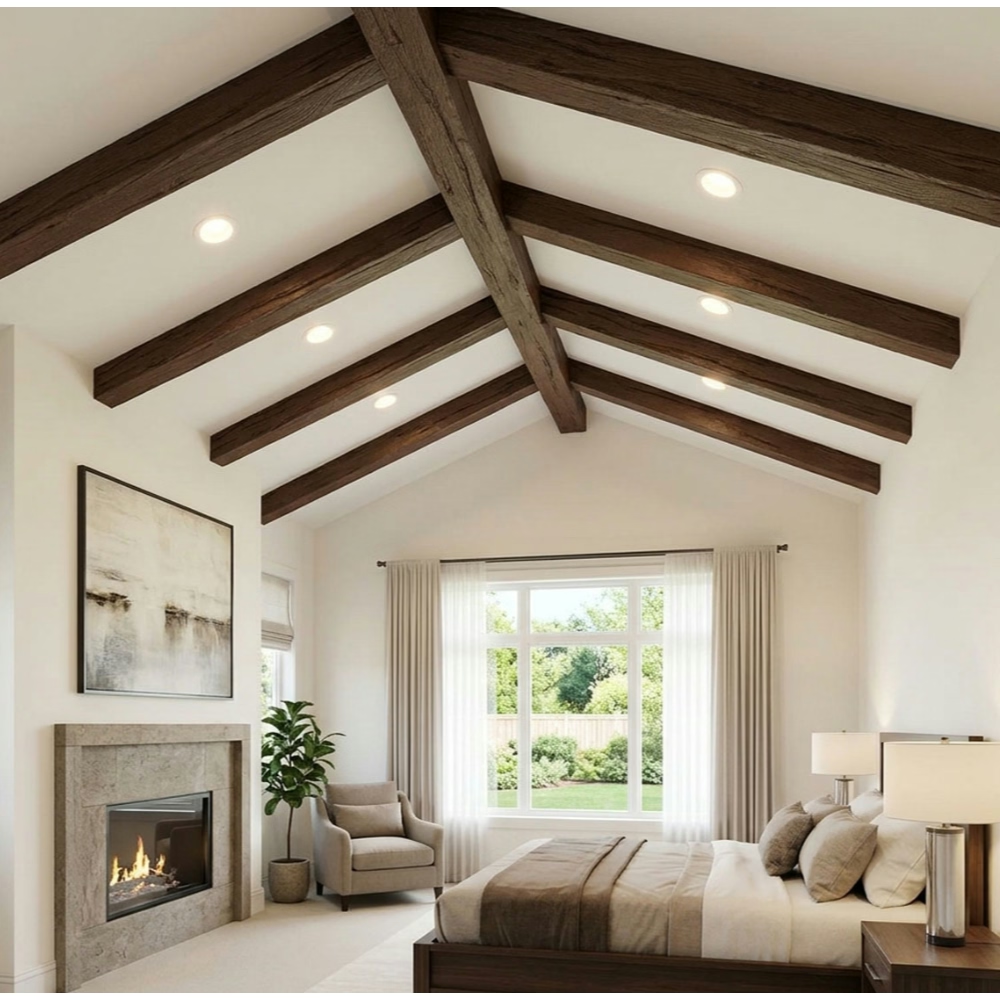
Ceiling beam installations represent the most common interior application for polyurethane products. Faux wood beams transform flat or featureless ceilings into visually interesting elements that define spaces and add warmth. Polyurethane's lightweight nature simplifies ceiling installation while its workability enables custom profiles and finishes that achieve any desired aesthetic.
Living room and great room applications often feature exposed beam ceilings that create dramatic visual statements. Polyurethane beams can replicate the appearance of substantial timber framing while fitting within modern construction budgets. The material accepts stains and finishes that simulate various wood species, enabling integration with existing interior design elements.

Exterior Beam Applications
Exterior applications challenge materials with weather exposure that accelerates degradation in less suitable products. Polyurethane formulations designed for exterior use resist moisture absorption, temperature cycling, and UV radiation that would damage less resilient materials. Professional specification identifies products specifically formulated for exterior exposure.
Covered porch and patio beams benefit from polyurethane's weather resistance while adding architectural interest to outdoor living spaces. Beams that define porch ceilings or support overhangs create visual frames that enhance outdoor environments. Polyurethane formulations rated for exterior use maintain their appearance through seasons of weather exposure.
Exterior trim applications—including beam wraps, fascias, and decorative brackets—demonstrate polyurethane's versatility in outdoor architectural detailing. These elements add visual interest to building exteriors without requiring the ongoing maintenance that natural wood trim demands. Exterior-rated polyurethane accepts paint and stain finishes that integrate with overall exterior color schemes.
Weather Resistance and Durability
Understanding why certain polyurethane formulations perform better outdoors helps explain specification decisions. The fundamental characteristics that make polyurethane suitable for architectural use also contribute to its weather resistance, though not all formulations perform equally in challenging conditions.
UV resistance varies significantly between formulations. Standard polyurethane can yellow and become brittle when exposed to sustained sunlight, while UV-stabilized formulations maintain their appearance and physical properties much longer. Professional specifiers select UV-resistant products for any application with meaningful sun exposure, both interior and exterior.
Moisture resistance distinguishes polyurethane from natural wood in exterior applications. Polyurethane doesn't rot, warp, or invite insect infestation, eliminating concerns that plague wood products outdoors. This resistance translates to longer service life and reduced maintenance requirements that lower total ownership costs.

Finish Selection for Different Environments
Finish systems interact with substrate properties to determine how beams perform over time. Interior and exterior applications require different finish approaches that account for environmental conditions and maintenance expectations. Professional finish selection considers these factors explicitly.
Interior finishes emphasize aesthetic qualities and ease of cleaning. Standard latex and oil-based paints work well in protected environments, as do clear finishes that highlight polyurethane's wood-mimicking surfaces. The stable interior climate means finishes primarily need to resist scuffing and cleaning rather than environmental degradation.
Exterior finishes must resist UV radiation, moisture, and temperature cycling that degrade lesser systems. High-quality exterior paints with UV inhibitors provide durable protection that maintains appearance through seasons. Clear finishes for exterior use require specific formulations designed for outdoor exposure, as interior clear coats fail rapidly outdoors.
Design Integration Considerations
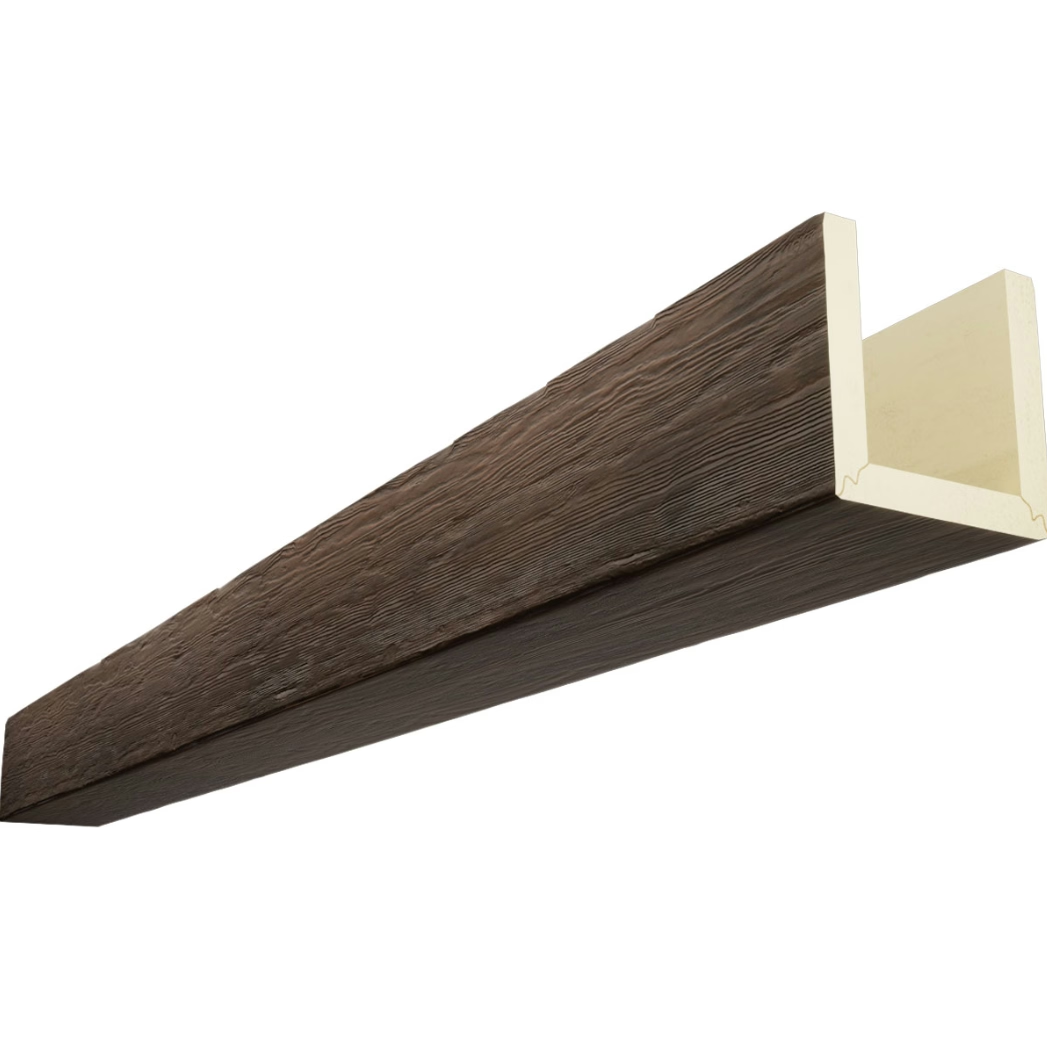
Successful architectural detailing integrates beams with surrounding elements in visually coherent compositions. Polyurethane's workability enables design details that might prove impractical with heavier or less workable materials. This flexibility supports design creativity while maintaining practical installation considerations.
Scale relationships between beams and architectural elements affect visual impact significantly. Polyurethane's lightweight nature allows larger beam sizes that would prove impractical with heavier materials, enabling dramatic scale statements that define spaces powerfully. Designers can specify impressive dimensions without engineering concerns about weight and structural requirements.
Material transitions between interior and exterior create design opportunities that careful detailing can exploit. Polyurethane beams can transition seamlessly from covered exterior spaces to interior rooms, maintaining consistent visual language through building envelopes. This continuity strengthens architectural composition while simplifying procurement.
Maintenance and Long-Term Performance
Both interior and exterior polyurethane beams benefit from maintenance practices that extend service life and preserve appearance. Understanding appropriate maintenance helps building owners protect their investments and maintain design intent throughout building life.
Interior maintenance primarily involves cleaning and occasional refinishing as finishes wear. Dust accumulation, scuffing, and minor damage accumulate over time, requiring periodic attention to maintain original appearance. Professional maintenance guidance helps owners establish appropriate cleaning schedules and identify when refinishing becomes worthwhile.
Exterior maintenance addresses weather-related wear that affects appearance over time. Regular cleaning removes biological growth, dirt, and污染物 that accumulate on outdoor surfaces. Periodic inspection identifies finish degradation early, enabling touch-up before more extensive deterioration occurs. This proactive maintenance extends the useful life of exterior beam installations significantly.
Technical References
ASTM standards cited in every specification
Test Data
Lab results from internal testing program
Updated 2026
Reviewed against current product specs


