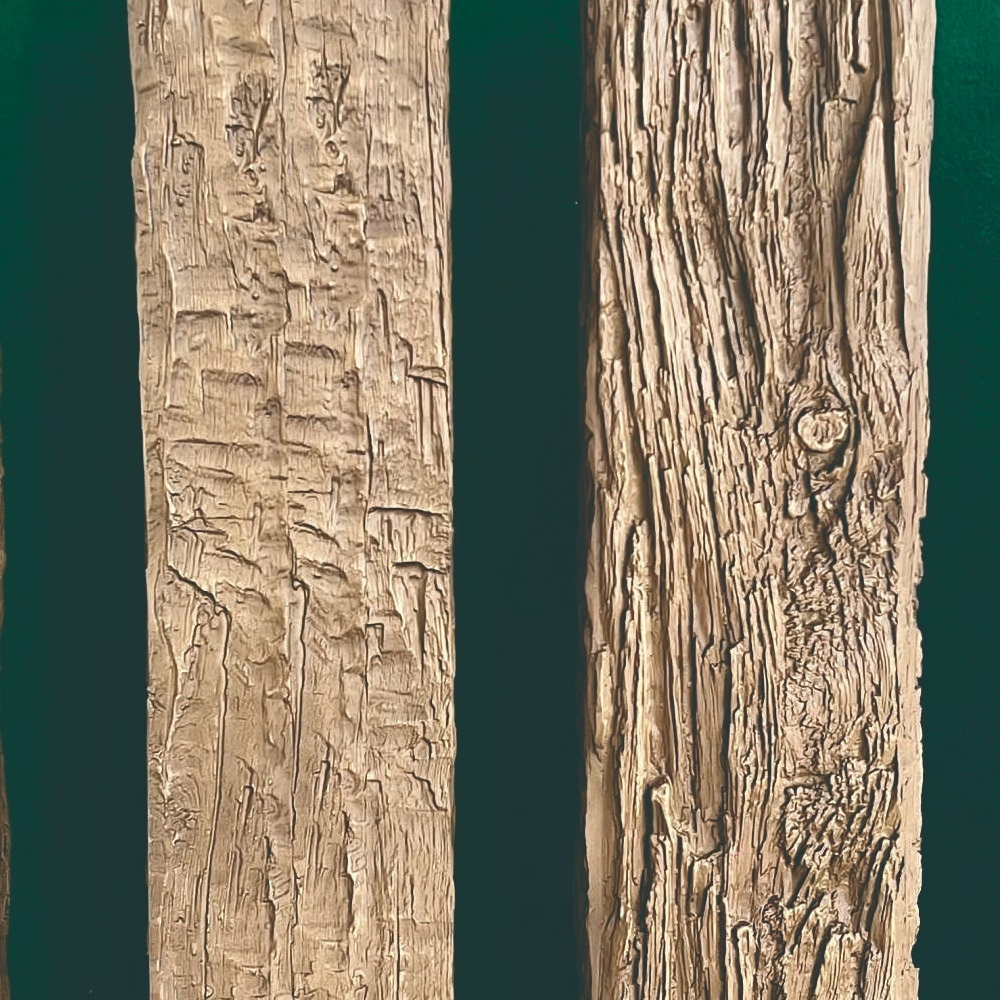
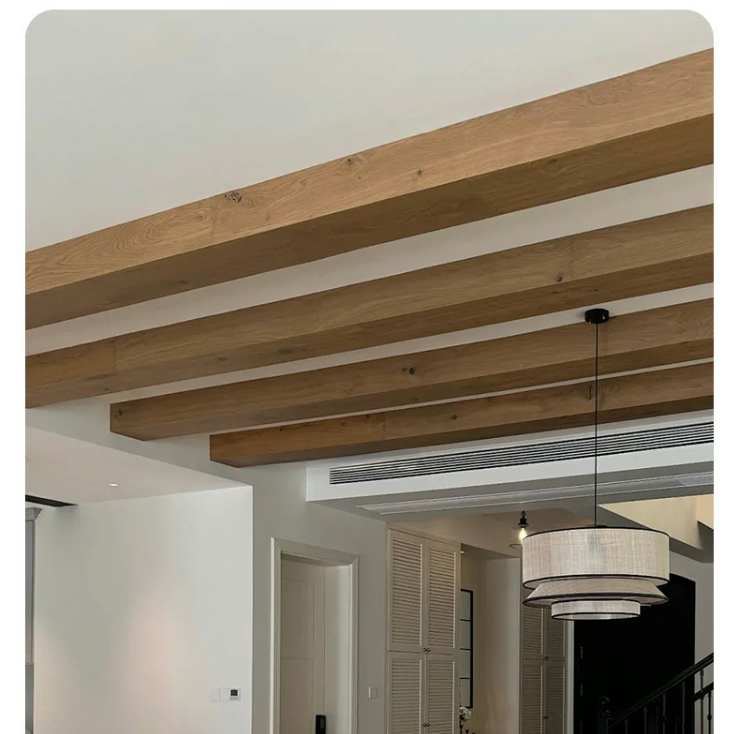
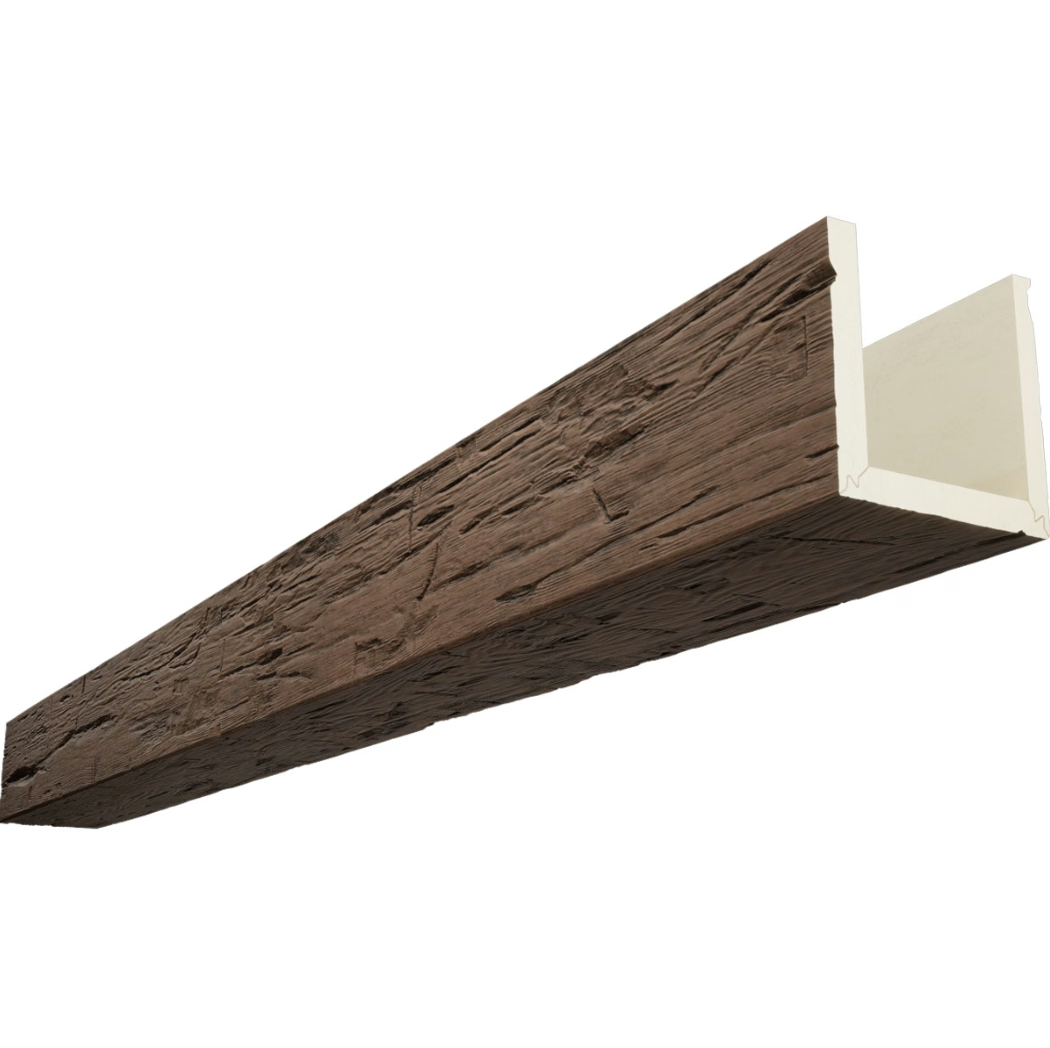
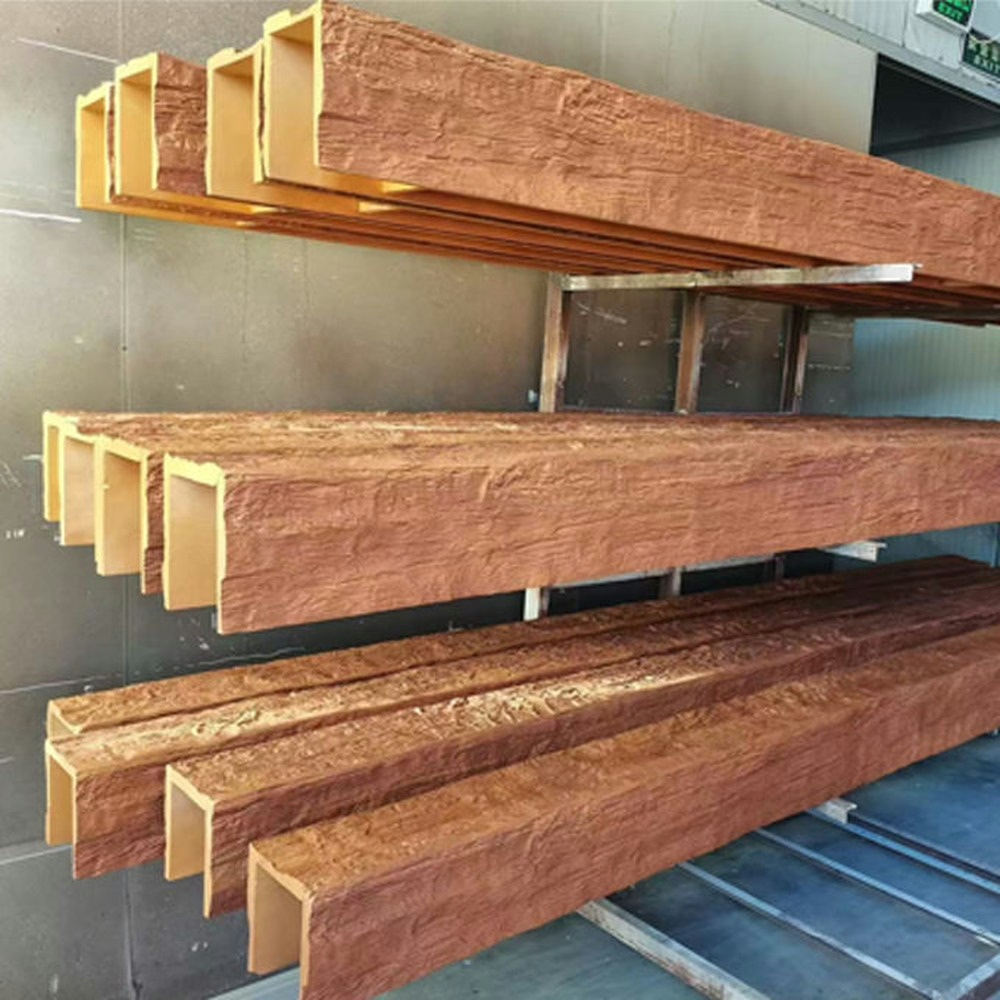
The hospitality industry has discovered what residential renovators already knew: polyurethane faux wood beams deliver dramatic visual impact without the structural limitations and maintenance demands of authentic timber. A boutique hotel chain recently completed renovations across twelve properties, replacing aging real wood beams that had warped, cracked, and required constant maintenance with modern polyurethane alternatives that look identical but perform infinitely better.
This cross-industry adoption reflects broader recognition that polyurethane technology has matured beyond simple wood imitation into sophisticated architectural products capable of satisfying demanding professional specifications. Whether specifying beams for a family home or a high-traffic restaurant, buyers now expect consistent quality standards that translate across application contexts.
Material Performance in Varied Environments
Commercial spaces present environmental challenges that exceed typical residential conditions, including elevated humidity levels, temperature extremes, and mechanical stress from HVAC systems and building movement. Polyurethane faux wood beams address these challenges through material formulations engineered specifically for demanding applications.
High-density polyurethane resists moisture absorption that causes natural wood to swell, warp, or develop mold problems. Restaurants, breweries, and healthcare facilities maintain humidity levels that stress authentic timber, yet polyurethane beams emerge unchanged after years of exposure. This dimensional stability proves essential in commercial applications where beam replacement disrupts operations and creates expense far exceeding original installation costs.
Fire resistance ratings matter significantly in commercial contexts where building codes impose strict requirements on interior finish materials. Quality polyurethane beams achieve Class A fire ratings when properly formulated and certified, satisfying insurance requirements and regulatory compliance that would exclude many natural wood products. Verify specific product certifications with manufacturers before specifying for commercial projects, as rating variations exist between formulations.
Temperature fluctuation tolerance addresses concerns in spaces with limited climate control or significant thermal swings between seasons. Unheated warehouses, outdoor covered areas, and buildings with inefficient HVAC systems subject ceiling beams to conditions that stress authentic wood but affect polyurethane minimally. This resilience translates directly to maintenance cost reductions and extended service life that justify initial material investments.
Design Flexibility for Diverse Aesthetic Goals
Residential and commercial applications share common design objectives—creating welcoming spaces with distinctive architectural character—but they often diverge in specific aesthetic requirements. Polyurethane beams accommodate both contexts through extensive style options that span traditional to contemporary design vocabularies.
Residential installations frequently emphasize warmth and authenticity, selecting beam styles that complement existing architectural features and furniture selections. Rustic beam profiles with pronounced grain patterns and weathered finishes suit farmhouse and cabin aesthetics. Clean-lined contemporary beams with minimal texture match modern and minimalist interior schemes. Colonial and traditional homes benefit from classic beam profiles with period-appropriate detailing that maintains architectural consistency.
Commercial spaces require design flexibility that accommodates brand identity requirements, industry expectations, and customer preferences across diverse market segments. Luxury hotels specify premium beams with hand-finished details that justify elevated room rates. Family restaurants select durable beams with forgiving finishes that mask wear from busy service schedules. Corporate offices choose sleek beams that reinforce professional image without appearing ostentatious.
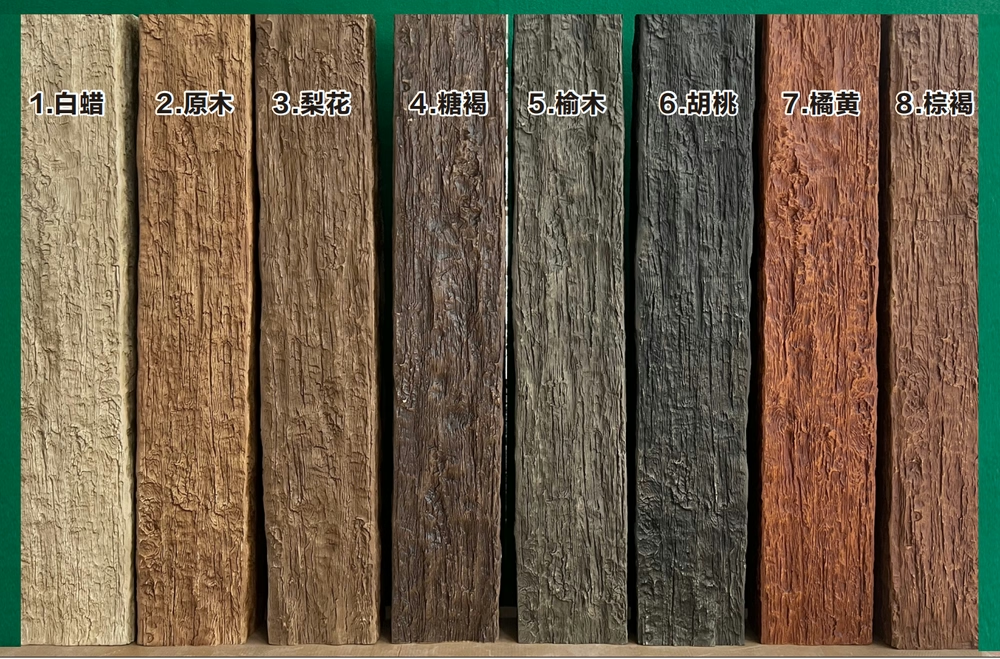
The ability to customize beam dimensions, finishes, and profiles enables architects and designers to achieve specific aesthetic outcomes that distinguish individual projects from competitors. Volume commercial projects benefit from standard product lines that deliver consistent results efficiently, while unique projects can specify custom manufacturing that precisely matches design intent without compromising on quality or authenticity.

Installation Considerations Across Project Types
Installation approaches adapt to project requirements that vary significantly between residential and commercial contexts. Single-family homes typically allow unhurried installation with careful attention to detail, while commercial projects often demand accelerated schedules that minimize business disruption while meeting opening deadlines.
Residential installation benefits from the ability to work around occupant schedules, typically proceeding room-by-room while homeowners temporarily relocate during particularly dusty phases. The lightweight nature of polyurethane beams simplifies handling through narrow doorways and stairwells common in existing homes, eliminating the equipment requirements that complicate heavy timber installation.
Commercial installations require coordination with ongoing operations or carefully planned shutdowns that maximize work efficiency within constrained timeframes. Installation teams must accommodate building schedules, customer traffic patterns, and staff activities while maintaining safety standards that protect both workers and building occupants. Pre-planning becomes essential, with materials staged and ready before installation crews arrive to minimize time on-site.
Structural support requirements differ between new construction and renovation contexts. New commercial buildings typically incorporate adequate ceiling framing to support beam loads, while renovation projects may require additional support structures that add cost and complexity. Polyurethane's lightweight nature reduces but does not eliminate support requirements, as building codes generally apply uniform load standards regardless of material weight.
Budget Planning Across Project Scales
Financial planning for commercial beam installations requires understanding cost structures that differ from residential projects. While per-unit material costs remain similar, commercial installations typically involve volume discounts, professional specification services, and installation methods that affect total project investment differently.
Material costs for commercial projects benefit from economies of scale when projects involve substantial beam quantities. Manufacturers offer pricing structures that reward volume purchases, with discounts ranging from 10% to 30% for orders exceeding typical residential quantities. These savings partially offset higher labor costs associated with commercial installation complexity and scheduling constraints.
Professional specification services add value in commercial contexts where building professionals coordinate multiple material selections across comprehensive renovation projects. Architects and interior designers charge fees for design development and document preparation that incorporate beam specifications, but they provide valuable coordination that prevents costly errors or incompatible selections.
Installation budgeting for commercial projects must account for business continuity costs that residential projects avoid entirely. Temporary closures, reduced service capacity, and customer inconvenience represent real costs that building owners weigh against renovation benefits. Efficient installation planning that minimizes these impacts delivers value beyond simple labor cost reduction.
Long-Term Value Considerations
Life-cycle cost analysis reveals advantages for polyurethane beams that extend beyond initial installation savings. Maintenance requirements, replacement frequency, and performance consistency over time all favor polyurethane over natural wood alternatives, particularly in demanding commercial applications.
Annual maintenance costs for natural wood beams include inspection, cleaning, minor repairs, and refinishing that typically total 2-5% of original material cost per year. Polyurethane beams eliminate these ongoing expenses, reducing maintenance budgets that building owners can redirect toward other property improvements. Over twenty-year periods common for commercial property holding, these savings substantially exceed initial material cost differences.
Replacement costs favor polyurethane even more decisively when considering disruption impacts in commercial contexts. Removing and replacing natural wood beams typically requires business closure periods, coordination with contractors, and potential customer displacement that extends far beyond actual installation time. Polyurethane's extended service life and minimal failure rate reduce replacement probability while simplifying the process when it becomes necessary.
Performance consistency over time maintains the aesthetic investment that building owners and operators make when installing beams. Natural wood gradually changes appearance through UV exposure, temperature cycling, and environmental factors that alter color, texture, and surface condition. Polyurethane maintains original appearance with minimal maintenance, preserving design intent throughout the property's service life.
Technical References
ASTM standards cited in every specification
Test Data
Lab results from internal testing program
Updated 2026
Reviewed against current product specs