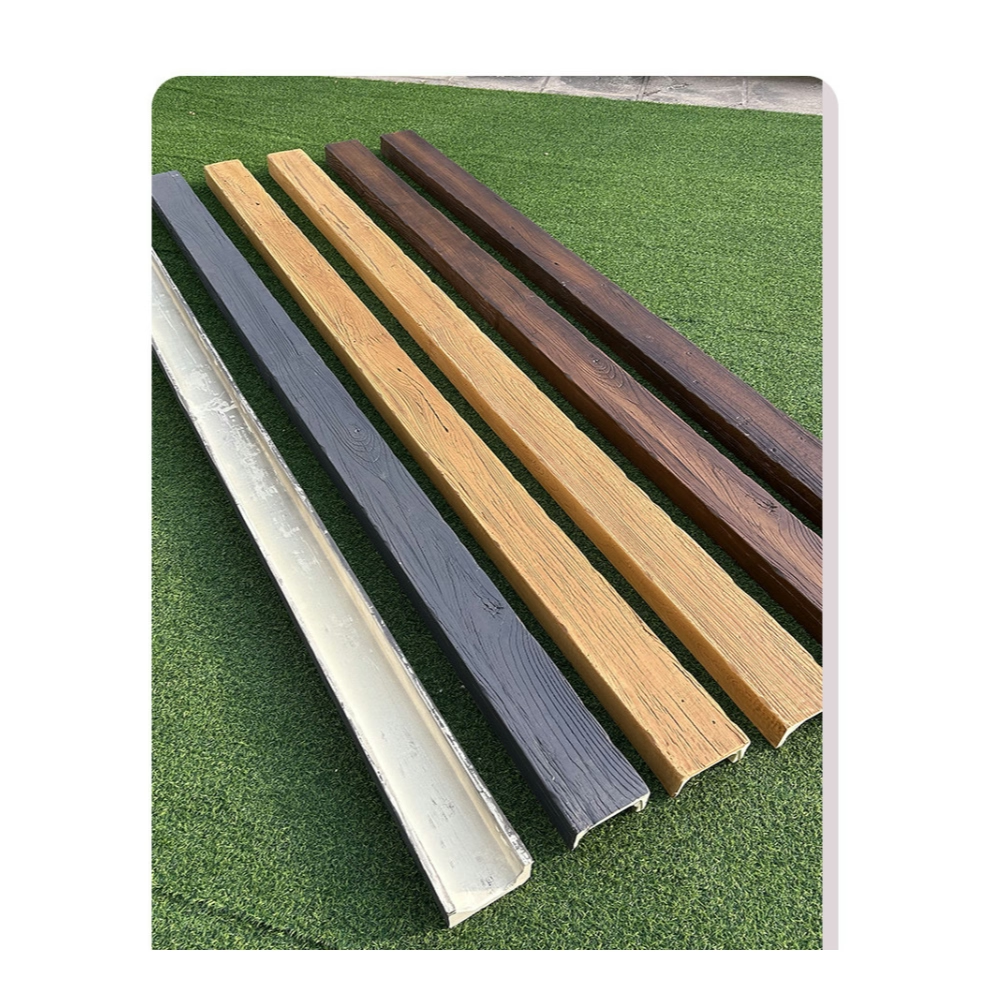
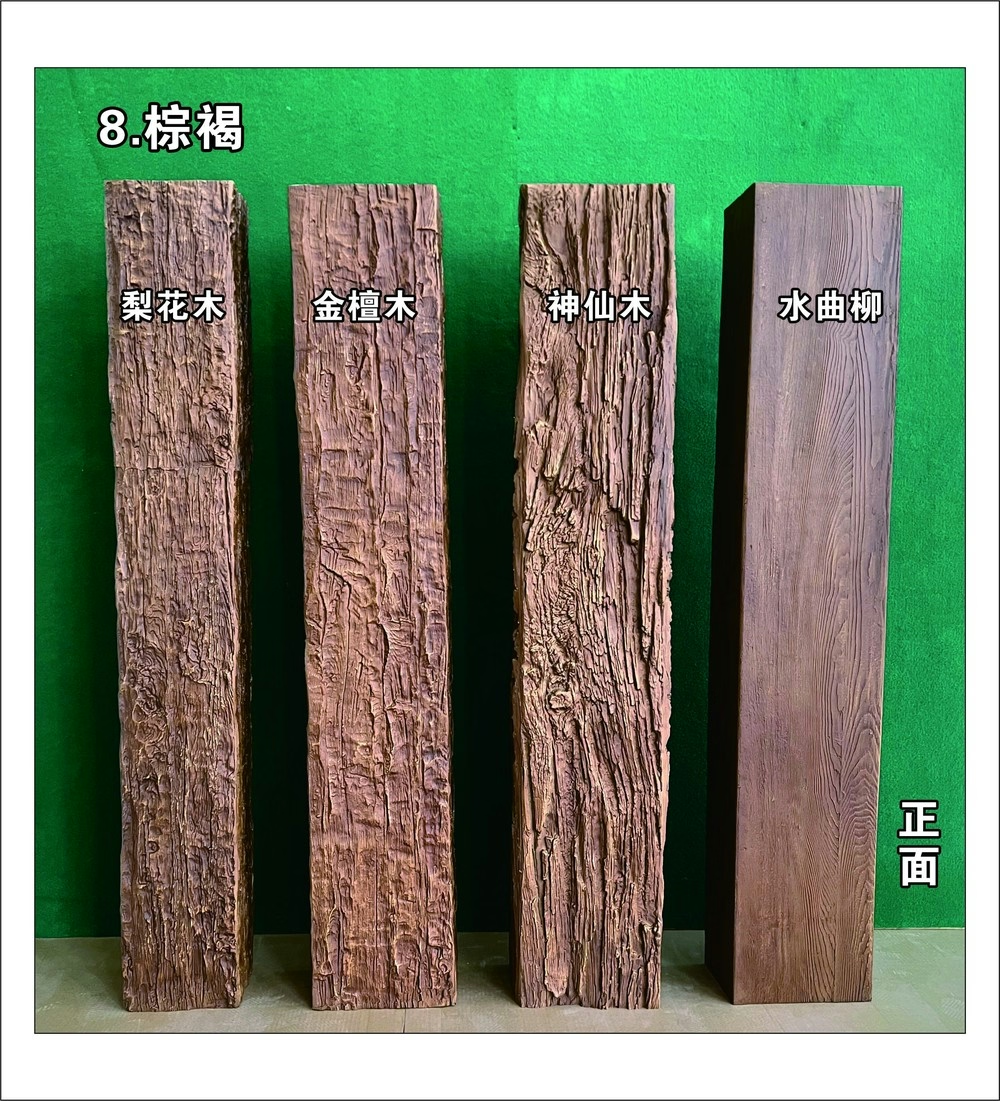
Even the most durable polyurethane faux wood beams occasionally suffer damage from impacts, settling, or accidental misuse. When these incidents occur, professional repair techniques restore original appearance without requiring complete replacement. Understanding repair options empowers property owners to address problems quickly and effectively.
The Hendersons learned this lesson when a moving company's carelessness left their living room beams sporting several deep gouges and one corner crushed entirely. Rather than accepting damage or funding expensive replacement, they researched repair techniques and discovered that polyurethane's workability enables professional-quality repairs that become invisible after proper finishing. Their restored beams now show no evidence of the damage that initially seemed catastrophic.
Assessing Damage Severity
Professional repair begins with accurate damage assessment that determines appropriate remediation strategies. Not all damage requires identical treatment, and over-repairing minor issues wastes time and materials while under-repairing serious damage leads to treatment failure.
Superficial surface damage includes scratches, scuffs, and minor abrasions that affect only the visible finish layer without compromising underlying structure. These issues typically require only cosmetic treatment that restores appearance without structural attention. Surface damage commonly results from furniture movement, cleaning activities, or light impacts that mark but do not penetrate beam surfaces.
Moderate damage penetrates through finish layers into polyurethane substrate, creating visible voids, dents, or chips that expose underlying material. This damage requires fill repair that replaces missing material before refinishing, but the structural integrity of remaining material typically remains adequate. Moderate damage commonly results from significant impacts or heavy object contact with beam surfaces.
Severe damage compromises structural integrity through cracks, crushing, or material loss that affects load-bearing capacity. This damage may require partial beam replacement or structural reinforcement alongside cosmetic repair. Severe damage typically results from extreme impacts, building settling, or water damage that weakens material beyond cosmetic treatment.
Surface Scratch and Scuff Removal
Minor surface damage responds to simple treatment methods that restore appearance without extensive repair work. These techniques address cosmetic issues that affect beam aesthetics without threatening structural integrity.
Polishing compounds suitable for polyurethane surfaces remove light scratches and scuffs through controlled abrasion that levels surrounding surfaces. Apply compounds with soft cloths using circular motions, working from coarse to fine grits as scratch severity demands. This process gradually removes surface material until scratch depth becomes negligible, then polishing restores original sheen.
Touch-up markers and pigments designed for polyurethane surfaces address discoloration that accompanies surface damage. These products deposit color in damaged areas that absorb pigment differently than surrounding surfaces, reducing visual contrast while protecting exposed material from environmental degradation. Select colors that match surrounding surfaces and apply sparingly, building coverage gradually.
Clear protective coatings restore shine and provide ongoing protection for repaired surfaces. After cleaning and color matching damaged areas, apply thin clear coats that blend repair areas with surrounding surfaces. Multiple thin coats produce better results than single heavy applications, with drying time between coats ensuring proper adhesion and leveling.

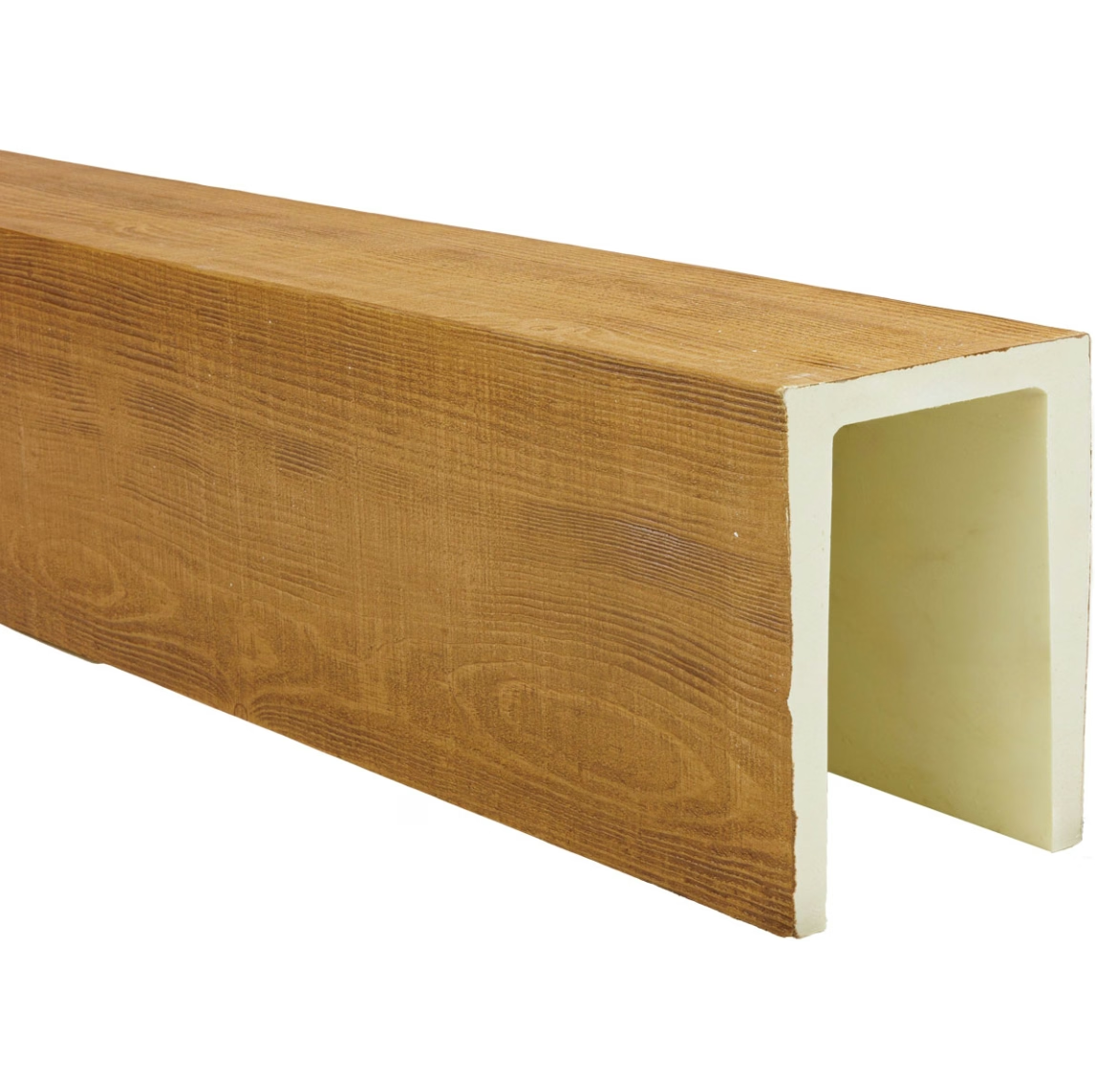
Dent and Chip Repair Techniques
Moderate damage requiring material replacement demands filling compounds that bond to polyurethane substrates while accepting finishing treatments. Selecting appropriate filling compounds and applying them correctly ensures durable repairs that match surrounding surfaces.
Automotive body fillers provide excellent repair materials for polyurethane beams, offering easy application, good adhesion, and excellent finishing characteristics. Two-part polyester fillers cure quickly and accept sanding, shaping, and finishing without cracking or shrinking. Apply fillers slightly proud of surrounding surfaces, allowing material for shaping during sanding while avoiding air pockets that create voids.
Epoxy-based fillers offer superior bonding and durability for repairs in high-stress locations or areas exposed to environmental variation. These materials bond chemically to polyurethane substrates while providing structural reinforcement that resists future damage. Epoxy formulations require careful mixing and longer cure times than polyester alternatives, but the resulting repairs prove more durable.
Application technique determines repair quality regardless of filler selection. Clean damaged areas thoroughly before applying fillers, removing dust, debris, and loose material that compromises adhesion. Apply fillers in thin layers when filling deep damage, allowing each layer to cure before applying subsequent layers. This approach prevents sagging, cracking, and incomplete curing that affects single-thick applications.
Crack Repair and Structural Reinforcement
Severe damage involving cracks or structural compromise requires repair approaches that address underlying issues while restoring appearance. These repairs demand more extensive preparation and materials but enable salvage of beams that might otherwise require replacement.
Crack repair begins with evaluating crack extent and determining whether damage reflects isolated impact or ongoing structural problems. Assess whether beams move or flex under normal conditions, indicating stress that will reopen repairs if left unaddressed. Stabilize structural issues before cosmetic repair, potentially requiring additional mounting hardware or support reinforcement.
Routing cracks to create clean geometric repair surfaces improves filler adhesion and durability. Use sharp chisels or routing tools to widen cracks into V-grooves or rectangular channels that provide mechanical keys for filler material. This preparation increases surface area for bonding while creating positive shapes that resist separation under stress.
Reinforcement using fiberglass mesh or metal strips provides structural support that distributes stress across larger areas. Embed reinforcement materials in filler compounds during repair, positioning them to span damaged zones and transfer loads to undamaged sections. This approach enables repairs that withstand stress levels approaching original beam capacity.
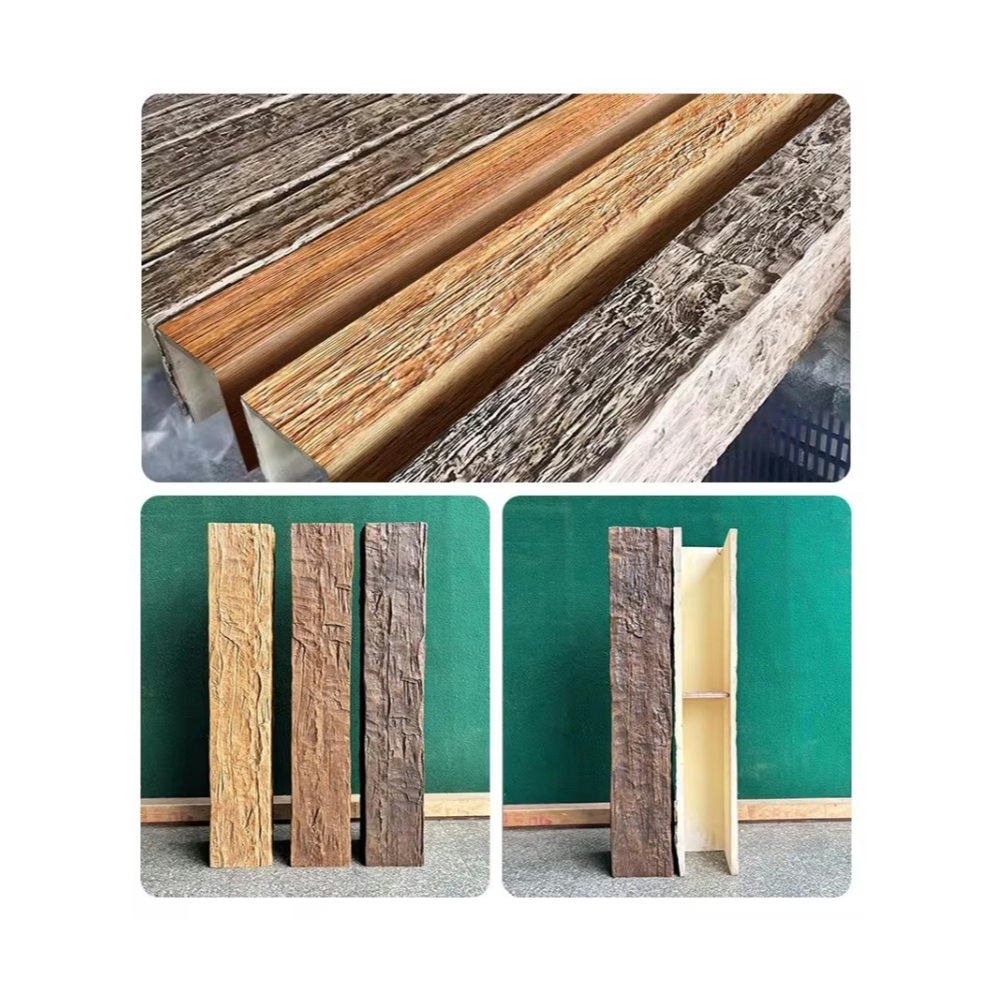
Color Matching and Finishing
Successful repairs become invisible when color matching and finishing techniques blend repaired areas with surrounding surfaces. These final steps determine whether repairs satisfy aesthetic expectations or remain visible reminders of past damage.
Color matching begins with identifying original finish type and applying appropriate coloring products. Polyurethane beams receive various finishes including paint, stain, and reactive finishes that interact with base materials differently. Understanding original finishes guides product selection for color matching repairs.
Layered application builds color gradually, allowing assessment between applications and preventing over-application that creates obvious patched areas. Apply thin color coats allowing drying between applications, building toward surrounding color density rather than attempting single-coverage matches. This approach provides control that prevents common matching errors.
Texture matching recreates surface characteristics that distinguish authentic wood appearance from smooth plastic imitations. After color matching, apply texture using techniques appropriate to surrounding surfaces—graining tools for wood patterns, stippling for rough textures, or subtle sanding for smooth surfaces. Texture application should feather into surrounding areas rather than creating obvious boundaries.
Sealant application protects repairs while blending finishes that differ slightly from surrounding surfaces. Clear topcoats unify appearance and provide durability that matches original finishes. Apply sealants using techniques matching original application methods, typically spraying for smooth finishes or brushing for textured surfaces.
Technical References
ASTM standards cited in every specification
Test Data
Lab results from internal testing program
Updated 2026
Reviewed against current product specs