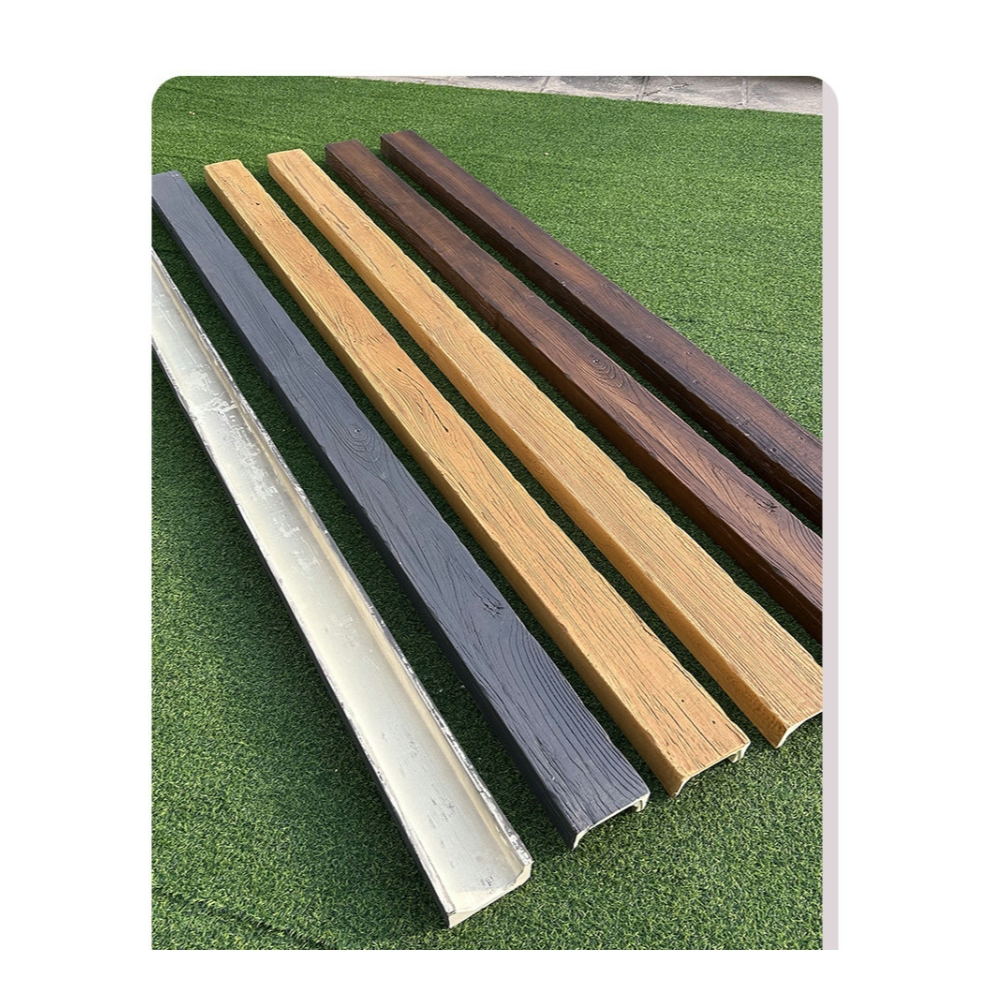
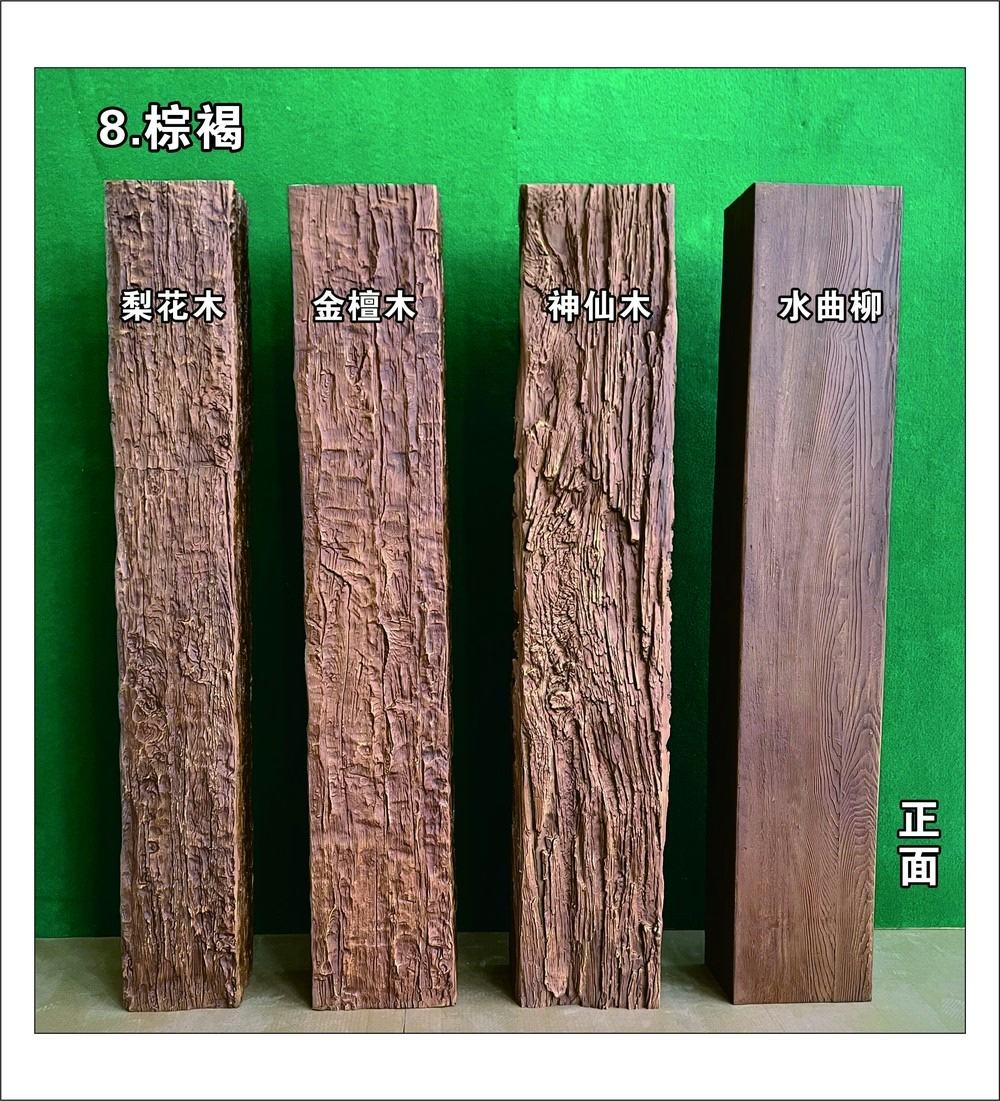
When installers need to customize polyurethane faux beams for angled ceiling intersections, notched around obstacles, or trimmed to exact field dimensions, the router becomes the most versatile tool in their arsenal. However, not all router bits perform equally when encountering polyurethane's unique composition, and selecting inappropriate tooling leads to tear-out, melting, or ragged edges that undermine the professional appearance these products are designed to deliver.
Understanding polyurethane's material properties guides bit selection decisions more effectively than following generic woodworking recommendations. Unlike natural timber, polyurethane lacks fibrous grain structure that directs chip flow, instead offering uniform density that can pack against bit edges if cutting speeds prove excessive. The material also softens when heated through extended cutting, potentially causing the edge to grab rather than slice cleanly.
Carbide Versus High-Speed Steel Considerations
High-speed steel bits appeal to budget-conscious installers, but polyurethane's abrasiveness accelerates dulling faster than with natural wood, requiring frequent sharpening intervals that offset initial cost savings. Solid carbide bits maintain sharper edges through extended cutting sessions and resist the heat buildup that causes Polyurethane to stick to bit surfaces, making them the professional choice for any substantial project involving multiple beam cuts or complex profiling work.
Carbide-tipped bits offer a practical middle ground, featuring welded carbide inserts on the cutting edges where wear concentrates. These bits balance cutting performance with affordability, though installers must monitor insert integrity and replace bits when tips show visible wear or chip damage. Premium insert geometries designed specifically for composite materials include polished faces that reduce friction and specialized rake angles that lift chips away from the cut rather than recutting them.
Bit Profile Types and Applications
Straight bits serve as the foundation tool for most beam end modifications, available in diameters ranging from 6mm for light trimming to 25mm for substantial material removal. Double-flute configurations provide smoother cuts in polyurethane than single-flute designs, which tend to chip aggressively at higher feed rates. When trimming beam ends perpendicular to the face, a down-spiral bit pulls chips downward into the workpiece, keeping the visible surface clean and preventing airborne debris from settling into unfinished areas.

For chamfered beam ends that integrate with mitered corner joints, 45-degree chamfer bits create clean beveled edges that mimic traditional timber joinery. Adjustable chamfer bits allow fine-tuning of the bevel angle to match specific installation requirements, while decorative chamfer profiles with small fillets soften the edge transition for a more refined appearance. Inlaying beams around ceiling obstacles often requires cove bits to create recessed areas that accommodate electrical boxes, junction fittings, or structural elements without compromising the overall aesthetic.
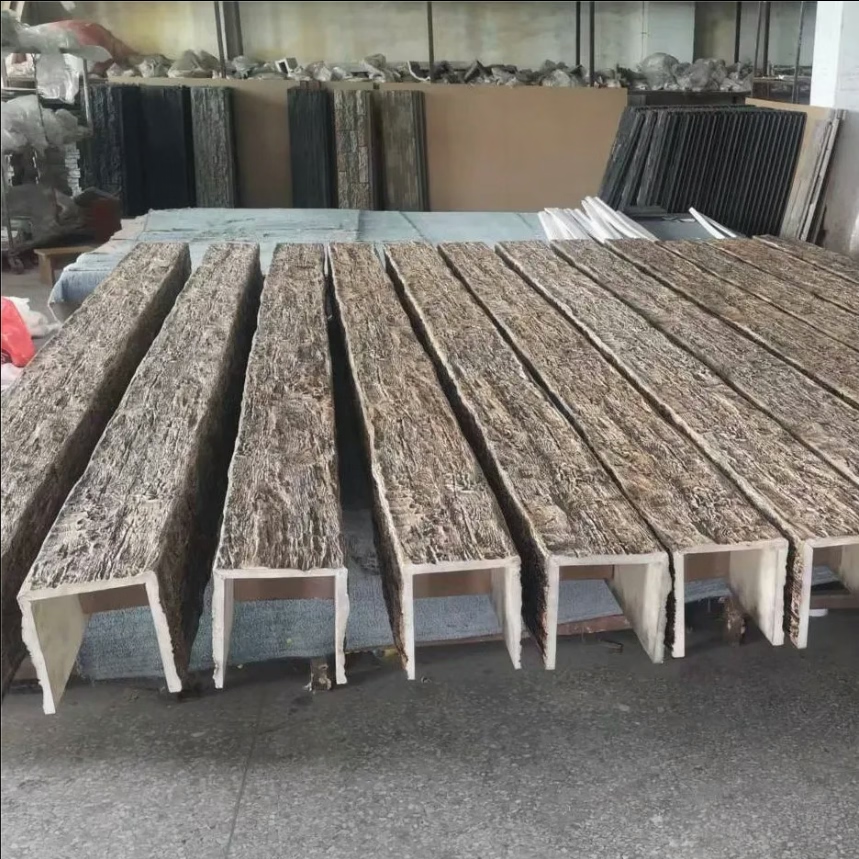
Router Speed and Feed Rate Optimization
Bit selection remains incomplete without corresponding attention to router speed settings, which must balance cutting efficiency against heat generation. Polyurethane responds well to higher router speeds than hardwoods, typically performing best between 18,000 and 24,000 RPM for bits under 12mm diameter, with lower speeds appropriate for larger tooling where peripheral velocity increases proportionally.
Feed rate directly influences surface finish quality, with slow movement causing heat buildup and excessive material melting along the cut edge. Professional installers develop intuitive feel for appropriate feed rates by listening to motor load and observing chip evacuation, maintaining steady forward progress that produces clean chips rather than powdery residue. When chip color darkens or the workpiece emits noticeable heat, reducing feed rate or increasing step-over depth distributes cutting forces more favorably.
Specialized Bits for Decorative Profiles
Authentic timber beams feature decorative end treatments including decorative corbels, tongue-and-ghalf end caps, and curved profile transitions that require specialized bit configurations. Ogee bits create the S-shaped curves characteristic of traditional beam corbels, while Roman ogee profiles suit applications demanding more formal detailing. These complex profiles benefit from bit sets that rough out the general shape before refined bits complete the final profile, preventing excessive single-pass material removal that strains router motors and degrades cut quality.
Ball-end bits produce the rounded recesses and concave details found in beams designed to appear centuries old, with weathering effects created through controlled passes that leave slightly irregular surfaces. When matching existing timber beams in renovation projects, installers may need to create custom profile bits from carbide blanks, a specialized capability that enables perfect matching of architectural details that standard tooling cannot replicate.
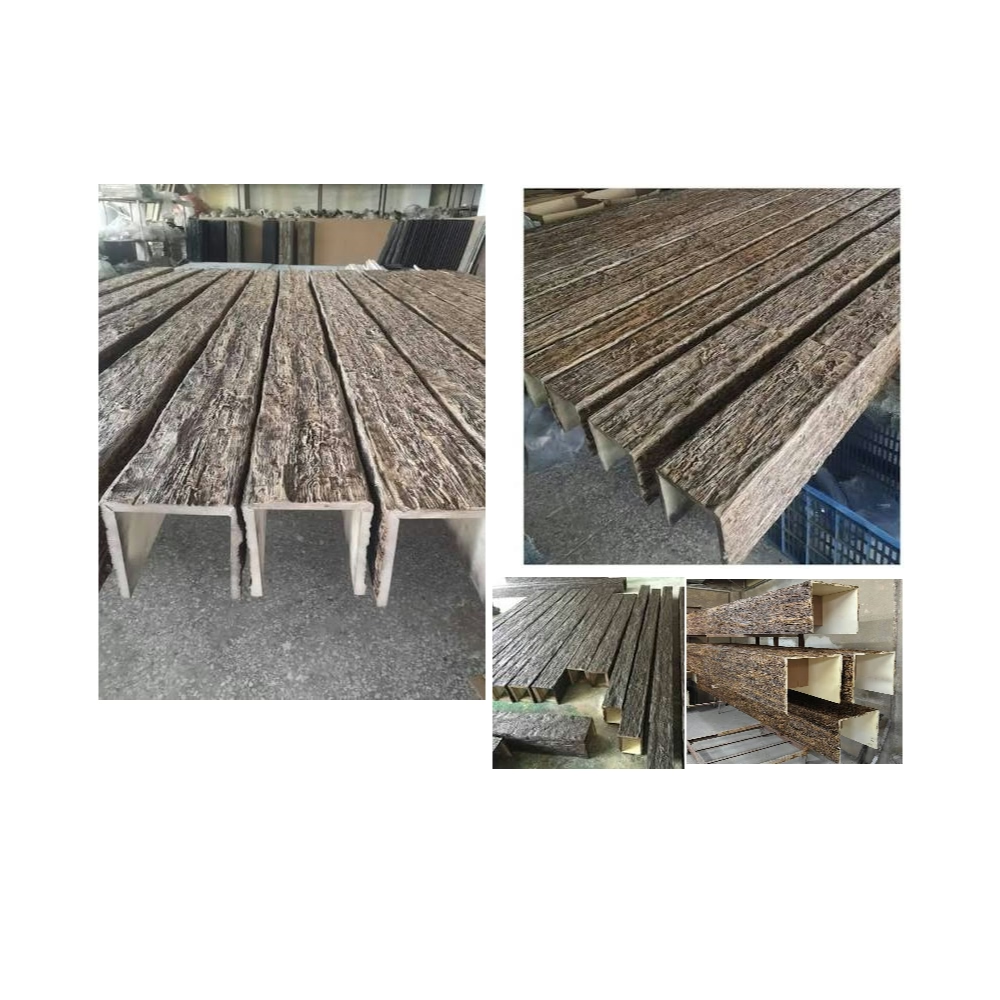
Bit Maintenance and Storage Practices
Protecting investment in quality carbide bits requires consistent maintenance and proper storage between uses. Compressed air removes polyurethane residue from bit flutes after each work session, followed by wiping blades with solvent-dampened cloth to eliminate any material that could attract moisture or accelerate corrosion. Storing bits in protective cases or organized holders prevents edge damage from contact with other tools and maintains bit organization for quick selection on subsequent projects.
Regular inspection under magnification identifies potential issues before they cause problems, with dull or damaged bits immediately removed from service and sent for professional sharpening. Establishments performing high-volume beam customization benefit from maintaining multiple identical bits in rotation, ensuring fresh tooling availability while allowing adequate time for sharpening turnaround without disrupting project schedules.
Technical References
ASTM standards cited in every specification
Test Data
Lab results from internal testing program
Updated 2026
Reviewed against current product specs