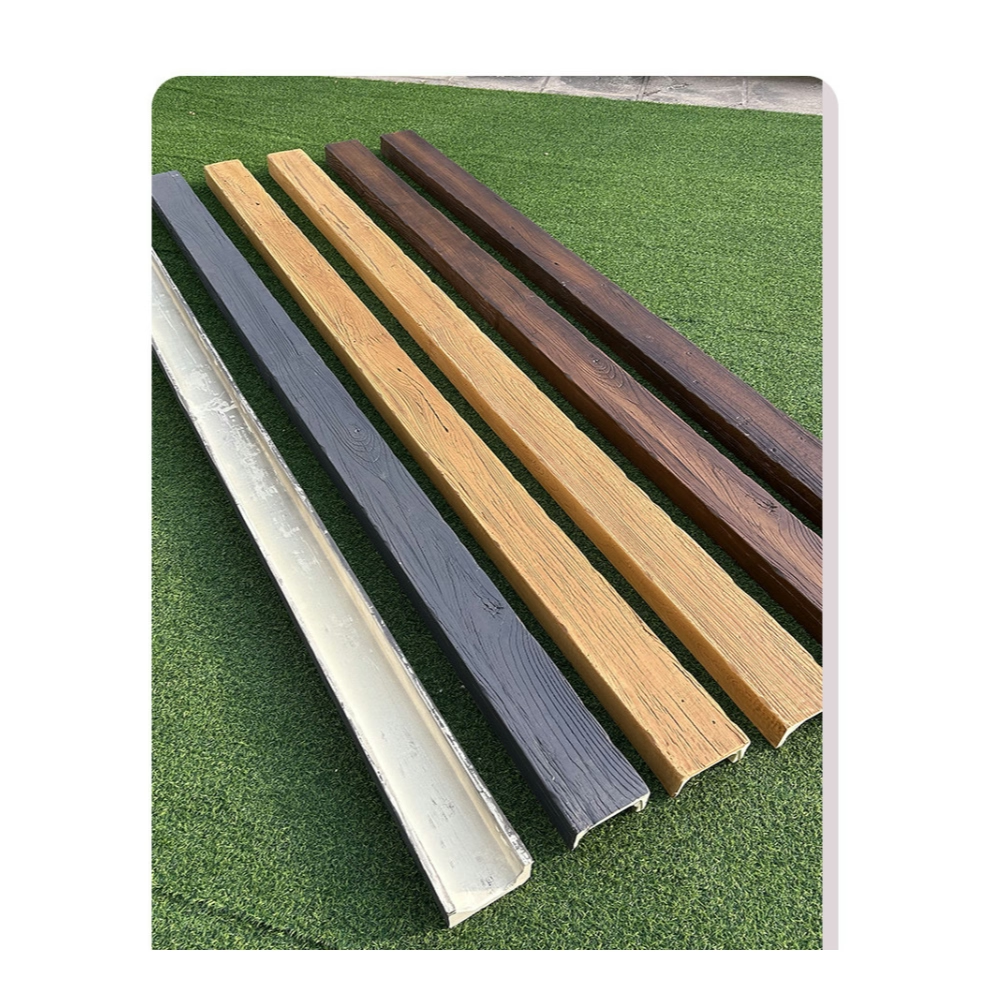
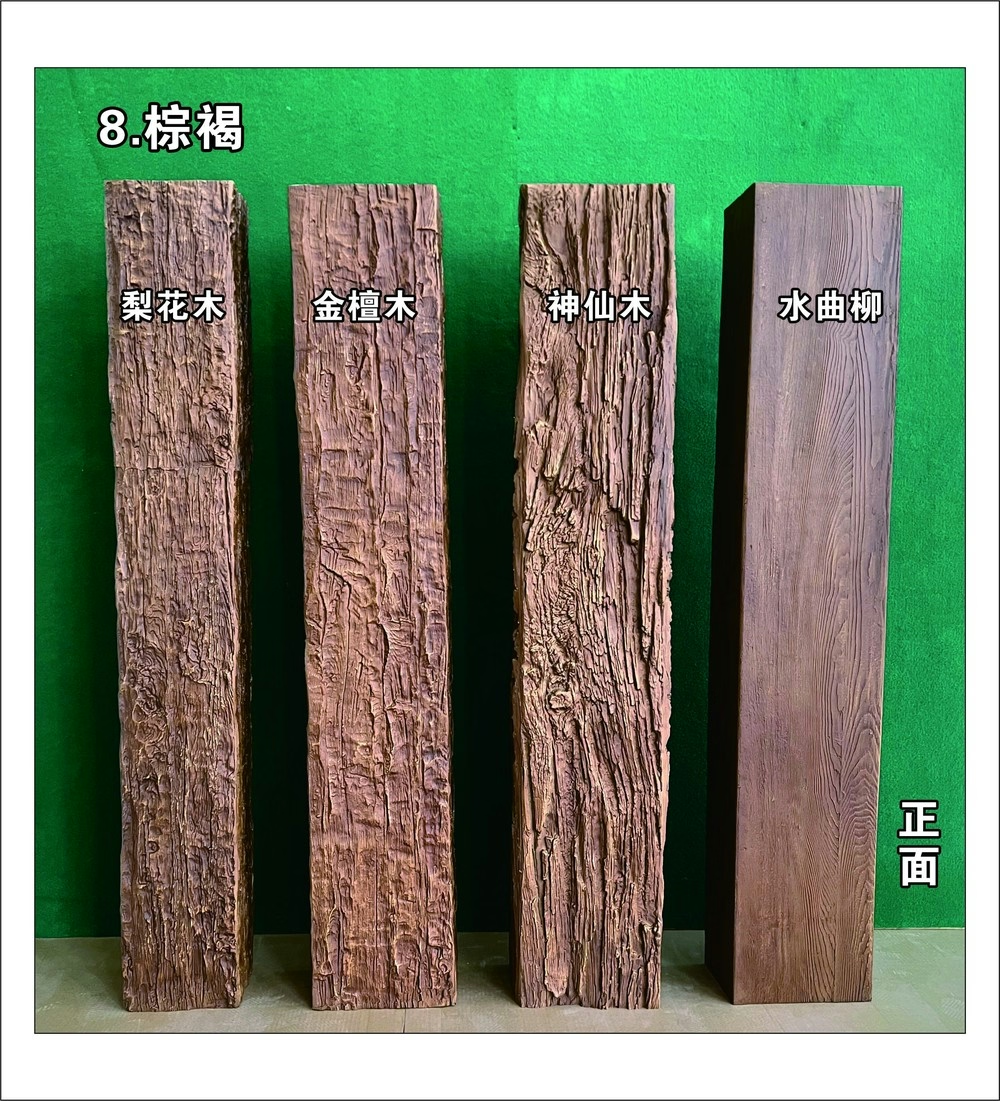
Working overhead to install faux beams presents hazards that claim lives in the construction industry every year, yet these incidents remain largely preventable through disciplined adherence to established safety practices. Polyurethane faux beams offer significant safety advantages over natural timber alternatives—their lightweight composition reduces strain and simplifies handling—but these benefits disappear entirely if installers compromise safety procedures to leverage the reduced weight. Professional installation companies recognize that incident prevention requires constant vigilance regardless of how manageable individual tasks might seem.
Before any overhead work begins, project managers should conduct formal hazard assessments identifying specific risks associated with the ceiling height, obstruction patterns, and available access routes. These assessments inform equipment selection, procedural requirements, and staffing decisions that collectively minimize exposure to falling hazards throughout the installation process.
Access Equipment Selection and Inspection
Appropriate access equipment forms the foundation of safe overhead work, with selection driven by ceiling height, beam length, and workspace configuration. Step ladders suffice for ceiling heights up to approximately three meters when working with shorter beam sections that two-person teams can manage safely. Platform ladders provide broader standing platforms and handrails for extended overhead exposure, reducing fatigue-related incident risk during lengthy installations.
Scissor lifts and articulating boom lifts become necessary when ceiling heights exceed safe ladder reach or when beams exceed six meters in length and require controlled positioning during installation. All mobile elevated work platforms must receive daily pre-use inspection covering platform controls, guardrail integrity, outrigger operation, and emergency lowering functionality. Defective equipment should be immediately removed from service and tagged to prevent accidental use.

Regardless of equipment type, inspection protocols must verify footpad condition, locking mechanisms, and any signs of structural damage or corrosion that might compromise load capacity. Company equipment management systems should track inspection dates and maintain records demonstrating compliance with regulatory requirements and insurance conditions.
Fall Protection System Requirements
Personal fall arrest systems become mandatory when work surfaces exist more than two meters below the working platform, with exact threshold values varying by jurisdiction but consistently representing significant injury potential. Full body harnesses with shock-absorbing lanyards anchor to structural elements capable of withstanding sudden arrest loads, which can exceed 1,800 kilograms force during a fall event. Installing crews must identify and mark suitable anchor points before commencing overhead work.
Harnesses should fit properly with all buckles fastened and straps properly routed through retention loops that prevent equipment from shifting during work activities. Lanyard length calculations must account for deceleration distance and harness extension, ensuring that falls result in suspended positioning rather than impact with lower surfaces. Regular harness inspection verifies webbing integrity, D-ring condition, and energy absorber activation indicators that confirm proper function.
Material Handling From Elevated Positions
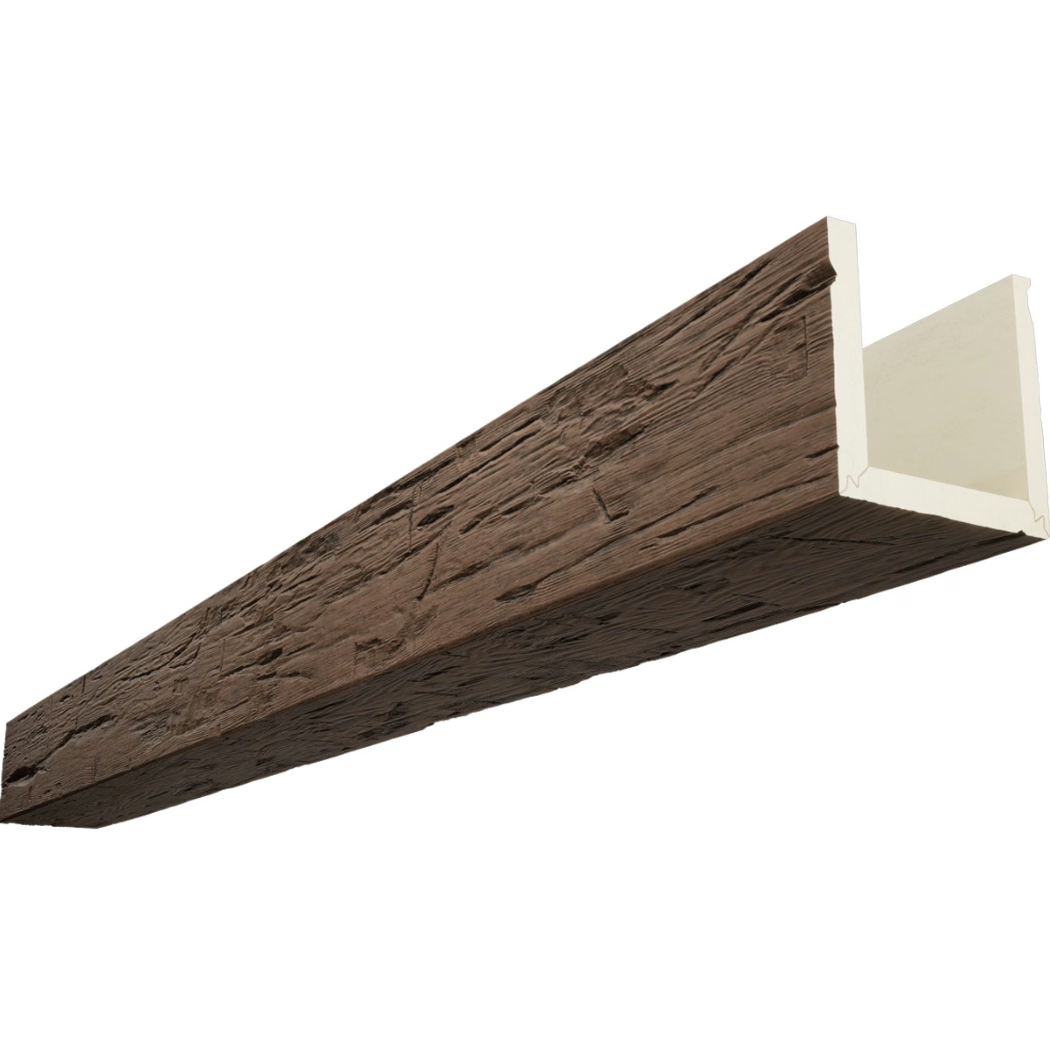
Passing beams from ground level to overhead workers introduces coordination hazards that cause both struck-by and fall-from-height incidents. Professional crews establish clear communication protocols, typically using predetermined signals for requests, acknowledgments, and stop commands. No beams should move while workers below or adjacent remain in transit positions where they might be struck by swinging or dropped materials.
Lightweight polyurethane beams reduce but do not eliminate handling risks, and wind effects on longer sections can create control difficulties that challenge even experienced installers. Securing beams with attachment straps or positioning lines during lifting operations provides secondary retention that prevents complete loss of control if primary grip fails. Ground-based spotters should monitor beam movement and warn of approaching obstacles or personnel entering the lift zone.
Workspace Organization and Housekeeping
Cluttered work platforms and cluttered ceiling spaces create trip hazards and obscure recognition of genuine dangers. Professional installers maintain disciplined housekeeping practices, removing packaging materials, tools no longer in use, and debris accumulation before these accumulate to hazardous levels. Material staging on platforms should position heavy items low and toward ladder access points, preserving stable center of gravity throughout the work session.
Extension cords, air lines, and temporary wiring require proper routing and securing to prevent entanglement with installers or interference with beam positioning. Ceiling cavities and soffit spaces often contain electrical wiring, HVAC components, or structural elements that installers must identify and respect throughout the project duration. Pre-installation surveys documenting obstacle locations enable workers to anticipate rather than discover hazards during actual installation.
Weather and Environmental Considerations
Outdoor installations introduce environmental factors that indoor work never encounters, including wind loading on exposed beams, precipitation creating slippery surfaces, and temperature extremes affecting both materials and personnel. Wind speeds exceeding 25 kilometers per hour typically warrant suspension of overhead installation activities, as gust effects on long beam sections create unpredictable control situations that can exceed even experienced installers' reaction capabilities.
Cold temperatures reduce grip effectiveness and accelerate hypothermia onset in stationary workers, while excessive heat increases fatigue rates and dehydration risk. Scheduling demanding overhead work during moderate temperature windows and ensuring adequate hydration breaks protects worker wellbeing while maintaining productivity. Extreme weather contingency planning should identify trigger conditions for work suspension and procedures for securing incomplete installations against weather damage.
Technical References
ASTM standards cited in every specification
Test Data
Lab results from internal testing program
Updated 2026
Reviewed against current product specs