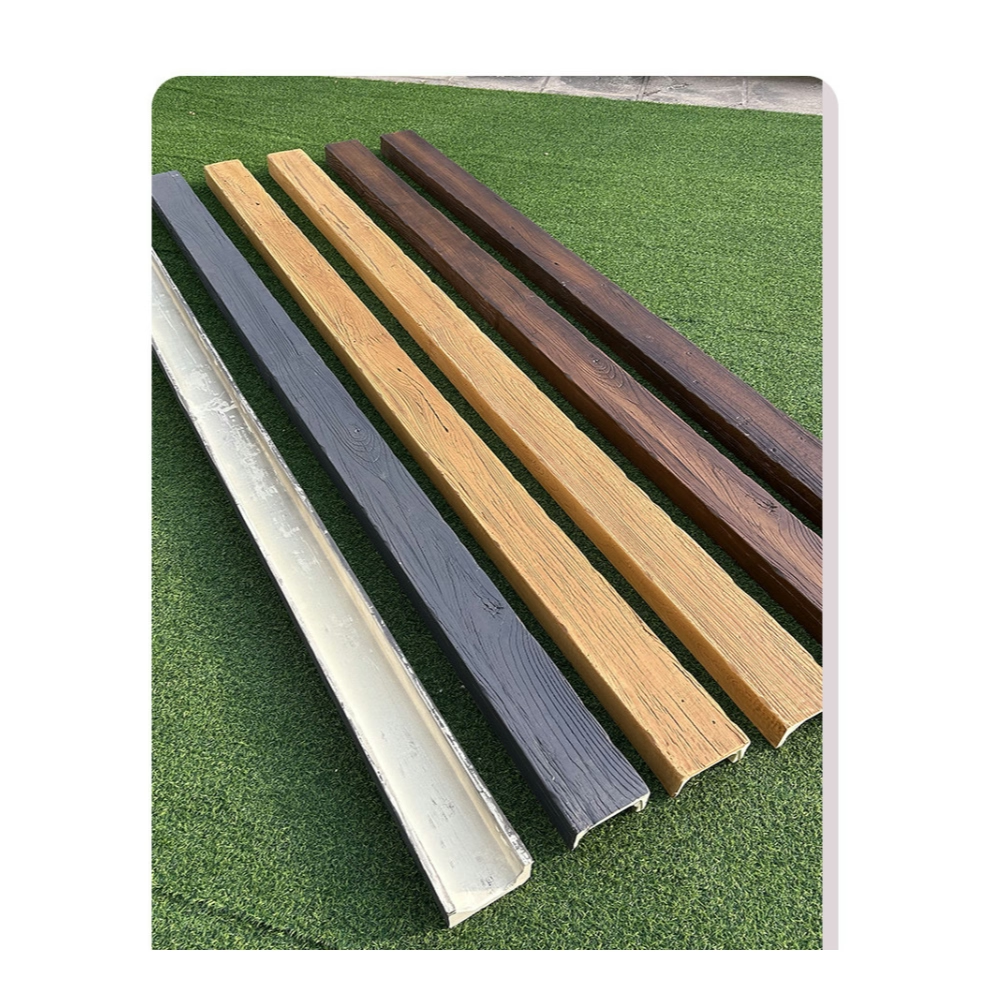
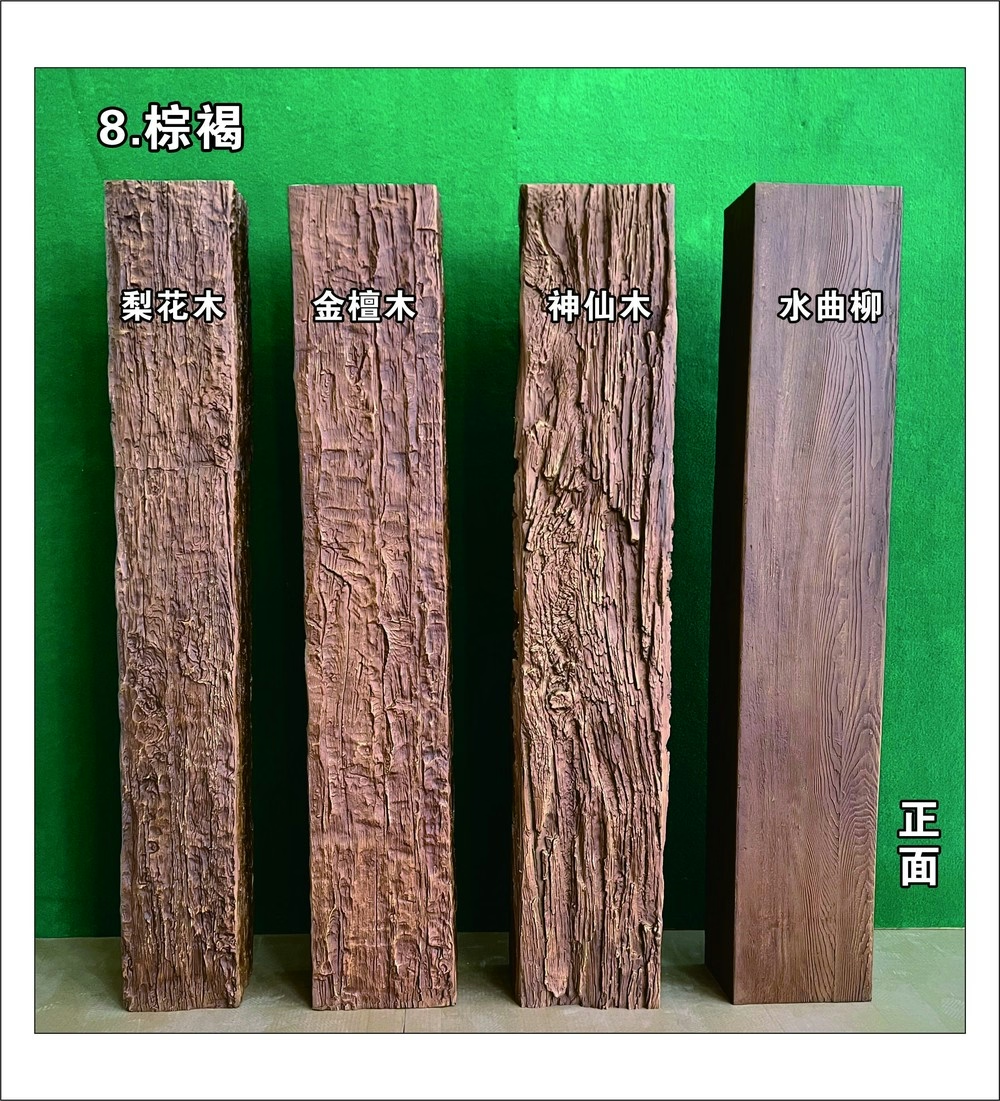
Outdoor installations subject faux wood beams to environmental stresses far exceeding interior conditions, requiring sealing strategies that account for UV radiation, precipitation, temperature extremes, and biological threats. Without appropriate protection, even premium polyurethane products can degrade prematurely, undermining the investment that beam installations represent.
The Martinez family invested significantly in covered patio beams designed to extend their outdoor living season while adding architectural character to their backyard retreat. Initially satisfied with the appearance, they noticed surface changes within eighteen months—chalking, color fading, and texture degradation that transformed their beautiful beams into weathered eyesores. The problem stemmed from assuming interior sealing products would suffice for exterior applications.
Understanding Exterior Environmental Challenges
Outdoor beam installations face degradation mechanisms that differ fundamentally from interior conditions, demanding sealing approaches specifically formulated for exterior exposure. Identifying these challenges guides sealer selection and application strategies.
Ultraviolet radiation represents the most significant environmental threat to exterior beam finishes. UV energy breaks down chemical bonds in coatings and substrate materials, causing chalking, fading, and surface degradation that compromise both appearance and protection. Extended sun exposure accelerates damage that cloud cover or shade structures delay but cannot prevent indefinitely.
Moisture exposure in various forms—rain, humidity, condensation, irrigation overspray—penetrates unsealed surfaces and initiates degradation processes including hydrolysis, mold growth, and physical damage from freeze-thaw cycles. Even covered outdoor installations experience moisture exposure through wind-driven rain, humidity fluctuations, and condensation that require appropriate sealing to address.
Temperature cycling creates expansion and contraction stresses that degrade poorly-adhered coatings and expose substrate materials to environmental attack. Seasonal temperature swings common in most climates subject beam surfaces to repeated stress cycles that accumulate into visible degradation over time.
Sealer Selection Criteria
Choosing appropriate sealers requires matching product characteristics to installation conditions, environmental exposure levels, and performance expectations. Not all sealers suitable for other applications provide adequate exterior performance.
UV-resistant formulations incorporate stabilizers that absorb or reflect ultraviolet radiation before it damages underlying materials. Acrylic urethanes, solvent-based polyurethanes, and marine-grade finishes typically provide superior UV resistance compared to interior-focused products. Verify UV resistance ratings and recommended applications before purchasing.
Flexibility accommodates thermal movement without cracking or peeling that exposes substrate materials. Premium exterior sealers maintain adhesion through temperature cycles that cause substrate expansion and contraction, using flexible resin systems that move with underlying materials. This flexibility prevents common failure modes that plague rigid coating systems.
Water repellency creates surfaces that shed moisture rather than absorbing it, preventing the moisture intrusion that leads to degradation. Silicone, fluoropolymer, and specialized water-repellent additives enhance sealer performance against precipitation exposure, reducing maintenance requirements while extending service life.

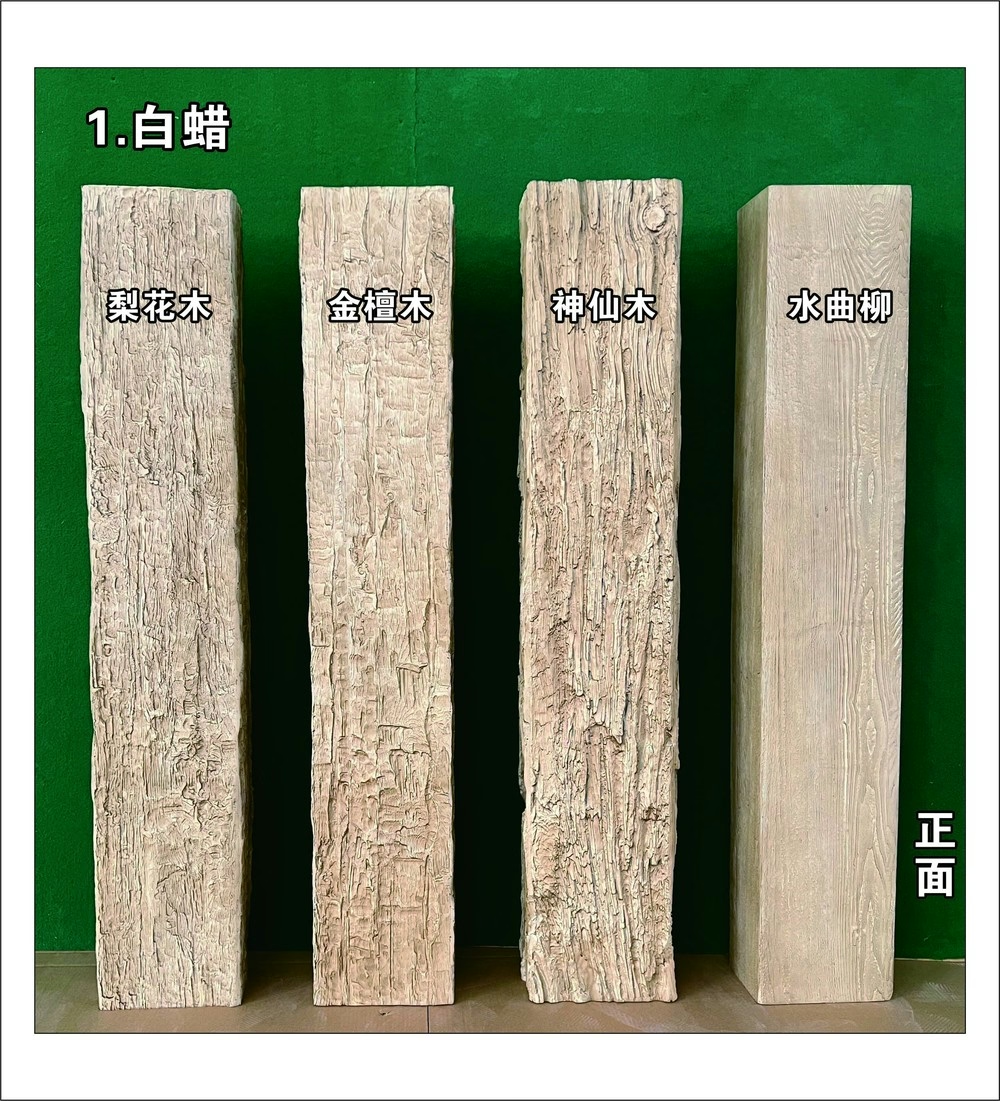
Surface Preparation for Exterior Sealing
Exterior surface preparation requires attention to environmental contamination that interior preparation methods do not address. Thorough preparation ensures sealer adhesion and performance throughout intended service life.
Pressure washing removes accumulated contamination including dirt, pollen, algae, mold, and environmental pollutants that compromise sealer adhesion. Use appropriate pressure settings—typically 1,200-2,000 PSI for polyurethane surfaces—to avoid damage while achieving thorough cleaning. Allow surfaces to dry completely before proceeding with sealing.
Mildew treatment addresses biological growth that pressure washing may not fully eliminate. Apply mildewcide solutions according to manufacturer directions, allowing appropriate contact time before rinsing. This treatment prevents regrowth beneath new sealers that would compromise their appearance and protection.
Surface repair addresses damage accumulated during service exposure, including cracks, chips, and degraded areas that require attention before resealing. Fill damaged areas with appropriate repair compounds, allowing full cure before proceeding. Inspect repaired areas after curing to verify smooth transitions between repaired and original surfaces.
Application Techniques for Professional Results
Proper application technique ensures even coverage, adequate film thickness, and professional appearance that enhances rather than detracts from beam installations. Follow manufacturer recommendations while applying professional practices that maximize results.
Temperature and humidity conditions during application significantly influence cure quality and final performance. Apply exterior sealers when temperatures fall between 50-90°F with humidity below 85%, avoiding direct sun exposure that causes rapid solvent flash and prevents proper film formation. Morning or late afternoon application often provides ideal conditions in warm climates.
Thin, even coats build protection gradually rather than attempting single-coverage application that leads to runs, sags, and uneven protection. Apply sealers using consistent passes that overlap slightly, maintaining wet edges that blend application bands invisibly. Multiple thin coats provide better protection than single heavy applications.
Allow adequate cure time between coats, typically 2-4 hours depending on product formulation and environmental conditions. This cure period allows solvents to evaporate and films to set properly, ensuring intercoat adhesion that prevents delamination during service. Rushing this process compromises entire coating systems.
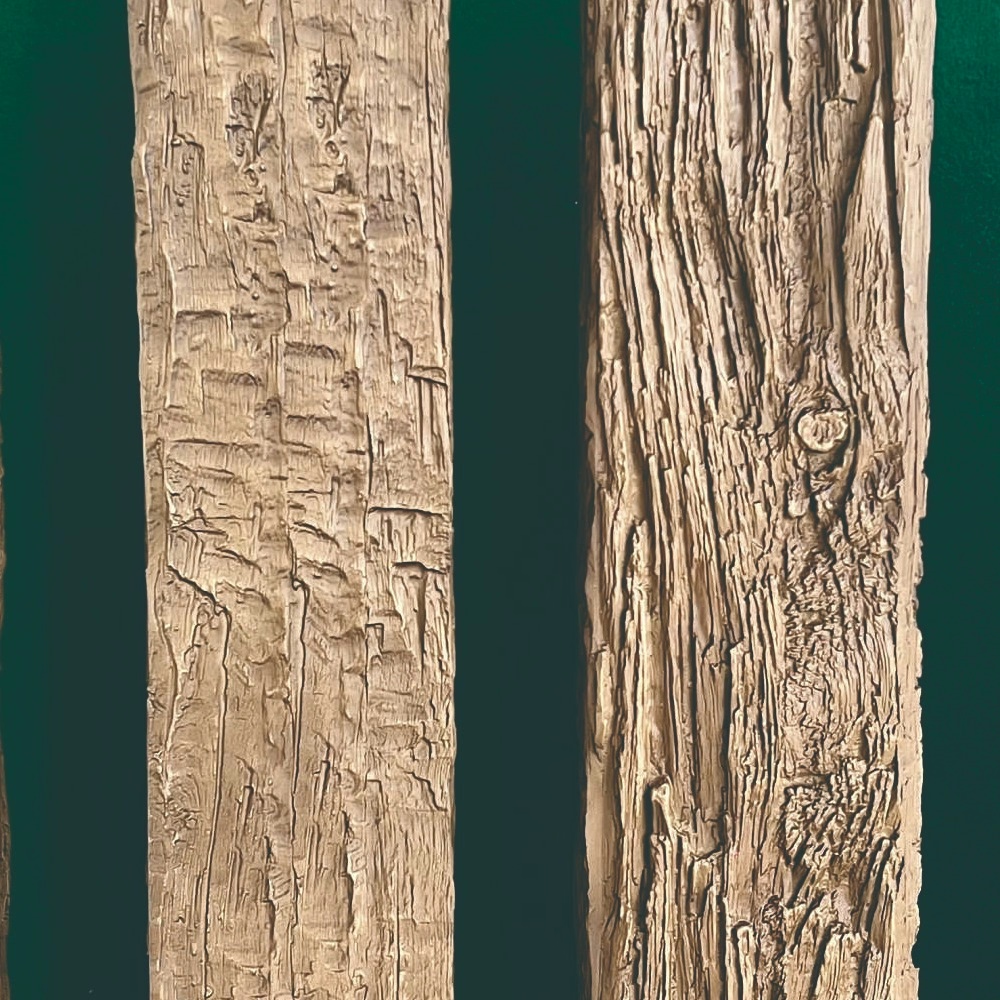
Maintenance Scheduling and Long-Term Care
Exterior sealing requires ongoing maintenance that preserves protection throughout beam service life. Establishing maintenance schedules prevents degradation that leads to expensive remediation or premature replacement.
Annual inspection identifies emerging issues before they develop into significant problems. Examine sealer condition, noting any cracking, peeling, chalking, or bare areas that indicate protection failure. Address minor issues promptly through touch-up application that extends overall system life.
Cleaning schedules remove contamination before it degrades sealer performance, typically requiring semi-annual washing with appropriate cleaners. Avoid harsh chemicals or high-pressure washing that damages sealer surfaces, using instead gentle cleaning methods appropriate for sealed polyurethane.
Recoating intervals vary based on exposure severity and sealer quality, ranging from two to seven years between full resealing operations. Monitor appearance changes that indicate protection degradation, and plan recoating before significant degradation occurs rather than waiting for obvious failure.
Technical References
ASTM standards cited in every specification
Test Data
Lab results from internal testing program
Updated 2026
Reviewed against current product specs