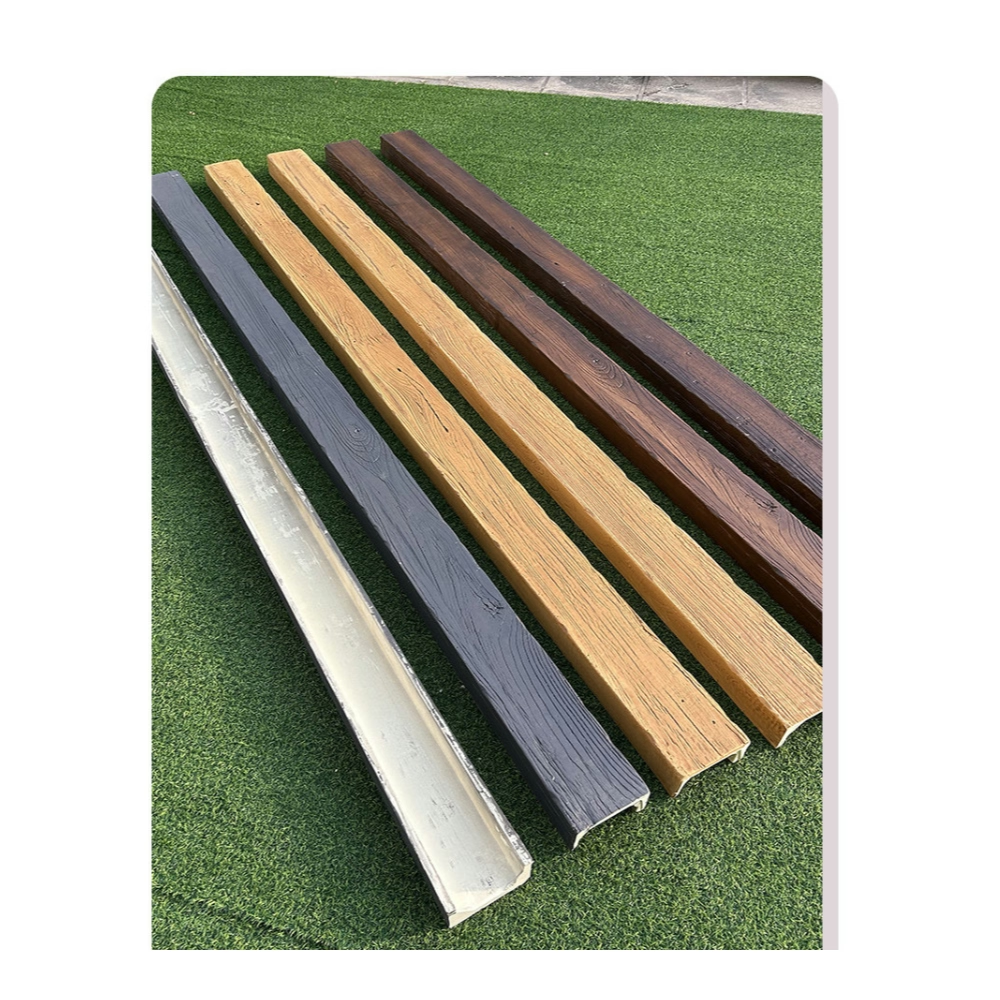
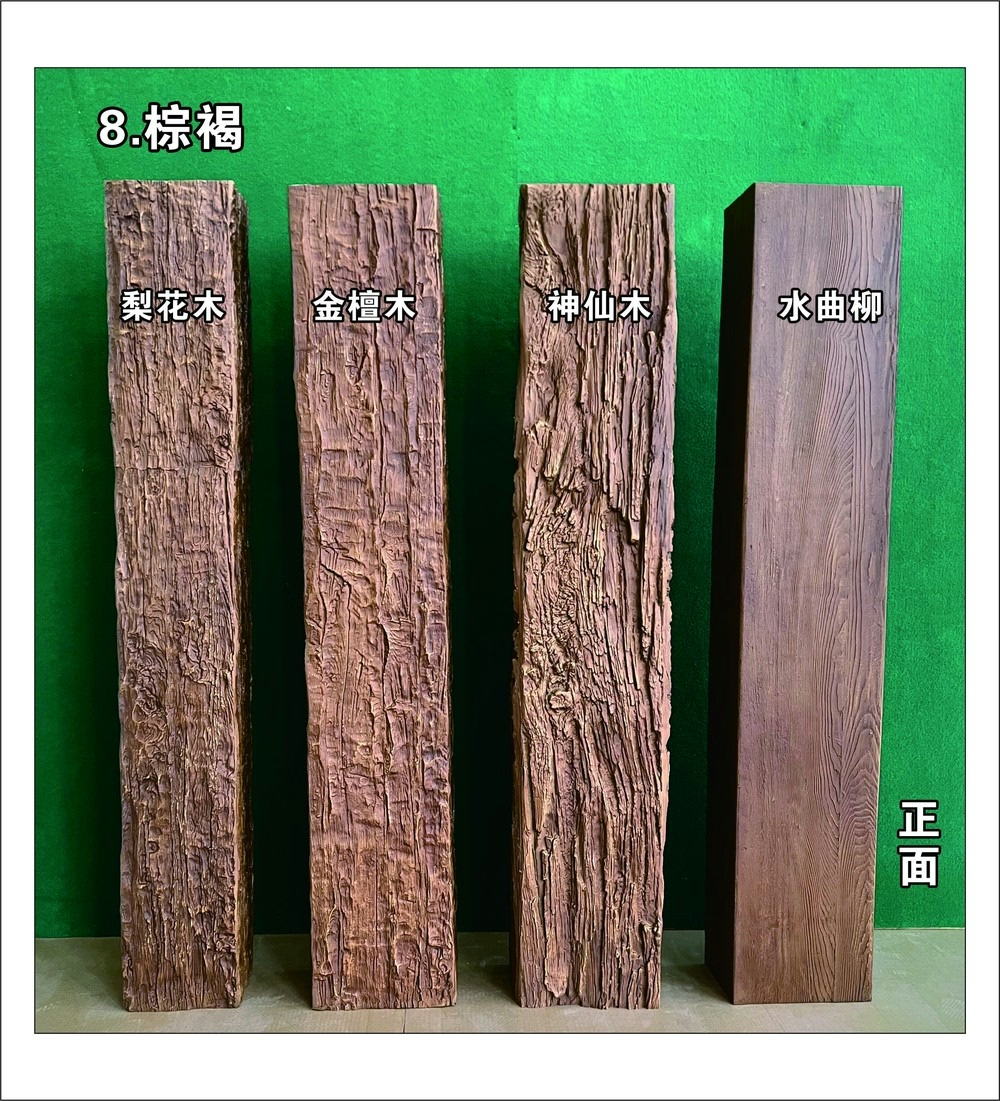
Exterior installations of polyurethane faux beams expose these products to environmental stresses far beyond what interior applications encounter, including ultraviolet radiation, thermal cycling, precipitation, and biological agents that collectively challenge long-term performance. While polyurethane itself offers inherent moisture resistance compared to natural wood, the seams between beams, fastener penetrations, and any factory-molded textures that retain water all require deliberate waterproofing attention to prevent deterioration and maintain appearance over years of service.
Successful exterior installations begin with product selection appropriate for outdoor exposure, continue through installation techniques that minimize water infiltration paths, and extend into ongoing maintenance that preserves protection throughout the installation's service life. Professional installers understand this lifecycle approach, building waterproofing considerations into every project phase rather than treating it as an afterthought.
Understanding Polyurethane's Exterior Performance Characteristics
Polyurethane resists biological degradation that attacks natural wood, avoiding the rot, mold, and insect damage that necessitate protective treatment in timber products. However, polyurethane surfaces can suffer from UV degradation that causes chalking, color fading, and surface erosion over extended sun exposure. Additionally, freeze-thaw cycling in cold climates can damage surface layers if water penetrates and subsequently expands within the material structure.
These failure modes differ from natural wood concerns but remain serious enough to warrant protective measures, particularly for beams in full-sun exposures or climate zones experiencing extreme temperature ranges. Professional specification begins with honest assessment of likely environmental exposure, matching product selection and protection strategies to actual service conditions.
Sealant Product Selection Criteria
Exterior-grade sealant selection must account for movement accommodation, UV resistance, and adhesion compatibility with polyurethane substrates. Polyurethane sealants offer excellent adhesion to polyurethane and provide durable, flexible joints that accommodate thermal movement without cracking, making them the preferred choice for beam joint sealing. Silicone sealants provide superior UV resistance and long-term flexibility but may prove more difficult to paint, while polysulfide sealants offer excellent chemical resistance for specialized applications.

Movement capability specifications should exceed anticipated joint movement by at least 50% to ensure durable performance, with most exterior beam joints requiring sealant rated for +25% to +50% movement capability. Clear sealants may yellow over time in UV exposure, making pigmented products preferable for applications where appearance preservation matters. Backer rod installation behind sealant joints ensures proper joint geometry and prevents three-sided adhesion that would compromise movement accommodation.
Application Technique for Long-Term Performance
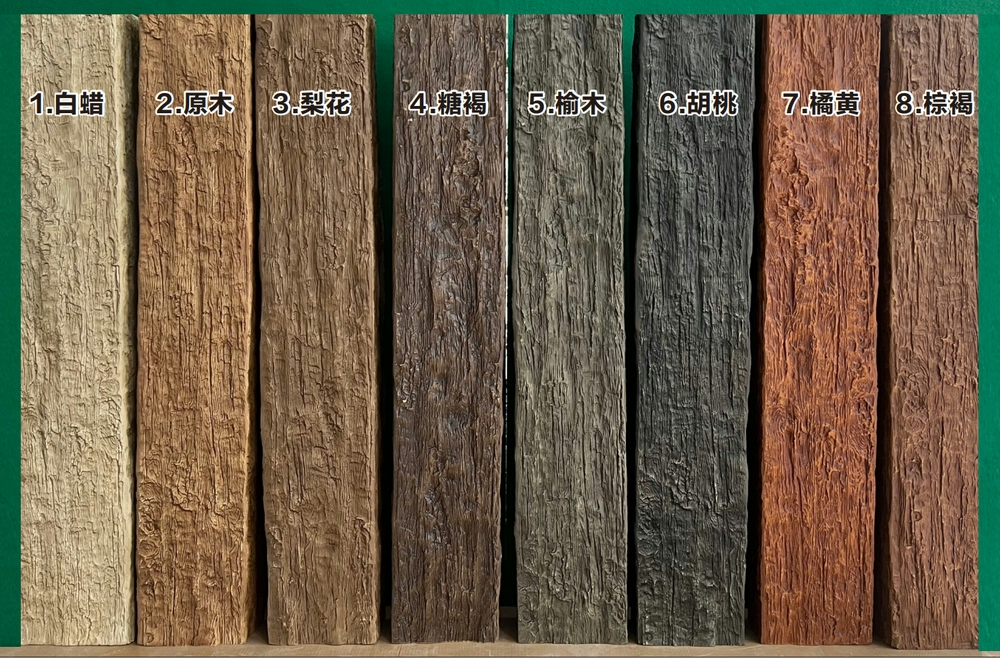
Surface preparation determines sealant performance more than any other variable, requiring clean, dry substrates free from contamination that might impair adhesion. Solvent wiping removes surface contamination, while abraiding with fine sandpaper creates mechanical texture that enhances bonding surface area. Primers specifically formulated for polyurethane substrates improve adhesion in demanding applications, though many quality sealants perform adequately without priming when surfaces are properly prepared.
Application technique involves maintaining consistent bead profile with proper width-to-depth ratios that ensure optimal performance. Joints should be filled completely without voids or air entrapment, with tooling performed while sealant remains wet to establish proper surface contact and profile. Masking tape on adjacent surfaces prevents messy squeeze-out and enables clean joint lines that enhance finished appearance.
Joint Design Principles
Engineered joint design distributes movement accommodation requirements appropriately while maximizing weatherproofing effectiveness. Butt joints between beam ends represent the highest-movement configuration, requiring generous sealant coverage and potentially incorporating factory-machined interlocking profiles that reduce water infiltration independent of sealant performance. Mitered joints provide better water shedding but require precise cutting to achieve tight fits that minimize reliance on sealant alone.
Continuous runs exceeding standard beam lengths introduce intermediate joints that require thoughtful design to maintain weatherproofing while accommodating building movement. Installing joints over structural supports allows movement accommodation without compromising connection integrity, while avoiding joints directly over high-stress zones prevents differential movement that could gap sealant over time.
Maintenance Inspection and Repair Schedules
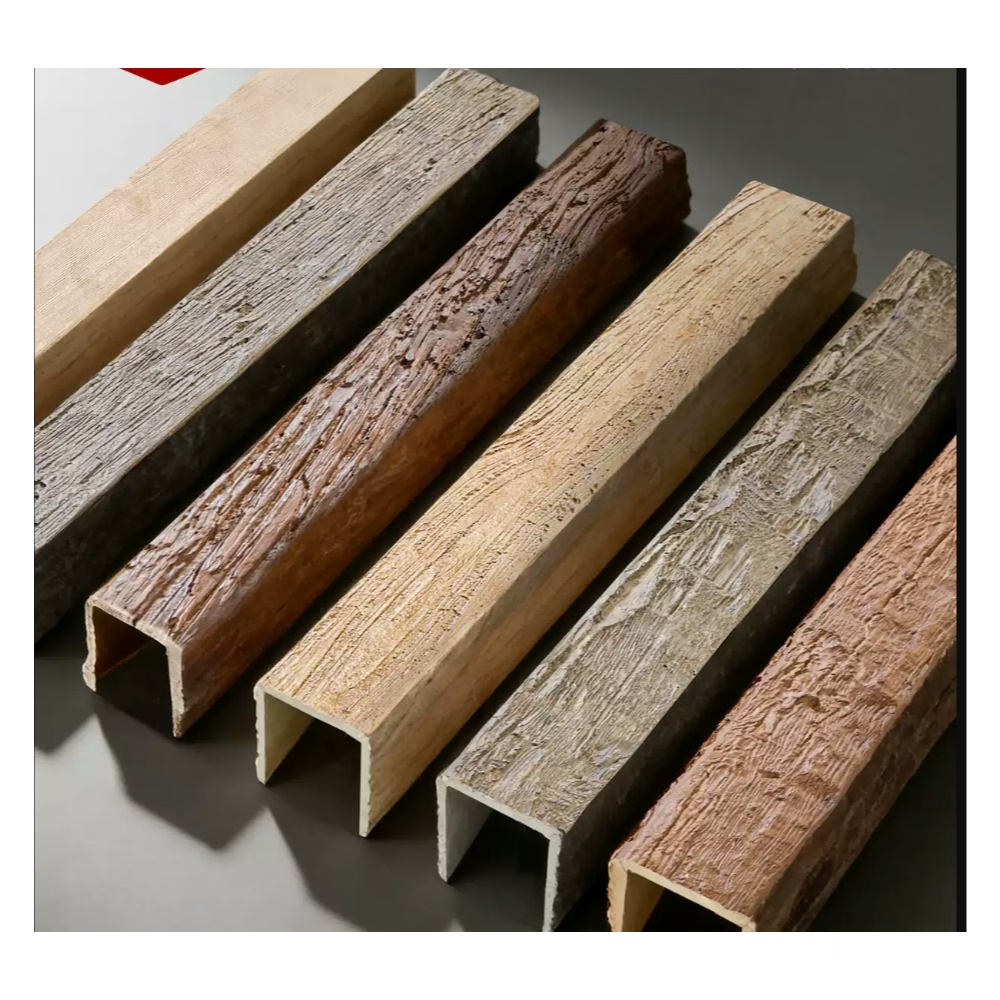
Even properly installed exterior sealants deteriorate over time, requiring periodic inspection and replacement to maintain weatherproofing performance. Annual inspections before winter precipitation identify potential problems while weather remains favorable for repair work, with particular attention to joint sealant condition, fastener seal integrity, and any surface degradation indicating UV damage or moisture infiltration.
Recaulk frequency depends on exposure severity and initial product quality, with most exterior sealant installations requiring attention every five to ten years. Proactive replacement before complete failure prevents water damage to underlying structures and maintains aesthetic quality, making maintenance investment economical compared to remediation costs for neglected installations. Keeping records of original installation dates and product specifications facilitates scheduled maintenance without requiring extensive investigation.
Technical References
ASTM standards cited in every specification
Test Data
Lab results from internal testing program
Updated 2026
Reviewed against current product specs