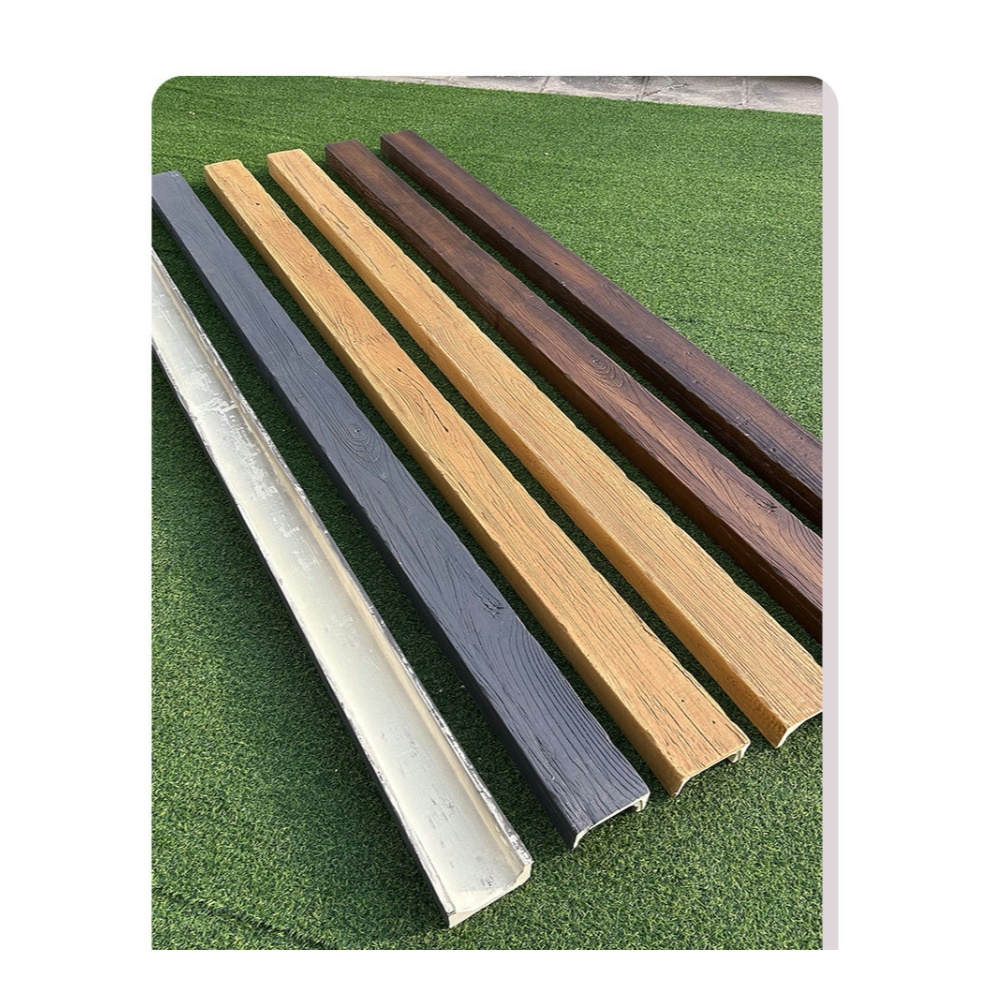
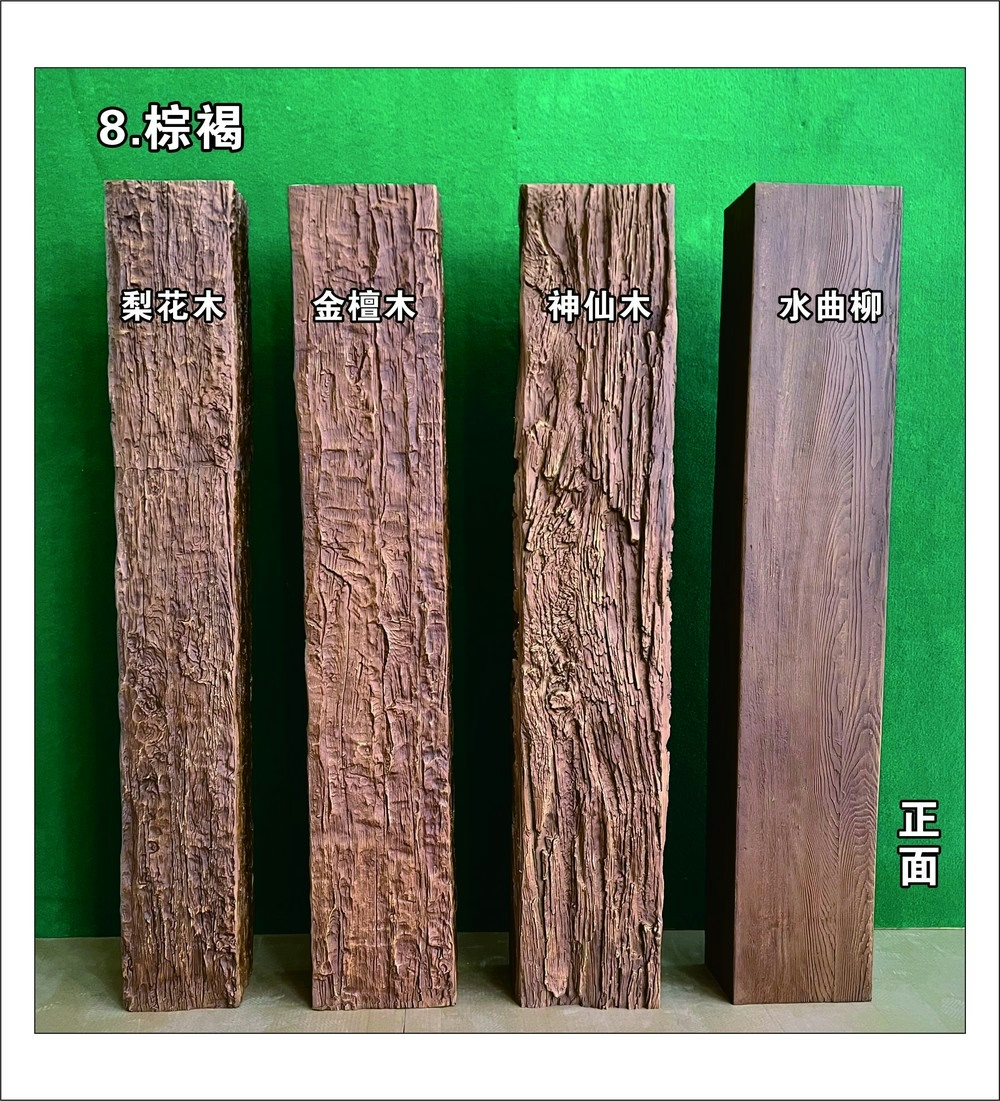
Exterior beam installations face environmental challenges that demand specialized splicing approaches, with weather exposure, thermal cycling, and UV radiation creating stresses that interior installations never encounter. Professional splicing systems for exterior applications account for these factors, providing connections that maintain appearance and performance throughout seasonal variations and long-term environmental exposure.
The Brennan family invested in a covered outdoor kitchen and entertaining space where they planned to host gatherings year-round regardless of weather. Their specification called for continuous beam runs spanning twenty-five feet across the entertaining area, with splices positioned at intermediate support columns. The installing contractor recommended exterior-grade splicing systems designed specifically for outdoor exposure, providing connection performance that has maintained perfect appearance through three years of seasonal extremes.
Environmental Exposure Considerations
Exterior splicing demands approaches that account for environmental factors absent from interior applications, requiring materials and methods that withstand conditions that degrade lesser solutions.
Temperature cycling creates expansion and contraction stresses that concentrate at splice locations, potentially causing movement that compromises appearance and protection. Splicing systems must accommodate this movement without cracking, separating, or exposing underlying materials to moisture intrusion. Flexible adhesives and movement-accommodating hardware address these concerns.
Precipitation exposure, including wind-driven rain and snow accumulation, introduces moisture that degrades unprotected joints. Even covered exterior installations experience moisture exposure that demands appropriate sealing and drainage provisions. Splice details should prevent water penetration while allowing any moisture that does penetrate to escape.
UV radiation degrades surface finishes and potentially substrate materials over extended exposure periods. Splicing methods should maintain UV protection continuity across junction locations, preventing accelerated degradation at splice points that might compromise appearance and accelerate maintenance requirements.
Weatherproof Splice Design
Weatherproof splice design incorporates drainage, sealing, and material selection that together prevent moisture intrusion while accommodating environmental movement. These design elements work together to provide durable connections in demanding applications.
weep hole provisions allow any moisture penetrating splice locations to escape rather than accumulating within concealed spaces. Small openings at low points in splice details enable gravity drainage that prevents standing water and the degradation it causes. Position weep holes where drainage occurs without creating visible evidence of water passage.
Continuous flashing integration addresses moisture that flows along beam surfaces toward splice locations. Install flashing details that direct water away from junction areas rather than into them, maintaining moisture paths that prevent accumulation. These details integrate with building flashing systems for comprehensive water management.
Sealant selection for exterior splices prioritizes UV resistance, flexibility, and adhesion durability over interior performance factors. Silicone sealants provide excellent UV resistance and flexibility, though paint adhesion may require special formulations. Urethane sealants offer good overall performance with excellent paint compatibility. Verify compatibility with beam materials and finish systems before application.

Thermal Movement Accommodation
Exterior beams experience temperature ranges far exceeding interior conditions, requiring splice designs that accommodate movement without distress. Planning for thermal movement prevents damage that ultimately compromises both appearance and weatherproofing.
Expansion joint provision creates deliberate movement accommodation at splice locations, allowing beams to expand and contract without generating stresses that cause damage. Joint gaps filled with flexible backer rods and sealant create accommodations that function throughout seasonal temperature ranges without visible evidence.
Fastener selection and spacing accounts for movement by using slotted holes, flexible connectors, or isolated fasteners that do not restrain movement-induced stress. Over-constrained installations generate forces that damage both beams and mounting surfaces, while appropriately flexible connections accommodate movement without distress.
Material selection for splice components favors materials with compatible thermal coefficients, preventing differential movement between beam materials and reinforcement components. Metal reinforcement expands and contracts differently than polyurethane, potentially generating stress at interfaces unless accommodated through flexible connections or material selection.
UV-Resistant Finishing Systems
Exterior finishing systems protect beams and splices from UV degradation while maintaining appearance throughout extended service life. These systems require maintenance schedules that preserve protection as exposure accumulates.
UV-blocking primers applied before topcoat finishes create foundation layers that prevent radiation from penetrating into substrate materials. These primers absorb or reflect UV energy that would otherwise degrade both finish and beam materials. Include UV protection in all exterior specification decisions.
Topcoat selection prioritizes UV stability alongside weather resistance, using acrylic urethanes, fluoropolymers, or other formulations designed for extended exterior exposure. These finishes maintain color and gloss stability while providing protection that extends maintenance intervals. Higher initial costs for quality finishes typically result in lower lifecycle costs.
Maintenance scheduling for exterior splices anticipates accelerated UV exposure at junction locations where finish thickness may vary or reinforcement interrupts continuity. More frequent inspection and touch-up at splice locations prevents degradation from progressing to visible damage that requires extensive remediation.
Inspection and Maintenance Protocols
Exterior splicing requires ongoing inspection and maintenance that preserves weatherproofing performance throughout service life. Establish protocols that identify problems early while correction remains simple and inexpensive.
Seasonal inspection following severe weather events identifies damage that storms or temperature extremes may have caused. Examine splice locations for sealant cracking, moisture intrusion evidence, or movement that suggests connection compromise. Address issues promptly to prevent progression toward more significant problems.
Sealant renewal addresses UV degradation and movement-induced wear that eventually affects even quality exterior sealants. Plan for renewal at intervals determined by exposure severity and sealant quality, typically ranging from three to seven years for quality exterior sealants. Renewal before failure prevents moisture intrusion that would otherwise damage concealed beam structures.
Finish maintenance restores UV protection as accumulated exposure degrades surface coatings. Pressure washing, localized repair, and full refinishing extend beam service life while maintaining appearance. Match maintenance finishes to original specifications to ensure consistent protection and appearance across installations.
Technical References
ASTM standards cited in every specification
Test Data
Lab results from internal testing program
Updated 2026
Reviewed against current product specs