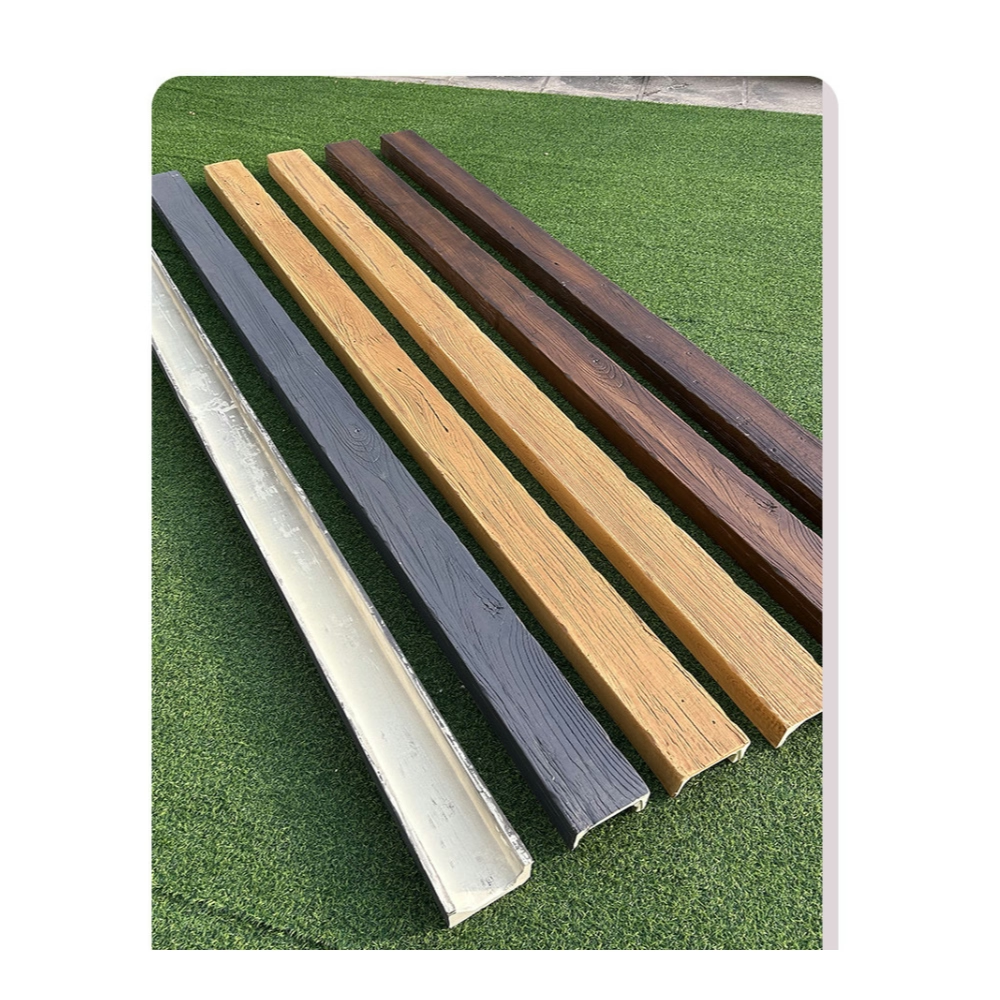
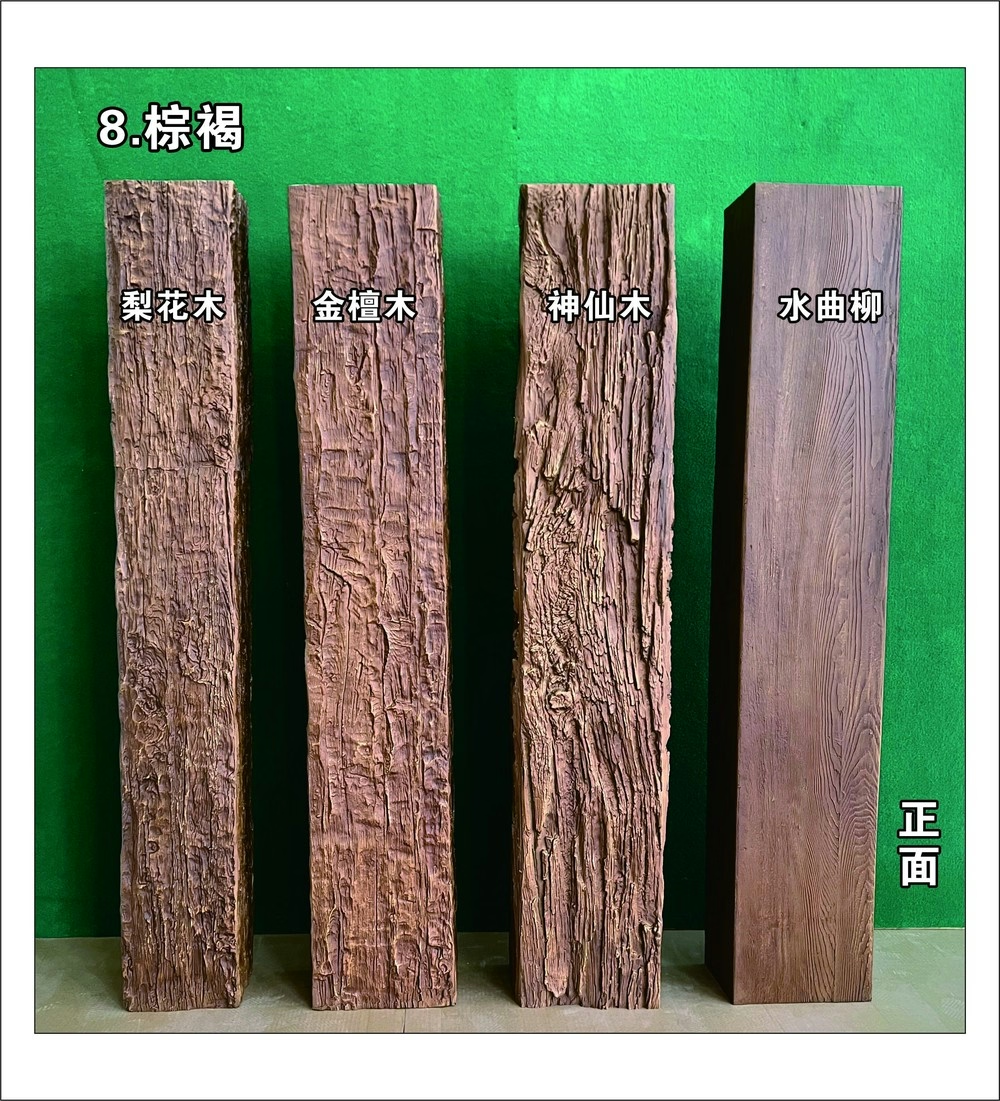
Matching stain and finish on existing faux beam installations ranks among the most challenging finishing tasks, requiring installers to replicate factory-applied treatments without access to original application methods, environmental conditions, or product batches. Success depends on systematic approach to color analysis, product selection, and application technique that accounts for the numerous variables affecting final appearance. Even minor mismatches prove glaringly obvious once adjacent to properly matched areas, making this skill essential for anyone performing field repairs or extensions to existing installations.
The challenge intensifies when beams have aged under environmental exposure that changes their appearance from original factory conditions, requiring reproduction of neither original appearance nor current appearance but something in between that reads as naturally integrated rather than as an obvious repair.
Color Analysis Methodology
Systematic color analysis breaks appearance into manageable components, enabling targeted matching rather than trial-and-error approaches that waste time and materials. Visual assessment under appropriate lighting identifies the primary color family, value range, and any undertones that distinguish the target from standard product options. This analytical approach produces specific direction for product selection rather than vague approximation attempts.
Professional color matching employs standardized lighting conditions including natural north daylight, incandescent, and fluorescent sources that reveal how colors appear under different conditions. A match that looks perfect under shop lighting may prove obviously wrong in the actual installation environment, particularly problematic when fluorescent lighting dominates the space. Testing matches under actual installation lighting before committing to full application prevents unpleasant surprises.

Wood species reference guides provide starting points for matching natural wood appearances, with polyurethane beams typically mimicking popular species including oak, walnut, cherry, and fir. Understanding which species the original product imitates guides initial product selection, with subsequent refinement addressing any subtleties that distinguish premium reproductions from generic attempts.
Gel Stain Application for Field Matching
Gel stains provide advantages over penetrating stains for field application on polyurethane, with their thickened consistency reducing absorption rate variation and enabling more controlled application. These products lay on the surface rather than penetrating, which proves beneficial on polyurethane that lacks natural wood grain structure for absorption guidance. Gel stains build color gradually through layered application, enabling fine adjustment of final darkness.
Application technique significantly affects gel stain appearance, with heavy application producing darker results than light application of identical products. Consistent technique across matched areas ensures predictable results, with application direction, pressure, and wipe timing all affecting color development. Professional applicators practice on scrap material to develop consistent technique before attempting visible work.
Wiping technique determines final color intensity and evenness, with more aggressive removal lightening results and gentler treatment leaving darker appearance. Working in sections before complete drying enables consistent wiping across the entire matched area, preventing lap marks where dried areas resist blending with freshly applied material. Multiple thin applications typically achieve more controlled results than single heavy coats.
Tinting and Custom Color Development
Standard stain colors rarely provide exact matches for specific factory treatments, making tinting capability essential for professional finish matching. Universal colorants added in small quantities adjust base stain colors toward specific targets, with practice developing intuition for which adjustments address particular color deficiencies. A too-red stain might receive small additions of green or brown, while a too-dark stain might be lightened with additional clear base.
Recording successful formulas enables replication if additional work becomes necessary, with detailed notes on base products, tint additions, and application techniques preserving institutional knowledge. Custom color matching services offered by stain manufacturers provide professional-level results for challenging matches, though lead times and minimum orders may limit practicality for small field repairs.
Clear Finish Integration
Stain matching must be followed by clear finish application that protects the color layer while matching the sheen and protective characteristics of surrounding areas. Finish compatibility with underlying stain requires verification, as some finish products may react with or lift stain layers if improperly matched. Testing on inconspicuous areas or scrap material before full application confirms compatibility.
Sheen matching presents particular challenges when overcoating existing finishes, with new clear coat potentially appearing shinier or flatter than surrounding areas depending on original finish characteristics. Scuff sanding the existing finish before recoating promotes adhesion while slightly flattening the surface to accept new coating without dramatic sheen shift. Multiple thin coats with careful flash time enable gradual sheen development that matches surrounding areas more effectively than single heavy applications.
Aging and Patina Considerations
Mature installations develop patina characteristics that new work cannot immediately replicate, including slight color shift, surface oxidation, and accumulated weathering that distinguish original from repair. Acknowledging this limitation, professional finishers target integration that appears acceptable from normal viewing distances rather than perfect match under close inspection. Close examination should reveal the repair only to those specifically searching for it.
Selective aging techniques can reduce contrast between new and old finish, with controlled exposure to UV light, light abrasion, or tinted wax application blending appearances more quickly than natural aging alone. These techniques require judgment about appropriate treatment intensity, as over-aging creates appearance problems equally obvious as under-matching original conditions. Moderate approaches that accept slight contrast as natural variation typically prove more successful than aggressive matching attempts.
Technical References
ASTM standards cited in every specification
Test Data
Lab results from internal testing program
Updated 2026
Reviewed against current product specs