Color coordination determines whether beam installations feel intentional and integrated or appear as afterthought additions that clash with their surroundings. Polyurethane faux wood beams offer extensive color options through both standard catalog offerings and custom matching services. Understanding how to achieve and maintain color consistency helps designers create spaces where beams contribute to cohesive interiors rather than standing out as mismatched elements.
The challenge of color matching extends beyond simply selecting a paint color. The texture, sheen, and application method all affect how perceived color differs from flat swatches. Natural wood variations that give authentic wood its character must be replicated thoughtfully in polyurethane to achieve believable results. This complexity makes professional consultation valuable for projects where color coordination is critical.

Understanding Color Matching Fundamentals
The color matching process begins with understanding what reference points exist in the space. Some projects involve matching beams to existing woodwork, flooring, or furniture. Others require coordinating with paint colors, wallcoverings, or other design elements. Each reference type presents unique challenges that affect matching approach and achievable precision.
Physical samples provide the most reliable color reference for matching purposes. Photographs, while useful for preliminary communication, introduce color variations through lighting differences and camera processing. Request actual material samples when possible and evaluate them under the lighting conditions present in the installation space. Natural daylight from north-facing windows typically provides the most accurate color evaluation.
Material composition affects how finishes appear. Polyurethane substrates accept paint differently than natural wood, with varying degrees of absorption that affect color saturation and depth. Understanding these differences helps set realistic expectations for matching precision and guides the selection of appropriate matching approaches.
Matching to Existing Wood Elements
Coordinating beams with existing natural wood requires analyzing the target wood's characteristics thoroughly. Consider the species, age, existing finish type, and wear patterns that affect current appearance. Older wood often develops patinas and color variations that differ significantly from new material, requiring creative approaches to achieve acceptable coordination.
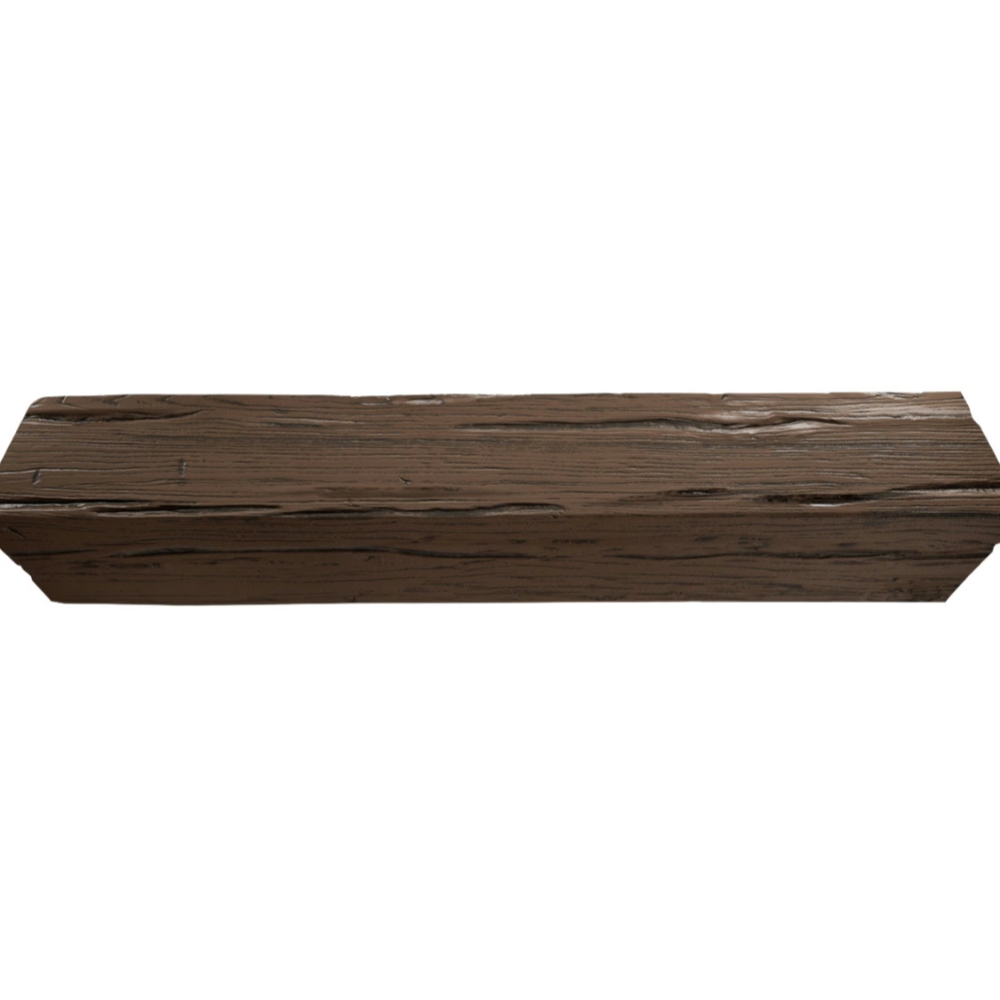
Sample selection from manufacturer offerings provides a starting point for natural wood matching. Manufacturers produce beams in wood species appearances rather than actual wood, allowing selection of species that resemble the target wood closely. Oak, maple, pine, walnut, and other common species are typically available, each with distinct grain patterns and color ranges.
For close matching to specific existing wood, custom color development extends beyond standard offerings. Provide physical samples of the target wood along with specifications for lighting conditions and viewing angles. Professional color matching services use these references to develop custom formulations that achieve close coordination.
Coordinating with Painted and Decorative Elements

Painted elements provide more straightforward matching opportunities because paint colors are precisely definable. Reference paint chip numbers or names to ensure exact coordination, as different manufacturers' colors rarely match precisely even when names suggest similarity. For projects requiring extremely close coordination, specify exact paint products rather than generic color names.
Wallcoverings and other patterned elements require identifying the dominant and accent colors that beams should complement. Extract specific colors from printed materials using digital tools, then verify these colors against physical samples. The translation from printed material to actual paint can introduce noticeable variations that should be verified before finalizing beam specifications.
Metallic accents, stone surfaces, and other non-wood materials in spaces also influence beam color selection. Consider whether beams should contrast with these elements or coordinate with them. Sometimes intentionally contrasting beams create visual interest; other times, coordination creates a more unified appearance. The design intent should guide these decisions.
Custom Color Development Processes
The custom color matching process typically begins with a detailed consultation to understand project requirements, reference materials, and performance expectations. Provide as much information as possible about the target colors, including physical samples when available. Digital images supplement physical samples but cannot replace them entirely.
Laboratory color matching develops formulations to match provided references. This process produces color standards that are reviewed against physical references under controlled lighting conditions. Refinements address any discrepancies between the developed standard and the target appearance. The number of refinement cycles depends on matching complexity and the precision required.
Production color control ensures that beams delivered match the approved standard consistently. Quality control procedures sample production runs against the standard and adjust formulations when variations occur. Request information about manufacturer color control processes when evaluating suppliers for projects where color consistency is critical.
Maintaining Consistency Across Large Installations
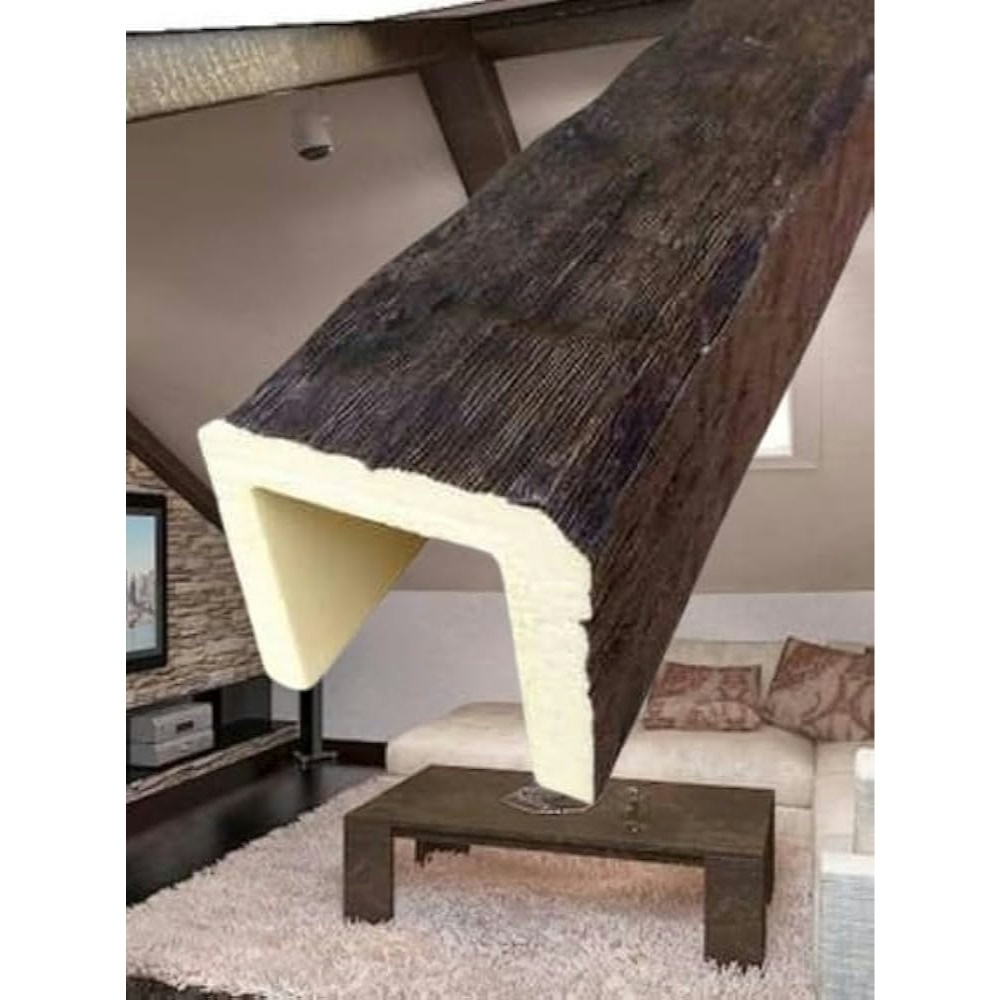
Large projects require particular attention to color consistency because accumulated variations become more noticeable across extensive installations. Order all beams for a single project from the same production batch whenever possible. Manufacturing batches can vary slightly, and sourcing from a single batch minimizes this variation.
Document approved color standards and keep them on file for future needs. When replacement beams or additional purchases are required, reference the documented standard ensures that new material matches existing installations. Store samples in protected conditions that prevent degradation that would affect color reference accuracy.
Lighting documentation helps future coordination efforts. Note the specific lighting conditions under which color approvals were made, including any natural light considerations or specific fixture types used. Matching materials under different lighting conditions often produces unsatisfactory results when materials are viewed under the original lighting in the installed space.
Technical References
ASTM standards cited in every specification
Test Data
Lab results from internal testing program
Updated 2026
Reviewed against current product specs


