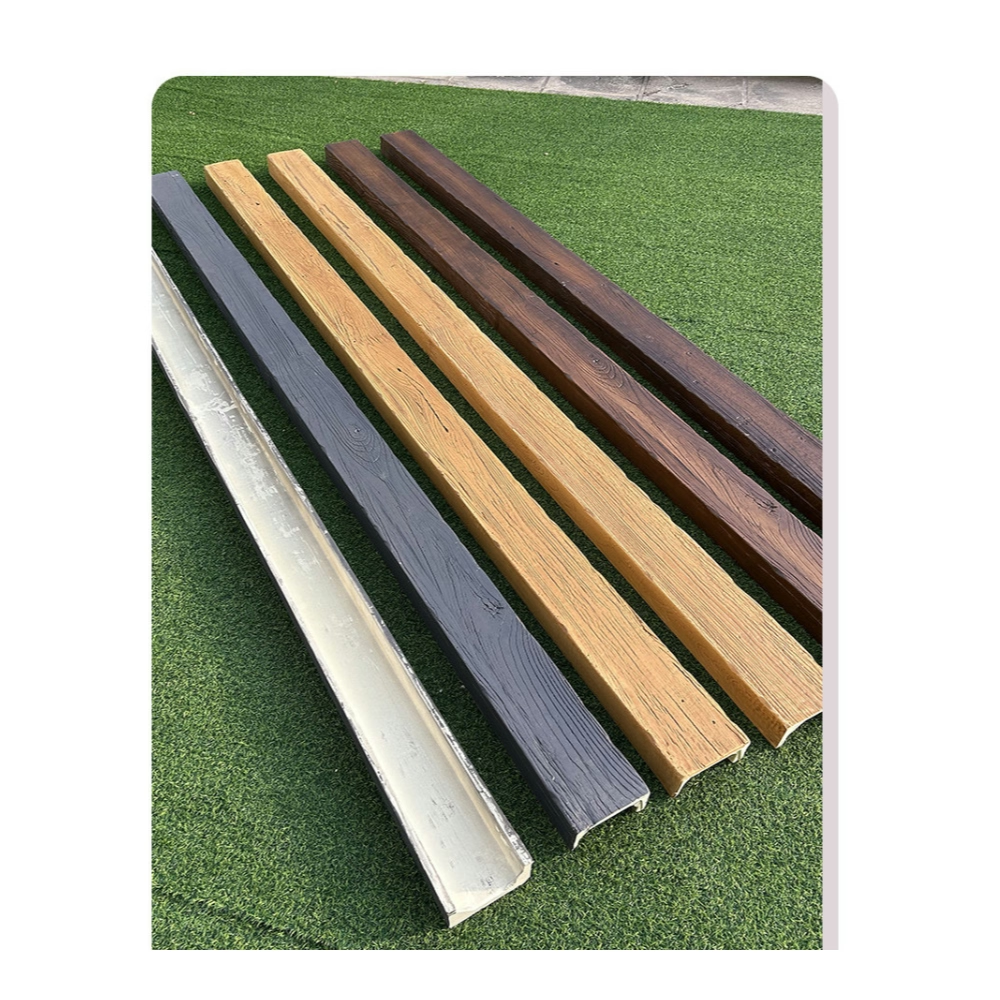
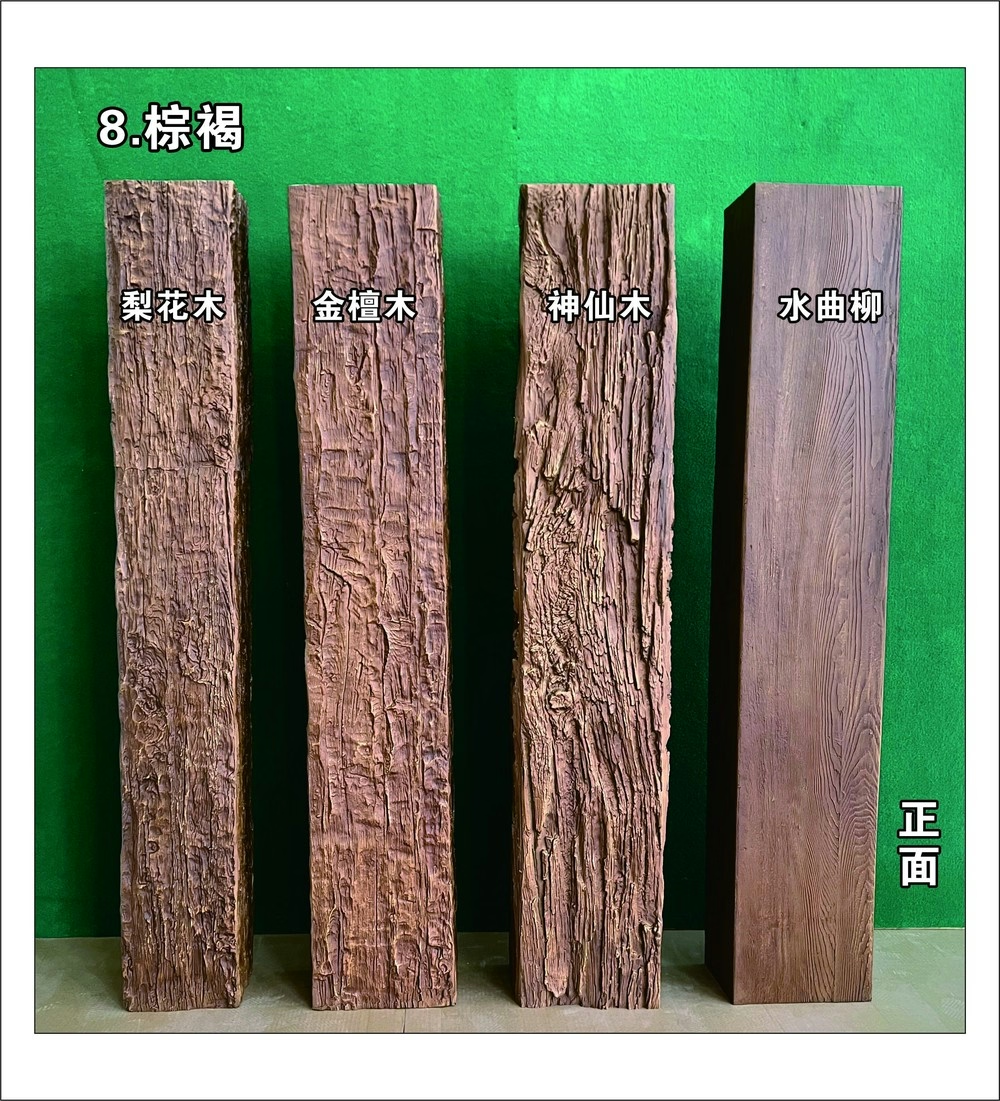
Proper storage protects beam investments from damage that can occur between delivery and installation. Even the highest quality beams can suffer damage from improper handling or storage conditions that degrade surfaces, distort shapes, or create problems requiring repair or replacement. Understanding appropriate storage methods preserves beam quality and ensures installations begin with materials in optimal condition.
The time between delivery and installation varies based on project schedules, sometimes spanning days and sometimes weeks or longer. Storage practices must maintain beam quality regardless of duration, protecting against both immediate damage and gradual degradation that might not be immediately apparent. Thinking ahead about storage requirements during project planning prevents problems when materials arrive.

Environmental Requirements
Temperature storage conditions affect beam condition during holding periods. Extreme heat can affect some finish formulations, while extreme cold may create condensation when materials move to warmer environments. The ideal storage maintains moderate, stable temperatures that prevent thermal stress or finish issues. Climate-controlled spaces provide the most consistent conditions, though typical warehouse environments are usually acceptable for reasonable storage durations.
Humidity control matters less for polyurethane than for natural wood but still affects storage success. Very high humidity can affect packaging materials and create surface condensation when temperatures fluctuate. Well-ventilated storage areas prevent humidity buildup and allow any surface moisture to evaporate quickly. Avoiding unventilated enclosures where humidity can accumulate protects beam surfaces and finishes.
UV light exposure should be minimized during storage. While polyurethane itself tolerates UV exposure reasonably well, some finish formulations can yellow or chalk when exposed to direct sunlight over extended periods. Covered storage or interior spaces away from windows provide protection. When outdoor storage is unavoidable, covering beams with opaque tarps shields them from UV exposure.
Handling Practices and Physical Protection
Support beams adequately during storage to prevent sagging or deformation that could complicate installation. Long beams especially need continuous support along their length or support at multiple points that prevent deflection. Unsupported storage of long beams risks permanent deformation that prevents proper fitting during installation.
Protective packaging should remain in place until beams are needed for installation. Factory packaging provides protection during handling and storage, and removing it prematurely exposes beams to potential damage. Inspect packaging periodically during storage to ensure it remains intact and effective.
Surface protection against scratches, dents, and impacts requires thoughtful arrangement of stored beams. Provide adequate separation between pieces, use protective barriers where beams contact each other or storage structures, and avoid stacking heavy items on top of beams. A few simple precautions prevent damage that would require repair before installation.
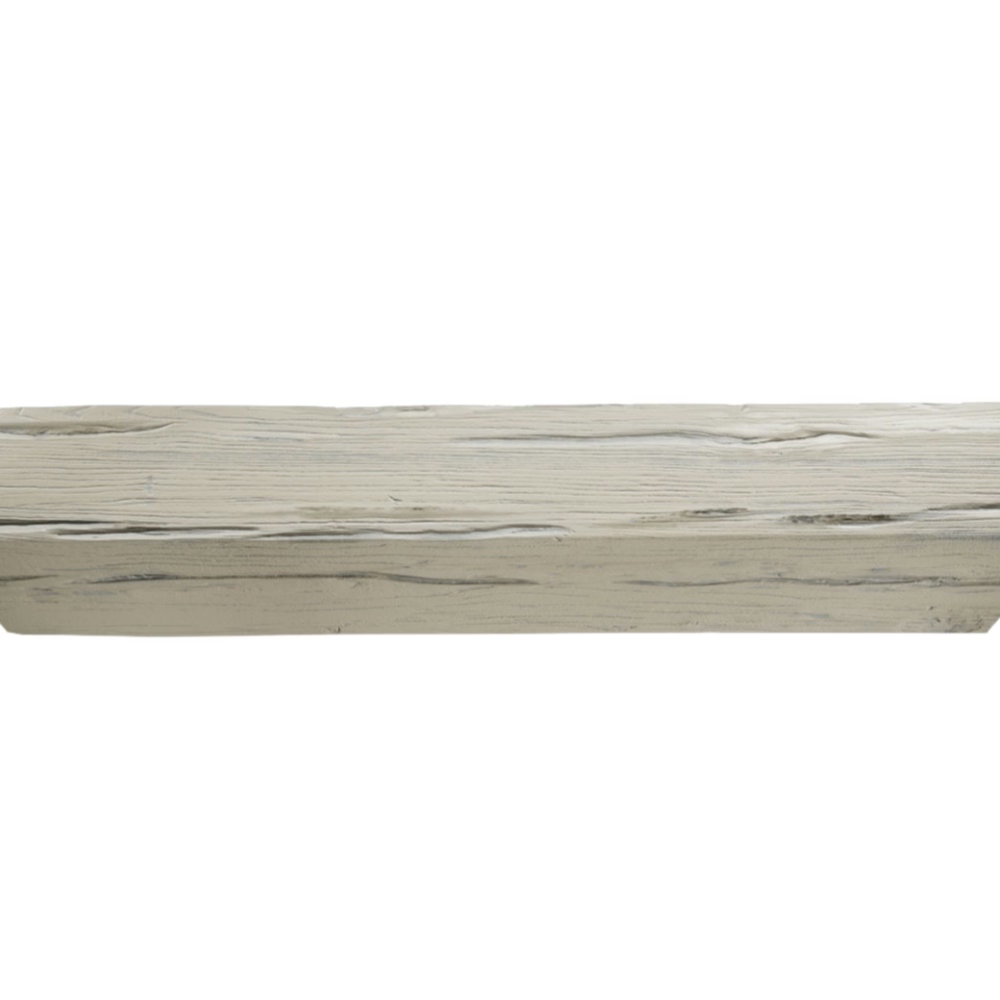
Stacking and Organization

Stacking beams safely requires considering both beam weight and surface protection. Place heavier beams lower in stacks, with progressively lighter pieces above. Interleave protective materials between beams to prevent surface contact that could create marks or damage finishes. Cardboard, foam padding, or fabric pieces serve as effective interleaving materials.
Organization by size, profile, and project area facilitates efficient retrieval when installation begins. Grouping similar pieces together prevents time wasted searching through mixed inventory. Clear labeling or identification systems ensure that the correct beams are pulled for each installation area, reducing errors and confusion during the busy installation period.
Access pathways between stacked beams allow safe retrieval without risk of damaging surrounding pieces. Plan storage layout with adequate working space for maneuvering beams out of storage. Tight storage that requires contortion or awkward movements increases damage risk and slows retrieval.
Inspection and Maintenance During Storage
Periodic inspection during storage identifies developing problems before they become serious. Check for any shifts in storage arrangement that might indicate settling or movement. Verify that protective packaging remains intact and that no beams have been damaged by adjacent items or handling. Early detection of issues enables corrective action before retrieval time.
Finish inspection should occur when beams are pulled from storage. Examine surfaces under good lighting for any damage or degradation that might have occurred during storage. Address any issues before installation to ensure finished work meets quality expectations. Small problems identified at this stage can often be repaired, while those discovered during installation create more significant challenges.
Documentation of storage conditions and any issues observed provides useful information for future reference. Records of inspection dates, conditions noted, and any corrective actions taken help track material history and can prove valuable if questions arise about beam condition or handling.
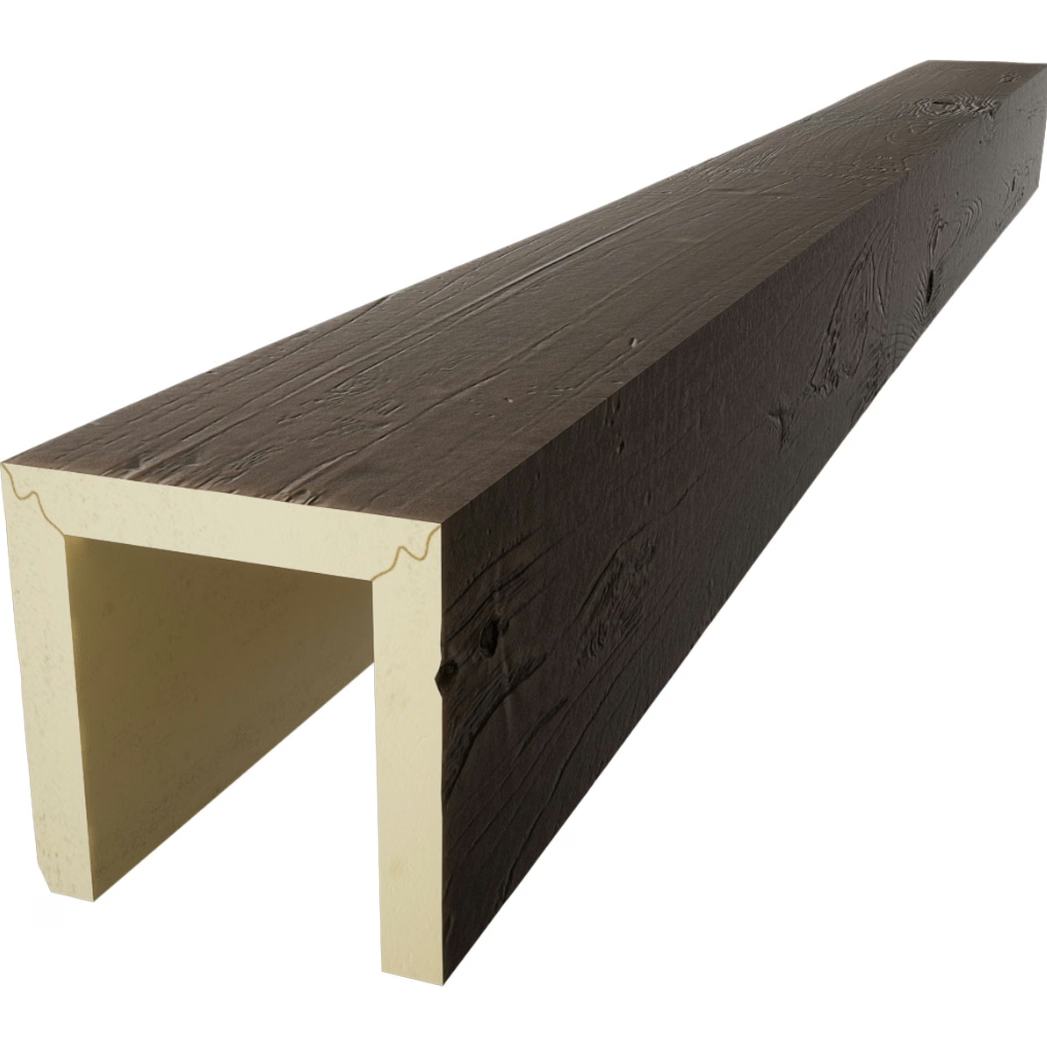
Preparation Before Installation
Allow beams to acclimate to installation environment before beginning work if significant temperature differences exist between storage and installation areas. This acclimation prevents condensation issues and allows any packaging moisture to evaporate. A few hours of equilibration time typically suffices for typical temperature variations.
Remove packaging carefully to avoid surface damage during unwrapping. Scissors or box cutters used near beam surfaces risk cutting into finishes. Pull packaging away from beams rather than cutting toward them. Once unpacked, inspect beams one more time before installation to verify condition has not changed during storage.
Stage beams in installation order to streamline the installation process. Place beams for early installation areas closest to the work zone. This organization reduces handling time and prevents confusion about which pieces belong where. Simple preparation steps save significant time during the actual installation work.
Technical References
ASTM standards cited in every specification
Test Data
Lab results from internal testing program
Updated 2026
Reviewed against current product specs