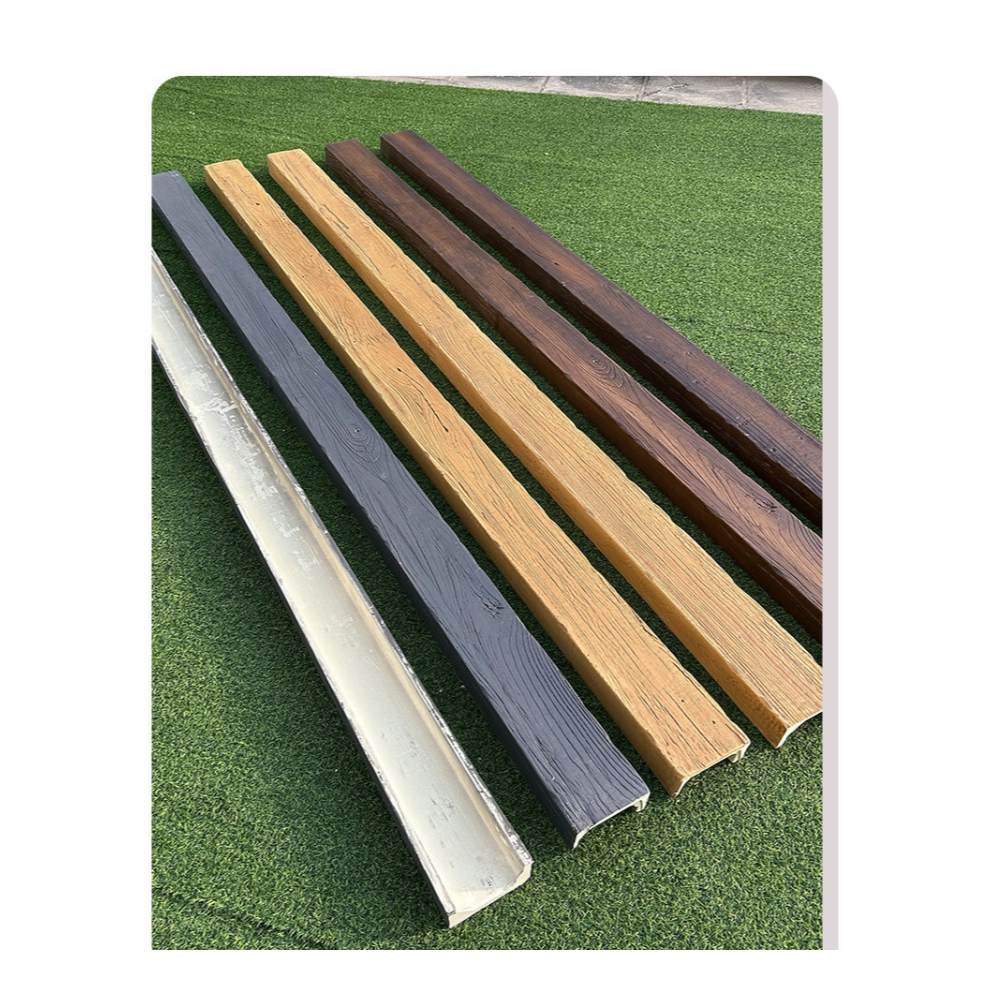
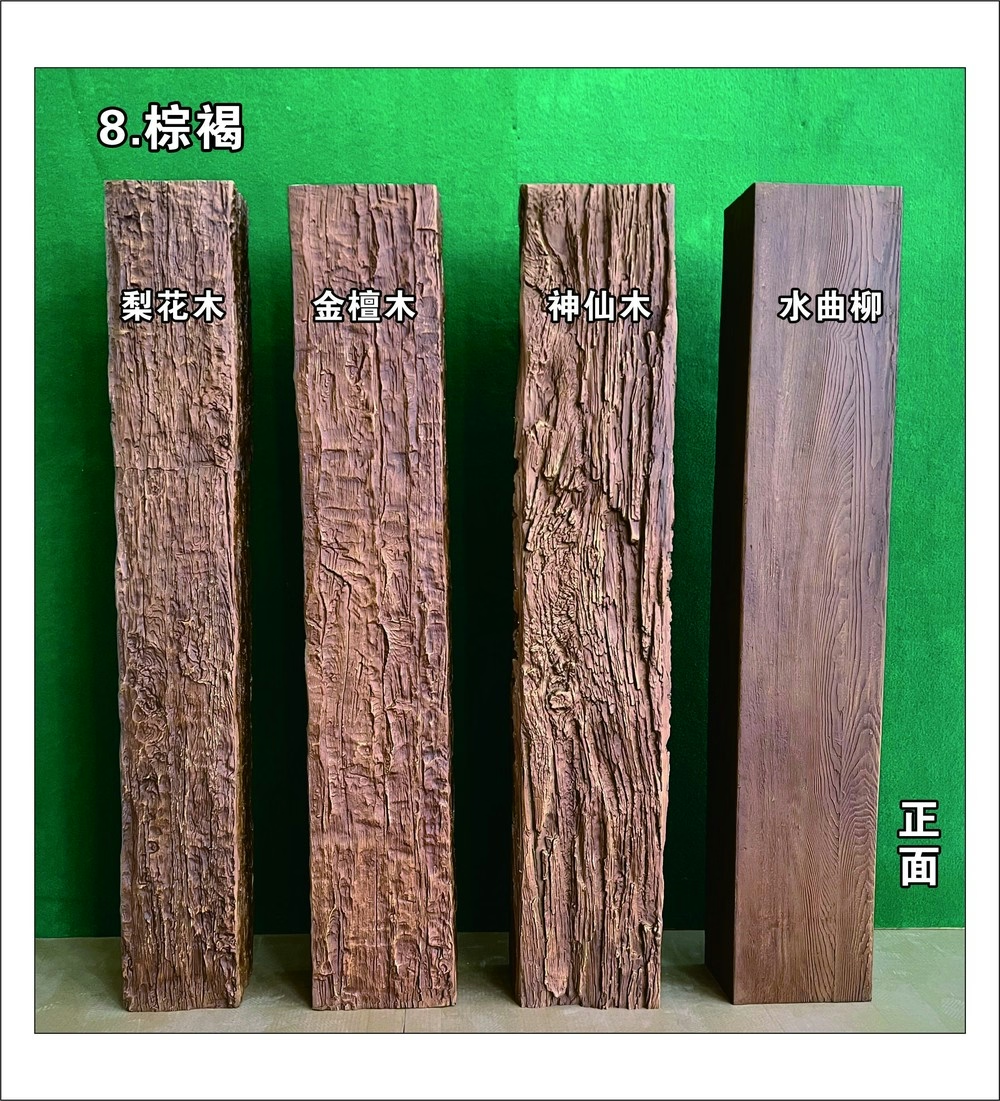
Polyurethane faux wood beams offer remarkable durability and resistance to the environmental factors that compromise natural timber, yet certain vulnerabilities require attention during specification and installation. The end grain of beams—where the porous interior surface becomes exposed during cutting or termination—represents the most susceptible area of any timber or timber-substitute beam. Protective corner caps address this vulnerability specifically, providing sealed termination points that prevent moisture intrusion and physical damage that could compromise beam appearance and structural integrity over time.
While polyurethane itself resists moisture absorption far more effectively than natural wood, the manufactured surface can be compromised if exposed to sustained wet conditions or if the end grain is left unprotected during installation. Corner caps serve both functional and aesthetic purposes: they seal vulnerable surfaces against environmental exposure while providing clean, finished terminations that enhance the overall appearance of beam installations.
Understanding End Grain Vulnerability
The end grain of timber presents unique challenges regardless of whether the material is natural wood or manufactured substitute. End grain exposes the porous internal structure of the material, creating pathways for moisture penetration that do not exist on the sealed surface faces. In natural timber, this vulnerability leads to swelling, checking, and eventual decay in conditions of sustained moisture exposure. While polyurethane resists these processes, the visual impact of moisture contact can still affect appearance.
Cut beam ends present additional challenges during installation. Even with careful handling, the cutting process exposes fresh surfaces that may show slight color variations compared to factory-finished faces. Field-cut ends require touch-up finishing that adds installation time and introduces variables in color matching. Corner caps eliminate the need for field finishing by providing factory-applied protection that matches the beam's original appearance.
Termination points where beams meet walls, columns, or other structural elements create concentrated opportunities for impact damage. Corners and ends are most susceptible to accidental contact from furniture, equipment, or building maintenance activities. The added material thickness of corner caps provides additional protection against impacts that might otherwise dent or crack the beam material.
Cap Design and Material Options
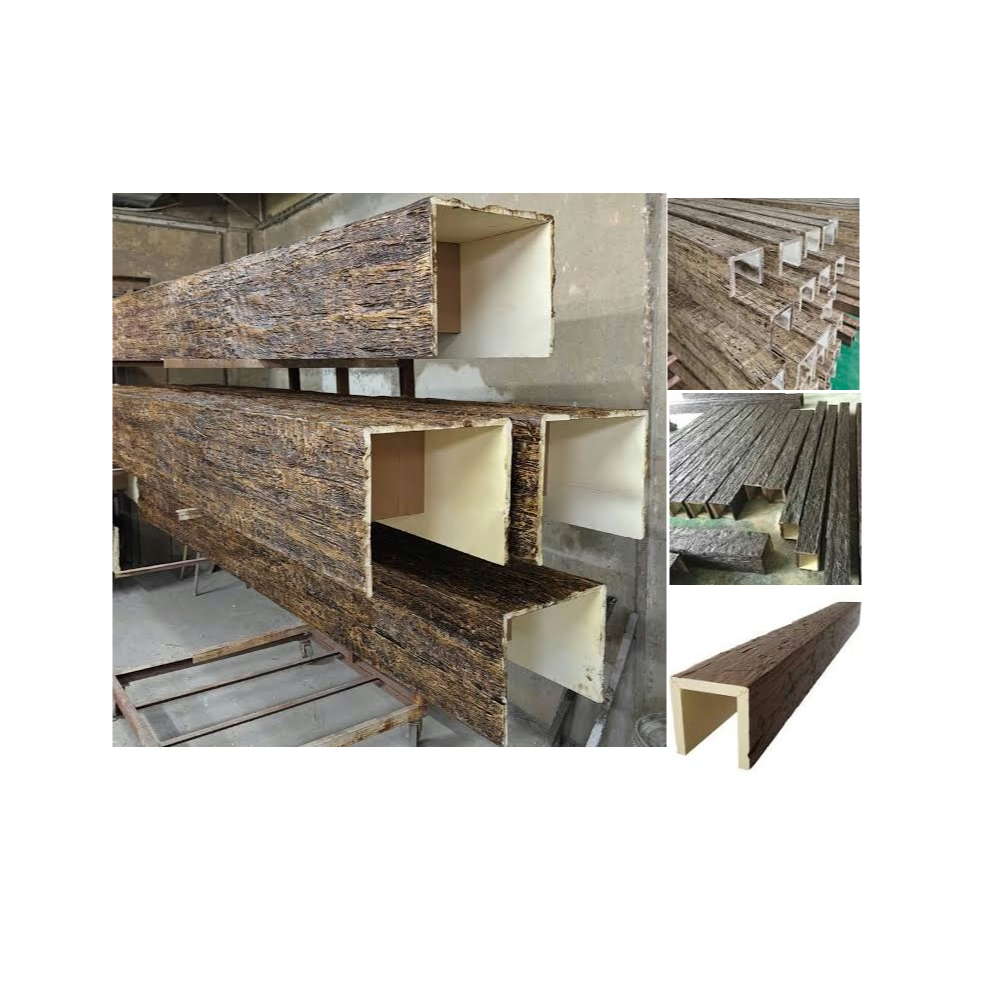
Corner caps are available in configurations matched to standard beam profiles, ensuring proper fit and coverage without gaps or overhangs that would detract from appearance. The caps slip over beam ends and secure with construction adhesive, creating a permanent bond that seals the end grain while providing the structural reinforcement of additional material at stress points.
Material options include matching polyurethane in the same finish as the beams themselves, creating seamless appearance that makes caps invisible after installation. For applications requiring enhanced durability, reinforced composite caps offer increased impact resistance while accepting the same finish treatments as the beams. Metal accent caps in brass, bronze, or blackened steel provide decorative termination points that add visual interest while offering maximum protection.
Installation orientation determines which cap configuration is appropriate. Outside corners require caps that cover the exposed end while providing a clean transition to perpendicular surfaces. Inside corners where beams terminate against walls or other beams may require different configurations depending on the specific geometry of the installation. Our technical support team can recommend appropriate cap selections based on project-specific conditions.
Installation Best Practices
Proper corner cap installation begins with beam preparation. The beam end should be cut cleanly if trimming is required, with any dust or debris removed before cap installation. A dry fit confirms that the cap seats properly before adhesive application. We recommend testing the fit with all beams before proceeding to adhesive application, as adjustments may be needed based on actual dimensional variations.
Construction adhesive applied to the interior of the cap creates a secure bond when pressed into place. The cap should be positioned carefully to align with the beam's orientation, then pressed firmly and held until the adhesive initially sets. Most construction adhesives require several hours to reach handling strength and 24 hours for full cure, during which time the cap should not be stressed.
Sealant applied at the cap-to-beam joint provides additional moisture protection at the critical interface between cap and beam. This sealant bead, color-matched to the beam finish, creates a weatherproof barrier that prevents water from reaching the joint even if the cap is somehow compromised. In exterior applications, this secondary sealing proves particularly important for long-term durability.
Corner caps represent a modest investment that yields significant returns in installation quality and long-term performance. By addressing the most vulnerable points in beam installations, caps ensure that the aesthetic and functional benefits of polyurethane faux beams are maintained throughout the service life of the installation.

Maintenance and Replacement Considerations
Installed corner caps require minimal maintenance beyond periodic cleaning with the beam surfaces they protect. The sealed joint between cap and beam prevents dirt accumulation that might otherwise occur at termination points. Visual inspection during routine maintenance can confirm that caps remain securely attached and undamaged.
If damage occurs, replacement is straightforward. The damaged cap can be pried loose carefully to avoid damaging the underlying beam surface. Adhesive residue should be removed without scratching the beam finish, after which a new cap can be installed following the original installation procedures. Keeping spare caps from the original installation ensures that replacement parts match exactly.
For projects in humid climates or exterior applications, annual inspection of corner cap installations provides opportunity to address any issues before they compromise beam appearance. Re-sealing joints that show any signs of separation maintains the protective barrier that caps are designed to provide. This minimal maintenance investment pays dividends in extended service life and preserved appearance.
Architects specifying corner caps for beam installations should consider the long-term benefits when evaluating project costs. The additional material and installation expense represents a small percentage of overall beam costs while providing significant protection for the visible elements that define the installation's appearance. Our technical team can provide specification guidance and cost estimates for corner cap integration into beam project pricing.

Technical References
ASTM standards cited in every specification
Test Data
Lab results from internal testing program
Updated 2026
Reviewed against current product specs