Interior spaces featuring exposed structural beams present both opportunities and challenges for designers. The beams themselves may possess character and authenticity that enhances spaces, yet they often require enhancement to achieve desired aesthetics. PU faux wood beam sleeves address these needs by providing protective coverings that transform utilitarian elements into refined design features suitable for diverse interior styles.
The concept of beam sleeves extends beyond simple concealment. These products wrap around existing structural elements, creating the appearance of solid timber or crafted millwork while preserving access to underlying infrastructure. This combination of aesthetics and practicality makes sleeve systems valuable tools for interior renovation projects ranging from residential updates to commercial property improvements.
Understanding Beam Sleeve Technology
Beam sleeves function as protective shells that encase existing structural elements without requiring their removal. The sleeve design accommodates various beam profiles including dimensional lumber, engineered joists, and steel I-beams. Adjustable or modular sleeve systems handle dimensional variations, while custom-fabricated options address unique architectural situations.
The polyurethane construction provides significant advantages over traditional wood sleeves. Unlike natural timber, polyurethane resists moisture absorption, preventing the swelling, warping, and decay that compromise wood sleeves in humid environments. Temperature fluctuations cause minimal expansion or contraction, maintaining tight fits and stable appearances throughout seasonal changes.
The lightweight nature of polyurethane simplifies installation logistics considerably. Heavy timber sleeves require structural support considerations and often necessitate multiple installers for safe handling. Polyurethane sleeves can be positioned and secured by individual workers, reducing labor costs and enabling installation in spaces where heavy equipment cannot be accommodated.
Design Applications and Style Possibilities
Contemporary interiors embrace beam sleeves featuring clean lines and minimal detailing. These streamlined options complement modern furniture, open floor plans, and neutral color palettes that prioritize architectural simplicity. The focus remains on material warmth and natural texture rather than ornamental detail.
Traditional and transitional spaces benefit from sleeves with more pronounced architectural detailing. Crown moldings, fluted profiles, and chamfered edges create visual interest that aligns with established design conventions. These options work particularly well in spaces where maintaining period-appropriate aesthetics matters more than achieving cutting-edge contemporary looks.
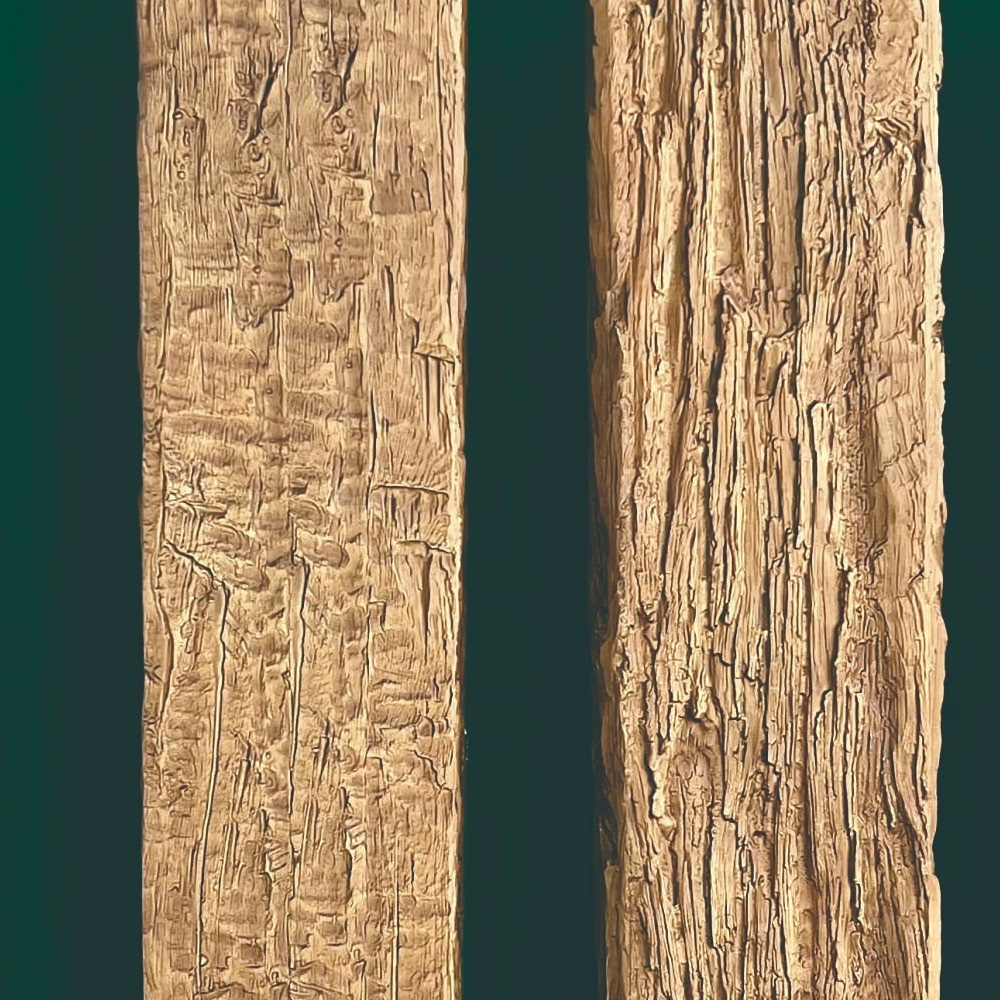
Color and finish selection expands creative possibilities significantly. Natural wood tones ranging from pale ash to deep walnut provide warmth and organic character. Painted finishes in white, gray, or bold colors create focal points or integrate beams with surrounding ceiling surfaces. Textured finishes add authenticity, while smooth options suit contemporary minimalist preferences.


Protection Features and Benefits
Beyond aesthetic enhancement, beam sleeves provide meaningful protection for underlying structural elements. The sleeve material shields beams from direct light exposure that causes UV degradation in organic materials. This photoprotection extends the service life of any wood components within the covered structure.
Physical protection against impact damage preserves beam integrity in high-traffic areas. Spaces where ladders are frequently positioned, equipment moves regularly, or furniture repositioning occurs frequently benefit from sleeve protection that prevents dents, scratches, and surface damage.
Dust and debris accumulation within beam crevices creates cleaning challenges and potential fire hazards in commercial settings. Sleeve installation eliminates these concerns by providing smooth, accessible surfaces that wipe clean without difficulty. This practical benefit proves particularly valuable in restaurants, healthcare facilities, and other environments where cleanliness impacts operational success.
Installation Considerations and Requirements
Successful beam sleeve installation requires accurate measurements and careful planning. Beam dimensions—including width, depth, and any irregularities—must be documented thoroughly before sleeve ordering or fabrication. Professional installers recommend measuring multiple points along beam lengths, as construction tolerances often produce variations that affect sleeve fit.
Clearance requirements determine which sleeve systems suit specific applications. Adequate space must exist around beams to accommodate sleeve thickness plus fastening systems. Beams positioned in tight spaces may require custom-fabricated solutions or alternative covering approaches that work within available clearance constraints.
Substrate preparation ensures proper sleeve attachment. Surface cleaning removes accumulated dust, debris, and any loose materials that might compromise adhesion. Structural issues within underlying beams should be addressed before covering installation, as sleeve application would otherwise conceal problems requiring future attention.
Cost Considerations and Value Analysis
Material costs for beam sleeves vary based on dimensions, profile complexity, and finish quality. Standard profile sleeves in common dimensions offer budget-friendly options for straightforward applications. Custom profiles, oversized dimensions, or premium finishes increase per-linear-foot costs but may be necessary for specific project requirements.
Installation costs depend heavily on accessibility and complexity. Beams in standard residential ceiling applications with adequate working clearance install relatively efficiently. High ceiling installations requiring scaffolding, tight spaces complicating material handling, or complex intersections requiring custom fitting increase labor requirements and associated costs.
Long-term value analysis favors quality sleeve investments for many applications. The durability of polyurethane compared to wood alternatives reduces replacement frequency and associated costs. Minimal maintenance requirements eliminate ongoing care expenses that natural materials might demand. These factors support investment in quality products despite higher initial costs.
Maintenance and Care Requirements
Beam sleeves require substantially less maintenance than natural wood alternatives. The non-porous polyurethane surface resists staining and can be cleaned with damp cloths or mild cleaning solutions. Unlike wood that may require periodic refinishing or sealing, polyurethane maintains appearance without special treatment.
Regular inspection identifies any issues requiring attention. Loose fasteners, seam separations, or surface damage should be addressed promptly to prevent escalation. Establishing inspection routines as part of broader building maintenance programs ensures early problem identification.
Repair options vary based on damage extent. Minor scratches and scuffs may respond to surface cleaning and polishing. More significant damage might require section replacement, which underscores the value of ordering adequate materials during initial installation. Professional assessment helps determine appropriate repair approaches for various damage scenarios.
Environmental and Sustainability Aspects
The environmental profile of polyurethane beam sleeves presents nuanced considerations. The manufacturing process involves petroleum-derived raw materials and energy consumption, suggesting environmental impacts that merit attention. However, the extended service life and reduced maintenance requirements offset these initial impacts compared to alternatives requiring more frequent replacement.
Recycling options for polyurethane materials remain limited compared to other plastics, representing an area where industry improvements could enhance sustainability credentials. Some manufacturers incorporate recycled content into sleeve production, reducing virgin material requirements and supporting circular economy principles.
The potential for sleeve reuse during building renovations adds environmental value. Unlike permanently installed millwork, removable sleeves can be carefully dismantled and reinstalled in new configurations or different properties. This flexibility reduces waste generation and supports adaptive reuse approaches favored by sustainability-conscious designers.
Technical References
ASTM standards cited in every specification
Test Data
Lab results from internal testing program
Updated 2026
Reviewed against current product specs

