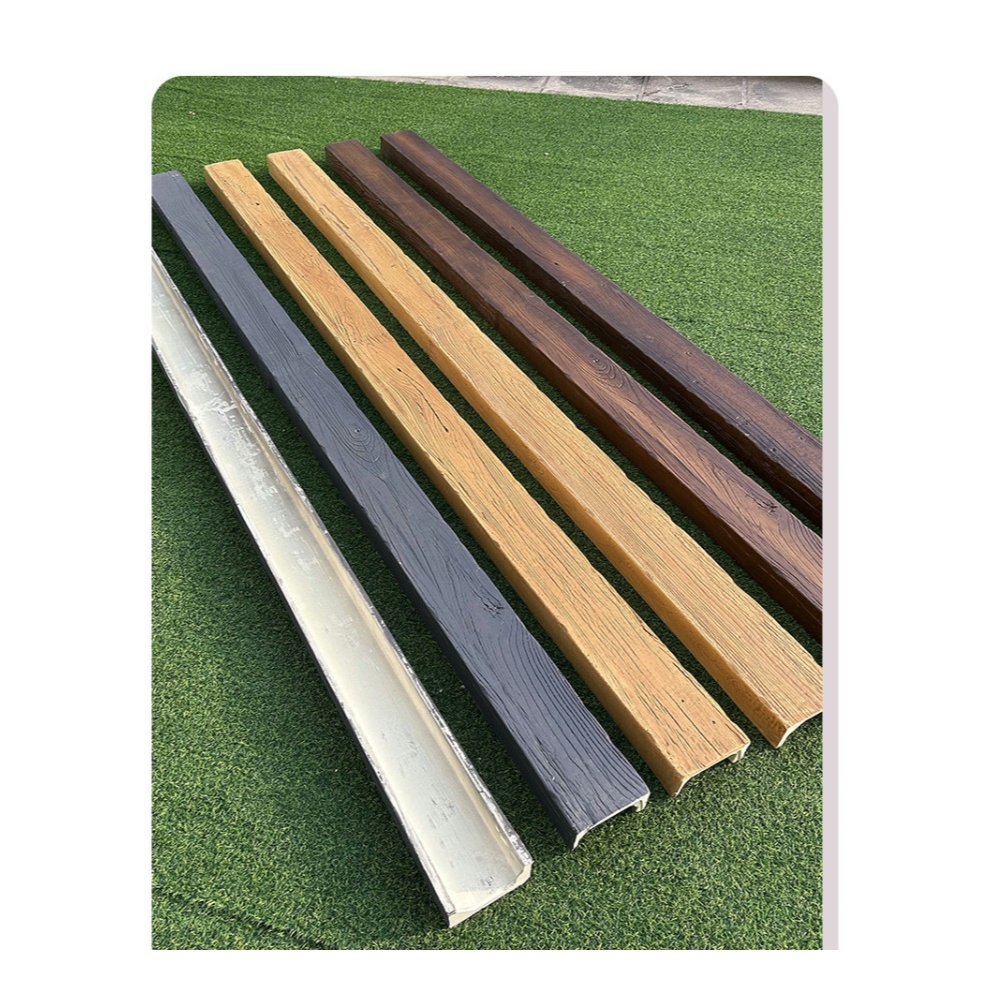
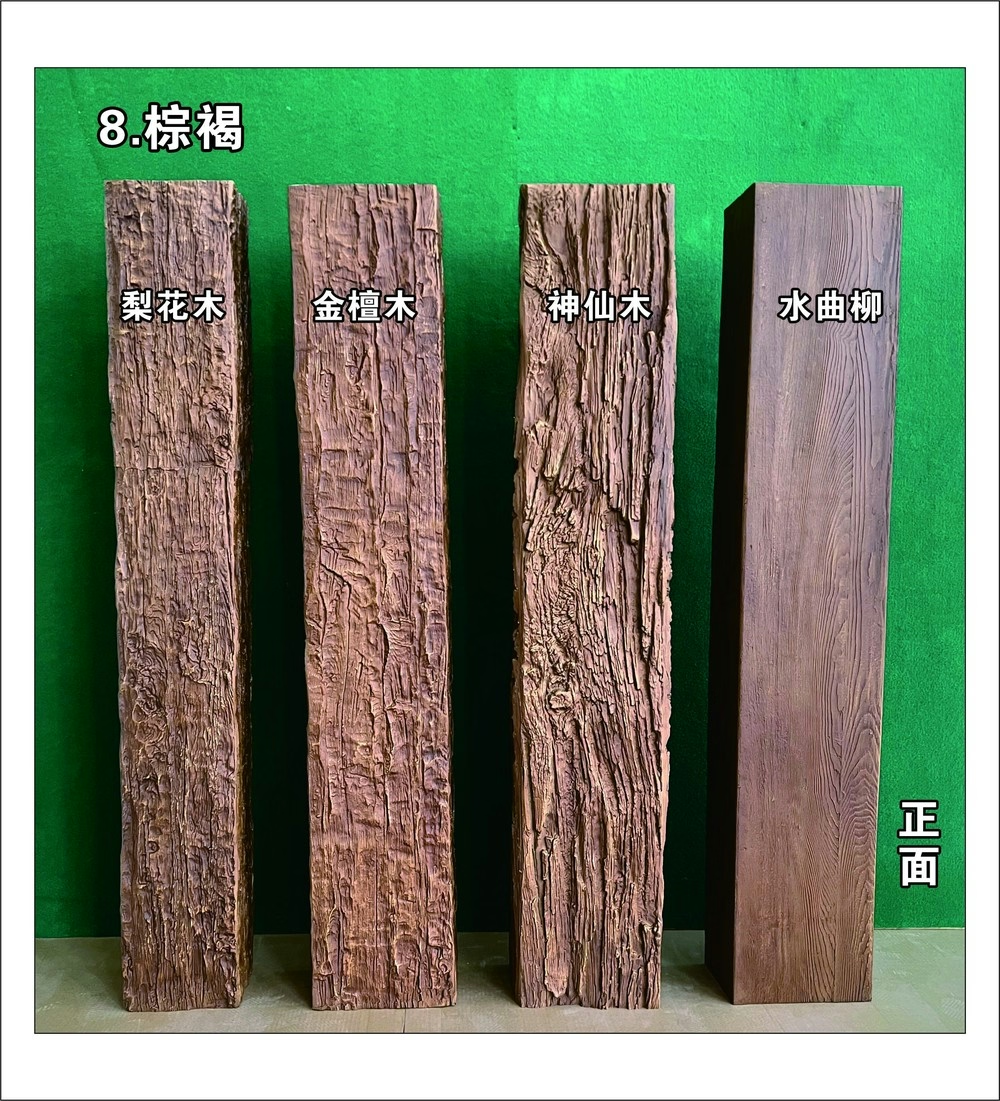
The transition points where polyurethane faux beams meet other building surfaces require thoughtful detailing that addresses both aesthetic and protective concerns. Edge trim products provide clean, finished transitions while shielding vulnerable beam edges from the impacts and abrasion that accumulate throughout the life of an installation. Whether the priority is invisible protection that preserves design intent or decorative trim that adds visual interest, appropriate edge trim selection enhances both appearance and durability.
Beam installations face ongoing exposure to contact from occupants, furniture, equipment, and building maintenance activities. While the body of a beam is well-protected by its substantial cross-section, the exposed edges present relatively thin targets that can be damaged by concentrated impacts. Edge trim adds material thickness precisely where protection is most needed, creating durable boundaries that absorb contact and preserve the beam's appearance.
Trim Profiles and Applications
Protective edge trim is available in multiple profiles suited to different installation conditions and aesthetic requirements. Flush-mounted trim sits level with the beam surface, providing protection without visible elevation changes. This profile works well where clean lines are prioritized and the risk of impact is moderate. The trim becomes essentially invisible after installation, maintaining the seamless appearance of the beam surface.
Raised protective trim extends beyond the beam surface, creating a physical barrier that contacts objects before they reach the beam itself. This profile proves particularly valuable in high-traffic areas, commercial spaces, or locations where furniture repositioning creates ongoing impact risk. The raised profile remains visible, though it can be coordinated with the beam finish to minimize visual distraction.
Decorative trim serves dual purposes, offering protection while adding visual detail that enhances the installation's design contribution. Fluted profiles, beaded trim, and molded accents provide aesthetic interest while their additional material thickness delivers protection. These options work well in traditional or transitional interiors where trim detail is consistent with the overall design vocabulary.
Material selection for edge trim includes options matched to beam construction. Polyurethane trim in matching finishes provides seamless appearance, while PVC and composite options offer enhanced durability at lower cost. Metal accent trim in brass, bronze, or powder-coated steel creates striking visual contrast while delivering maximum impact resistance. Each material presents different finishing characteristics and maintenance requirements.
Installation Techniques for Secure Attachment
Successful edge trim installation requires proper surface preparation and appropriate adhesive selection. The attachment surface should be clean, dry, and free from contamination that might compromise bond strength. Light sanding of smooth beam surfaces improves adhesive contact, though aggressive texturing should be preserved for appearance consistency. A dry fit before adhesive application confirms proper positioning and fit.
Construction adhesive provides the primary bond between trim and beam, with selection based on environmental conditions and substrate compatibility. Water-based adhesives work well in interior applications and clean up easily during installation. Solvent-based adhesives offer stronger initial grab and better moisture resistance, making them preferable for humid environments or exterior applications. Our technical team can recommend specific products suited to project conditions.
Application technique affects both bond strength and appearance. Adhesive should be applied in a continuous bead along the trim's attachment surface, with enough material to create a complete bond without excessive squeeze-out. The trim is positioned carefully, pressed firmly into place, and held until initial set occurs. Moving the trim after placement weakens the bond and may create gaps that collect dirt over time.
Sealing the trim-to-beam joint prevents moisture infiltration that could compromise the bond or create appearance issues. A thin bead of paintable caulk or color-matched sealant applied along the joint creates a weatherproof barrier. This sealing step proves essential in kitchens, bathrooms, and exterior applications where moisture exposure is likely. The sealant remains flexible to accommodate thermal movement without cracking.

Maintenance and Long-Term Performance
Edge trim requires minimal maintenance once properly installed, with periodic inspection sufficient to confirm continued secure attachment. Visual examination can identify any gaps forming at joints or any areas where trim has lifted from the substrate. Early intervention with re-adhesive application prevents progression that might require complete trim replacement.
Cleaning procedures for trim follow standard beam maintenance practices, with soft cloths or brushes removing accumulated dust and debris. The smooth surface of most trim profiles wipes clean easily, though textured or decorative profiles may require more detailed attention to detail. Avoid harsh cleaners or abrasive tools that might damage the finish or scratch the trim surface.
Replacement becomes necessary if damage occurs despite protective measures. The damaged trim section can be removed carefully, adhesive residue cleaned from the substrate, and new trim installed following original procedures. Having spare trim material from the original installation ensures color and profile matching. For discontinued profiles or finishes, our technical team can advise on equivalent options.
The investment in protective edge trim pays dividends throughout the service life of a beam installation. By preventing damage that would otherwise require repair or replacement, trim extends intervals between maintenance interventions and preserves the installation's original appearance. For commercial applications where ongoing foot traffic creates persistent impact risk, protective trim proves particularly valuable.
Architects and designers should specify edge trim as standard detail for beam installations, particularly in applications with elevated impact risk. The modest additional cost typically represents less than 5% of total beam project expense while providing meaningful protection for the investment in beautiful, durable faux timber aesthetics.

Technical References
ASTM standards cited in every specification
Test Data
Lab results from internal testing program
Updated 2026
Reviewed against current product specs