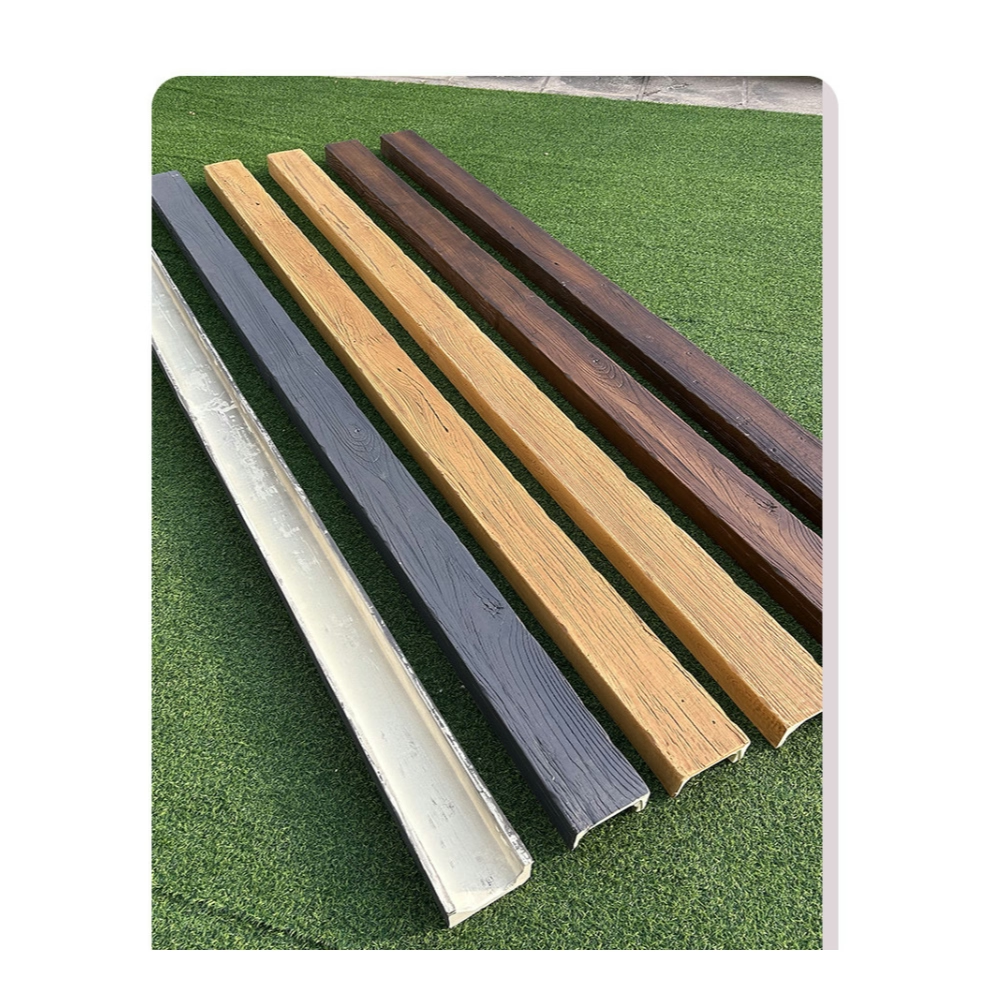
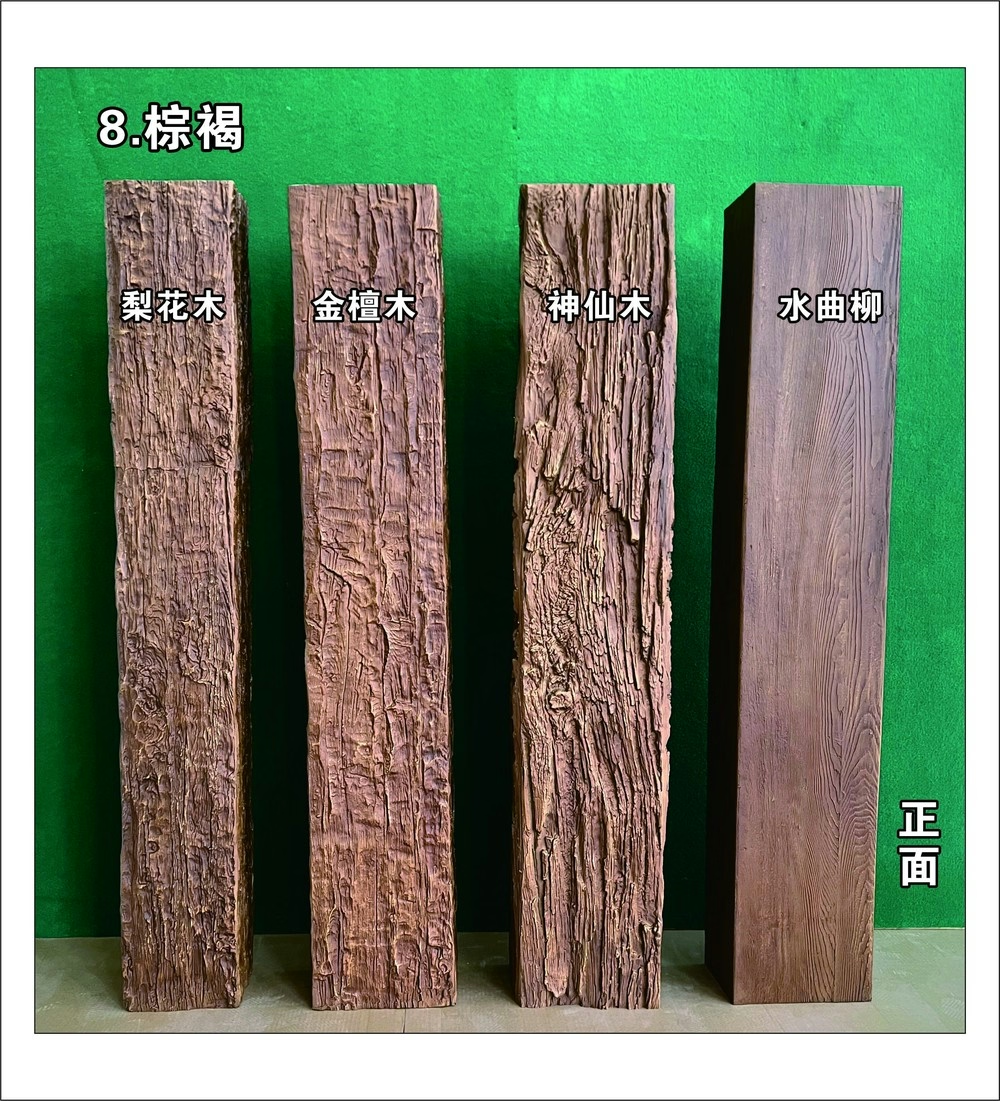
The pursuit of flawless beam installations leads designers and installers toward enclosure sleeve solutions that address multiple concerns simultaneously. These comprehensive covering systems protect decorative beams from installation damage, environmental exposure, and ongoing wear while providing the clean, finished appearances that discerning clients expect. Understanding the capabilities and applications of enclosure sleeves helps construction professionals specify appropriate systems for diverse project requirements.
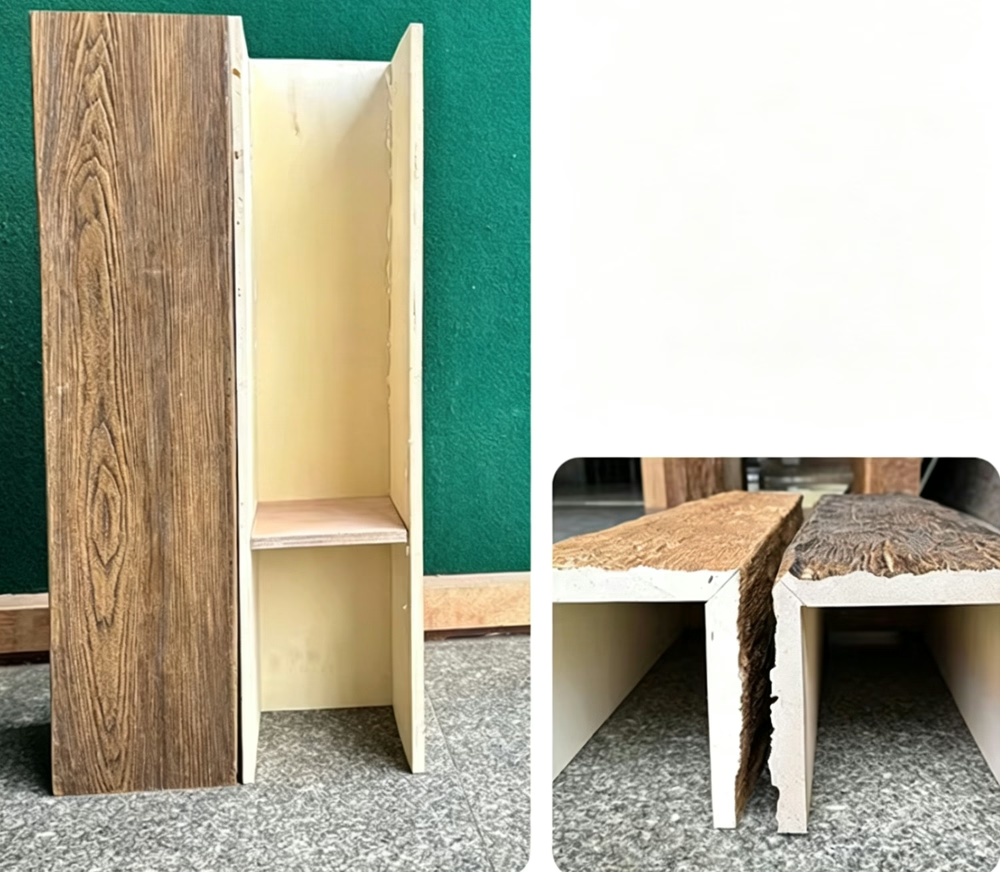
Enclosure sleeves differ from simpler covering approaches by providing complete perimeter protection around beam elements. Rather than attaching decorative panels to existing structural elements, enclosure systems create standalone shells that encase beams entirely. This isolation provides superior protection while enabling installation independent of underlying structure conditions.
Design Philosophy Behind Enclosure Systems
The development of enclosure sleeve technology reflects lessons learned from decades of beam installation experience. Early decorative beam products often suffered damage during installation, transport, or service life because protection was insufficient for real-world conditions. Enclosure designs emerged as responses to these failure modes, incorporating protective features that address specific vulnerability points.
Modern enclosure systems balance protection with aesthetics, recognizing that decorative beams must look exceptional while performing durably. This dual requirement influences material selection, profile design, and fastening approaches. The resulting products represent compromises that achieve both objectives without severe tradeoffs in either direction.
Installers appreciate the systematic approach that enclosure systems provide. Rather than improvising protection strategies using miscellaneous materials, professionals can specify complete systems designed to work together. This standardization improves quality consistency across installations while reducing decision fatigue during complex projects.
Structural Protection Capabilities
The complete encasement provided by sleeve systems shields beam surfaces from physical impact throughout service life. Construction-phase protection proves particularly valuable, as decorative beams installed before other trades complete their work face significant impact risks from equipment, materials, and worker traffic. Enclosure sleeves prevent the scratches, dents, and surface damage that would otherwise require repair or replacement.
Environmental protection addresses moisture, UV radiation, and temperature fluctuations that affect beam longevity. Polyurethane resists these factors inherently, but enclosed beams benefit from the additional shielding that sleeve systems provide. This layered protection proves especially valuable in challenging environments such as pool enclosures, sunrooms, or exterior-adjacent spaces.
Chemical resistance becomes relevant in commercial and industrial applications where beams may encounter cleaning agents, lubricants, or process materials. The smooth, non-porous surface of enclosure sleeves resists staining and can withstand repeated cleaning without damage. This durability supports deployment in restaurants, healthcare facilities, and manufacturing environments.
Installation Methodology
Professional enclosure sleeve installation follows established procedures that ensure quality results. Pre-installation preparation includes site assessment, measurement verification, and substrate evaluation. These preparatory steps identify conditions requiring special attention before actual installation begins.
The installation sequence typically begins with header or mounting system installation. These structural components support beam weight and maintain positioning throughout service life. Proper header installation requires accurate measurement and secure attachment to ceiling structures or adjacent framing.
Sleeve sections install after headers establish support points. Sections may attach directly to headers or interlock with adjacent sleeve sections depending on system design. The goal involves creating seamless appearances that suggest solid beam construction rather than assembled components.

Joint Treatment and Seaming Techniques
Achieving seamless appearances requires careful attention to joint treatment between sleeve sections. Expansion joints accommodate thermal movement while remaining invisible to casual observers. The techniques employed depend on sleeve material, environmental conditions, and aesthetic requirements.
Mitered joints at corners and intersections demand precise cutting and fitting. Professional installers use specialized cutting guides and quality saw blades that produce clean, accurate cuts. Small alignment errors compound across multiple joints, creating visible gaps that compromise finished appearance.
Butt joints in long runs present different challenges than mitered corners. These joints should occur at inconspicuous locations when possible, such as above doorways or in shadowed areas. When visible butt joints are unavoidable, careful color matching and filling create transitions that blend acceptably with surrounding surfaces.
Finish Integration Strategies
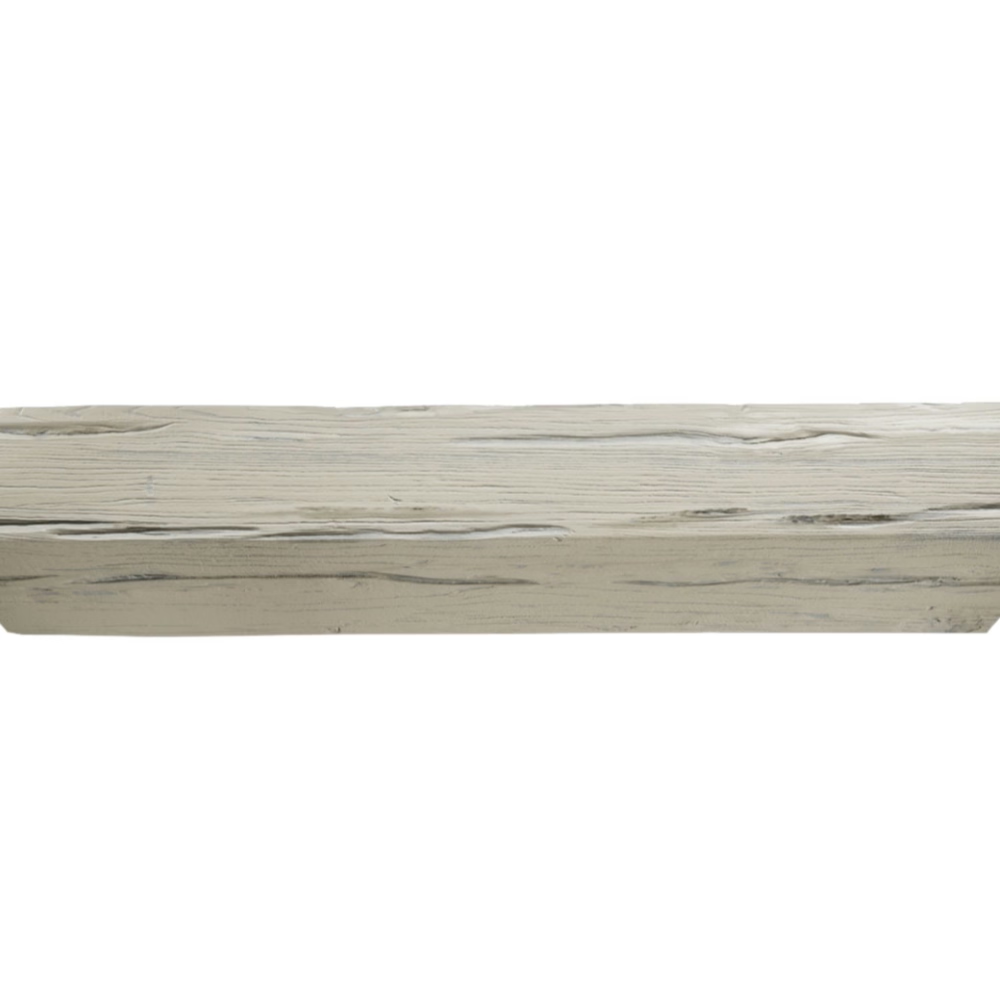
Enclosure sleeves must integrate aesthetically with surrounding architectural elements. Ceiling surfaces, wall treatments, and adjacent millwork all influence finish selection and application. The goal involves creating cohesive appearances where beams feel integral to overall design rather than appended afterward.
Color matching between sleeves and adjacent surfaces requires careful material selection or custom finishing. Pre-finished sleeves from manufacturers offer color consistency but may not match specific project requirements. Field finishing provides unlimited color options but demands skill and attention to achieve professional results.
Texture coordination completes the aesthetic integration process. Smooth sleeves on heavily textured ceilings create contrast that may appear intentional or jarring depending on design goals. Textured sleeve finishes that echo ceiling textures produce more harmonious results when seamless appearances are desired.
Cost-Benefit Considerations
Enclosure sleeve investments must be evaluated against project budgets and performance requirements. Premium systems command higher prices but deliver corresponding quality and durability benefits. Budget options provide adequate performance for less demanding applications but may require replacement sooner or show wear earlier.
Total cost of ownership analysis reveals long-term advantages for quality enclosure systems. The initial premium over simpler covering approaches often proves economical when replacement costs, repair expenses, and maintenance requirements accumulate over system lifetimes. Professional installation and quality materials create value that justifies investment.
Labor cost variations affect overall project economics significantly. Complex installations with numerous beams, difficult access, or custom requirements increase labor costs proportionally. Simplified designs and standardized approaches reduce installation time and associated expenses.
Performance Testing and Certification
Quality enclosure systems undergo testing that validates performance characteristics. Fire resistance testing confirms behavior during exposure to flames and heat, relevant for applications in commercial buildings where code compliance requires specific ratings. Impact resistance testing quantifies ability to withstand physical abuse without damage.
Building code compliance varies by jurisdiction and application. Professional installers understand local requirements and specify systems that meet applicable standards. Documentation including test reports, certification labels, and installation instructions supports code compliance verification during inspections.
manufacturer certifications provide additional assurance regarding product quality. Established brands with reputations at stake typically maintain higher quality standards than unknown suppliers. This relationship between reputation and quality influences purchasing decisions for professional installers.
Customization Options for Unique Requirements
Standard enclosure sleeves address common beam sizes and configurations, but unique project requirements often demand custom solutions. Oversized beams in grand spaces, irregular beam profiles, or non-standard ceiling conditions all present challenges that standard products cannot address adequately.
Custom fabrication services produce enclosure sleeves tailored to specific project requirements. The process typically begins with detailed measurement and documentation, followed by design review and approval. Extended lead times apply to custom work, requiring early planning to coordinate with project schedules.
The cost premium for custom enclosures must be weighed against benefits achieved. Some situations genuinely require custom solutions due to dimensional constraints or aesthetic requirements. Others can be addressed through creative application of standard products with field modifications. Experienced professionals help clients understand these tradeoffs during project planning.
Maintenance Requirements and Procedures
Enclosure sleeve maintenance focuses on surface care rather than structural concerns. Regular cleaning removes accumulated dust, fingerprints, and environmental contaminants that might affect appearance. The frequency depends on environmental conditions and usage patterns—kitchens require more frequent cleaning than rarely-used formal rooms.
Inspection routines verify continued proper function of fastening systems and joint treatments. Problems identified early can be corrected before escalating into more significant issues. Professional maintenance contracts ensure consistent attention to these details in commercial applications.
Repair procedures vary based on damage types and severity. Surface scratches might respond to polishing or touch-up finishing. Structural damage may require section replacement. Professional assessment helps determine appropriate repair approaches and whether replacement proves more economical than repair.
Technical References
ASTM standards cited in every specification
Test Data
Lab results from internal testing program
Updated 2026
Reviewed against current product specs