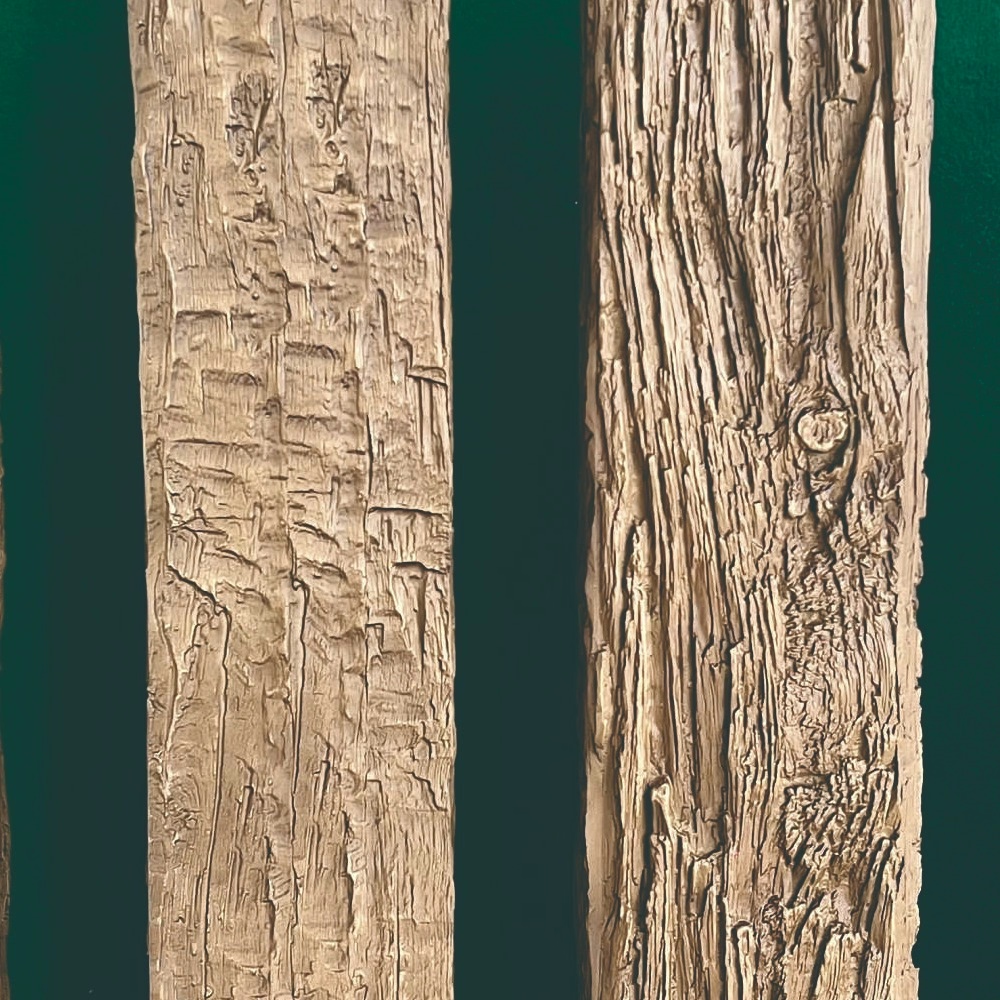
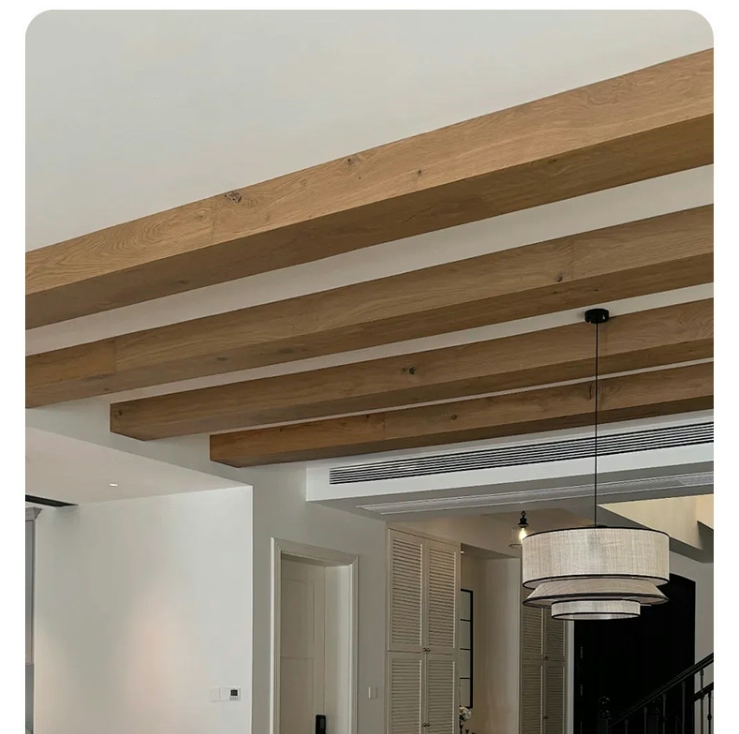
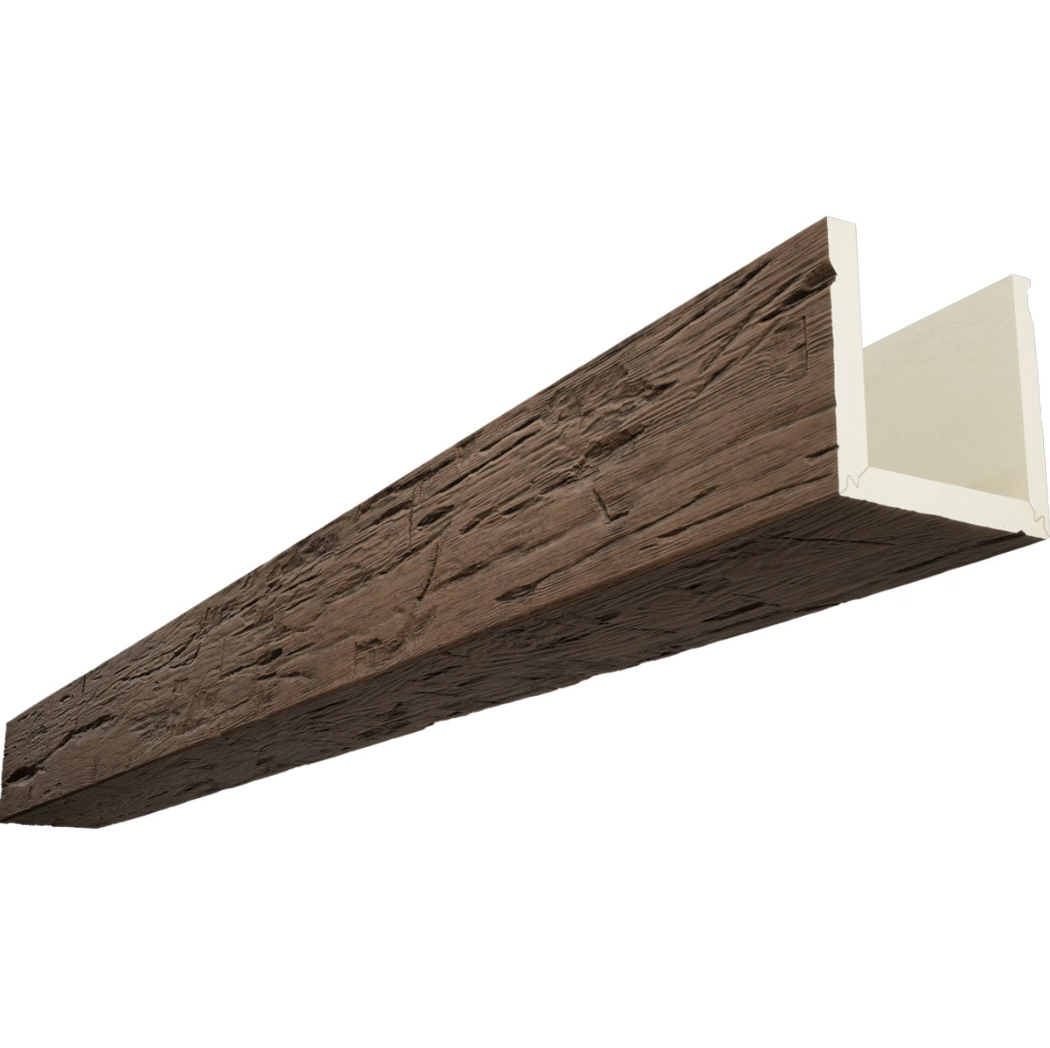
Industrial and commercial buildings frequently feature exposed steel beams as structural elements, creating utilitarian environments that lack the warmth and character many design applications require. The stark appearance of bare steel conflicts with hospitality, retail, and residential expectations where organic materials and traditional aesthetics prevail. Faux wood casings provide practical solutions that transform these industrial elements into refined architectural features.
The challenge of covering steel beams differs from concealing wood construction. Steel's high strength allows slimmer profiles than wood beams require, meaning wood-replacement casings must carefully proportion dimensions to avoid overwhelming spaces. Additionally, steel's thermal conductivity creates condensation concerns that covering systems must address appropriately.
Advantages of Polyurethane Casings for Steel
Polyurethane faux wood casings offer specific advantages when applied to steel beams. The lightweight nature of polyurethane reduces overall weight loads on building structures—a consideration that becomes relevant when covering multiple beams throughout large commercial spaces. Unlike heavy timber casings, polyurethane systems add minimal structural burden.
Thermal performance differences between polyurethane and steel require consideration during specification. Steel beams conduct heat efficiently, potentially creating condensation issues when warm, humid air contacts cold beam surfaces. The insulating properties of polyurethane casings moderate this conductivity, reducing condensation risks in conditioned spaces.
Corrosion protection represents another significant benefit of covering steel beams. While properly maintained steel resists corrosion indefinitely, scratches, moisture accumulation, and environmental exposure can initiate degradation processes. Casings prevent these exposure events while allowing any existing coating systems to continue protecting underlying steel.
Profile Design Considerations
Steel beam profiles vary considerably depending on structural requirements and building age. Wide-flange beams, pipe columns, tube steel, and angle iron each present different covering challenges. Selecting or designing casings that accommodate specific profile geometries ensures proper fit and appearance.
Proportion relationships between casings and underlying beams affect visual results substantially. Oversized casings create dramatic focal points appropriate for grand spaces or design-focused applications. Proportionally modest casings blend more subtly, suitable for spaces where beams should support rather than dominate design intentions.
Corner treatments vary based on aesthetic preferences and practical requirements. Chamfered corners create softer appearances with reduced chipping risk in high-traffic areas. Sharp corners provide crisper aesthetics but require protection against impact damage. Radius corners offer intermediate characteristics suitable for many applications.
Installation Methods for Steel Substrates
Steel substrates require modified fastening approaches compared to wood construction. Mechanical anchors designed for steel applications penetrate beam flanges or webs without compromising structural integrity. Welding provides alternative attachment methods for permanent installations where aesthetics permit visible weld marks.
Adhesive attachment may supplement mechanical fastening in appropriate applications. Structural adhesives rated for steel-to-polyurethane bonding provide secure attachments while eliminating visible fasteners. Surface preparation requirements for adhesive bonding prove more demanding than mechanical fastening, requiring clean, properly prepared surfaces.
Thermal expansion considerations influence installation details. Steel and polyurethane expand and contract at different rates during temperature changes. Expansion joints accommodate differential movement without causing stress damage to either material or surrounding construction. Professional installers understand these requirements and implement appropriate details.

Fire Rating and Code Compliance
Commercial applications frequently require fire-rated assemblies that limit flame spread and smoke development. Steel loses structural capacity rapidly when heated, making concealed steel beams vulnerable during fire events. Understanding these requirements helps specify casings that meet applicable codes.
Steel itself does not burn, but polyurethane casings may contribute to fire loading depending on material formulation. Fire-retardant polyurethane formulations reduce this contribution significantly, achieving ratings that satisfy most building code requirements. Documentation from manufacturers confirming fire ratings should be verified during specification.
Assembly ratings that include beam casings may require specific installation configurations. The interaction between casings, structural elements, and any associated fire protection affects overall assembly performance. Manufacturer guidelines should be followed carefully to maintain rated assemblies.
Aesthetic Integration Strategies
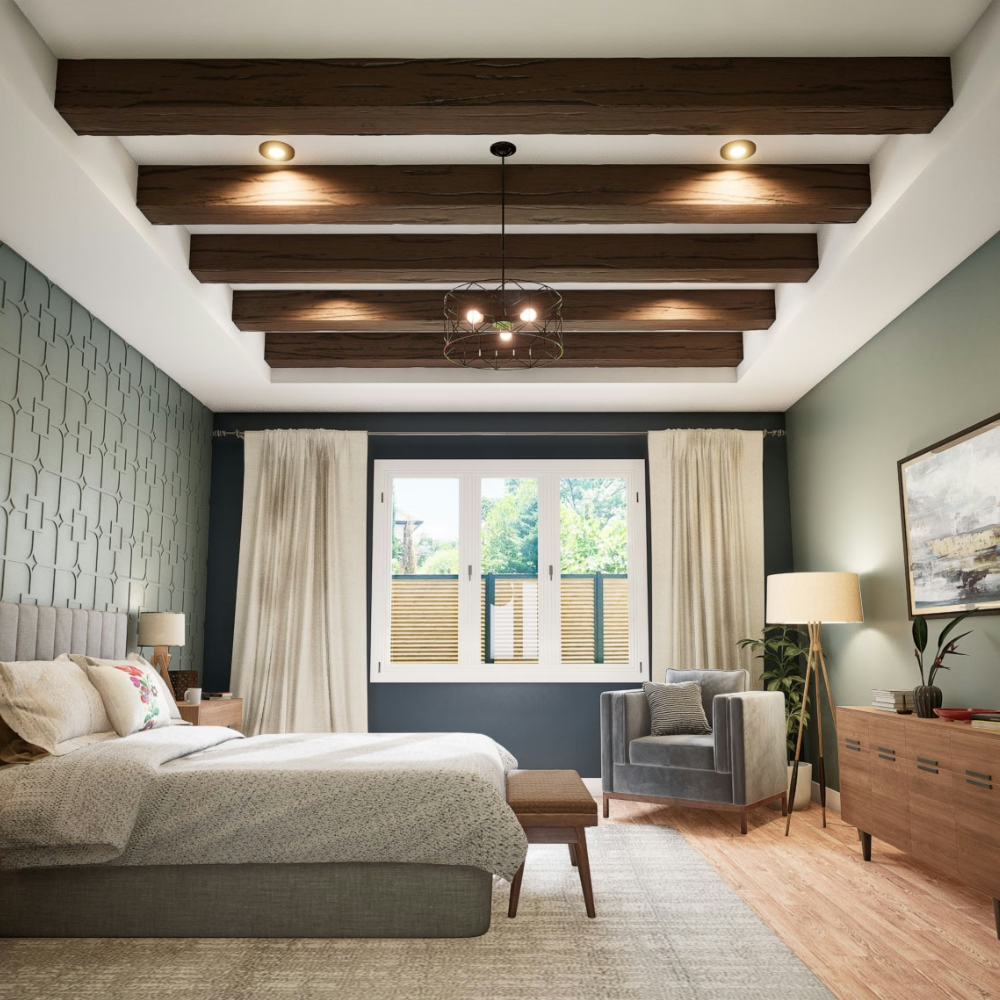
Converting industrial steel to wood-like appearances requires attention to surrounding design elements. The warm, organic character of wood-grain casings should extend throughout spaces to create cohesive environments. Isolated beam casings amid industrial ceilings and walls create jarring contrasts that undermine design quality.
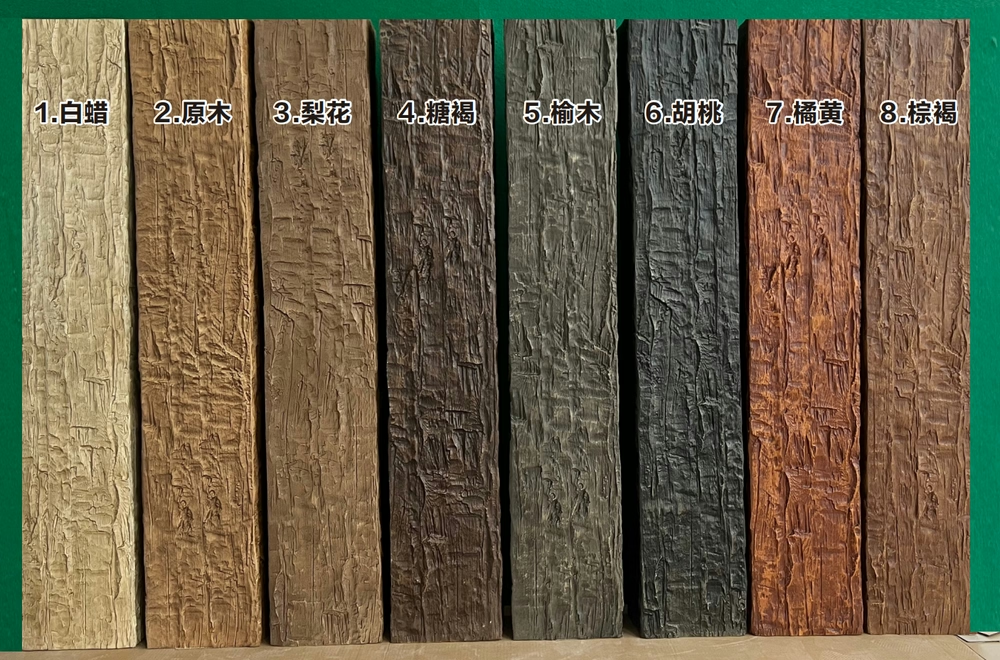
Finish selection impacts integration significantly. Natural wood tones create warmth appropriate for hospitality and residential contexts. Painted finishes that match or complement ceiling surfaces create more integrated appearances where beams recede visually. High-contrast finishes that emphasize beam presence support dramatic design intentions.
Lighting integration affects perceived quality of beam casings significantly. Strategic lighting highlights wood textures and grain patterns, reinforcing the authenticity of wood-like appearances. Poor lighting renders even quality casings flat and unconvincing. Design professionals should consider lighting during specification phases.
Cost Analysis for Commercial Applications
Commercial beam covering projects involve both material and installation costs that vary based on project characteristics. Large commercial spaces with numerous beams benefit from quantity pricing and standardized installation approaches. Smaller projects with complex conditions may incur higher per-beam costs.
The value proposition for steel beam covering extends beyond aesthetic improvement to include long-term protection benefits. The cost of maintaining bare steel beams—including inspection, cleaning, touch-up painting, and eventual repainting—accumulates substantially over building service life. Casing investments offset these ongoing costs while delivering improved appearances.
Life-cycle cost analysis supports investment decisions for quality casings. Premium products with longer service lives and lower maintenance requirements often prove more economical than budget alternatives despite higher initial costs. Professional evaluation helps identify optimal approaches for specific project circumstances.
Maintenance and Inspection Protocols
Steel beams concealed behind casings require modified inspection approaches. Visual inspection of visible portions cannot assess concealed steel condition, so periodic assessment through removable inspection panels or other access points should be incorporated. These provisions allow evaluation without dismantling entire casings.
Surface maintenance of polyurethane casings involves regular cleaning to remove accumulated dust and debris. The frequency depends on building use and environmental conditions—commercial kitchens require more frequent cleaning than office spaces. Cleaning methods should avoid harsh chemicals that might damage polyurethane surfaces.
Damage repair procedures depend on damage types and severity. Minor surface damage may respond to repair compounds and refinishing. Severe damage might require section replacement, making spare inventory worthwhile for commercial applications. Professional assessment helps determine appropriate repair approaches.
Design Applications Across Industries
Hospitality venues embrace steel beam covering as solutions for creating warm, inviting atmospheres in converted industrial spaces. Warehouses converted to restaurants, breweries, and event venues frequently feature exposed steel structures that covering systems transform into refined design elements. The rustic-meets-refined aesthetic appeals to customers seeking unique dining experiences.
Retail environments utilize steel beam covering to create premium atmospheres that support brand positioning. Department stores, boutique shops, and shopping centers employ beam casings to soften industrial architecture while maintaining the spaciousness that exposed structure provides. These applications balance functional and aesthetic requirements effectively.
Healthcare and educational facilities apply steel beam covering to create therapeutic or pedagogically appropriate environments. The warmer appearances achieved through wood-grain casings contribute to healing atmospheres in healthcare settings and supportive learning environments in schools. These applications demonstrate the versatility of covering solutions across diverse contexts.
Technical References
ASTM standards cited in every specification
Test Data
Lab results from internal testing program
Updated 2026
Reviewed against current product specs