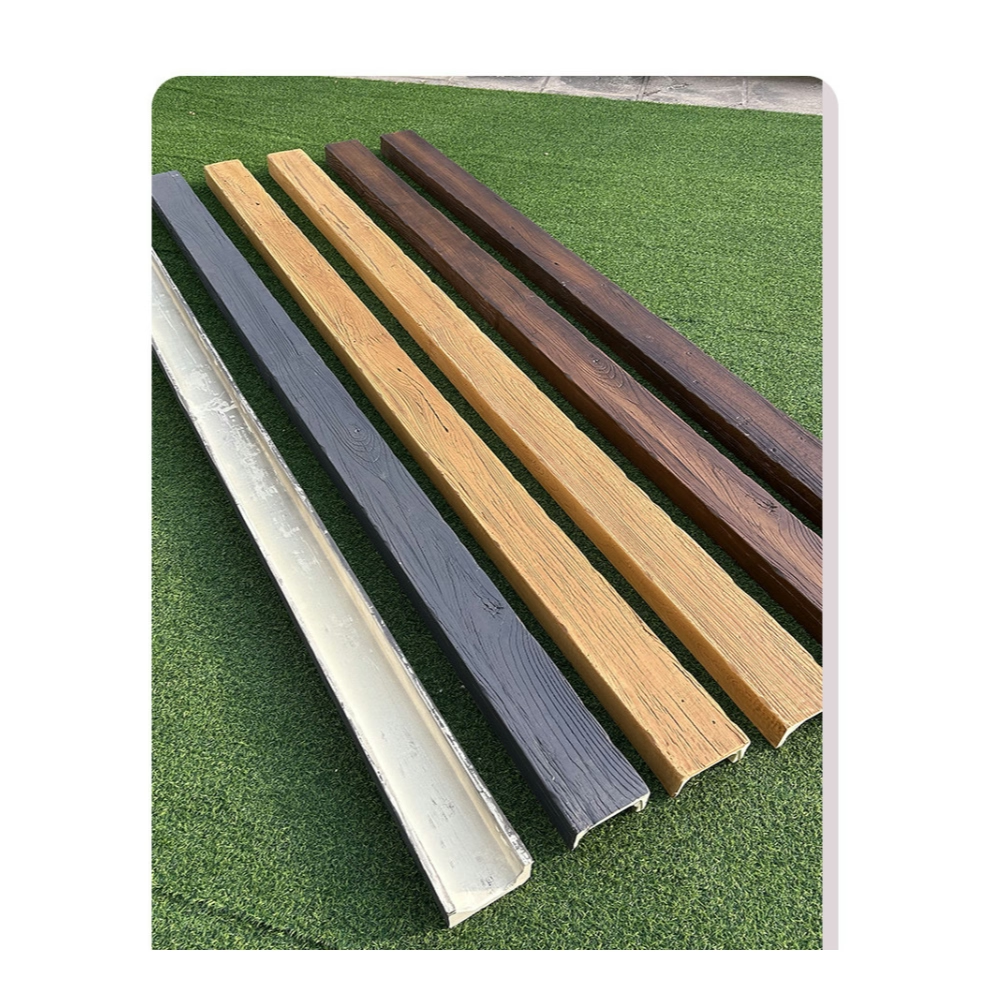
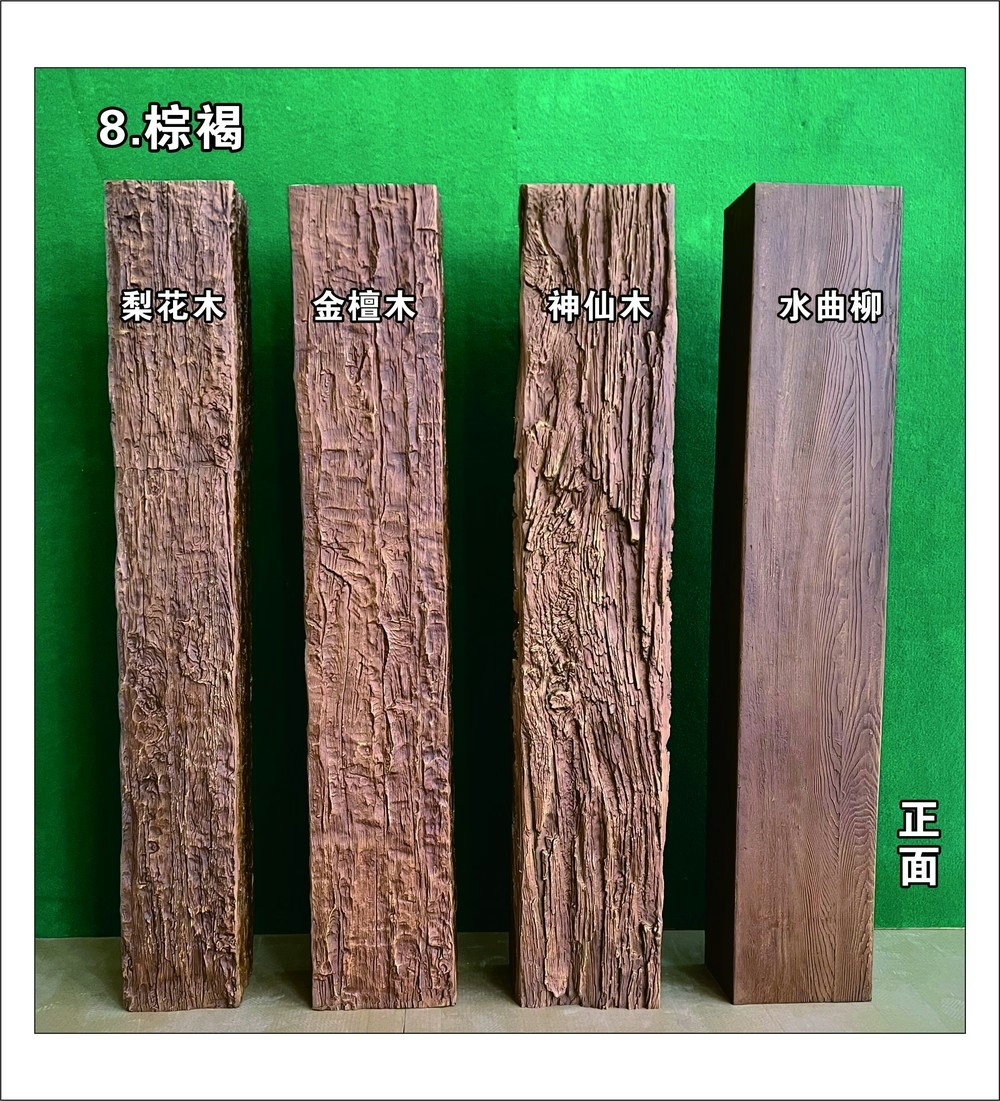
Renovation projects frequently encounter existing structural beams that present design challenges requiring creative solutions. These beams may be structurally sound but visually unappealing, outdated in style, or damaged in ways that full replacement would address excessively. Faux wood beam sleeves provide alternative approaches that resolve aesthetic concerns while preserving structural integrity and avoiding demolition complexities.
The decision to cover rather than replace structural elements involves multiple considerations. Engineering assessments confirm beam fitness for continued service, eliminating concerns about concealing problems that might require future attention. Once cleared for coverage, beams become candidates for sleeve installation that transforms their appearance while protecting their surfaces.
Technical Foundations of Sleeve Systems
Beam sleeves function as protective shells designed to fit over existing structural elements. The design accommodates various beam types including dimensional lumber, engineered joists, and steel profiles. Adjustable systems handle dimensional variations, while custom options address unique architectural situations.
Polyurethane construction provides significant advantages for sleeve applications. The material's light weight reduces structural loading considerations that heavier wood or stone alternatives might introduce. Dimensional stability prevents the warping, twisting, and shrinking that complicate wood sleeve installation and maintenance.
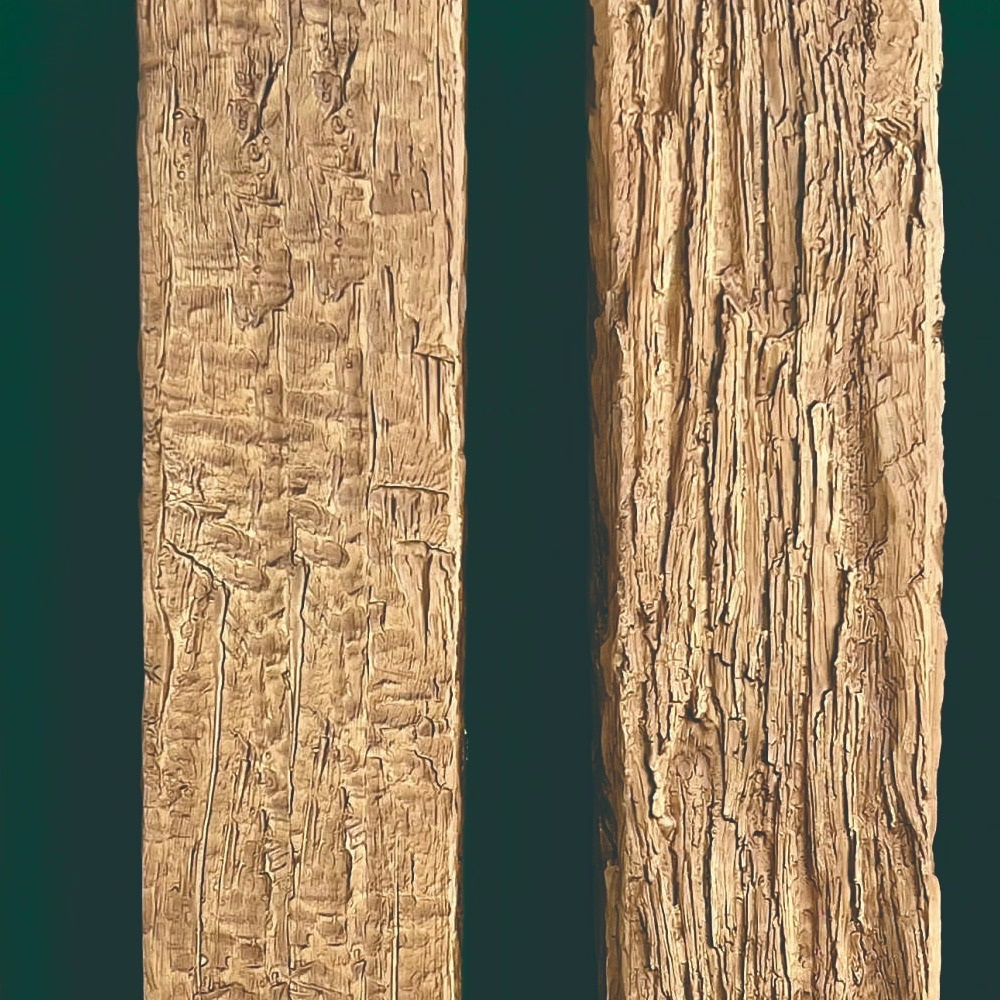
The moldability of polyurethane enables complex profiles that would prove difficult or impossible with wood materials. Intricate wood grain textures, detailed edge treatments, and seamless joint systems emerge from manufacturing processes that produce consistent results across production runs. This consistency supports professional installation and quality maintenance.
Preparation Requirements Before Sleeve Installation
Site assessment precedes any sleeve installation work. The condition of existing beams requires thorough evaluation to identify any issues requiring attention before covering. Structural problems, moisture damage, or pest activity must be resolved before sleeve installation, as the covering would otherwise conceal conditions requiring future remediation.
Measurement precision directly affects installation quality. Professional installers measure beam dimensions at multiple points along lengths and across widths, documenting any variations that might affect sleeve fit. These measurements inform both product selection and any custom fabrication requirements.
Access evaluation identifies conditions affecting installation approach. Ceiling height, beam positioning relative to walls and other obstructions, and available working space influence technique selection and labor requirements. Complex access may require specialized equipment or modified installation procedures.

Sleeve System Selection Criteria
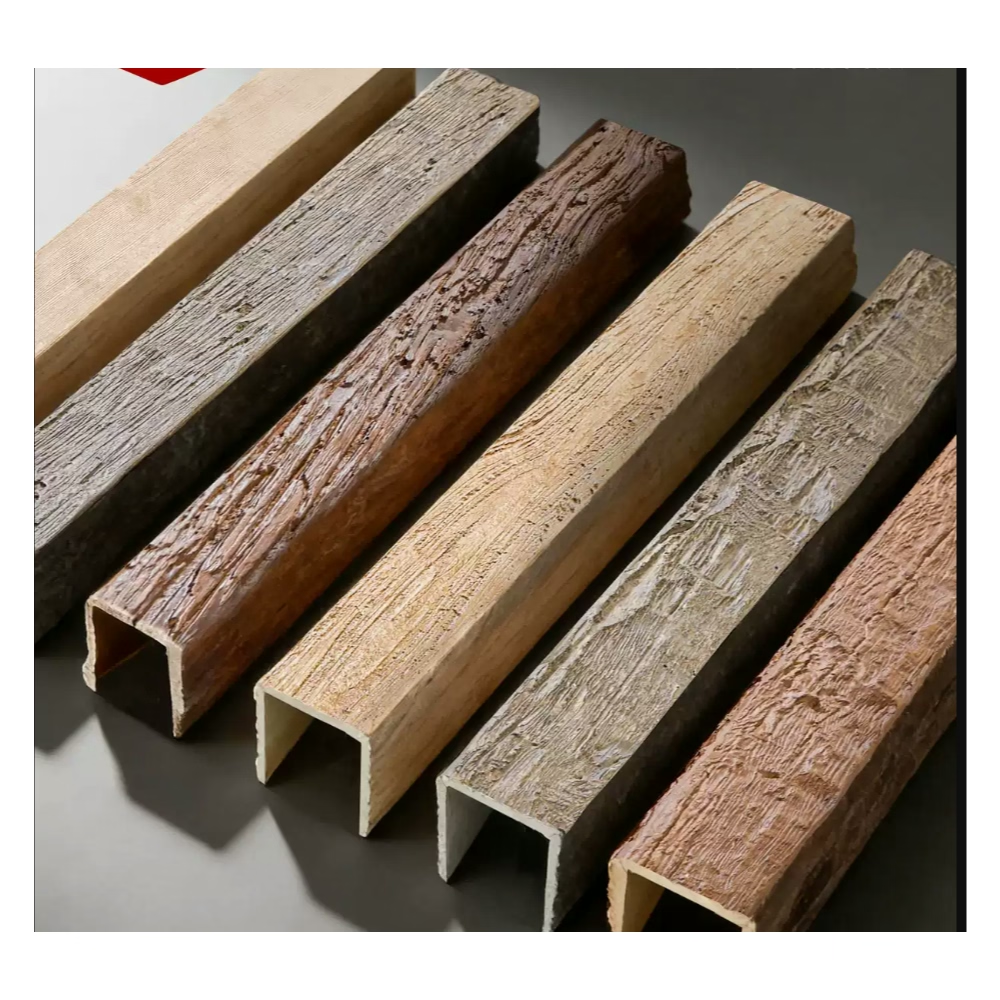
Profile selection depends on aesthetic goals and dimensional constraints. Traditional beam profiles with crown moldings and detailed edges suit classic interiors, while streamlined profiles complement contemporary settings. The selected profile should harmonize with surrounding architectural elements and design intentions.
Size selection balances visual impact against proportional appropriateness. Oversized beams create dramatic focal points but may overwhelm modest spaces. Appropriately scaled beams integrate more subtly, supporting overall design without demanding excessive attention. Professional guidance helps navigate these decisions.
Finish selection determines both appearance and maintenance requirements. Pre-finished options eliminate on-site finishing work but limit customization possibilities. Field-finished options provide unlimited color and texture choices but require skilled application to achieve professional results. The tradeoffs merit evaluation during project planning.
Installation Techniques and Best Practices
Proper installation begins with accurate beam marking and alignment verification. Reference lines ensure sleeves install straight and true, preventing the crooked appearances that misalignment creates. Careful attention during this preparatory phase pays dividends throughout the installation process.
Fastening systems vary based on substrate conditions and load requirements. Mechanical fasteners driven into structural members provide secure attachments, while adhesive bonding supplements mechanical fastening in many applications. The specific approach depends on beam materials, sleeve designs, and manufacturer guidelines.
Joint treatment between sleeve sections requires careful attention. Thermal expansion causes subtle movement that improperly designed joints cannot accommodate, resulting in visible gaps or separation. Quality sleeve systems incorporate expansion joints that remain invisible while functioning effectively.
Performance Advantages Over Alternatives
Comparing faux wood sleeves to natural wood alternatives reveals meaningful performance differences. Wood absorbs and releases moisture continuously, causing dimensional changes that stress joints and fastening systems. Polyurethane's moisture resistance eliminates these concerns, maintaining tight fits throughout environmental fluctuations.
Maintenance requirements differ substantially between material types. Wood requires periodic refinishing, sealing, or staining to maintain appearance and protection. Polyurethane maintains its appearance with routine cleaning, eliminating the ongoing maintenance investment that wood demands. This difference becomes increasingly significant over extended service periods.
Insect and decay resistance provides additional advantages for polyurethane. Termites, carpenter ants, and wood-boring beetles cannot attack polyurethane, eliminating a significant failure mode that affects wood beams. This resistance proves particularly valuable in regions where pest pressure is high.
Application Scenarios and Use Cases
Residential attic conversions frequently benefit from beam sleeve installation. Exposed rafters and joists in these spaces often appear utilitarian and unappealing, but serve structural functions that removal would compromise. Sleeves transform these functional elements into design features that enhance living spaces.
Basement refinishing projects present similar opportunities. The framing elements visible in unfinished basements typically lack the aesthetic appeal desired in finished living areas. Sleeve installation provides attractive covering that coordinates with overall basement design while preserving structural functionality.
Commercial renovation applications span diverse building types. Warehouse-to-retail conversions, office building amenity spaces, and hospitality venue renovations all feature structural elements that sleeve systems can enhance. The versatility of covering solutions supports application across these varied contexts.
Cost Considerations and Budget Planning
Material costs for beam sleeves depend on dimensions, profiles, and finish options selected. Standard profiles in common sizes offer economical options for budget-conscious projects. Custom profiles, oversized dimensions, and premium finishes increase costs proportionally.
Installation costs vary based on accessibility, beam count, and complexity. Projects with many similarly sized beams in accessible locations achieve economies that complex installations cannot match. Site-specific conditions should be evaluated during project planning to ensure accurate cost estimates.
Life-cycle cost analysis reveals long-term advantages for quality sleeve investments. The extended service life and reduced maintenance requirements of polyurethane compared to wood alternatives offset higher initial costs. This analysis supports investment decisions that might otherwise favor lower-quality options.
Quality Assurance and Warranty Coverage
Manufacturer warranties provide assurance regarding product quality and performance. Warranty terms vary significantly between suppliers, with premium manufacturers offering comprehensive coverage that reflects confidence in product quality. Understanding warranty terms helps evaluate product value during selection.
Installation warranties from qualified contractors provide additional protection. Professional installation ensures proper techniques that maximize product performance and longevity. Contractor warranties typically cover both materials and workmanship for specified periods.
Documentation practices support warranty claims should problems arise. Retaining product specifications, installation records, and maintenance documentation facilitates any future claims processes. Professional installers maintain these records and provide copies to property owners.
Technical References
ASTM standards cited in every specification
Test Data
Lab results from internal testing program
Updated 2026
Reviewed against current product specs