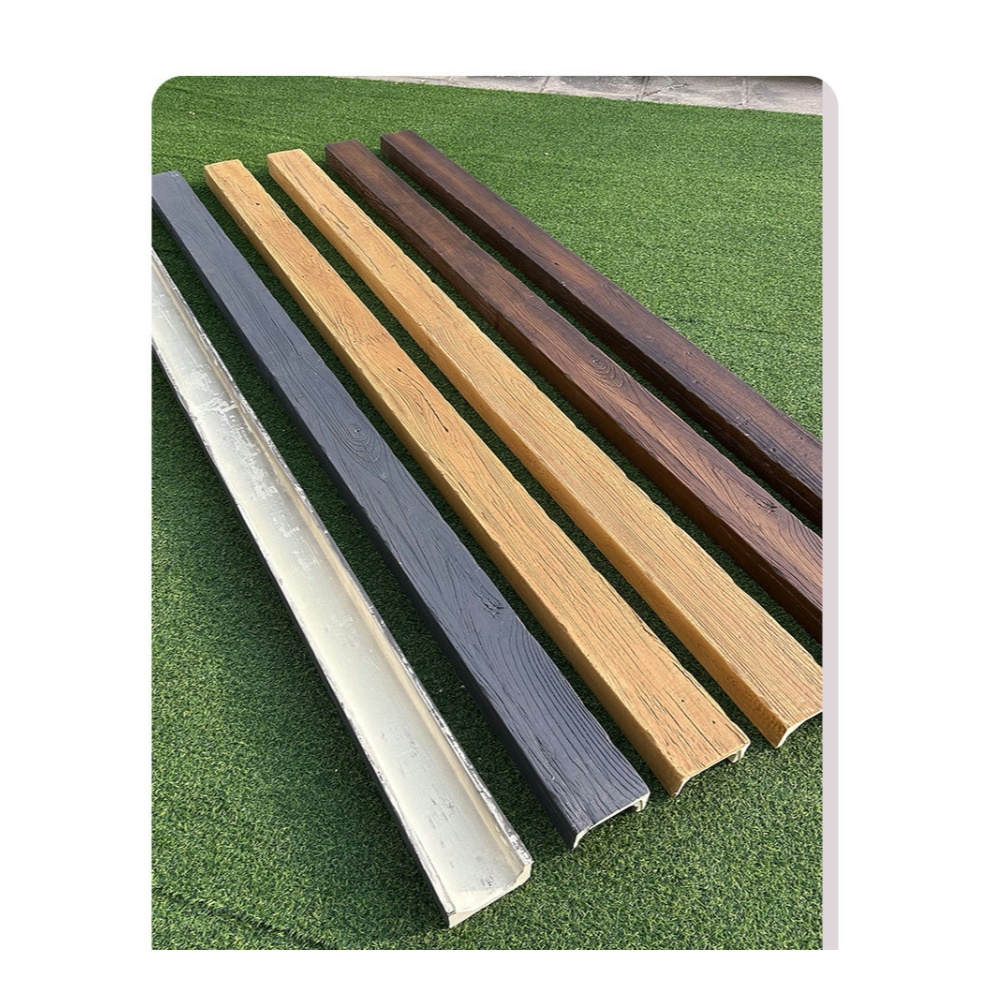
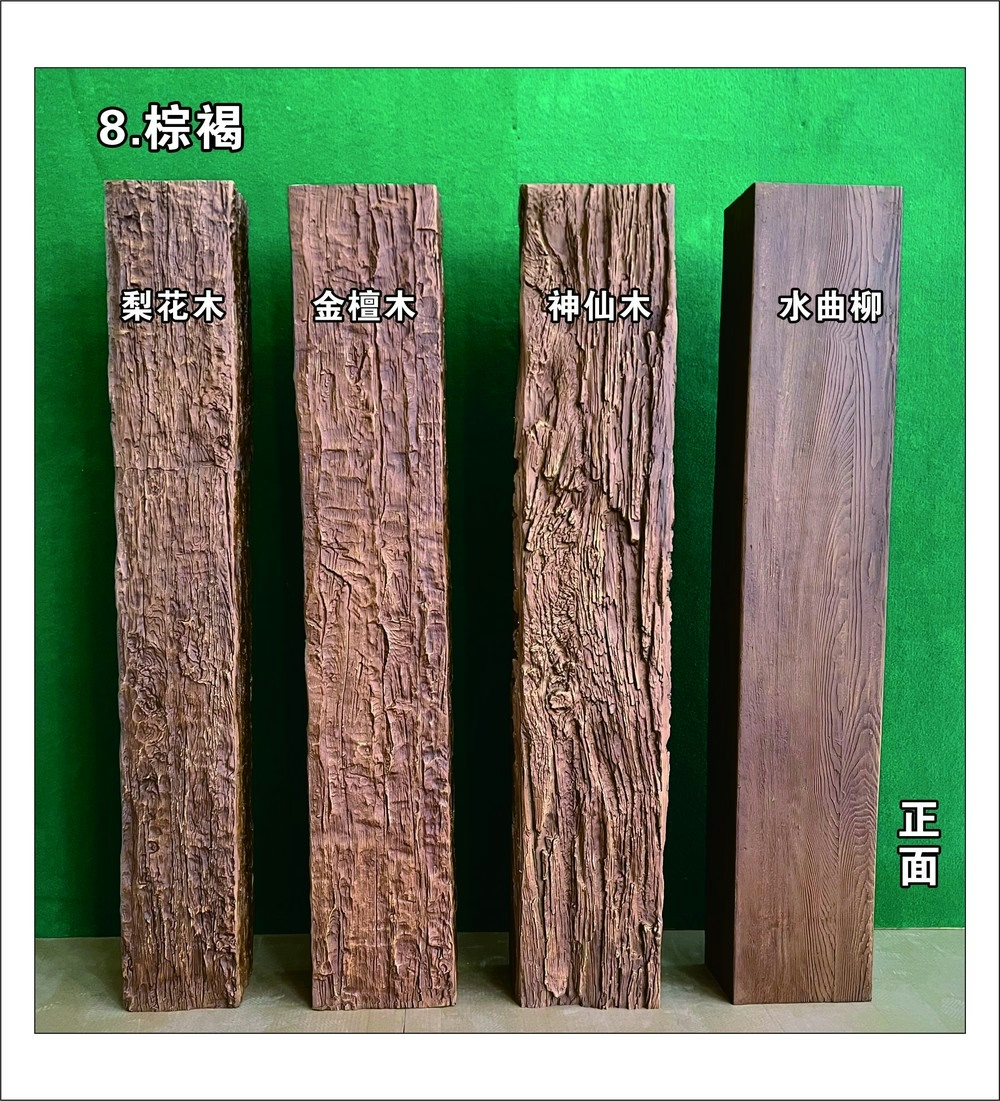
When renovating a space with exposed structural elements, the challenge often lies in balancing practicality with aesthetics. PU beam casings address this concern by providing a protective layer that shields underlying beams from environmental factors while simultaneously transforming utilitarian infrastructure into design features. These lightweight polyurethane covers have become increasingly popular among architects and interior designers seeking efficient solutions for both new construction and remodeling projects.
The composition of PU beam casings allows them to withstand temperature fluctuations and humidity variations without warping or deteriorating. Unlike traditional wood, polyurethane does not absorb moisture, which prevents the common problems of rot, mold growth, and structural weakness that plague organic materials over time. This durability translates to long-term cost savings for property owners, as the need for replacement or extensive maintenance diminishes significantly.
Understanding PU Beam Casings Construction
The manufacturing process of PU beam casings involves casting polyurethane into detailed molds that capture the subtle textures and grain patterns found in natural wood. This attention to detail results in products that closely mimic the appearance of authentic timber while offering superior performance characteristics. The material can be colored during production or painted after installation to match any design scheme, providing flexibility for diverse aesthetic requirements.
Professional installers appreciate the precision engineering that goes into modern PU beam casings. These products come with pre-engineered joint systems that ensure seamless connections between sections, eliminating gaps and inconsistencies that might compromise the overall appearance. The lightweight nature of polyurethane—approximately one-third the weight of natural wood—simplifies handling and reduces labor costs associated with heavy lifting equipment.

The installation process itself requires minimal specialized tools. Carpenters and general contractors can work with PU beam casings using standard woodworking equipment, including saws, drills, and fastening systems. This accessibility has contributed to the growing adoption of these products across various market segments, from residential homeowners undertaking DIY projects to large-scale commercial construction firms managing extensive fit-out operations.
Protective Benefits of Beam Casings
Beyond their visual appeal, PU beam casings serve crucial protective functions that extend the lifespan of underlying structural elements. The encasement shields beams from dust accumulation, which can otherwise create cleaning challenges and potential fire hazards in industrial or commercial settings. In spaces where beams are exposed to cooking grease, automotive fluids, or other contaminants, the smooth surface of polyurethane casings allows for easy wipe-down maintenance.
Physical protection represents another significant advantage. The durable outer shell of PU casings prevents accidental impact damage from ladders, equipment movement, or furniture repositioning. In high-traffic areas or environments where structural elements remain visible, this protective barrier preserves both the appearance and integrity of the building framework.
The thermal properties of polyurethane also contribute to energy efficiency. When applied as full casings around structural beams, the material adds a layer of insulation that reduces heat transfer through metal framing. This benefit proves particularly valuable in buildings with metal I-beams or steel trusses, where thermal bridging can significantly impact heating and cooling costs.
Design Integration Strategies
Successfully incorporating PU beam casings into interior design requires thoughtful planning regarding scale, proportion, and visual weight. In rooms with vaulted ceilings, large-scale casings can create dramatic focal points that draw the eye upward and emphasize the architectural volume. Conversely, smaller casings in rooms with standard ceiling heights help maintain proportionality without overwhelming the space.
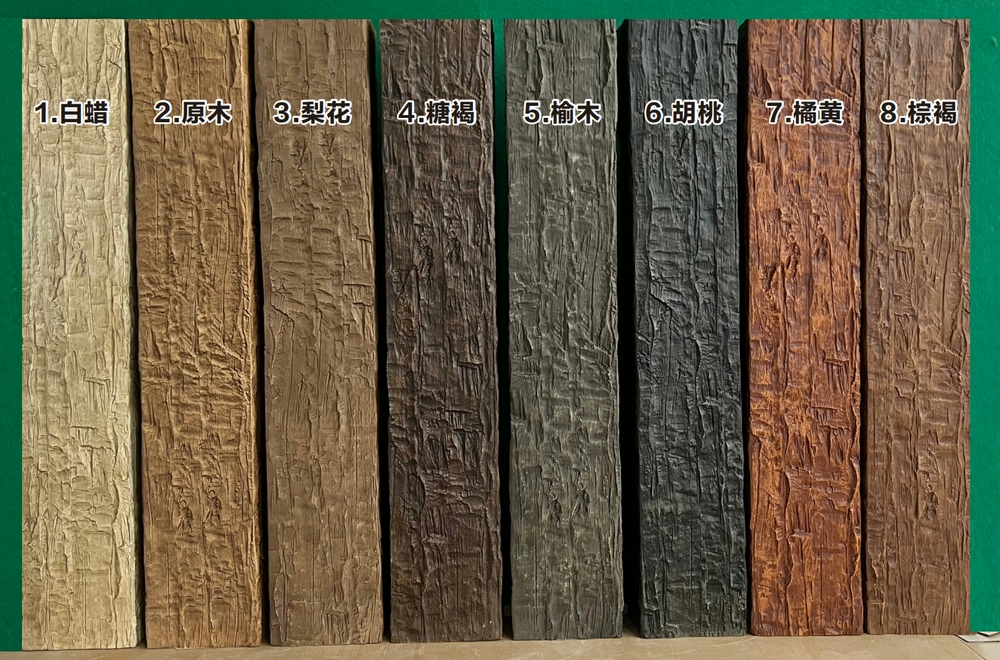
Color selection plays a pivotal role in achieving desired aesthetic outcomes. Darker finishes tend to recede visually, making them suitable for spaces where beams should complement rather than dominate the decor. Lighter finishes, including natural wood tones and painted whites, create brighter atmospheres and can make rooms appear more spacious. The ability to stain or paint PU casings after installation provides ultimate flexibility for adjusting to evolving design preferences.
Texture consideration completes the design puzzle. High-detail casings with pronounced grain patterns suit rustic, farmhouse, or traditional aesthetics, while smooth-finish casings complement contemporary and minimalist interiors. Some manufacturers offer hand-painted options that add subtle color variations for an authentically aged appearance.
Applications Across Property Types
Residential applications for PU beam casings span entire homes, from living rooms and kitchens to bedrooms and home theaters. In open-concept layouts, casings help define functional zones without resorting to walls or dividers, maintaining visual flow while establishing clear spatial boundaries. Basement refinishing projects particularly benefit from these products, as the moisture-resistant properties address common concerns about organic materials in below-grade spaces.
Commercial properties embrace PU beam casings for their durability and low maintenance requirements. Restaurants and hospitality venues appreciate the ease of cleaning and the ability to achieve warm, inviting atmospheres without the fire risks associated with natural wood. Retail spaces use beam casings to create sophisticated environments that enhance brand perception and customer experience.
Healthcare facilities and educational institutions value the hygienic characteristics of polyurethane surfaces. Unlike porous wood or fabric-wrapped beams, PU casings can be thoroughly cleaned and disinfected without damage. This feature has become increasingly important in post-pandemic design considerations where sanitation takes priority.
Installation Best Practices
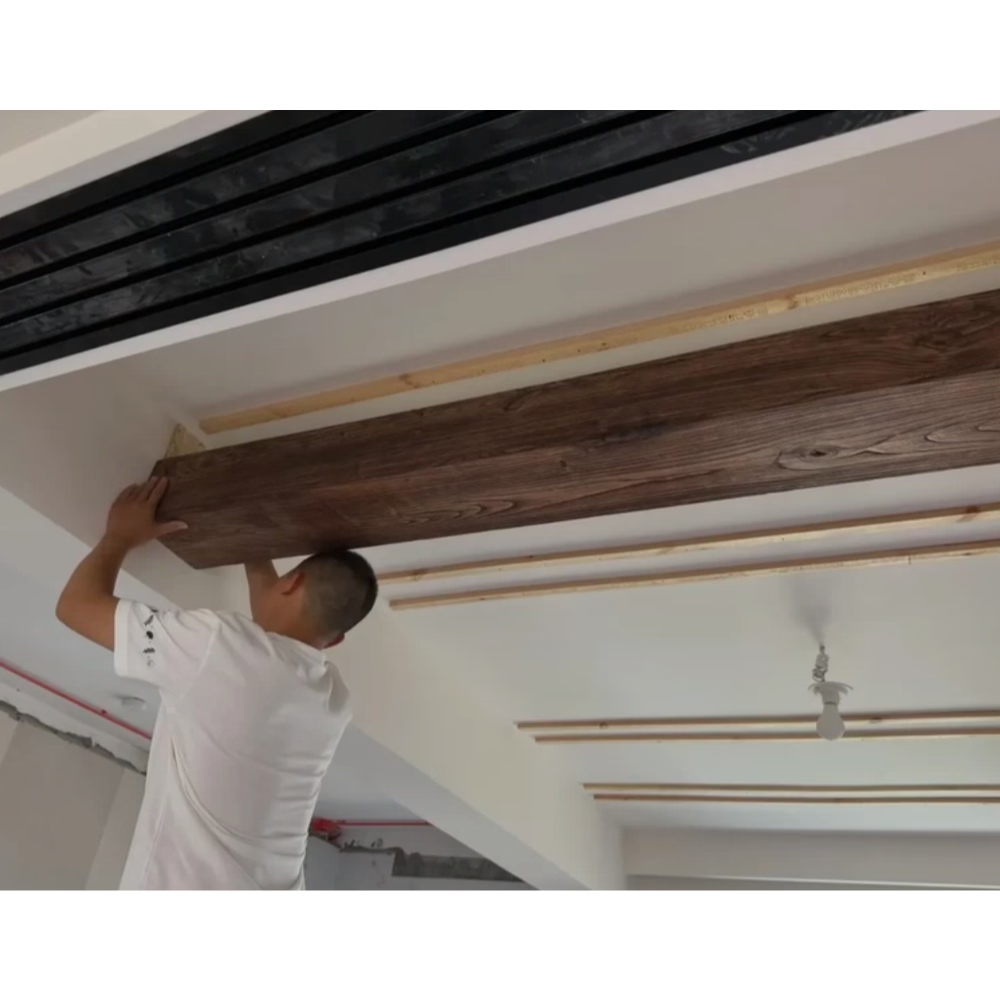
Achieving professional results with PU beam casings requires attention to several key factors during the installation process. Substrate preparation stands as the foundation of success—surfaces must be clean, dry, and structurally sound before attachment. Any existing damage or deterioration in the underlying beam should be addressed prior to casing installation to prevent future complications.
Proper fastening techniques ensure long-term stability. While PU casings are lightweight, they must be securely attached to prevent shifting or detachment over time. Stud finders and appropriate anchors help locate ceiling joists or structural supports where mounting brackets can be anchored. Adhesive supplements mechanical fasteners in many installations, providing additional security and helping to eliminate creaking or movement noises.
Sealing and finishing complete the installation process. Joints between casing sections should be filled with paintable caulk to create seamless transitions. Any holes from fasteners can be filled, sanded smooth, and touched up with paint or stain to achieve flawless results. These final steps distinguish amateur installations from professional-quality work.
Maintenance and Long-Term Care
One of the most appealing aspects of PU beam casings is their minimal maintenance requirements. Unlike natural wood, polyurethane does not require periodic sealing, staining, or refinishing to maintain its appearance and protective properties. This characteristic makes these products particularly attractive for commercial applications where downtime for maintenance creates operational challenges.
Routine cleaning involves simple dusting or wiping with damp cloths. For more thorough cleaning, mild soap solutions remove accumulated grime without damaging the finish. Abrasive cleaners should be avoided, as they can scratch or dull the surface over time. In environments with high dust or particle exposure, compressed air or vacuum attachments provide efficient cleaning options.
Inspections should occur periodically to check for any signs of damage, loosening, or separation at joints. Addressing minor issues promptly prevents them from developing into larger problems that might require section replacement. With proper installation and reasonable care, PU beam casings provide decades of service while maintaining their protective and decorative qualities.
Technical References
ASTM standards cited in every specification
Test Data
Lab results from internal testing program
Updated 2026
Reviewed against current product specs