Ceiling beam installations that achieve substantial visual impact often require beams of significant dimensions, creating tension between design ambitions and practical installation constraints. Massive solid beams prove extremely heavy, requiring substantial mounting infrastructure and potentially stressing ceiling structures. PU box style hollow beams resolve this tension through construction that provides impressive presence while maintaining manageable weight and straightforward installation.
The box style designation refers to the rectangular cross-section with hollow interior that characterizes these products. This construction approach enables larger dimensions than practical solid alternatives while keeping weight within reasonable limits. The resulting products deliver the visual weight that substantial ceiling beams require without the structural complications that heavy solid materials would introduce.
Hollow Construction Technology
The engineering of hollow beams balances multiple performance requirements. Structural rigidity must resist deformation under handling and service loads. Surface quality must support authentic wood appearance and finish durability. Weight must remain low enough for practical installation by reasonable numbers of workers.
Wall thickness distribution across hollow beam profiles affects both structural performance and material efficiency. Thicker walls in high-stress areas and lighter sections where less strength suffices creates optimized structures. This engineering approach enables performance that uniform wall thickness could not achieve with the same material quantity.
Interior bracing in quality hollow beams maintains dimensional stability and prevents deformation. These internal elements distribute stresses throughout beam structures, preventing localized failures that might compromise appearance or structural capacity. The specific bracing approaches vary between manufacturers.
Visual Characteristics of Box Style Beams
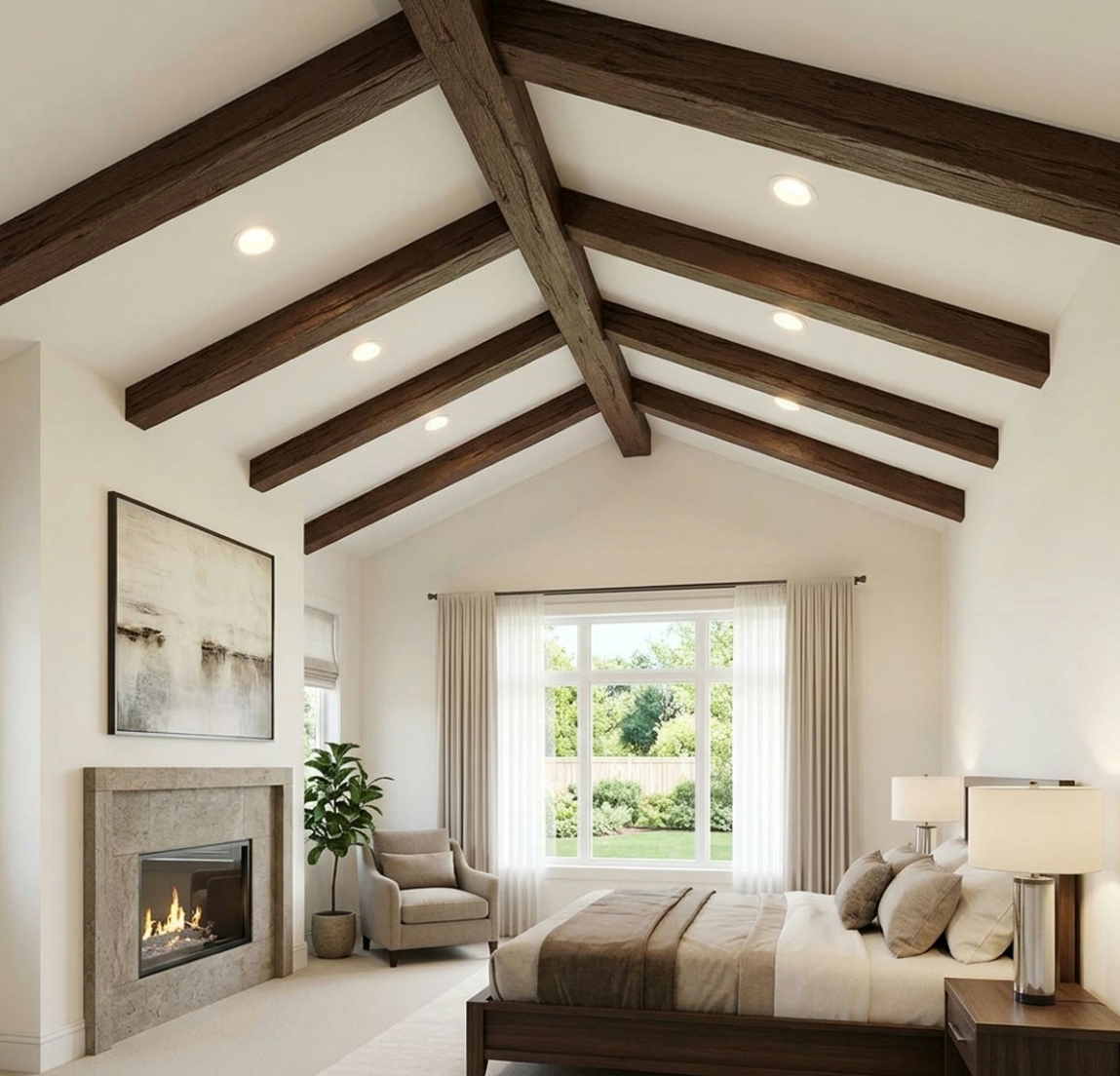
Box style beams feature the rectangular cross-sections that characterize traditional timber construction. This profile differs from more ornate crown-style beams, offering a more contemporary appearance that suits modern and transitional interiors. The clean lines of box profiles create architectural definitions without excessive ornamentation.
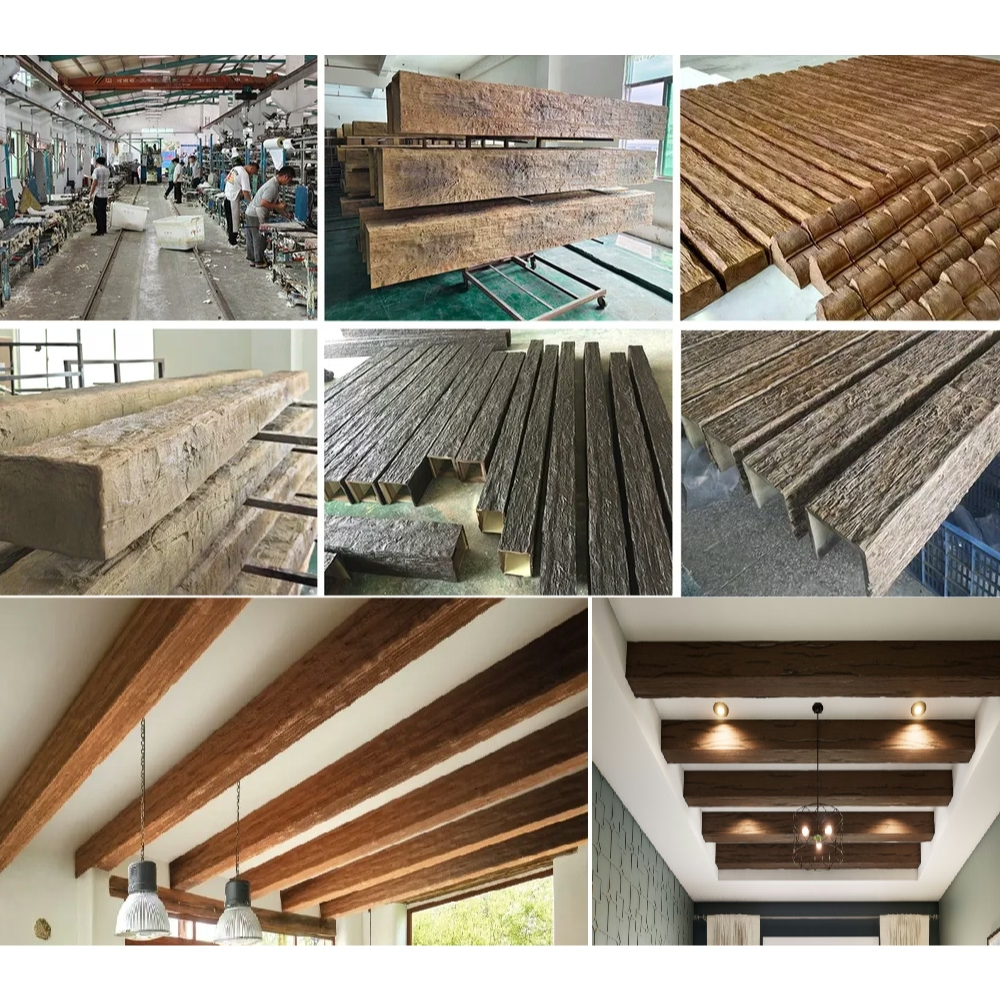
Surface treatments on hollow beams capture authentic wood character through detailed texturing and color variations. Wood grain patterns, knot appearances, and natural color variations create convincing simulations that resist casual scrutiny. Quality products achieve appearances that require close inspection to distinguish from natural timber.
Scale options span from modest dimensions appropriate for secondary ceiling details to substantial sizes that create dramatic focal points. The ability to install large-scale beams without structural complications expands design possibilities considerably compared to solid timber alternatives.
Installation Advantages
The weight reduction that hollow construction provides directly benefits installation logistics. Beams that would require multiple workers and lifting equipment with solid alternatives often install with two workers or even solo for shorter lengths. This labor efficiency reduces installation costs while expanding the range of projects feasible.
Reduced mounting requirements follow from lower beam weights. Solid beams of substantial dimensions require substantial mounting brackets, often involving structural engineering calculations. Hollow beams of similar visual impact often mount with simpler systems that reduce both material and installation costs.
Handling damage risk decreases with lightweight construction. Heavy solid beams may flex excessively during positioning, creating stress points that crack or split. Hollow beams maintain their shape more readily, resisting the handling stresses that damage heavier alternatives.

Application Scenarios
Great rooms and vaulted ceilings accommodate larger beam dimensions that showcase hollow beam capabilities. The generous proportions of these spaces support substantial beams without crowding or overwhelming other design elements. Multiple parallel beams create rhythmic patterns that enhance architectural interest.
Kitchens and dining areas benefit from wood-like warmth that hollow beams provide. These spaces often feature functional ceiling elements including exhaust hoods, recessed lighting, and ventilation that beam installations must coordinate with. Hollow beam lightweight construction simplifies this coordination.
Commercial applications leverage installation efficiency advantages for projects involving multiple beams. Restaurants, retail spaces, and hospitality venues often require many beams to create desired atmospheres. The labor savings that hollow beam installation provides multiply across these larger installations.
Finish Options and Coordination
Natural wood tone finishes leverage authentic wood-grain textures to create warm, organic appearances. These finishes work particularly well in spaces where natural materials throughout create cohesive atmospheres. The wood-like warmth appeals to many property owners and design professionals.
Painted finishes expand coordination possibilities by enabling beam colors that match or complement ceiling surfaces. White or off-white painted beams create visual integration where beams should recede. Bold colors transform beams into dramatic focal points that emphasize architectural elements.
Stained finishes provide intermediate options between natural and painted treatments. Semi-transparent stains allow wood grain visibility while adjusting color tones. This approach combines authentic texture with custom color options that natural finishes cannot provide.
Quality Considerations
Manufacturing quality varies significantly between hollow beam products. Quality control during production ensures consistent dimensions, proper curing, and defect-free surfaces. Products from established manufacturers typically maintain tighter quality standards than budget alternatives.
Wall thickness affects structural performance and weight simultaneously. Thicker walls increase both strength and weight, while thinner walls reduce weight but may compromise rigidity. Optimal thickness depends on specific application requirements.
Surface finish quality determines how convincingly beams simulate natural timber. High-detail texturing, consistent color application, and proper sealing create authentic appearances. Budget products often sacrifice these details, resulting in obviously artificial appearances that diminish design impact.
Maintenance and Durability
Hollow polyurethane beams require minimal maintenance compared to natural timber alternatives. The moisture resistance, insect immunity, and dimensional stability of polyurethane eliminate common wood deterioration mechanisms. These durability advantages translate to long service life with routine care.
Cleaning procedures involve simple dusting and occasional washing with mild soap solutions. The smooth, non-porous surfaces resist staining and allow straightforward contaminant removal. Harsh chemicals should be avoided to preserve surface finishes.
Damage assessment determines whether repair or replacement proves appropriate. Minor surface damage may respond to field repair using appropriate compounds and refinishing. Significant damage may require section replacement, making spare inventory valuable for larger installations.
Cost Analysis
Material costs for hollow beams depend on dimensions, profiles, and finish options. Larger dimensions require more material, increasing per-unit costs. Premium finishes and detailed texturing add to base prices. These variations require evaluation against project budgets and quality expectations.
Installation savings often offset material costs compared to solid alternatives. The labor efficiency that lightweight construction provides reduces installation expenses substantially. Professional estimates should account for these differences when comparing approaches.
Life-cycle cost analysis considers long-term maintenance and replacement requirements. The extended service life and minimal maintenance of quality polyurethane beams often make them more economical than natural timber alternatives despite higher initial costs.
Technical References
ASTM standards cited in every specification
Test Data
Lab results from internal testing program
Updated 2026
Reviewed against current product specs


