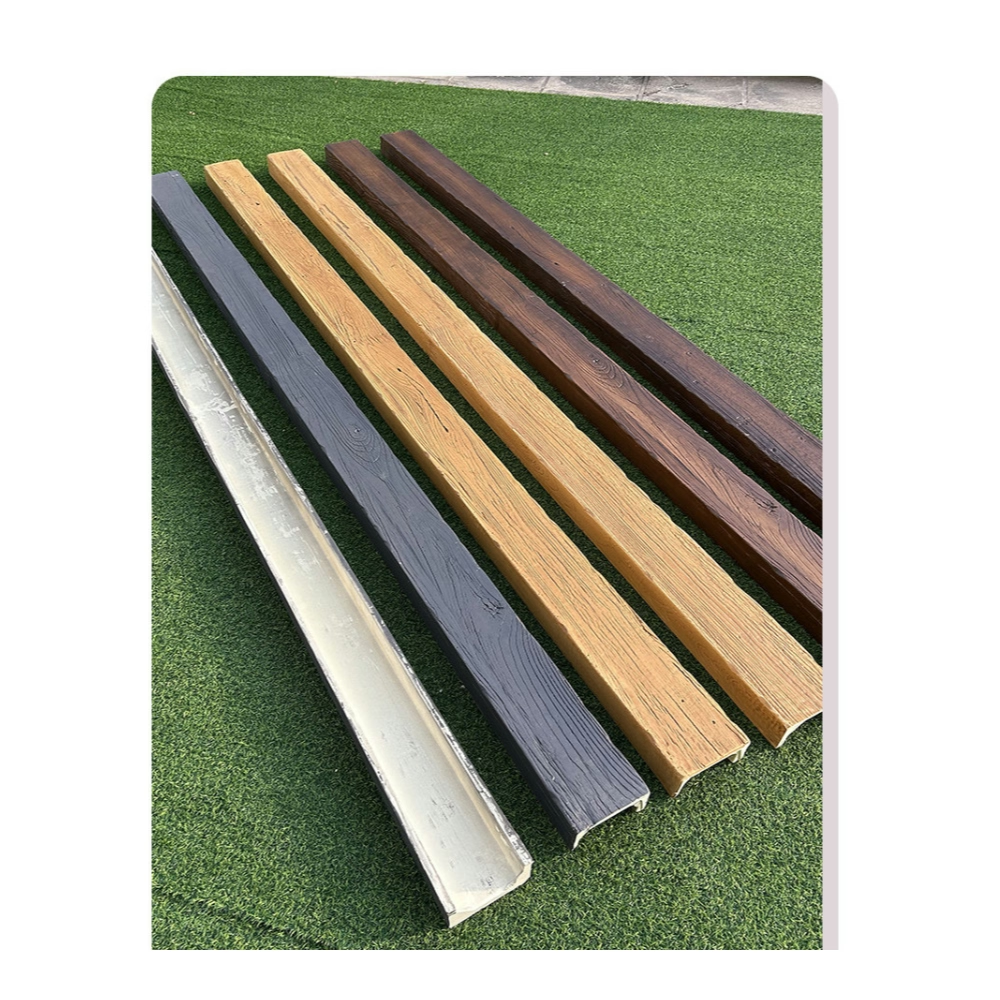
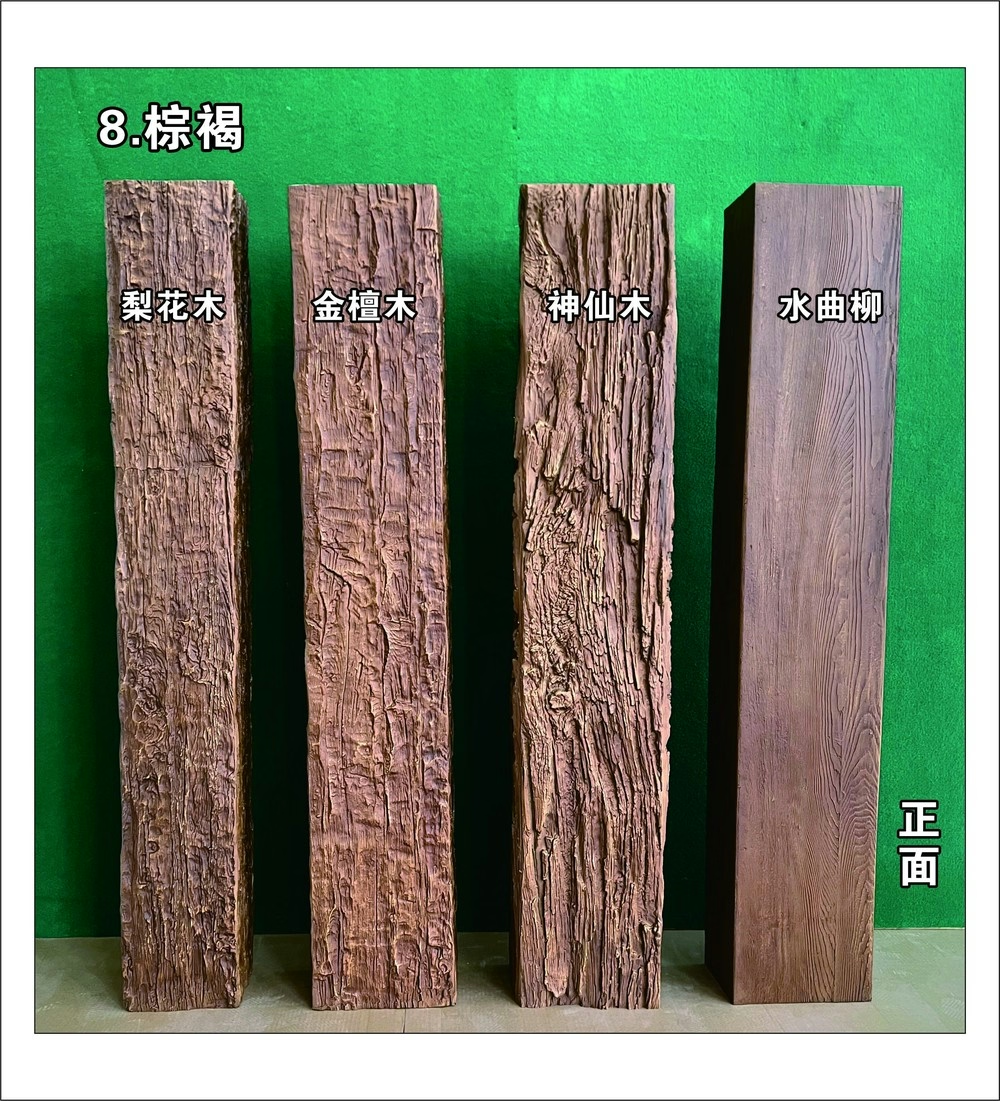
Exposed exterior beams face challenges that interior elements never encounter. Weather cycles, UV exposure, moisture infiltration, and biological threats conspire to degrade even well-constructed timber elements over time. Property owners find themselves with structural beams that remain functionally adequate but visually disappointing—staining, checking, splintering, and general deterioration that undermines otherwise attractive exteriors. The traditional response involved either expensive beam replacement or resigned acceptance of diminished appearance. PU faux beam covers have emerged as a practical alternative that addresses cosmetic concerns without demanding structural work.
The condition of exterior beams often reflects the building's overall maintenance history. Newer constructions may show checking and splitting from inadequate initial drying. Older buildings might display biological growth, insect damage, or weathering patterns that accumulated over decades of exposure. Regardless of cause, the visual result undermines property aesthetics in ways that affect curb appeal, property value, and owner satisfaction.
Beam covers address these challenges through encasement rather than replacement. The cover slides over or attaches to the existing beam, creating a fresh exterior surface that conceals all underlying imperfections. The structural beam continues bearing loads while the cover provides the visible appearance of pristine timber. This approach preserves structural investment while eliminating the expense and disruption of beam replacement.
The installation process for beam covers adapts to various existing conditions. Standard covers accommodate beams within specified dimension ranges, with flexible mounting systems that bridge gaps between cover interior and beam exterior. Custom covers can be produced for non-standard beam sizes or unusual configurations that standard products cannot address. The goal remains consistent: complete concealment achieved through straightforward attachment.
Weather resistance represents the critical performance requirement for exterior beam covers. Unlike interior applications where conditions remain stable, exterior elements face temperature extremes, precipitation, humidity cycling, and UV exposure that challenge material durability. Quality PU formulations incorporate UV stabilizers, impact modifiers, and moisture barriers that maintain appearance through years of outdoor exposure. Independent weathering tests verify performance under accelerated aging protocols that simulate extended service life.
The dimensional stability of PU covers proves particularly valuable in exterior applications. Natural wood expands and contracts with moisture changes, creating gaps, distortions, and eventual failure in treatments that bridge wood movement. Polyurethane maintains consistent dimensions regardless of atmospheric conditions, ensuring that cover-to-beam connections remain secure and appearance remains uniform throughout seasonal cycles.
The thermal performance of PU covers provides unexpected benefits in some applications. The material's insulating properties reduce thermal bridging through exposed beams, potentially improving energy efficiency in buildings where structural timber penetrates the building envelope. While this benefit rarely drives cover specification, it represents a favorable side effect that building science enthusiasts appreciate.
Color retention in exterior applications requires careful attention during specification. UV radiation degrades many pigments, causing fading that undermines appearance over time. Quality cover manufacturers utilize UV-stable colorants that resist this degradation, maintaining original appearance through extended outdoor service. This color stability distinguishes quality products from economy alternatives that may look acceptable initially but fade rapidly under sun exposure.
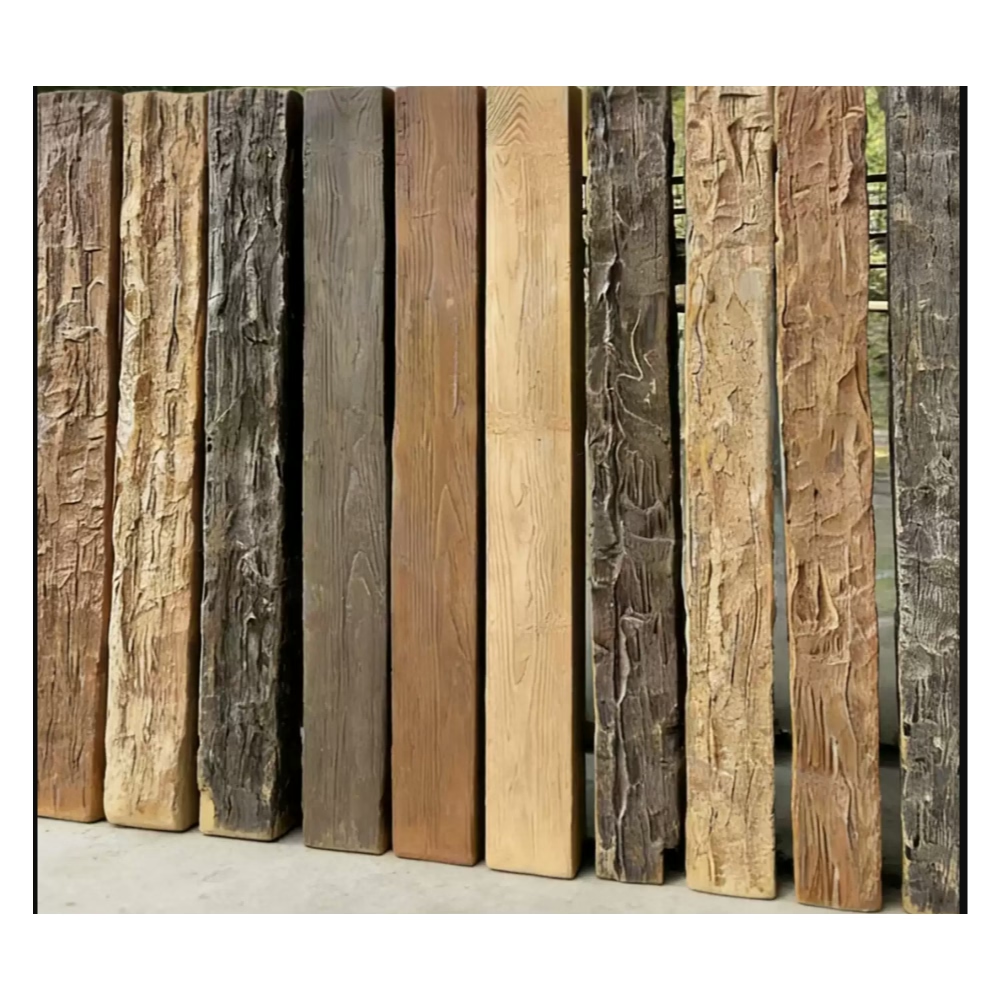
The aesthetic range available in exterior beam covers addresses various architectural styles and homeowner preferences. Rustic textures with pronounced grain and distressing complement traditional and farmhouse architectures. Smoother, more refined surfaces suit contemporary designs. Custom colors can be specified to match trim, siding, or other exterior elements, creating visual continuity that enhances overall property appearance.
Patio and porch applications demonstrate how beam covers transform outdoor living spaces. Covered structures often feature exposed beams that define the roof structure, and deterioration in these elements undermines the entire outdoor experience. Beam covers restore the attractive ceiling plane that makes covered patios livable spaces rather than merely sheltered ones. The transformation affects how these spaces are perceived and used, encouraging more frequent outdoor enjoyment.
Gazebo and pavilion constructions frequently rely on exposed beam elements that define their character. When these elements weather unpleasantly, the entire structure suffers aesthetically. Beam covers enable restoration of original appearance without dismantling and reconstructing the structure. This non-invasive approach proves particularly valuable for historic structures where original fabric preservation remains a priority.
Boat docks and waterfront structures present extreme exposure conditions that accelerate timber deterioration. Salt spray, intense UV, and repeated wetting create challenging conditions that quickly degrade untreated timber. Weather-resistant beam covers extend the attractive service life of these structures dramatically, reducing maintenance demands and preserving property values in demanding marine environments.
Pool enclosures and outdoor shower structures benefit similarly from weather-resistant beam treatment. The combination of high humidity, chemical exposure, and intense cleaning creates harsh conditions for exterior materials. PU beam covers withstand these conditions without the deterioration that plagues natural wood, maintaining attractive appearance through years of demanding service.

Installation timing affects both process convenience and long-term performance. Exterior cover installation works best during moderate weather conditions—spring and fall in most climates—when temperature extremes and precipitation risks are minimized. However, quality cover systems install successfully year-round with appropriate preparation and attention to weather forecasts.
The attachment methods for exterior beam covers must account for environmental exposure as well as structural requirements. Corrosion-resistant fasteners prevent the staining and failure that metal corrosion causes in outdoor applications. Adhesive systems must tolerate temperature extremes and moisture exposure without losing bond strength. Quality manufacturers provide detailed installation specifications that address these environmental considerations.
Maintenance requirements for exterior beam covers remain minimal compared to natural timber alternatives. Periodic cleaning removes accumulated dirt, biological growth, and environmental deposits that might affect appearance. No staining, sealing, or other protective treatment is required—benefits that prove particularly valuable in hard-to-reach exterior locations where maintenance access presents challenges.
The investment perspective for exterior beam covers should consider lifecycle costs rather than initial expense alone. Authentic timber covers or replacement beams require ongoing maintenance, eventual replacement, and continuous attention to preserve appearance. PU beam covers eliminate these recurring costs, often achieving lower total cost of ownership despite higher initial investment. Property managers and owners with long-term perspectives appreciate this favorable lifecycle calculation.
Building code compliance for exterior installations requires verification in some jurisdictions. While beam covers typically serve cosmetic rather than structural functions, local requirements may affect specification and installation. Responsible specifiers verify compliance requirements before committing to specific products or installation approaches.
Assessing Existing Beam Conditions
Before specifying beam covers, thorough assessment of existing beams identifies conditions that might require attention before cover installation. Structural damage, insect activity, and rot require remediation regardless of cover specification. The cover conceals appearance but cannot address underlying structural issues that might compromise building performance or safety.
Surface preparation affects cover attachment and long-term performance. Cleaning existing beams removes debris, biological growth, and loose material that might interfere with cover fitting. Minor surface irregularities can be addressed through shimming or filler application. The goal is creating a stable, clean substrate that supports secure cover attachment.
Matching Covers to Architectural Styles
Exterior beam covers should harmonize with overall building aesthetics rather than appearing as disconnected additions. Contemporary homes may favor clean-lined covers with minimal texture. Traditional architectures benefit from more pronounced wood-grain simulation. Period-correct details for historic properties require careful matching to established styles. Understanding these relationships ensures that cover installation enhances rather than compromises architectural character.
Long-Term Performance Verification
Quality manufacturers provide warranties that reflect confidence in long-term performance. These warranties serve as indicators of expected service life and typical failure modes. Products backed by substantial warranties generally represent better investments than those with limited or absent warranty coverage. The warranty terms deserve review during specification to ensure realistic expectations and adequate protection.
Technical References
ASTM standards cited in every specification
Test Data
Lab results from internal testing program
Updated 2026
Reviewed against current product specs