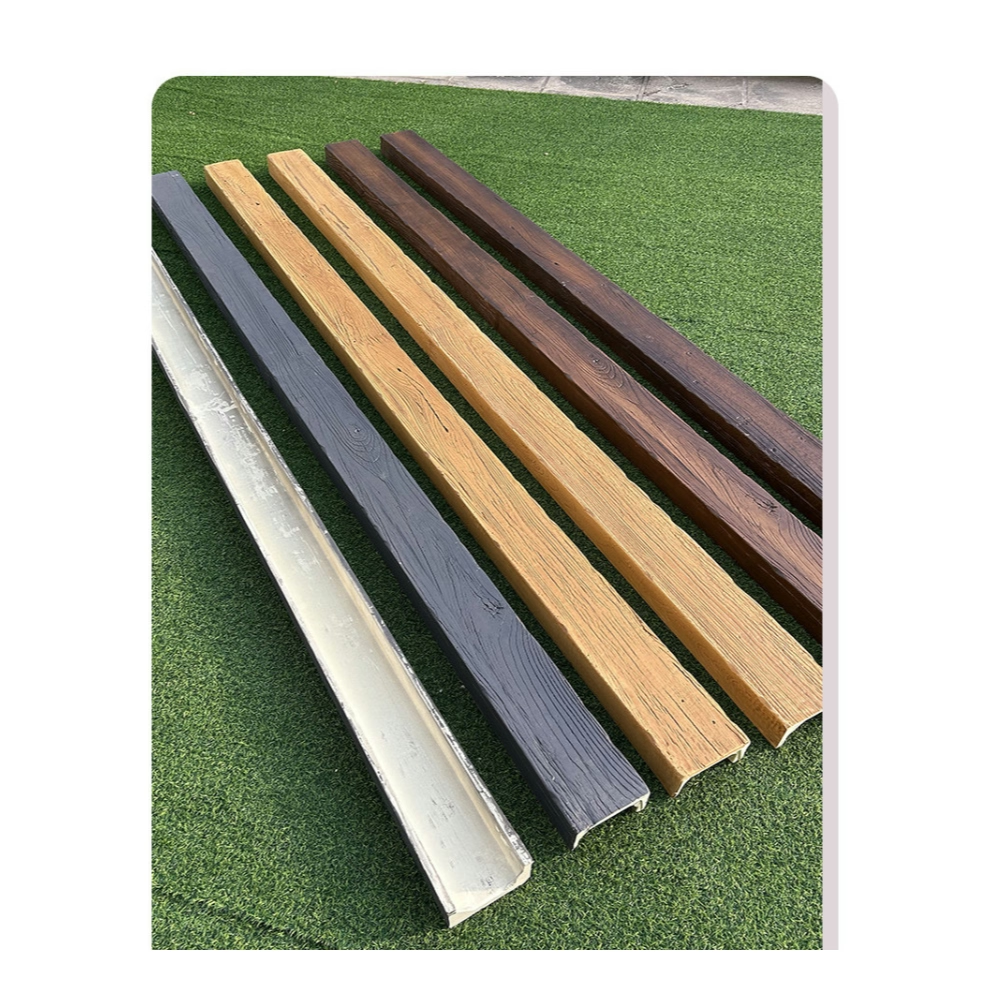
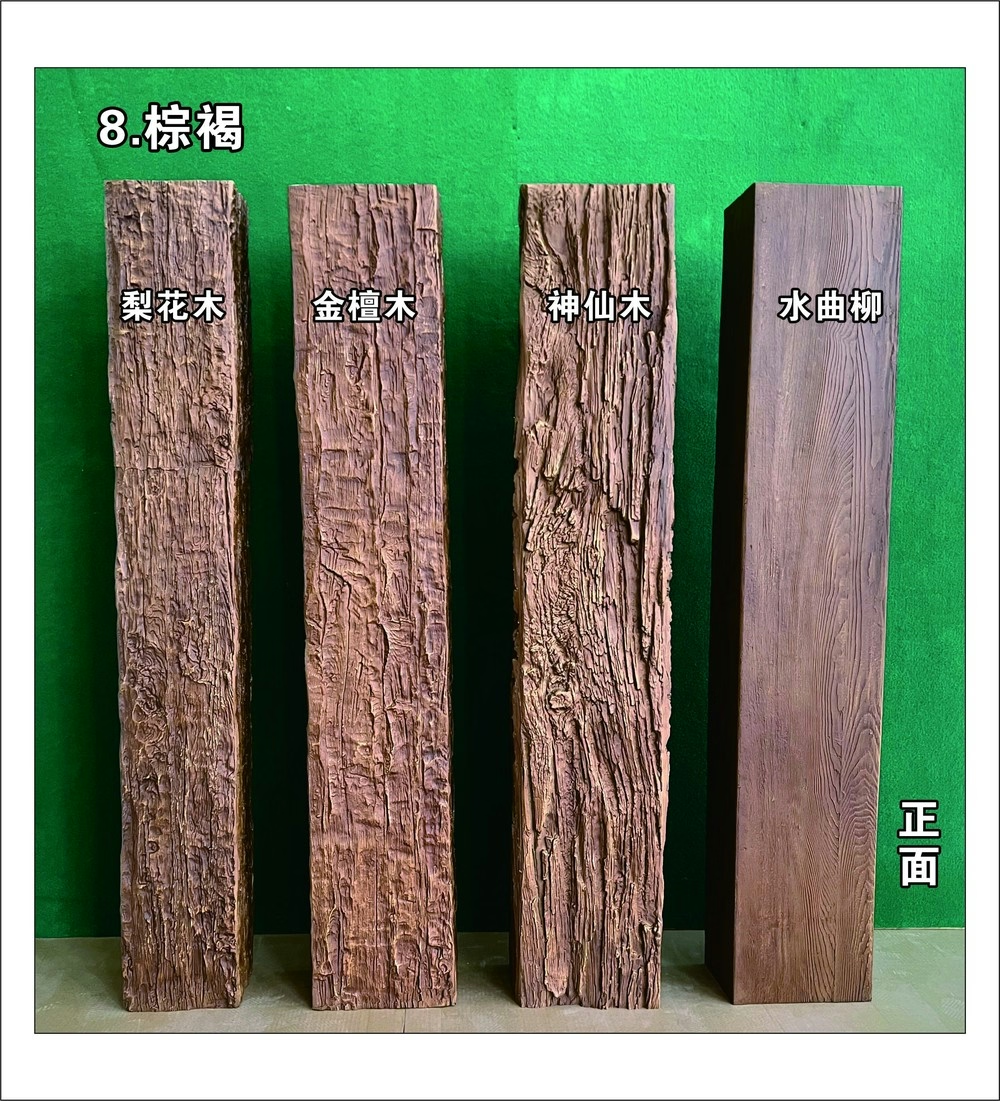
The difference between amateur and professional beam installations often comes down to details that casual observers might never consciously notice. Visible fastener holes, exposed screws, and mounting bracket edges all contribute to impressions of incompleteness that refined installations avoid. PU faux beam fastener covers address these finishing details, providing concealment solutions that enable clean, professional appearances throughout beam installations.
Visible fasteners distract from the authentic wood appearances that beam installations seek to create. Even small screw heads or nail holes become apparent under the scrutiny that close observation provides. Concealing these elements maintains the illusion of solid, naturally constructed beams that fastener covers preserve.
Understanding Fastener Concealment Needs
Fastening requirements for beam installations vary based on mounting conditions and load demands. Heavy beams, long spans, and overhead positions all increase fastening demands. These functional requirements often conflict with aesthetic preferences for invisible attachment systems.
Mechanical fastening provides the secure, verifiable connections that structural elements require. Screws, nails, and bolts create positive connections that adhesive alone cannot match. The challenge involves concealing these functional elements without compromising their effectiveness.
Adhesive attachment offers aesthetic advantages but presents limitations for overhead applications. Gravity stresses adhesive bonds differently than vertical or horizontal installations. Understanding these limitations helps specify appropriate fastening approaches for specific situations.
Fastener Cover Types and Styles
Plug-style covers fill fastener holes with matching material that blends with surrounding surfaces. These small caps press or glue into countersunk holes, creating flush surfaces that disappear visually. The match quality between plug and beam materials determines concealment effectiveness.
Patch covers overlay fastener locations with thin material pieces that match beam surfaces. These adhesive-backed pieces apply over fastener locations, hiding hardware beneath surfaces that appear continuous. This approach works well for larger fastener heads or mounting bracket edges.
Integrated covers form part of complete beam systems designed for concealed fastening. Manufacturer-designed solutions ensure that covers match beam materials and finishes perfectly. This integration approach typically produces superior results compared to field-fabricated concealment.
Material Matching for Seamless Appearance
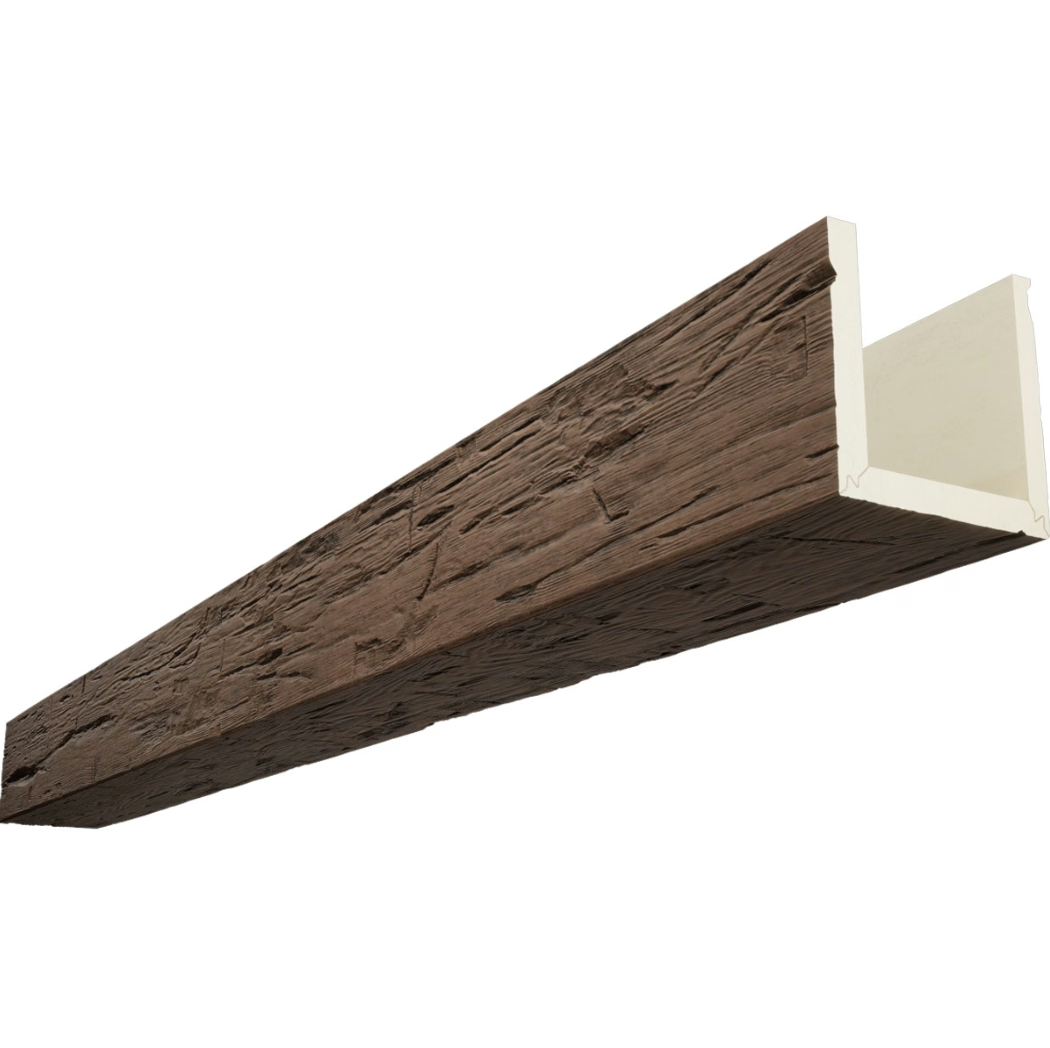
Color matching between covers and beam surfaces prevents visible discrepancies that undermine concealment efforts. Pre-finished products with matched components provide the best consistency. Field-applied covers require careful color matching that may prove challenging to achieve perfectly.
Texture coordination ensures that covers integrate rather than appearing as repairs. Wood grain patterns, surface textures, and finish sheens should align between covers and surrounding areas. This coordination requires attention during cover selection and potentially during finishing operations.
Material compatibility between covers and underlying beams affects long-term performance. Different materials may age differently, developing color variations that reveal concealed elements over time. Using matched materials from the same source minimizes aging disparities.

Installation Techniques for Concealment
Proper hole preparation ensures that fastener covers perform effectively. Clean, dry holes with correct dimensions accept covers that fit properly. Debris, moisture, or incorrect sizing compromises cover performance and appearance.
Adhesive application for covers should use products recommended by cover manufacturers. Incompatible adhesives may fail over time or damage cover materials. The investment in appropriate adhesive products prevents problems that would require future repair.
Alignment verification confirms that covers position correctly relative to surrounding surfaces. Even small misalignments create visible evidence that reduces professional quality. Taking time during installation prevents the rework that hasty application might require.
Professional Finishing After Fastener Concealment
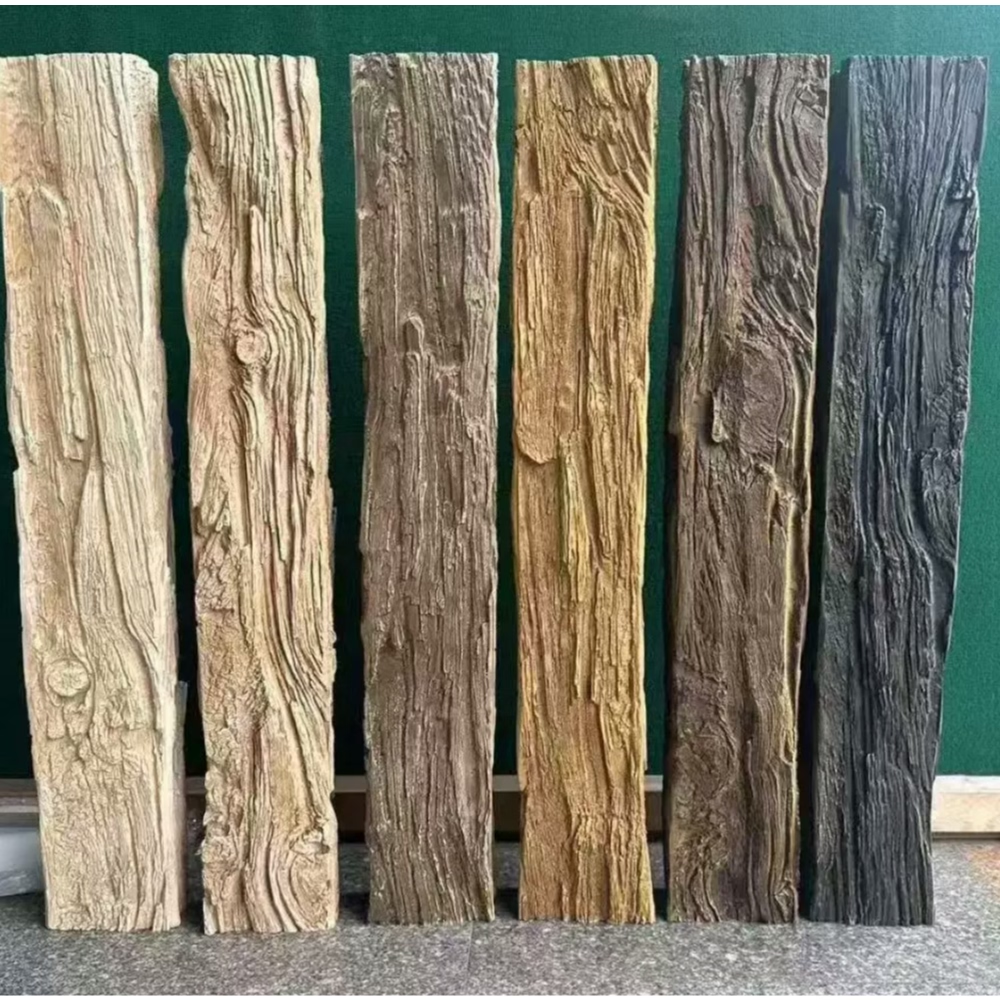
Surface preparation after cover installation prepares for finishing operations. Any gaps between covers and beams should receive appropriate filler treatment. Sanding may be necessary to achieve flush surfaces where cover edges are visible.
Color matching at cover locations may require touch-up finishing. The goal involves creating appearances where cover locations cannot be distinguished from surrounding areas. This finishing work distinguishes professional results from amateur installations.
Sealant application over concealed fasteners provides additional protection against moisture infiltration. Even concealed fasteners may benefit from weatherproofing that prevents corrosion or degradation. This protection extends service life for overhead installations.
Troubleshooting Concealment Issues
Visible edges around covers indicate installation or material problems requiring correction. Edge filler and refinishing address minor issues, while cover replacement may be necessary for significant problems. Identifying root causes prevents recurrence in remaining installations.
Cover popping or dislodgment suggests adhesive failure that requires attention. Environmental factors, surface contamination, or inadequate adhesive application may cause these failures. Addressing underlying causes ensures that repairs remain secure.
Color mismatch that becomes apparent after installation may require refinishing approaches. Complete refinishing over affected areas integrates mismatched sections with surrounding surfaces. Prevention through careful material matching proves more effective than remediation.
Design Considerations for Concealed Fastening
Planning fastener placement during design phases enables optimal concealment. Positions that fall in shadow, beneath shadows, or within natural texture variations accept covers more readily. Strategic fastener placement reduces concealment challenges significantly.
Joint locations provide opportunities for fastener placement that naturally conceals attachment hardware. The interruptions that joints create provide cover positions that blend more readily than exposed beam surfaces. Design for joinery that enables this approach.
Access considerations should inform fastener placement decisions. Some concealed fasteners require future access for adjustment or removal. Planning for this access prevents situations where maintenance requires exposing fasteners that installation concealed.
Cost Considerations for Fastener Cover Solutions
Integrated cover systems from beam manufacturers typically cost more than field-sourced alternatives but provide superior matching. The convenience and quality of matched components often justify premium pricing for professional installations.
Field fabrication provides budget options but requires additional labor and skill to achieve acceptable results. The cost savings from materials may not offset labor investments for amateur installers. Professional contractors typically achieve faster, better results with integrated systems.
Total installation costs should include fastener cover expenses alongside beam and mounting costs. Underestimating these detail costs creates budget pressures that might compromise quality. Comprehensive estimating prevents this outcome.
Technical References
ASTM standards cited in every specification
Test Data
Lab results from internal testing program
Updated 2026
Reviewed against current product specs