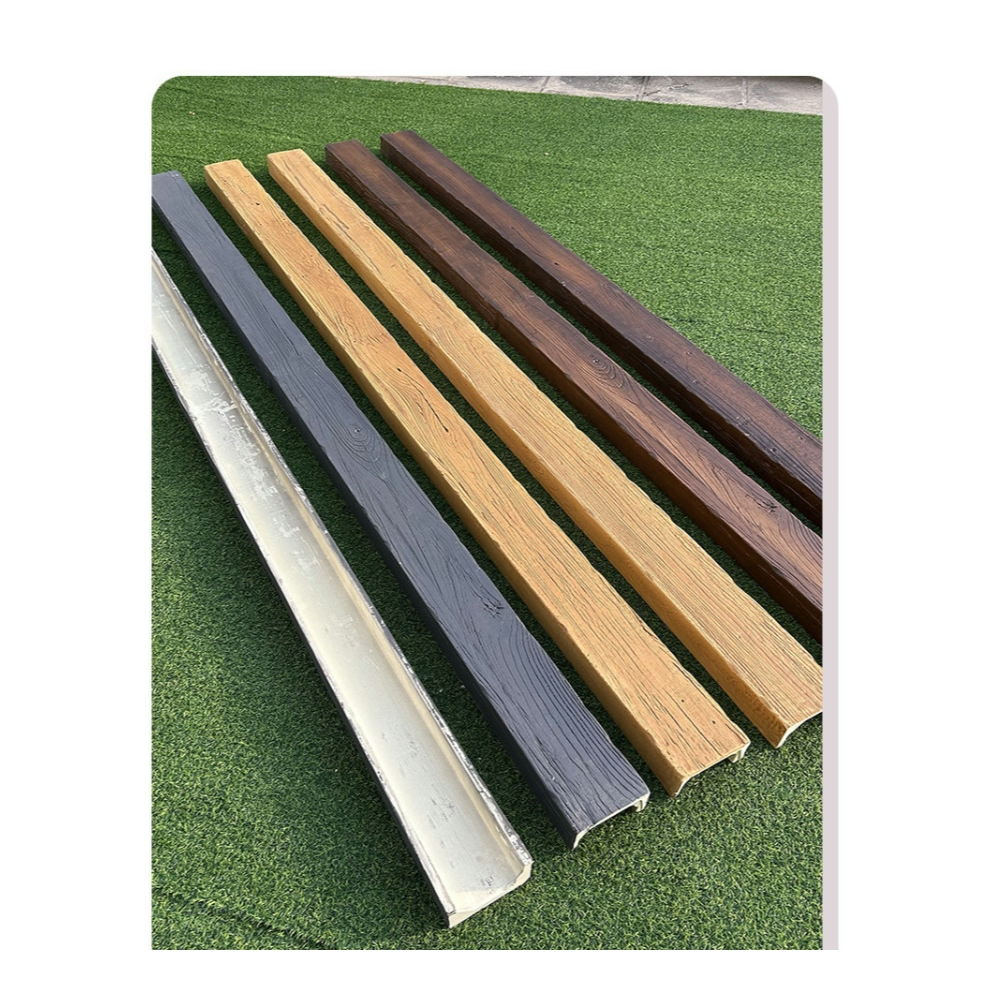
Electrical systems crisscross building interiors, delivering power to lights, outlets, and devices throughout occupied spaces. Modern buildings accommodate increasingly complex electrical infrastructure that sometimes appears exposed where ceilings lack finished surfaces or where renovations have removed previous concealment. While electrical code requirements mandate accessibility and proper installation, aesthetics need not suffer from necessary electrical presence. PU faux wood beams provide elegant concealment that addresses both visual and practical considerations.
Electrical wire concealment involves distinct considerations from other mechanical systems due to safety requirements and access needs. Building codes specify minimum clearances around electrical components and prohibit enclosing wires in ways that prevent heat dissipation or impede inspection. Beam installations intended to conceal electrical elements must respect these requirements while achieving desired aesthetic outcomes. Consultation with licensed electricians ensures that concealment approaches comply with applicable codes.
Exposed wire runs typically follow logical paths from panel locations to destination points, creating linear elements that beam installations can follow naturally. Beams positioned parallel to wire runs provide maximum concealment coverage while maintaining accessibility along the outer edges where wires enter and exit. This parallel arrangement creates the appearance of intentional architectural detail rather than afterthought wire management.
Junction boxes and electrical connections require ongoing accessibility that beam concealment must accommodate. These components distribute power to multiple circuits and often require inspection or modification during building life. Beam arrangements should maintain clear access to junction box locations, potentially incorporating matching panels or removable sections that provide entry without complete beam removal. Locating beams to frame junction boxes rather than cover them creates elegant solutions.

Conduit installations that protect exposed electrical runs present particular concealment challenges due to their rigid, industrial appearance. Wire mold and similar surface-mounted conduit systems often appear in renovation projects where adding circuits without disturbing finished surfaces. Faux beams can cover these installations effectively, transforming utilitarian conduit into architectural detail. The substantial appearance of beams dominates visual attention, reducing the industrial character of underlying conduit.
Light fixture mounting often requires electrical supply boxes that penetrate ceiling surfaces. New fixture installations after beam placement require careful coordination between electrical and finish work. Low-voltage lighting systems offer alternatives that simplify installation, using smaller cables that route more easily within beam installations or behind other ceiling elements. These systems provide aesthetic flexibility while reducing electrical complexity.
Switching and control wiring for smart building systems increasingly populates ceiling spaces with low-voltage conductors. Network cables, audio-visual wiring, and automation control lines create dense bundles that appear particularly industrial against finished surfaces. Beam installations effectively conceal these modern necessities alongside traditional electrical infrastructure, providing comprehensive ceiling cleanup in a single treatment.
Safety considerations must guide any electrical concealment project. Heat accumulation around enclosed wires creates fire hazards, requiring adequate ventilation within beam installations. Wire fills exceeding code limits create similar hazards by preventing heat dissipation. Professional assessment of wire conditions and appropriate clearance requirements prevents safety violations that might not become apparent until problems emerge.
Maintenance accessibility for electrical systems should factor into concealment planning decisions. Future additions or modifications to electrical systems may require accessing concealed wire runs. Beam installations using mechanical attachment rather than permanent adhesion facilitate removal if access becomes necessary. Documentation of wire locations and routing within beam cavities supports future maintenance activities.
Aesthetic integration between beam installations and other ceiling elements creates coherent visual results. Wire concealment beams should relate appropriately to other ceiling details, whether matching existing beams in traditionally detailed spaces or establishing new ceiling identity where beams provide the primary architectural treatment. Consistent finish selection and profile proportions ensure that wire-concealing beams integrate smoothly with surrounding surfaces.
Commercial electrical installations often involve extensive runs serving multiple zones or areas. Beam concealment for commercial applications requires coordinated planning that addresses the larger scale of typical installations while maintaining consistency across extended runs. Custom fabrication may be necessary for non-standard configurations that standard products cannot accommodate effectively.
Residential electrical systems typically involve shorter runs between panels and destination points. Individual circuit wires, cable television cabling, and network wiring each present different concealment challenges based on their routing patterns and future flexibility requirements. Beam installations should balance comprehensive coverage with practical access provisions for systems likely to require modification during building life.
Inspection preparation benefits from documentation that identifies wire locations and routing within beam installations. Photographs and diagrams stored with building records facilitate future modifications, maintenance activities, and compliance inspections. This documentation investment pays dividends throughout building life by reducing uncertainty and preventing accidental damage to concealed wiring during unrelated work.
Exposed electrical wires need not compromise ceiling aesthetics when practical concealment solutions are available. PU faux wood beams provide approaches that respect electrical safety requirements while delivering attractive appearances. Property owners facing visible electrical infrastructure should consider beam concealment as solutions that address both visual and practical considerations.
Technical References
ASTM standards cited in every specification
Test Data
Lab results from internal testing program
Updated 2026
Reviewed against current product specs