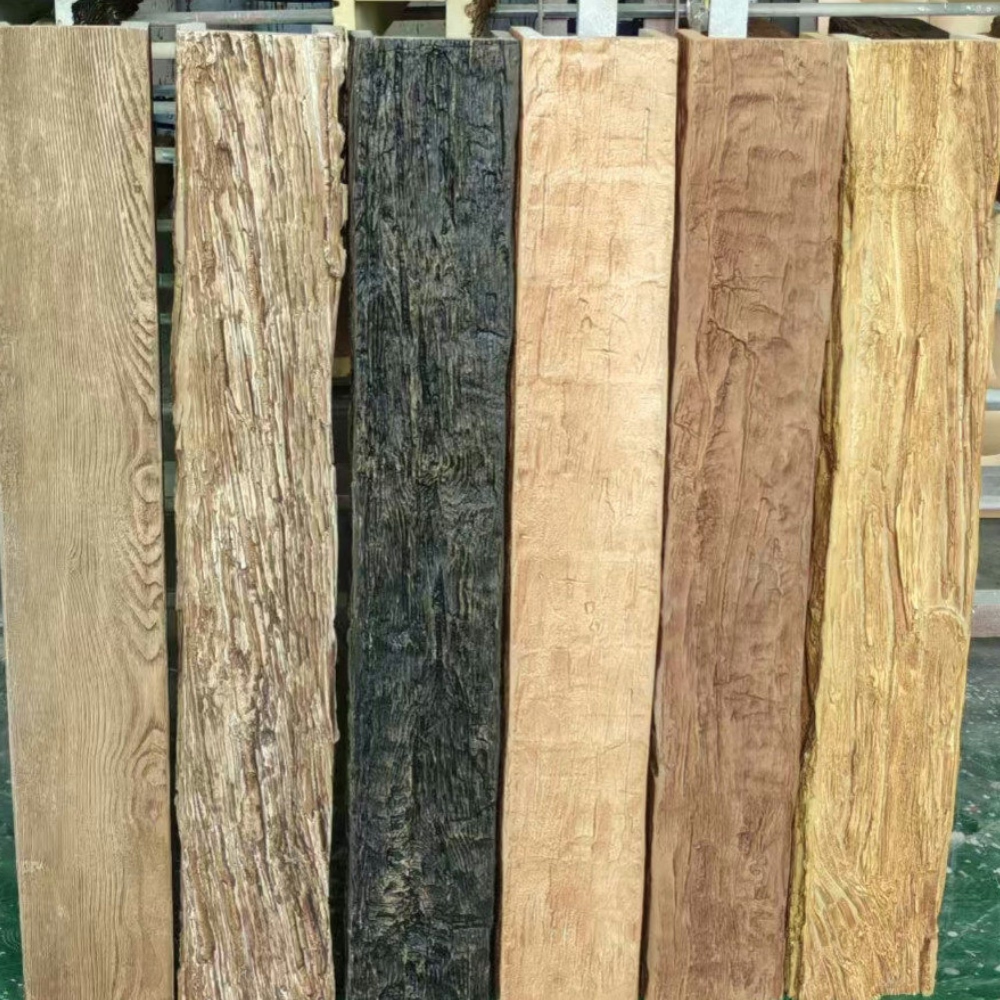
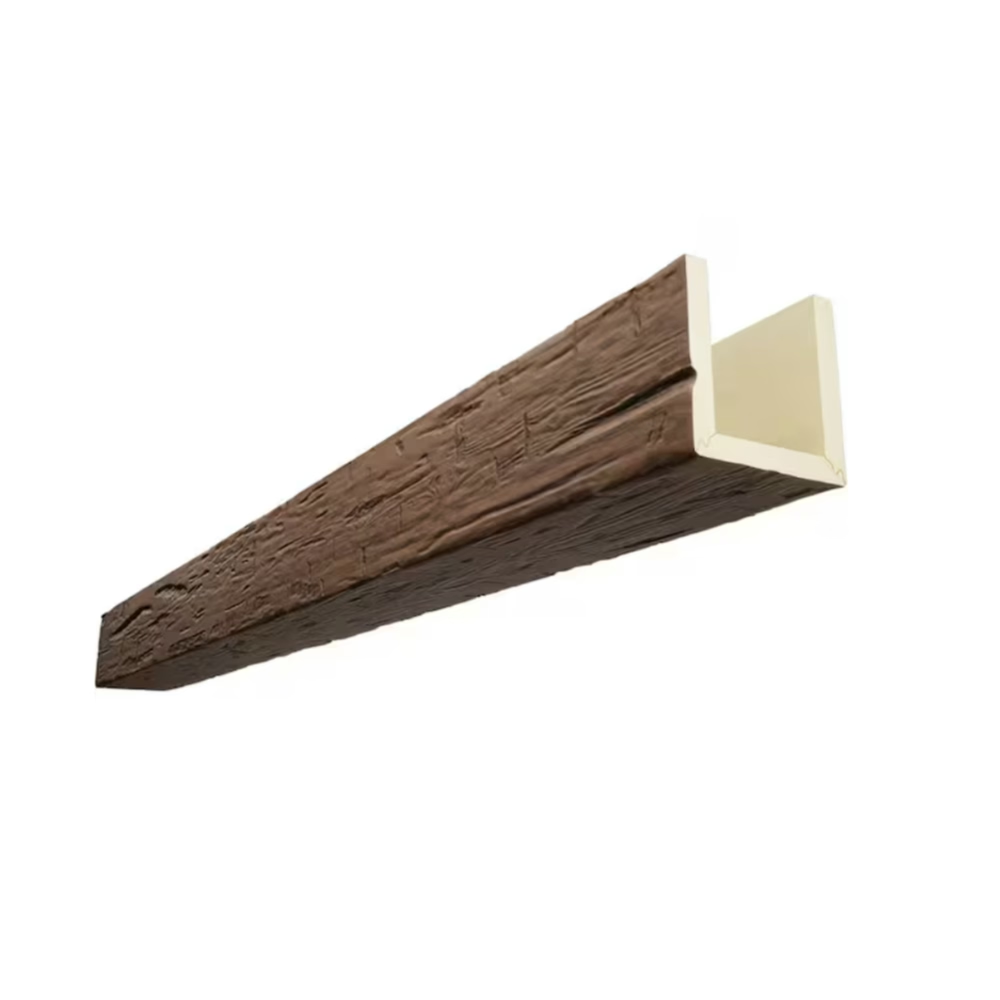
Interior designers constantly seek materials that enable distinctive visual expressions without sacrificing practical performance. The challenge intensifies when working with ceiling beams and architectural elements that demand both aesthetic impact and functional reliability. Polyurethane faux beams have emerged as a versatile canvas for creative finish work, accommodating an extraordinary range of surface treatments that transform functional elements into design statements.
The foundation for finish versatility lies in the manufacturing process that produces PU beam cores. Unlike natural wood with its inherent grain patterns and color variables, polyurethane accepts surface treatments uniformly. This consistency eliminates the frustration of patchy stain absorption or uneven paint coverage that frequently challenges finishers working with timber of mixed grain density.
Beginning with a clean, properly prepared surface, finishers can achieve professional results on PU beams using standard techniques adapted from furniture finishing. The material responds well to sanding, priming, and topcoat application. Whether the project requires solid color paint, translucent stain, glaze, or layered effects, polyurethane provides reliable substrate performance that inspires creative experimentation.
White and off-white painted finishes rank among the most popular options for contemporary interiors. Clean, bright beams contribute to airy, spacious feelings that suit minimalist design philosophies. The absence of visible wood grain in painted PU beams creates seamless surfaces that integrate with white or light-colored ceiling planes. Matte, satin, and semi-gloss sheens each produce distinct visual effects that designers leverage to achieve specific atmospheres.
Distressed and antiqued finishes transform PU beams into rustic elements that complement farmhouse aesthetics, cottage interiors, and weathered industrial spaces. Techniques involving crackling compounds, strategic sanding to expose base layers, and targeted stain application create the appearance of aged timber that has accumulated character through decades of service. The consistency of PU substrate ensures reproducible results across multiple beams, unlike natural wood where distressing patterns remain inherently unpredictable.
Gray tones have gained substantial popularity in recent design trends, particularly for industrial-influenced spaces and urban loft conversions. PU beams accept gray staining exceptionally well, producing tones ranging from pale silver to deep charcoal. Weathered gray finishes, where darker pigment concentrates in recesses and corners, create the illusion of naturally aged timber without requiring actual exposure to elements. The effect proves particularly compelling in spaces featuring exposed brick, concrete, or metal architectural elements.
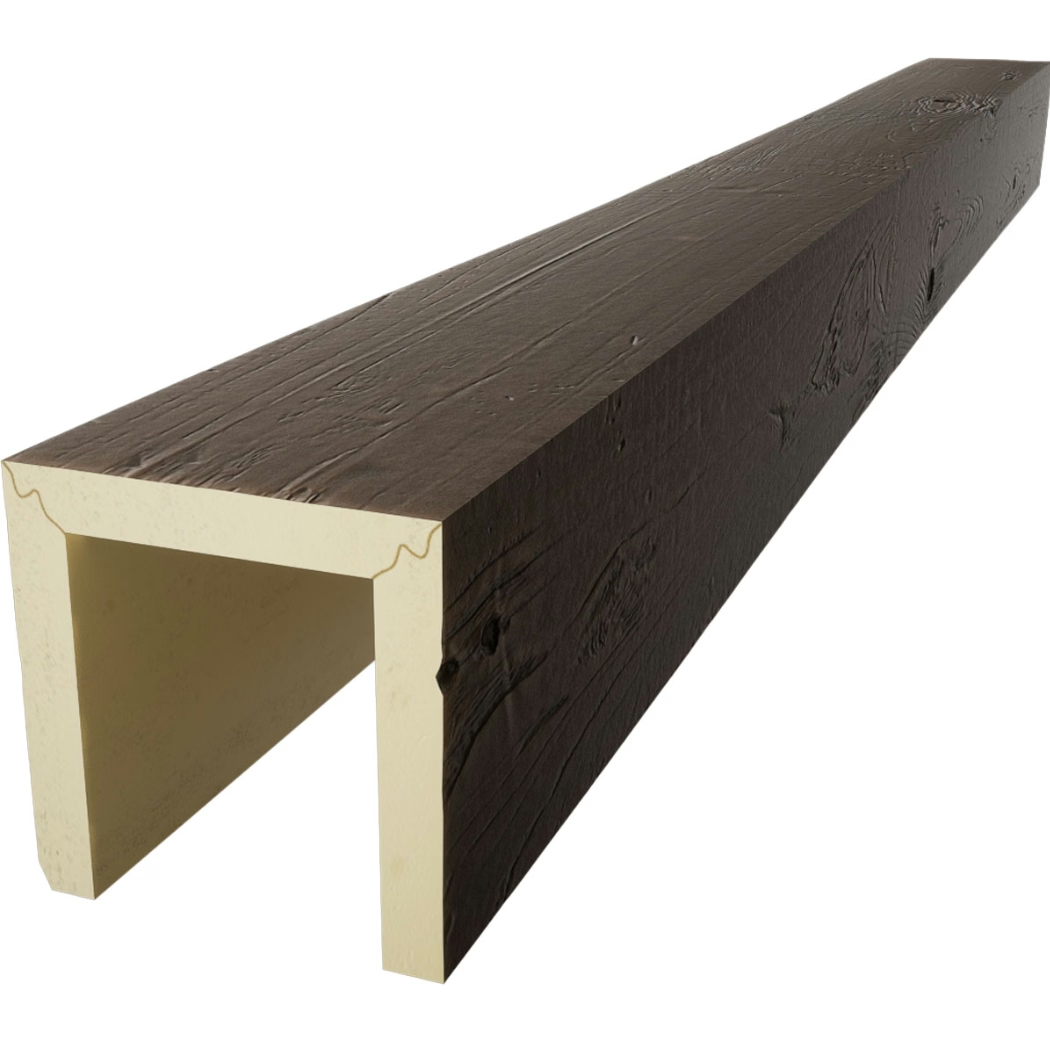
Natural wood appearance remains the most frequently requested finish category for PU faux beams. Manufacturers have developed sophisticated finishing systems that reproduce the visual complexity of authentic timber. Multi-step processes build color depth through layered application of dyes, pigments, and toners. Grain enhancement techniques highlight the simulated wood structure without producing the artificial appearance of printed or painted surfaces.
Oak, maple, walnut, and cherry tones represent standard offerings that satisfy most specifications. Beyond these classics, finishers can create custom hues that match specific architectural elements or brand color requirements. Hospitality designers particularly value this capability for properties maintaining strict brand standards across multiple locations. A boutique hotel chain, for instance, can specify exact finish coordinates that ensure visual consistency across geographically dispersed properties.
Textured surfaces add tactile dimension to visual finishes. Hand-hewn textures, where sharp chisel marks and tool evidence simulate traditional timber craftsmanship, complement rustic and farmhouse design schemes. Wire-brushed textures that expose subtle grain relief without aggressive distressing suit transitional interiors that balance contemporary cleanliness with traditional warmth. These textures bond with finish layers to create surfaces that reward close inspection.
Metallic finishes represent an unexpected but increasingly requested option for commercial spaces. Copper, bronze, and gold-toned beams introduce warmth and luxury to hospitality venues, retail environments, and entertainment spaces. The durability of PU substrate protects these specialty finishes from the traffic-related wear that would quickly degrade metallic leaf applications on more fragile surfaces.
Matte versus gloss distinction profoundly affects how beam finishes interact with surrounding light. High-gloss lacquered beams reflect light dramatically, creating focal points that draw attention upward in spaces with limited natural illumination. Matte finishes absorb light more completely, contributing to understated elegance that complements rather than dominates surrounding design elements. Satin finishes provide balanced reflection that works well in most applications.
The maintenance implications of different finish types deserve consideration during specification. Solid-color painted finishes touch up readily, making them practical for high-traffic commercial environments where scuffs and marks periodically require attention. Stained and natural finishes may require more specialized repair techniques when damaged. Understanding maintenance requirements helps property managers plan for long-term appearance preservation.
Custom finish options extend to size and profile customization as well. Beyond standard rectangular beams, manufacturers can produce beams with curved profiles, decorative end treatments, and compound geometries that would be prohibitively expensive in natural timber. Combining custom profiles with custom finishes enables design expressions that cannot be achieved through conventional materials.

Collaboration between designers and finish specialists unlocks possibilities that neither party might achieve independently. Finish labs can develop custom colors from physical samples, reference photographs, or color system specifications. This collaborative approach produces results that satisfy the most demanding aesthetic requirements while maintaining the practical advantages of polyurethane substrate.
Sample verification before full production prevents costly errors and ensures satisfaction with final results. Reputable manufacturers offer sample services that allow designers to evaluate finish appearance, texture, and durability before committing to full project quantities. This verification step proves particularly valuable when matching existing elements or achieving specific brand standards.
Environmental considerations influence finish selection for projects pursuing sustainability certifications. Water-based finishes have largely displaced solvent-based products in contemporary manufacturing, reducing volatile organic compound emissions and improving indoor air quality. Low-VOC finish options support LEED certification and similar green building standards that increasingly influence material selection in commercial construction.
Seasonal considerations affect finish application and curing in manufacturing environments. Temperature and humidity control during finishing operations ensures proper coating adhesion and consistent appearance. Climate-controlled production facilities produce more reliable results than facilities subject to environmental variation, particularly for projects requiring exacting quality standards.
Application Techniques for Distinctive Effects
Layered finishing techniques create visual complexity that elevates beam appearance beyond single-process treatments. Glazing over base coats, where translucent color concentrates in recesses and corners, introduces depth that mimics naturally aged timber. This technique works equally well with painted and stained base surfaces, providing versatile options for achieving specific aesthetic goals.
Color washing produces subtle tonal variation across beam surfaces. Diluted paint or stain applied with controlled brushwork creates gentle gradients that prevent flat appearance. This technique suits contemporary interiors seeking warmth without rustic connotations, adding life to neutral color palettes without introducing strong visual accents.
Stenciling and decorative treatments extend creative possibilities further. Geometric patterns, directional markings, and custom graphics can be applied to beam surfaces for themed installations. Restaurant and retail designers leverage these capabilities to reinforce brand identity or create distinctive atmospheres that distinguish their venues from competitors.
Coordinating Beam Finishes with Surrounding Elements
Successful interior design requires cohesive material relationships throughout a space. Beam finishes should relate thoughtfully to flooring, wall treatments, millwork, and furniture materials. Warm-toned wood finishes on beams might echo hardwood flooring or accent wall paneling, creating visual connections that unify disparate design elements.
Cool-toned gray or white finishes complement contemporary spaces featuring concrete, stone, or minimalist material palettes. The beam finish can either blend with surrounding surfaces or provide subtle contrast that defines the ceiling plane without competing for attention. Determining the appropriate relationship requires understanding overall design intent and the specific role beams play in the spatial composition.
Lighting design interacts with beam finish selection significantly. Directional lighting from recessed fixtures or track systems creates different appearances than ambient illumination from windows or decorative fixtures. Designers often specify finish options that have been evaluated under lighting conditions matching the intended installation environment, preventing surprises when beams appear differently than showroom samples suggested.
Future Directions in Beam Finishing
Emerging technologies continue expanding finishing possibilities for PU faux beams. Digital printing enables photographic-quality imagery on beam surfaces, reproducing the exact grain patterns of specific wood species or introducing entirely decorative surfaces limited only by imagination. As these technologies mature and costs decrease, opportunities for truly unique beam installations will expand correspondingly.
Custom finish development increasingly leverages customer collaboration and rapid prototyping. Design teams submit reference images and material samples; finish specialists translate these inputs into production specifications that achieve target appearances reliably. This collaborative process produces better outcomes than specification-driven approaches where designers select from limited standard options.
Technical References
ASTM standards cited in every specification
Test Data
Lab results from internal testing program
Updated 2026
Reviewed against current product specs