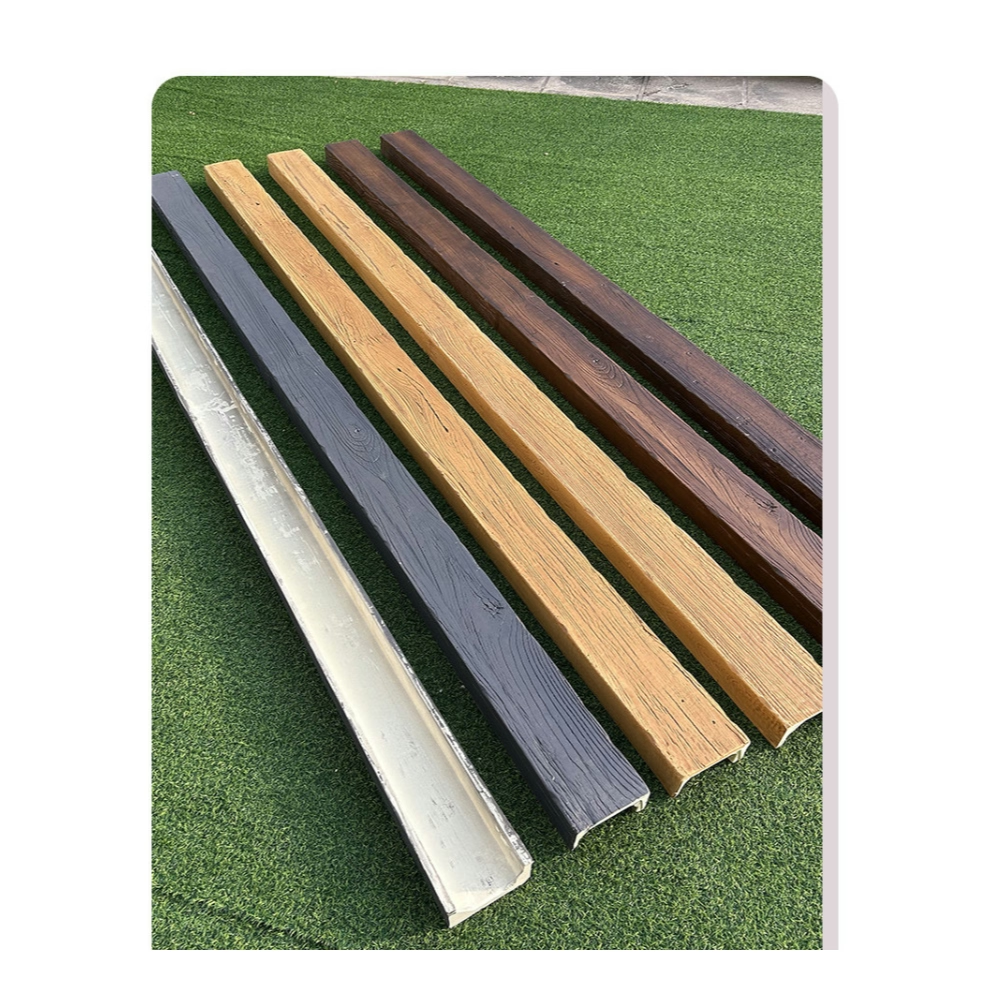
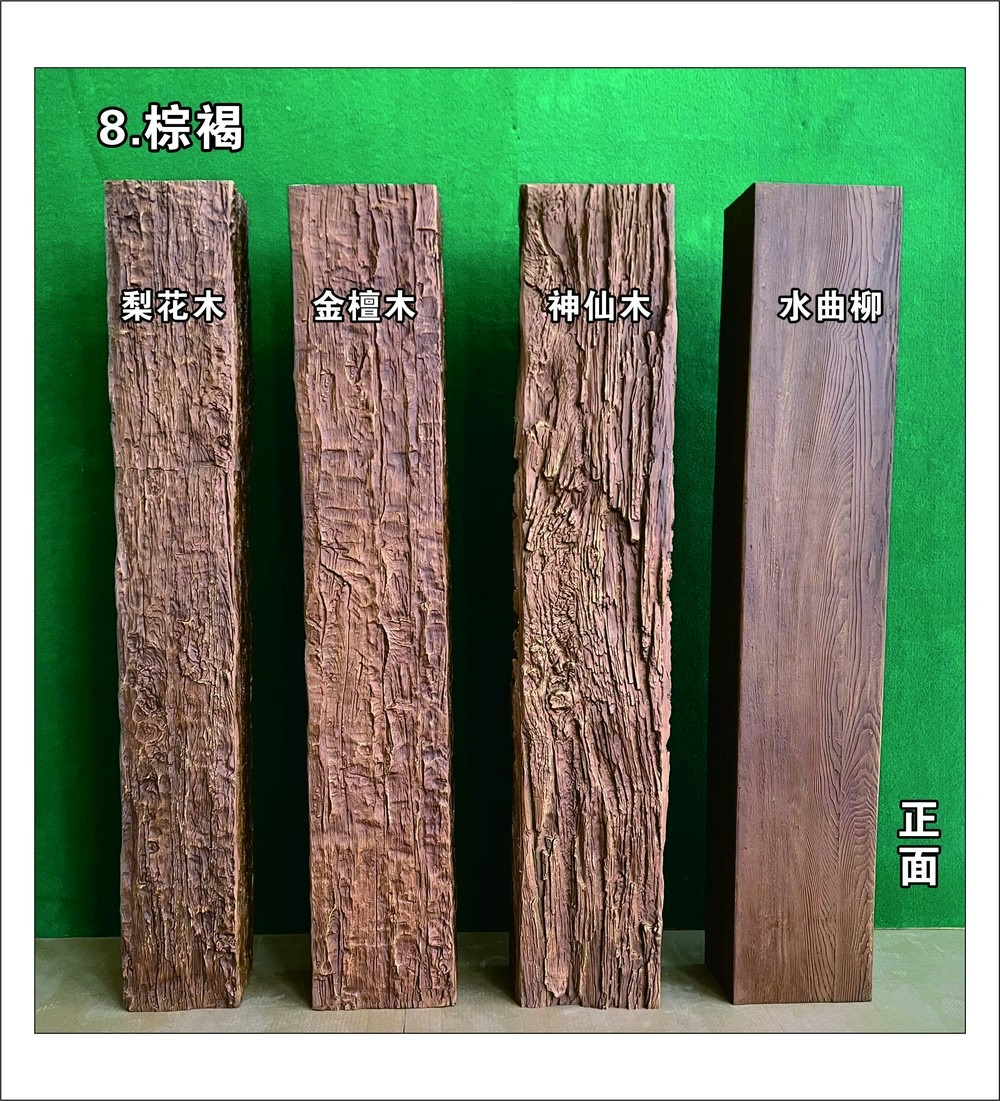
Ceiling surfaces accumulate damage over building lifespans that compromises their appearance and challenges interior design efforts. Water stains from past leaks, cracks from structural settling, surface damage from impacts, and modifications that removed previous finishes all create visible evidence that detracts from interior aesthetics. At the same time, functional ceiling infrastructure including ducts, pipes, and electrical systems often occupies ceiling spaces with necessary but unsightly presence. Rather than accepting these limitations, property owners can address multiple ceiling challenges simultaneously through comprehensive beam installations that transform problem surfaces into attractive architectural features.
The layered approach to ceiling challenges addresses root causes while achieving surface improvements. Beam installations conceal existing damage without requiring repair of underlying problems, saving substantial expense while delivering superior aesthetic results. Cracks that might require extensive patching and retexturing disappear behind beam installations. Water stains that resist bleaching and painting hide completely beneath decorative treatments. Surface impacts and blemishes vanish within beam shadows and textures.
Structural imperfections present particular challenges that beam installations handle effectively. Unlevel ceiling planes, offset joints between construction stages, and variations in surface materials all create visual disruptions that beam arrangements can either conceal or accentuate intentionally. Strategic beam placement transforms these construction artifacts from liabilities into features, creating intentional design elements from previously problematic conditions.
Multiple mechanical systems frequently occupy the same ceiling spaces, creating compound concealment requirements. A single beam installation can address plumbing stacks, HVAC ducts, electrical conduit, and structural elements simultaneously, creating unified ceiling appearance from previously chaotic infrastructure. This comprehensive approach proves more efficient than addressing each system individually with different treatments.

Assessment of existing ceiling conditions guides appropriate beam installation planning. Professional evaluation identifies the specific challenges requiring attention while ensuring that beam installations will not exacerbate underlying problems. Moisture issues, structural movement, and mechanical conditions all require understanding before concealment treatments are specified.
Water damage history influences beam material selection and installation approaches. Areas with previous leak problems may continue experiencing moisture exposure that affects concealment materials differently than surrounding surfaces. Faux beams resist moisture damage that would affect genuine timber, maintaining appearance despite occasional moisture contact that natural wood could not survive.
Structural movement in buildings with settling foundations or seismic concerns creates challenges for any ceiling treatment. Rigid installations may crack or detach when building movement stresses connections. Beam installations designed with flexible mounting systems accommodate reasonable movement without visible damage, maintaining aesthetic improvement despite ongoing structural dynamics.
Maintenance access to concealed systems requires consideration during beam installation planning. Future needs for plumbing service, electrical modification, or HVAC maintenance should inform decisions about beam permanence and accessibility. Removable sections and access panels preserve necessary access while maintaining aesthetic coverage during normal conditions.
Investment protection through comprehensive beam installation provides long-term value beyond immediate aesthetic improvement. Quality beam materials maintain appearance for extended service periods, protecting renovation investments from the deterioration that affects lesser treatments. The comprehensive approach addresses immediate challenges while preventing future maintenance requirements that fragmented solutions might create.
Property value enhancement results from transformed ceiling appearances that increase buyer appeal. Architectural character featuring beam ceilings commands premium positioning in real estate markets, distinguishing properties from competitors with unfinished or problem ceilings. The perceived value added typically exceeds installation costs, providing positive return on renovation investment.
Professional installation ensures proper handling of complex ceiling conditions. Trained installers understand how to work around mechanical systems, accommodate structural requirements, and achieve aesthetic outcomes that satisfy property owners. Complex projects with multiple challenges benefit from professional assessment and execution that prevents costly errors.
Design coordination between beam installations and remaining ceiling areas ensures visual coherence across entire ceiling planes. Comprehensive coverage creates opportunities for unified ceiling appearance that appears intentionally designed rather than partially treated. Consistent finish selection, proportional design, and coordinated lighting integration produce polished results throughout treated spaces.
Ceiling flaws, ducts, and structural imperfections need not limit interior design possibilities when comprehensive concealment solutions exist. PU faux wood beams provide practical approaches that address multiple ceiling challenges simultaneously, transforming problem surfaces into attractive architectural features. Property owners facing complex ceiling challenges should consider beam installations as comprehensive solutions that deliver lasting value.
Technical References
ASTM standards cited in every specification
Test Data
Lab results from internal testing program
Updated 2026
Reviewed against current product specs