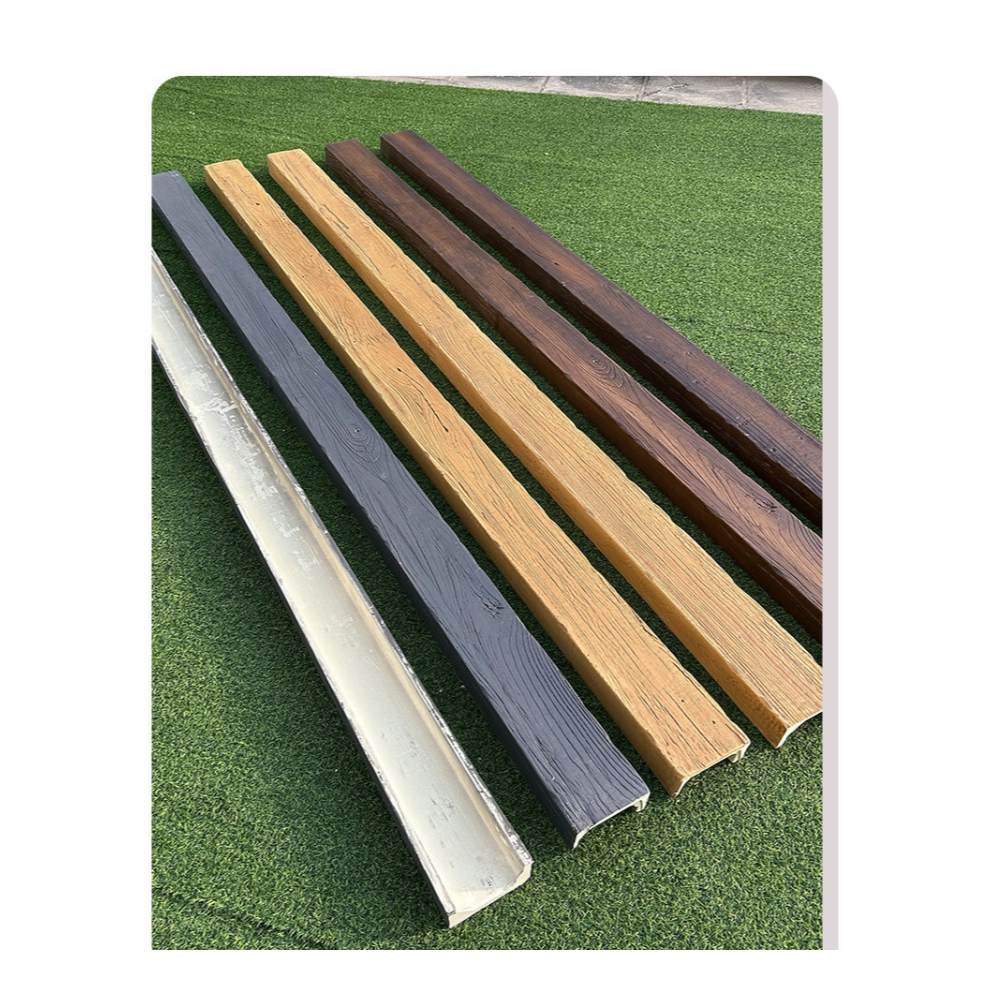
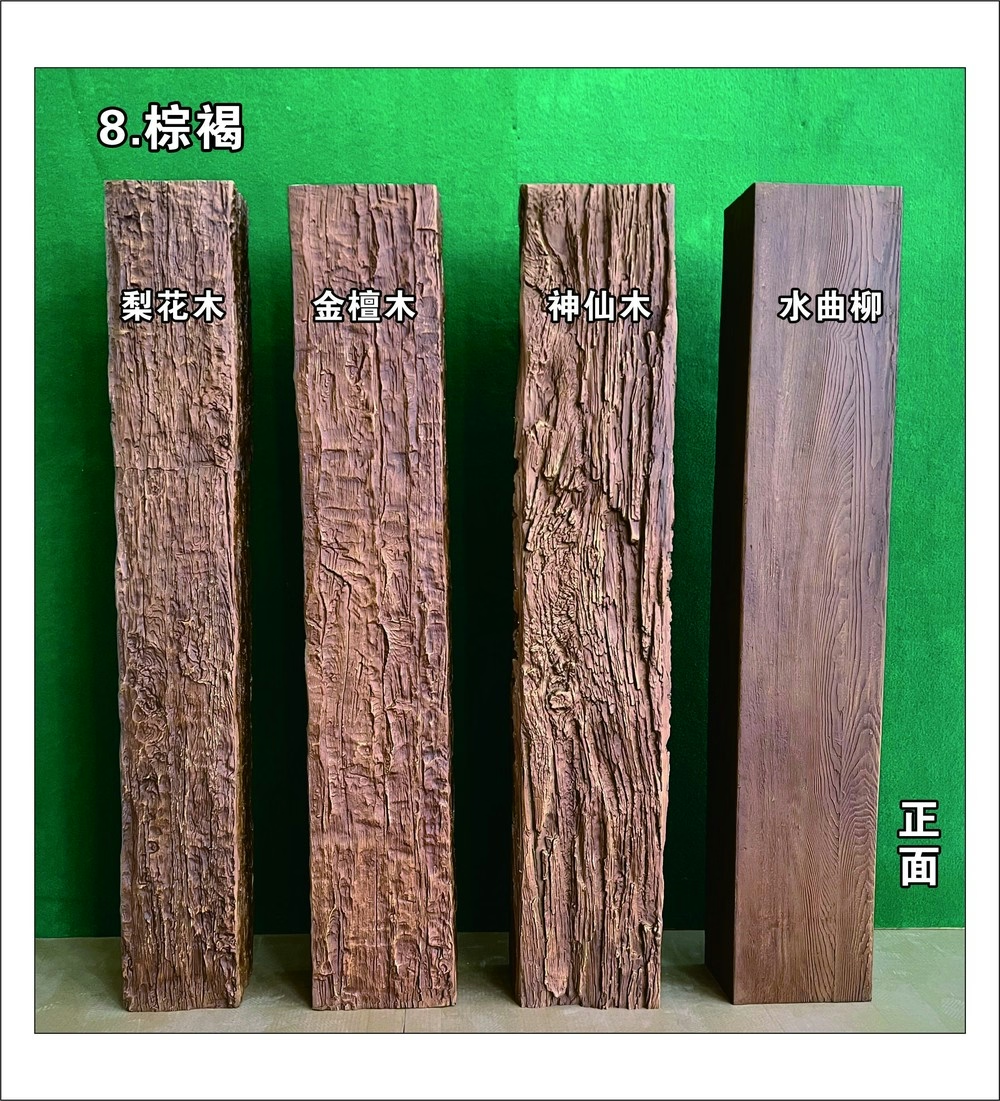
Ceiling surfaces rarely achieve the perfect flatness that interior design ideals suggest. Construction tolerances, material limitations, and building movement combine to create visible imperfections that accumulate over time. Joints between ceiling panels, seams where different materials meet, and surface variations from patching and repair all create visual disruptions that detract from interior aesthetics. Rather than expensive and often temporary repairs, PU faux wood beams provide elegant solutions that transform imperfect ceilings into attractive architectural features.
Construction reality differs significantly from design drawings when it comes to ceiling surfaces. Standard construction tolerances allow visible variations that become apparent under the direct lighting conditions common in residential and commercial interiors. Professional finishers understand these limitations and plan accordingly, but even skilled work cannot eliminate all evidence of construction processes. Beam installations acknowledge these realities while providing visual solutions that transform limitations into features.
Panel ceiling systems common in commercial construction create regular joint patterns that beam installations can either respect or override. Beams running perpendicular to panel joints create visual rhythms that dominate perception, reducing visible impact of underlying panel edges. Beams running parallel to joints may align with or offset from panel edges, creating various visual effects depending on specific alignments and proportions.
Drywall ceiling installations often develop crack patterns along seams between sheets as buildings settle and materials age. These cracks recur despite repeated repair attempts, creating maintenance burdens that frustrate property owners. Beam installations spanning these problematic areas conceal existing damage and prevent visible recurrence by bridging across joints rather than following them. Movement that would crack joint compound instead stresses beam connections designed for flexibility.

Texture variations between adjacent ceiling materials create visible differences that beam installations eliminate from direct view. Transitions between drywall and plaster, patches of different ages, and variations in paint sheen all become invisible when beams cover the affected areas. This concealment proves more reliable than attempting to match textures and finishes across problematic surfaces.
Soffit transitions where ceiling planes drop to accommodate mechanical systems create abrupt changes that beam installations can soften. Beams positioned at these transitions create gradual visual shifts rather than harsh geometric breaks, integrating dropped ceiling areas into overall ceiling composition. This approach works particularly well in renovated spaces where mechanical additions created awkward ceiling configurations.
Popcorn ceiling textures that have fallen from fashion present renovation challenges that beam installations resolve elegantly. Removal of textured coating releases asbestos fibers in older buildings and creates messy, labor-intensive projects in newer construction. Beams installed over popcorn textures provide immediate aesthetic improvement without the expense and disruption of removal, transforming dated surfaces into contemporary treatments without hazardous material concerns.
Level variations across ceiling planes create visual distortions that careful beam placement can minimize. Beams aligned parallel to level variations create parallel visual lines that appear intentionally designed, while perpendicular arrangements can mask the underlying unevenness through shadow and perspective effects. Understanding how beam orientation affects perception of level helps installers optimize results for specific ceiling conditions.
Structural beams and columns penetrating ceiling planes create discontinuities that challenge smooth ceiling appearance. Beam installations wrapping or adjacent to structural elements create intentional design relationships that acknowledge structural presence while integrating it into overall ceiling aesthetics. This approach works particularly well in industrial and commercial spaces where exposed structure forms part of design character.
Water damage and subsequent repairs create surface variations that beam installations conceal completely. Stained areas, patched sections, and texture differences all disappear beneath beam installations regardless of how well or poorly repairs were executed. This concealment provides permanent solutions to ceiling damage that repair attempts might never achieve satisfactorily.
Joist visibility in unfinished spaces creates regular patterns that beam installations can either complement or replace. Parallel joists provide natural alignment for beam installations, creating the appearance of structural beam additions without requiring actual structural work. This approach works well in basement ceilings, garage spaces, and converted attics where joists remain visible.
Paint color variations across ceiling surfaces create uneven appearance that beam installations eliminate from direct observation. Previous repairs, different paint batches, and UV exposure variations all contribute to visible differences that cover-up painting rarely eliminates. Beams provide immediate, permanent concealment without requiring the preparation and multiple paint applications that surface treatment would demand.
Professional assessment of ceiling conditions guides appropriate beam installation planning. Experienced installers identify specific challenges and recommend beam configurations that address each condition effectively. Complex situations with multiple flaw types benefit from professional evaluation that develops comprehensive solutions rather than addressing symptoms individually.
Uneven ceiling joints and surface flaws need not determine interior appearance when practical concealment solutions exist. PU faux wood beams transform imperfect ceilings into attractive surfaces while adding architectural character that enhances overall design. Property owners and design professionals facing ceiling imperfection challenges should consider beam installations as reliable solutions.
Technical References
ASTM standards cited in every specification
Test Data
Lab results from internal testing program
Updated 2026
Reviewed against current product specs