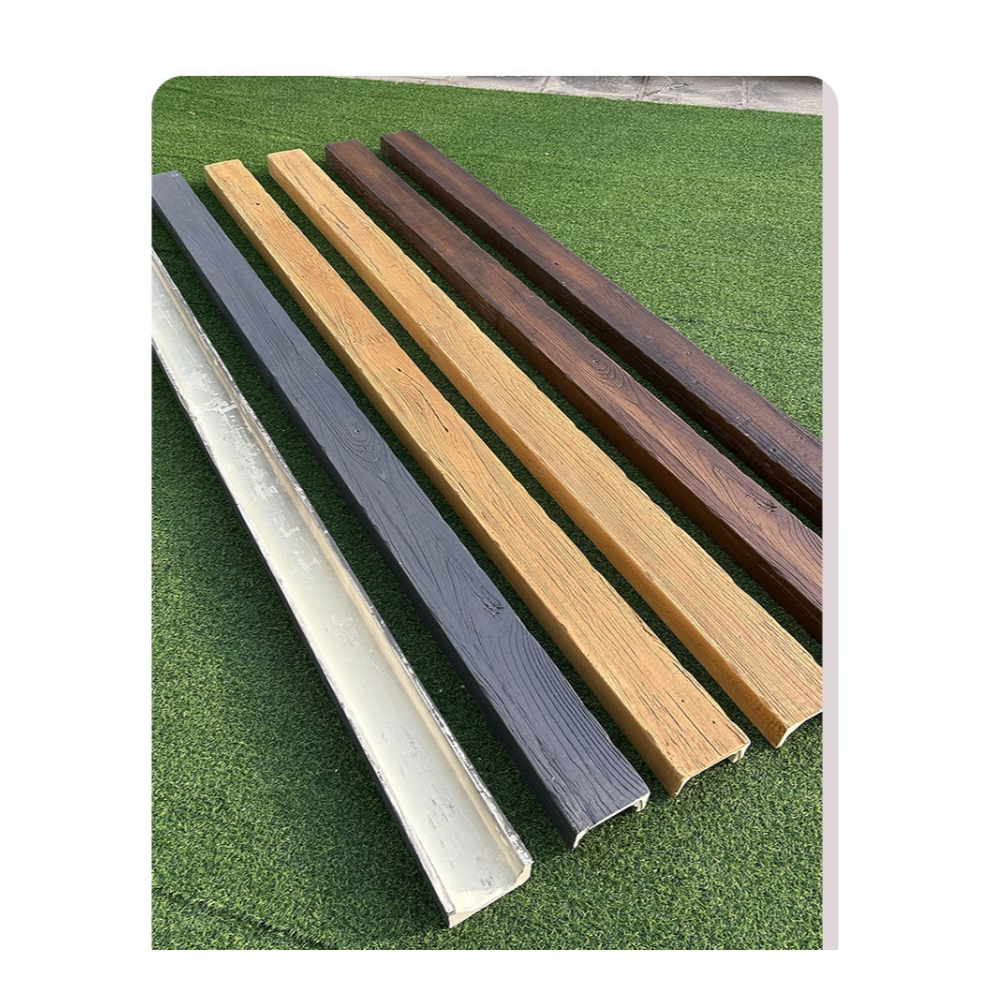
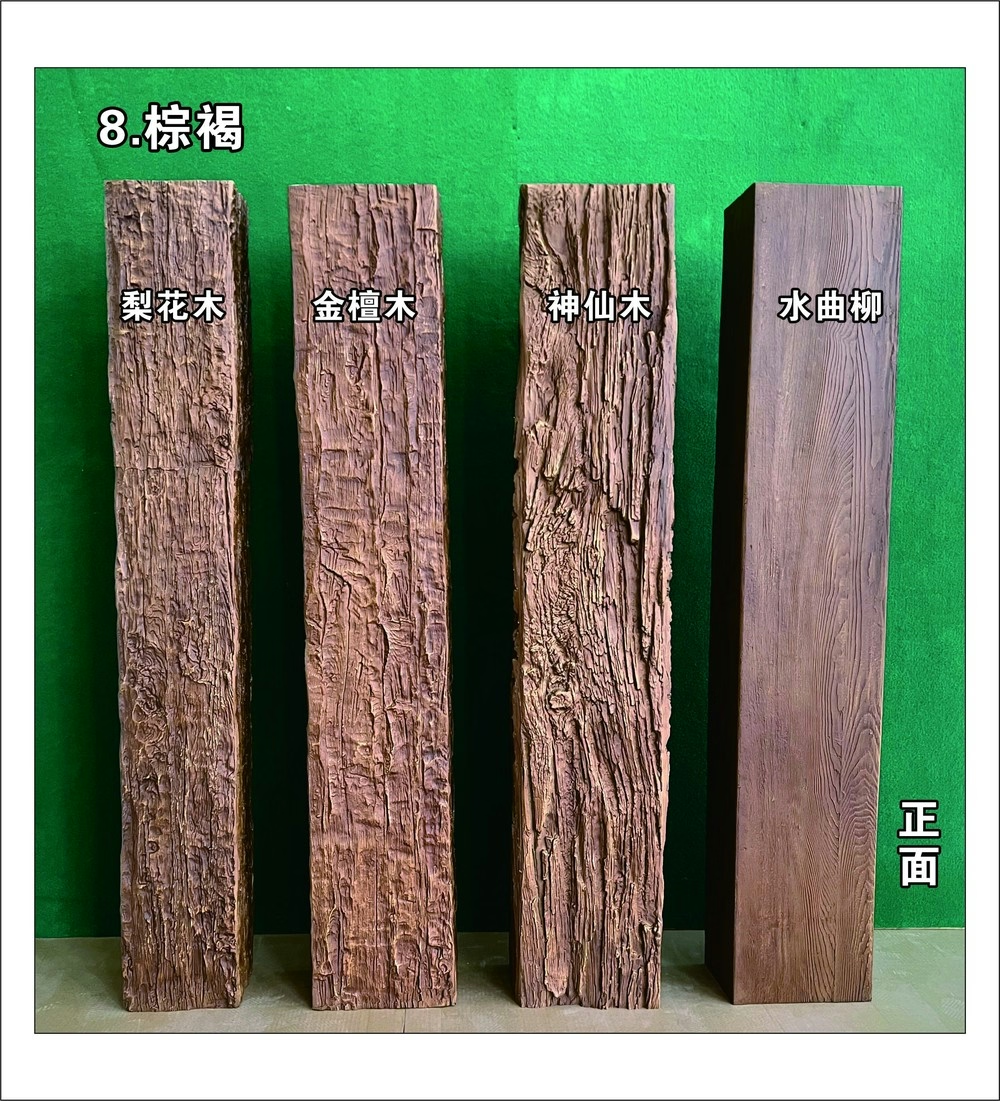
Exposed electrical wiring traversing ceiling surfaces creates visual clutter that undermines interior design intentions. What should feel like a finished, inviting space instead presents industrial complexity that distracts from furniture arrangements, wall treatments, and other design elements. The challenge intensifies in spaces where electrical requirements have expanded beyond original building design, creating additional runs that compound existing aesthetic problems. PU faux wood beams provide organized concealment solutions that address both visual appearance and practical electrical requirements.
Neat wire concealment begins with organization before any covering installation begins. Loose, tangled wiring benefits from sorting and securing that creates logical groupings before concealment. Related circuits can be bundled together, with adequate separation maintained between high-voltage and low-voltage conductors as electrical codes require. This preparatory organization ensures that concealed wiring remains manageable for future modifications and maintenance.
Circuit categorization affects concealment approach and accessibility planning. Lighting circuits, outlet circuits, appliance circuits, and specialized systems each present different modification frequencies and access requirements. High-traffic circuits likely to require future work benefit from easier access provisions than circuits installed with long-term stability. Planning accessibility based on circuit characteristics prevents future complications.
Conduit protection for exposed wire runs provides organized containment that simplifies concealment. Metal conduit, plastic conduit, and wire mold systems each offer different aesthetic and functional characteristics. Conduit creates neat, paintable surfaces that beam installations can cover effectively, transforming industrial conduit appearance into architectural detail. The substantial visual presence of beams dominates perception, reducing the industrial character of underlying conduit.

Junction box accessibility requires strategic positioning within beam installations. These connection points between circuit segments require ongoing access for inspection, modification, and troubleshooting. Beam arrangements should frame junction boxes rather than covering them, creating compositions where beams define spaces around necessary electrical access points. Accessible junction boxes maintain code compliance while remaining unobtrusive.
Low-voltage wiring for networking, telecommunications, and audio-visual systems increasingly populates ceiling spaces in modern buildings. These conductors often follow different routing patterns than traditional electrical wiring and may require different accessibility provisions. Organized bundling and labeling of low-voltage systems within beam cavities supports future modifications and troubleshooting activities.
Electrical code requirements for wire fill ratios specify maximum conductor densities within enclosed spaces. Dense wire bundles may exceed these limits, creating heat accumulation and fire hazards that code compliance intends to prevent. Organized distribution of conductors within beam cavities rather than tight bundling maintains appropriate fill ratios while accommodating comprehensive wiring coverage.
Heat dissipation in electrical conductors requires adequate ventilation within beam installations. Enclosed spaces without airflow can trap heat, potentially degrading wire insulation over extended periods. Beam designs that maintain clearance around wire bundles or incorporate ventilation provisions ensure adequate heat dissipation that extends conductor service life and maintains safety margins.
Switch and outlet wiring that rises from wall boxes to ceiling fixtures requires careful routing within beam installations. These upward runs create transition points where concealed wiring meets visible fixture connections. Organized routing that follows logical paths from boxes to fixtures creates manageable systems that future modifications can follow easily.
Documentation of concealed wiring provides essential support for future activities. As-built records identifying wire routes, junction locations, and circuit assignments enable efficient modifications and troubleshooting. Photographs and diagrams stored with building records prevent the uncertainty that can lead to accidental damage during unrelated work.
Light fixture junction boxes require particular attention during wire concealment projects. These locations connect building wiring to fixture wiring and often require access for fixture replacement or modification. Beam installations should frame or provide access to these boxes without covering them completely, maintaining necessary accessibility while concealing surrounding wire runs.
Safety considerations must guide all electrical wire concealment activities. Working with existing electrical systems requires appropriate training and authorization. Licensed electricians should assess concealment approaches and verify that enclosed systems meet applicable code requirements. Professional involvement ensures that concealment improvements do not compromise electrical safety.
Aesthetic coordination between beam installations and other ceiling elements creates unified visual results. Wire concealment beams should appear as intentional architectural features rather than afterthought covers, with consistent styling, proportional design, and coordinated finishes throughout. This intentional appearance distinguishes professional concealment from improvisational problem-solving.
Neat wire concealment transforms cluttered ceiling appearances while maintaining electrical safety and accessibility. PU faux wood beams provide organized approaches that address aesthetic and practical requirements simultaneously. Property owners and design professionals facing exposed wire challenges should consider beam installation as comprehensive solutions that deliver lasting improvement.
Technical References
ASTM standards cited in every specification
Test Data
Lab results from internal testing program
Updated 2026
Reviewed against current product specs