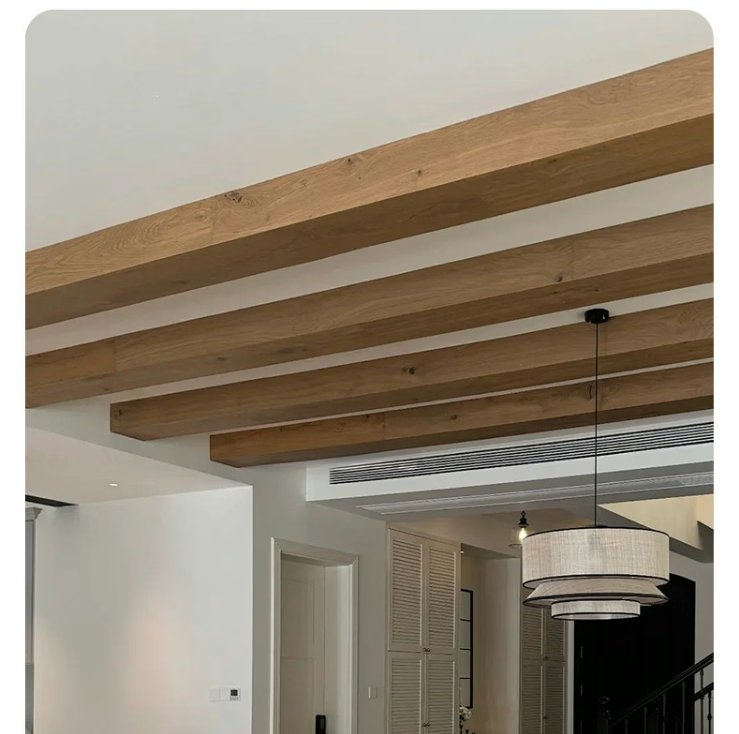
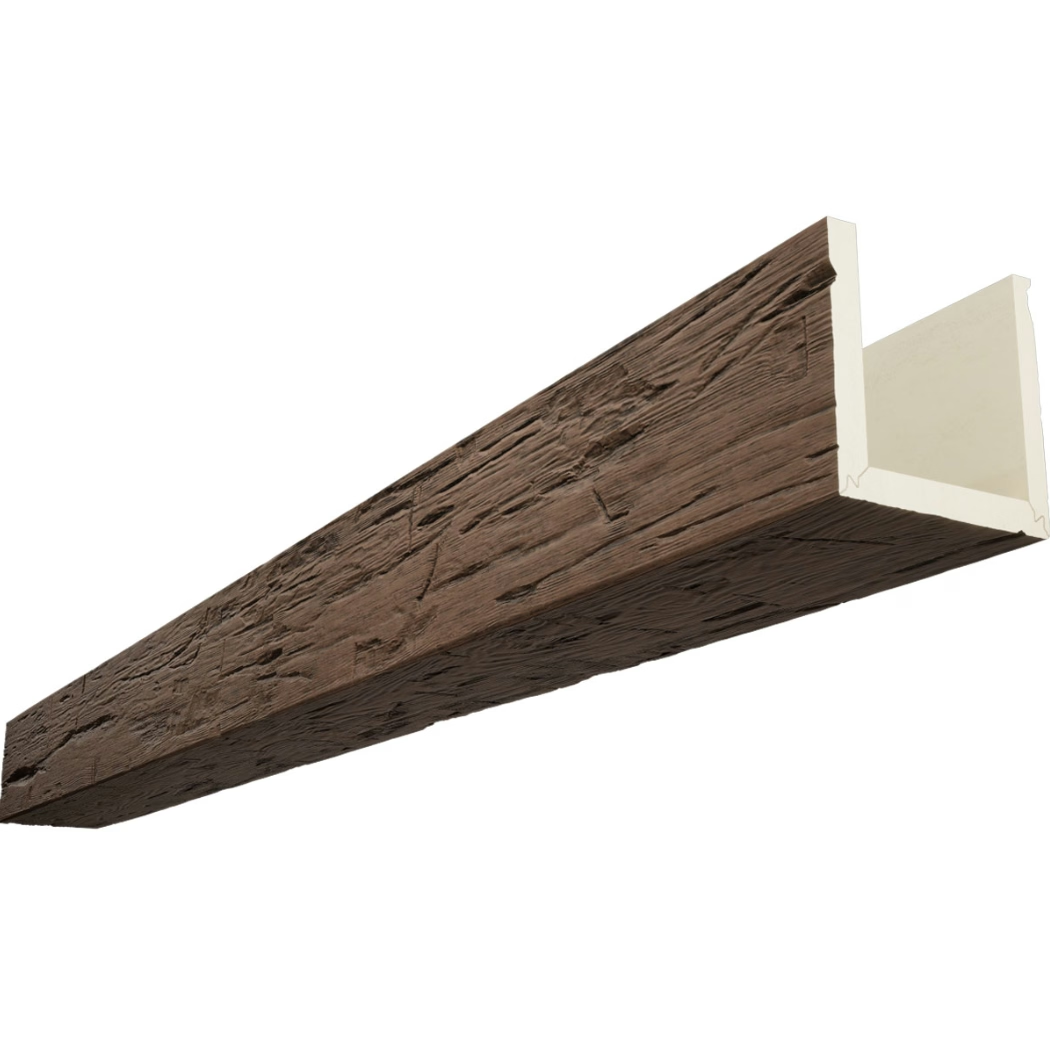
Professional photography studios operate as creative manufacturing facilities where quality, efficiency, and versatility determine commercial success. Every element within these spaces either supports or hinders the production of compelling imagery that satisfies clients and generates revenue. Ceiling and wall treatments receive careful consideration from studio operators who understand how backgrounds influence photographic outcomes. PU faux wood beams have emerged as valuable assets in studio environments where flexibility, appearance, and durability directly impact profitability.
Commercial photography assignments vary enormously in their environmental requirements. A food stylist might need rustic farmhouse aesthetics for morning magazine editorials, while an afternoon automotive shoot requires entirely different spatial arrangements and surface treatments. Studios serving diverse client bases must maintain environments that adapt efficiently while consistently delivering professional results. Beam installations support this adaptability through configurable arrangements that transform between assignments.
The weight characteristics of natural timber create significant constraints in studio environments. Ceiling structures designed for standard residential or commercial loads cannot necessarily support the substantial mass of genuine wooden beams. This limitation restricts where timber can appear in studios and complicates temporary installations for specific shoots. Faux beams weighing a fraction of natural wood eliminate these constraints, expanding design possibilities while simplifying logistics.
Equipment mounting in photography studios requires careful attention to weight distribution and attachment methods. Lighting modifiers, reflectors, backdrop systems, and camera supports all position overhead or against walls where beam installations might interfere or provide mounting opportunities. The lightweight nature of faux beams simplifies this consideration, as mounting points designed for the minimal weight of manufactured beams can use standard fasteners without specialized structural reinforcement.
Studio rental economics favor installations that maximize earning potential per square foot. Versatile environments that photograph well for multiple assignment types generate more revenue than specialized studios serving narrow niches. Beam installations contribute to this versatility by providing adaptable visual backgrounds that suit various photography styles, increasing the range of assignments a studio can accommodate profitably.

Lighting control presents particular challenges in photography environments where artificial and natural light sources interact with room surfaces. Surfaces that reflect light unevenly or create color casts complicate exposure calculations and post-processing workflows. Quality faux beams provide neutral surfaces that respond predictably to various lighting setups, reducing variables that photographers must manage during image capture.
Client comfort influences the quality of photographic results in portrait and fashion work. Subjects who feel at ease in studio environments perform more naturally, resulting in images with authentic expressions and relaxed poses. Warm, inviting backgrounds featuring wood textures help subjects feel welcome rather than clinical, supporting the rapport between photographers and their subjects that produces compelling work.
Set construction and strike efficiency directly affect studio profitability. Complex setups that require extensive construction consume labor hours that reduce profit margins, while rapid transformations between assignments maintain productive utilization. Beam systems designed for efficient assembly and disassembly support faster turnaround times, allowing studios to serve more clients within given periods.
Maintenance requirements in commercial studios differ from residential applications due to scale and usage intensity. Walls and ceilings that accumulate marks, scuffs, or damage from equipment positioning require regular attention to maintain professional appearance. Faux beams resist the impacts and abrasions that damage natural wood or painted surfaces, maintaining appearance despite demanding studio conditions with minimal maintenance labor.
Brand consistency matters for photography studios serving corporate clients with strict identity guidelines. Restaurants, hospitality brands, and retail chains require background treatments that align with established visual standards across all imagery. Manufactured beams provide consistent appearance across multiple installations, supporting the brand alignment that commercial clients demand.
Rental studio operators serving multiple photographers benefit from beam installations that photograph consistently across different lighting conditions and camera settings. Backdrop materials that appear differently under various equipment configurations complicate post-processing and color correction. Faux beams with uniform surface properties deliver reliable results that photographers can predict and control.
Future-proofing studio investments requires attention to emerging photography trends and client expectations. Lifestyle imagery, authentic backgrounds, and organic textures currently trend in commercial photography, favoring wood elements and rustic aesthetics. Studios equipped with beam installations can capture this visual language without expensive temporary constructions, positioning themselves to serve trending client needs.
Professional photography studios seeking competitive advantages should evaluate how PU faux wood beams support their creative capabilities and business operations. The combination of aesthetic appeal, practical performance, and installation flexibility makes these products valuable additions to studio environments. Photography professionals exploring environment improvements will find that beam installations deliver meaningful returns on investment.
Technical References
ASTM standards cited in every specification
Test Data
Lab results from internal testing program
Updated 2026
Reviewed against current product specs