The lobby experience in theaters, cinemas, and auditoriums significantly shapes audience perception of entire venue quality. These transitional spaces serve multiple functions—ticketing, queuing, socializing, refreshment service—that occur before performances and during intermissions. The design quality of lobbies affects not only aesthetic satisfaction but also audience mood, spending behavior, and overall satisfaction scores that venues track assiduously. Ceiling beam treatment offers one of the most effective interventions for elevating these spaces from functional enclosures to immersive environments.
Entertainment venue architecture has evolved substantially as venues compete for audience attention and spending in crowded leisure markets. Traditional theaters with ornate plasterwork and crystal chandeliers represented previous generations' approaches to lobby grandeur. Contemporary venues pursue different expressions of quality—often more restrained but no less effective in communicating premium positioning. The design vocabulary for modern entertainment lobbies includes ceiling beams that introduce warmth and architectural character without the maintenance burdens that elaborate period details impose.
The scale of theater and cinema lobbies often presents opportunities for dramatic beam installations that smaller commercial spaces cannot accommodate. High ceilings, long spans, and generous proportions create conditions where substantial beams make appropriate visual statements. The investment in beam treatment scales with available budget and ceiling volume, but even modest installations in smaller cinema lobbies create impact proportional to investment.
Pre-show psychology affects how audiences experience performances that follow. Anticipation builds during the lobby experience, with environmental quality influencing mood states that carry into performance spaces. Lobbies with warm materials, interesting architecture, and comfortable scale prepare audiences for positive performance experiences. Conversely, stark, institutional lobbies create neutral or negative states that performances must overcome. The lobby investment pays dividends in audience satisfaction that extends beyond the lobby itself.
The social functions of lobby spaces require environments conducive to conversation and congregation. Beam installations contribute to this social comfort through visual warmth and spatial definition that encourages lingering. The acoustic benefits of beam treatment—absorption and diffusion of sound reflections—improve conversation clarity in spaces where ambient noise might otherwise interfere with communication. These functional benefits complement aesthetic enhancement that beam treatment provides.
Refreshment service areas particularly benefit from beam treatment that creates gathering atmospheres. Bars, concession stands, and café seating areas within lobbies should feel like destinations rather than utilitarian service points. Beam installations create zones that establish identity and encourage spending time and money before performances or during intermissions. This congregation effect directly supports revenue objectives that venues prioritize.
The lighting integration opportunities that beam installations provide prove particularly valuable in entertainment venues. Dramatic accent lighting can highlight beam surfaces, creating focal points that organize lobby circulation and guide audience movement. Pendant fixtures suspended from beams add additional visual interest while providing functional illumination for service and circulation areas. The coordination between beam installation and lighting design creates layered environments that evolve through different lighting scenarios throughout operating hours.
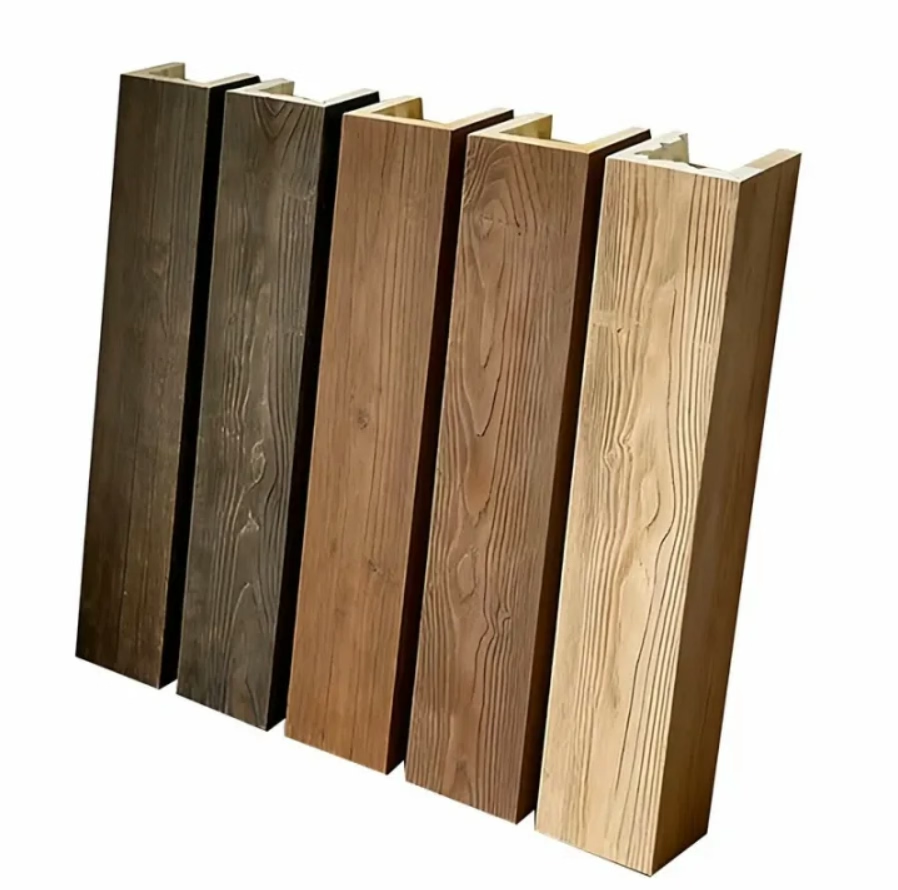
Material durability in entertainment venues must withstand the demanding conditions that high-traffic commercial spaces present. Hundreds or thousands of visitors cycle through lobbies during each event, with accumulated wear and tear that residential installations never encounter. Quality PU beam finishes resist scratching, scuffing, and marking that would quickly degrade natural wood alternatives. This durability ensures that lobby investments maintain appearance through years of demanding service.
Cleaning and maintenance requirements affect operational efficiency in ways that influence specification decisions. Lobbies that require extensive maintenance attention divert resources from audience service and performance support. Beam specifications that tolerate routine cleaning without specialized treatment or equipment enable maintenance-efficient operations that prioritize core venue functions.
Theatrical theming opportunities extend to lobby design in venues seeking immersive pre-show experiences. Theme parks, live performance venues, and specialty cinemas increasingly use lobby design to extend thematic environments beyond performance spaces. Ceiling beams can participate in these themed compositions, with custom profiles, specialized finishes, and integrated theming elements creating continuity between lobby and performance experiences.
Historic theater renovation frequently involves lobby restoration that preserves period character while updating systems and finishes for contemporary use. Beam treatment in these contexts must respect architectural heritage while providing durable, maintainable alternatives to original materials. PU beams that reproduce period-appropriate appearances enable this restoration without the ongoing maintenance that authentic period materials would require.
The acoustic properties of theater lobbies affect pre-show and intermission experiences significantly. High ceilings and hard surfaces—hallmarks of grand lobby design—create reverberation that interferes with conversation and creates uncomfortable acoustic environments. Beam installations break up these surfaces, reducing problematic reflections while maintaining the grand spatial qualities that lobby design requires. This acoustic improvement represents genuine functional benefit alongside aesthetic enhancement.
Fire safety requirements in assembly occupancies impose stringent requirements on interior finishes. Theater and cinema lobbies classified as assembly spaces face code requirements that affect material selection for beams and all other interior elements. Products with verified fire performance—documented through independent testing—simplify code compliance while ensuring occupant safety that codes exist to protect.
The relationship between lobby design and performance space character should support overall venue identity. Lobbies that feel disconnected from performance spaces create discontinuities that undermine immersive experiences. Beam treatment that echoes details visible in performance areas—similar profiles, complementary finishes, related proportions—creates environmental continuity that strengthens venue identity.

Seasonal and event-specific theming extends to lobby design in venues hosting diverse programming. Theaters presenting holiday productions might modify lobby theming to match seasonal themes. Cinema chains introducing franchise films can incorporate related theming that generates excitement among devoted fans. Beam installations should accommodate these variations through attachment systems that enable decorative additions without permanent modification.
The competitive entertainment landscape increasingly emphasizes total experience quality that lobby design significantly influences. Venues competing for leisure spending must provide environments that reward attendance beyond the core performance. Beam-treated lobbies contribute to these rewarding experiences in ways that affect return visitation, positive reviews, and word-of-mouth recommendations that drive future attendance.
Technical Requirements for Entertainment Venues
Acoustic performance in theater lobbies requires attention beyond simple sound absorption. Speech clarity for announcements, music reproduction for pre-show entertainment, and background audio for atmosphere all interact with lobby acoustics. Beam specifications should consider these acoustic requirements alongside aesthetic preferences, selecting profiles and finishes that support favorable acoustic outcomes.
Structural considerations for beam installations in high-ceiling venues require engineering attention to attachment and support. Long beam spans, seismic considerations, and maintenance access for fixtures suspended from beams all involve structural decisions that affect safety and long-term performance. Professional engineering involvement ensures that aesthetic ambitions do not compromise structural integrity.
Revenue Optimization Through Lobby Design
Contemporary venue operations increasingly emphasize revenue diversification beyond ticket sales. Lobby spending on refreshments, merchandise, and premium experiences contributes substantially to venue profitability. Beam-treated lobbies that encourage lingering and spending directly support these revenue objectives, providing return on investment that justifies design expenditure.
Premium seating, VIP experiences, and exclusive lounge areas within lobbies offer opportunities for elevated revenue that beam design can support. Distinct ceiling treatments for premium areas—perhaps more elaborate beam compositions or specialized finishes—create differentiation that justifies premium pricing. The investment in varied beam treatment pays dividends through price tier establishment that increases revenue per attendee.
Technical References
ASTM standards cited in every specification
Test Data
Lab results from internal testing program
Updated 2026
Reviewed against current product specs


