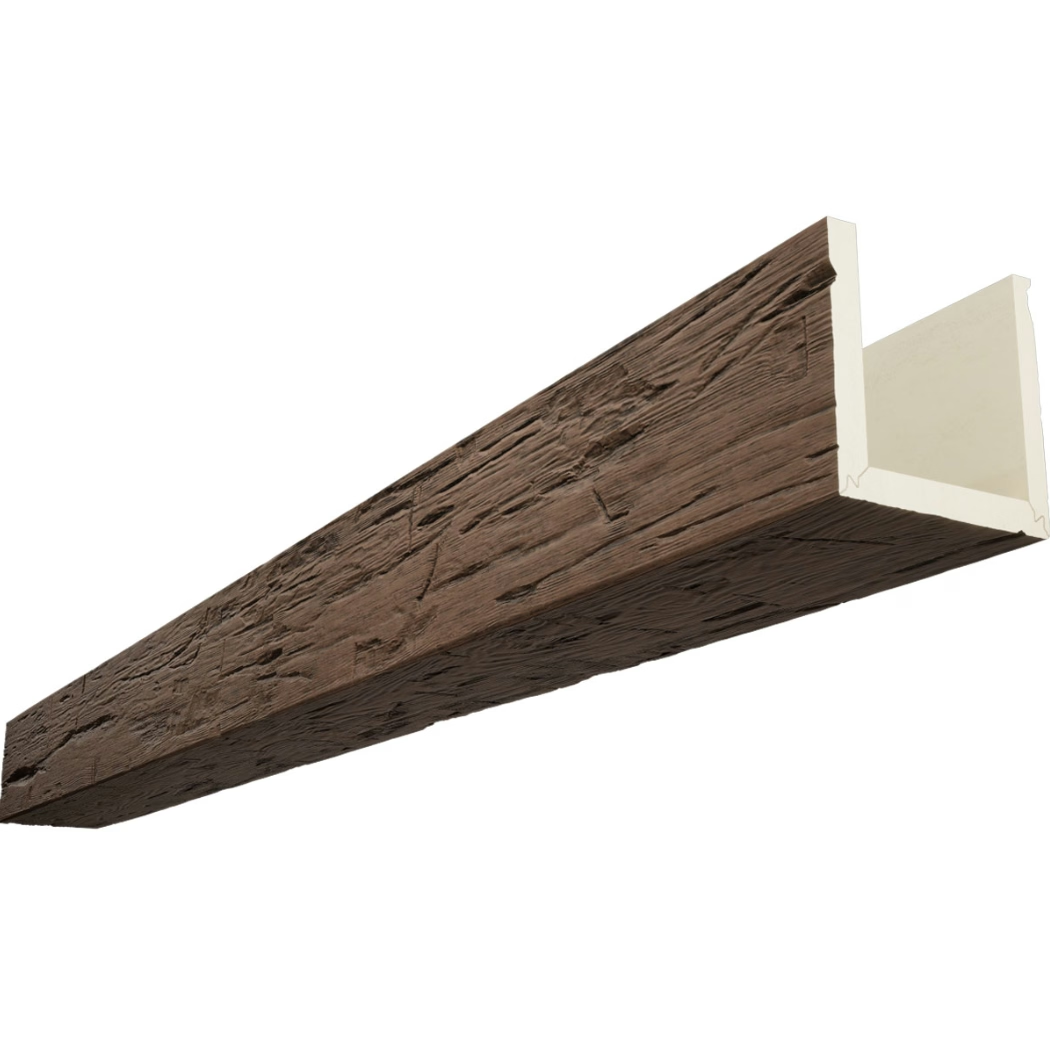
Faux Beam Materials
Several materials compete for faux beam installations. Understanding the differences between polyurethane (PU), foam, fiberglass, and other options helps buyers choose wisely.
Quality varies by material type.
Polyurethane (PU) Beams
PU Characteristics
PU material properties:
- High-density polymer
- Molded from real wood masters
- Consistent quality control
- Wide style availability
- Paintable surface
PU offers quality consistency.
PU Advantages
Benefits of PU:
- Excellent texture reproduction
- Good impact resistance
- Moisture resistant
- Lightweight handling
- Professional appearance
PU delivers practical benefits.
PU Limitations
Considerations for PU:
- Petroleum-based material
- Higher cost than foam
- Quality varies by manufacturer
- Some products less realistic
- Temperature sensitivity (extreme cold)
PU serves most applications well.
Foam Beams
Foam Characteristics
Foam beam properties:
- Expanded polystyrene (EPS)
- Expanded polyurethane (EPS) foam
- Very lightweight
- Lowest cost option
- Basic appearance quality
Foam offers economy.
Foam Advantages
Benefits of foam:
- Lowest material cost
- Extremely light weight
- Easy cutting and handling
- Basic installation simplicity
- Disposable/replaceable
Foam suits tight budgets.
Foam Limitations
Drawbacks of foam:
- Poor texture reproduction
- Fragile surface easily damaged
- Limited detail capture
- Degrades over time
- Not paintable (many types)
Foam lacks durability.
When Foam Works
Appropriate foam applications:
- Temporary installations
- Very low-traffic areas
- Budget-conscious projects
- Low-durability requirements
- Prototype testing
Foam serves economy needs.
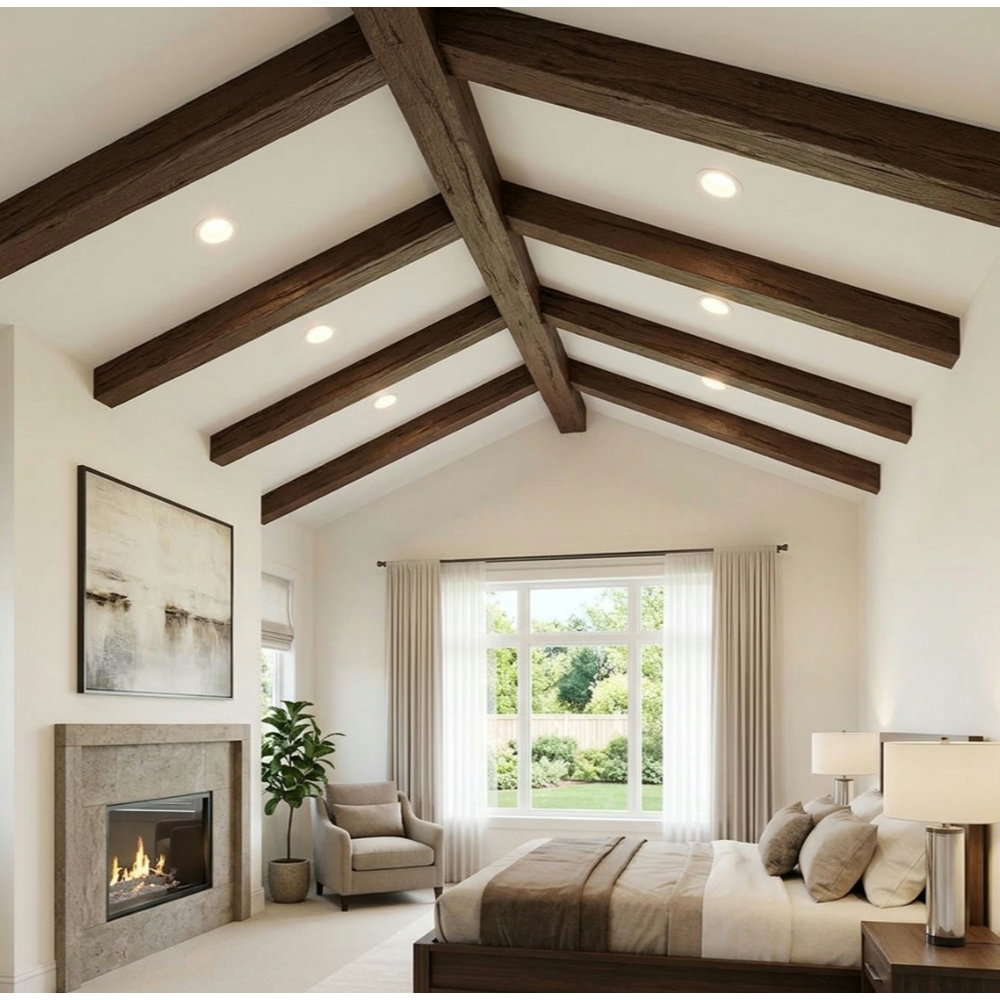
Fiberglass Beams
Fiberglass Characteristics
Fiberglass properties:
- Glass fiber reinforced polymer
- Very strong and durable
- Weather resistant
- Complex manufacturing
- Premium positioning
Fiberglass offers durability.
Fiberglass Advantages
Benefits of fiberglass:
- Excellent durability
- Weather-resistant
- Paintable surface
- Long lifespan
- Structural applications
Fiberglass serves demanding uses.
Fiberglass Limitations
Drawbacks of fiberglass:
- Higher cost than PU
- Heavier weight than PU
- Limited style availability
- Professional installation often required
- Less natural appearance than quality PU
Fiberglass serves specific needs.
When Fiberglass Works
Appropriate fiberglass applications:
- Outdoor installations
- Commercial applications
- High-traffic commercial areas
- Long-term permanent installations
- Weather-exposed locations
Fiberglass excels outdoors.
Material Comparison Matrix
Cost Comparison
Price ranking (low to high):
- Foam beams: lowest cost
- Basic EPS: budget option
- PU beams: mid-range
- High-density PU: premium
- Fiberglass: highest cost
- Real timber: premium natural
Cost correlates with quality.
Weight Comparison
Weight ranking (lightest to heaviest):
- Foam: lightest
- PU: light to medium
- Fiberglass: medium to heavy
- Real timber: heaviest
Weight affects installation.
Durability Comparison
Durability ranking (least to most):
- Basic foam: lowest durability
- Standard foam: low durability
- Quality PU: good durability
- High-density PU: very good
- Fiberglass: excellent
- Real timber: excellent (with care)
Durability varies significantly.
Appearance Quality
Appearance ranking (least to most realistic):
- Basic foam: poor reproduction
- Standard foam: basic appearance
- Lower-quality PU: fair reproduction
- Quality PU: very good reproduction
- High-density PU: excellent
- Fiberglass: good but less natural
- Real timber: authentic
Quality PU rivals real wood.
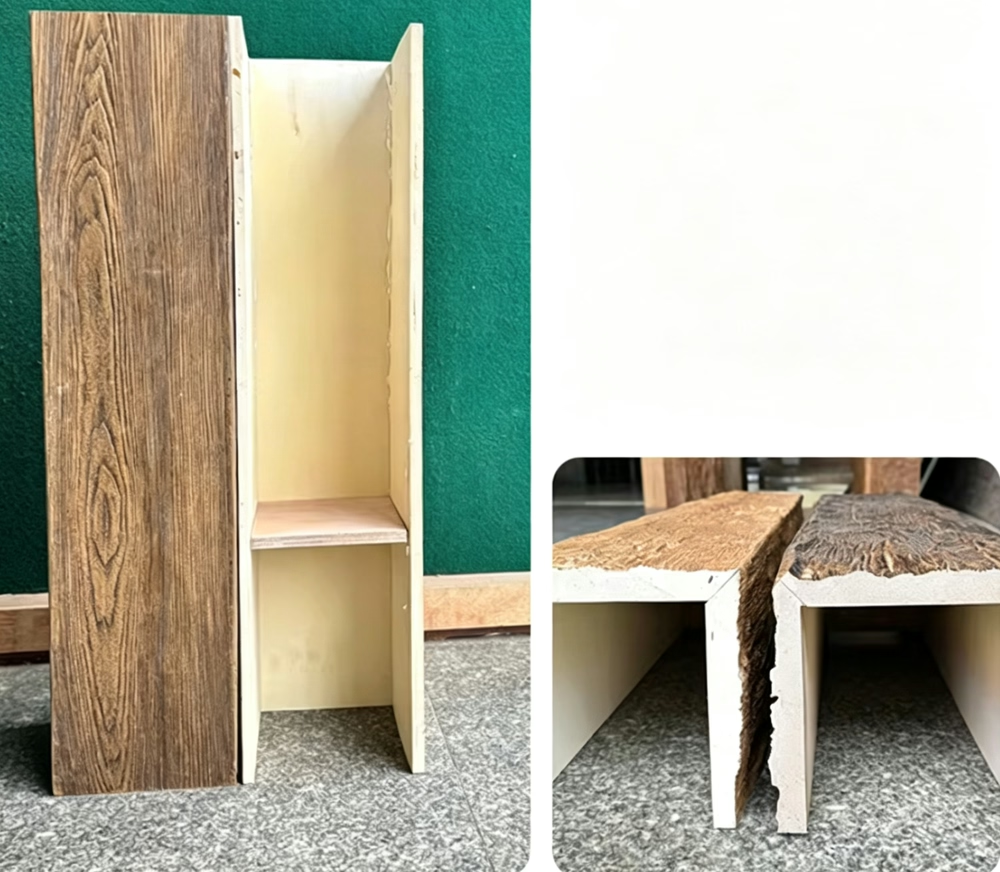
Application Suitability
Residential Interior
Best material choices:
- Quality PU: excellent for most
- High-density PU: premium applications
- Foam: temporary only
- Fiberglass: unnecessary indoors
PU serves residential well.
Bathroom and Kitchen
Moisture considerations:
- Quality PU: excellent choice
- Fiberglass: also suitable
- Foam: not recommended
- Check UV resistance near windows
- Proper ventilation important
Moisture affects material choice.
Outdoor Applications
Weather resistance needs:
- Fiberglass: best outdoor choice
- High-density PU: good with protection
- Quality PU: adequate with care
- Basic foam: not suitable outdoors
- UV-resistant finish essential
Outdoor demands weather resistance.
Commercial Applications
Commercial requirements:
- Fiberglass: for high-traffic areas
- High-density PU: for moderate traffic
- Quality PU: for low-traffic commercial
- Foam: generally unsuitable
- Code compliance important
Commercial needs durability.
Making Material Choices
Budget-Driven Selection
When budget is primary:
- Foam: for lowest cost
- Basic PU: economy option
- Mid-range PU: best value
- Consider replacement costs
- Factor in installation savings
Budget guides material selection.
Quality Priority
When quality matters most:
- High-density PU: premium interior
- Fiberglass: outdoor premium
- Research manufacturer quality
- Review product samples
- Check warranty coverage
Quality requires investment.
Balanced Decision
Balanced approach:
- Quality PU for most interior uses
- Fiberglass for demanding applications
- Foam only for temporary use
- Consider total project cost
- Match material to application
Balanced choice serves well.
Quality Indicators by Material
PU Quality Signs
Quality PU features:
- Consistent density throughout
- Clean edge definition
- Accurate wood grain reproduction
- No bubbling or pitting
- Proper weight for density
Quality PU is identifiable.
Foam Quality Signs
Quality foam indicators:
- Clean cutting edges
- Adequate surface hardness
- Acceptable basic appearance
- Adequate mounting surfaces
- Appropriate for intended use
Acceptable foam has limits.
Fiberglass Quality Signs
Quality fiberglass indicators:
- Smooth surface finish
- Clean joint seams
- Proper structural mounting
- Professional installation
- Appropriate finish
Quality fiberglass excels.
Material choice significantly affects faux beam quality, durability, and value. Polyurethane (PU) offers the best balance of appearance quality, durability, weight, and cost for most residential applications. High-density PU rivals real wood in appearance while offering practical advantages. Foam serves economy needs but lacks durability. Fiberglass excels in outdoor and commercial applications requiring maximum durability. Understanding these differences helps buyers choose materials that match their priorities, budget, and application requirements. Quality varies within each material category—research manufacturer reputation and product specifications before purchasing.
Technical References
ASTM standards cited in every specification
Test Data
Lab results from internal testing program
Updated 2026
Reviewed against current product specs