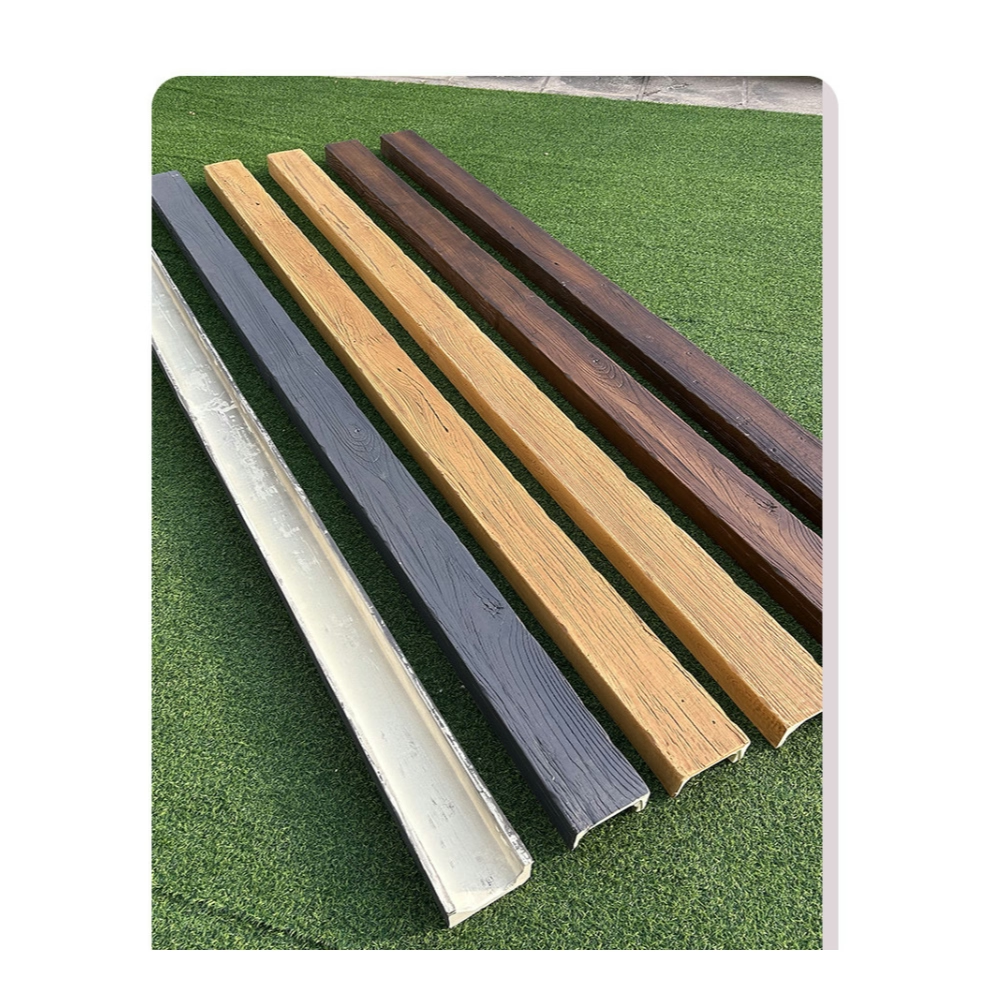
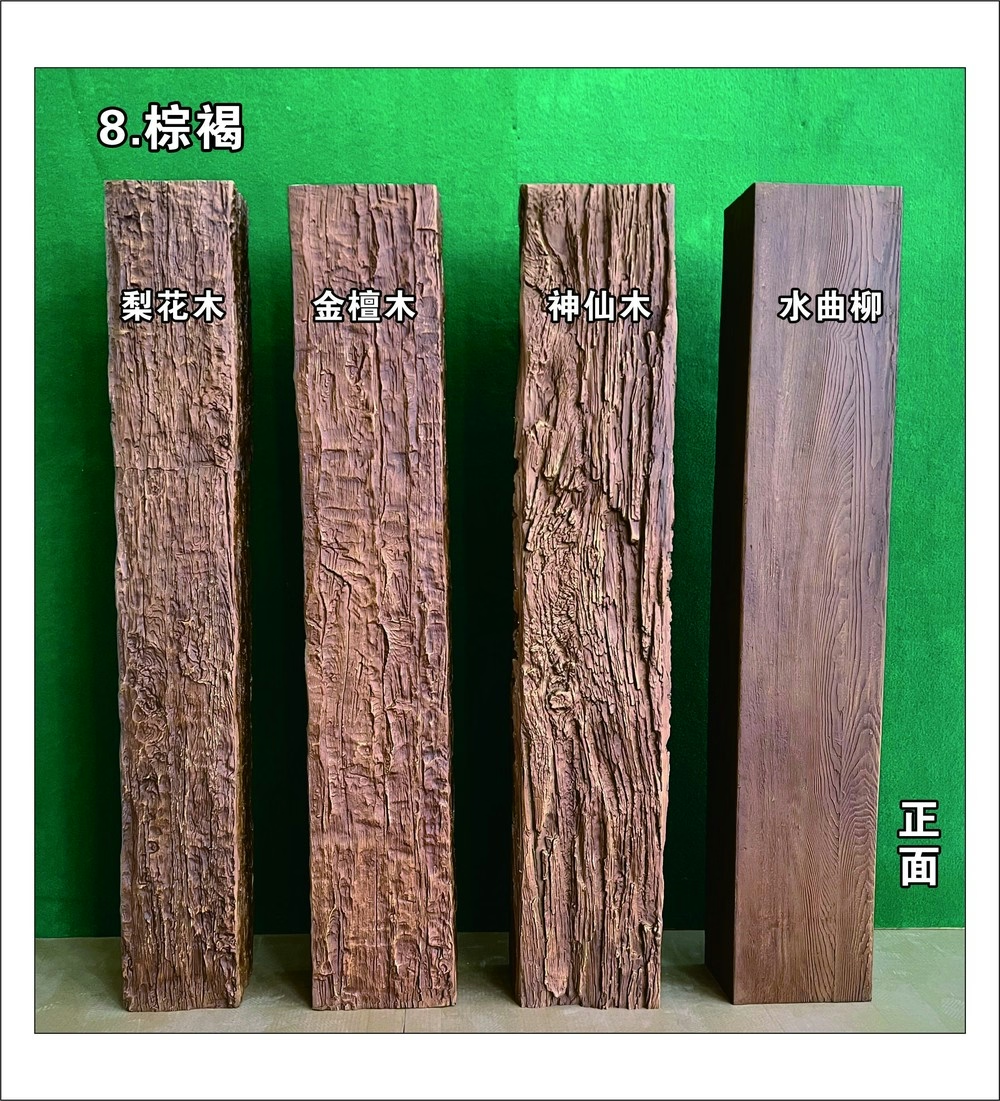
Modern construction frequently exposes concrete structural elements that serve essential functions while challenging aesthetic aspirations. Post-and-beam construction, elevated slabs, and transfer girders create the skeletal structure that buildings require, but the raw concrete surfaces often clash with interior design intentions. The warm, natural character that interior spaces typically require cannot accommodate the cold, institutional appearance of exposed concrete without intervention. Beam sleeves offer one of the most effective solutions for transforming these structural necessities into design assets.
The challenge that concrete beams present differs fundamentally from timber beam imperfections. Concrete surfaces result from the forming and curing process that produces consistent but visually monotonous results. Surface voids, color variation from inconsistent concrete mix, and form tie holes create appearance issues that repair can only partially address. The fundamental coldness and uniformity of concrete remains regardless of surface treatment, creating aesthetic conflicts that cosmetic approaches cannot resolve.
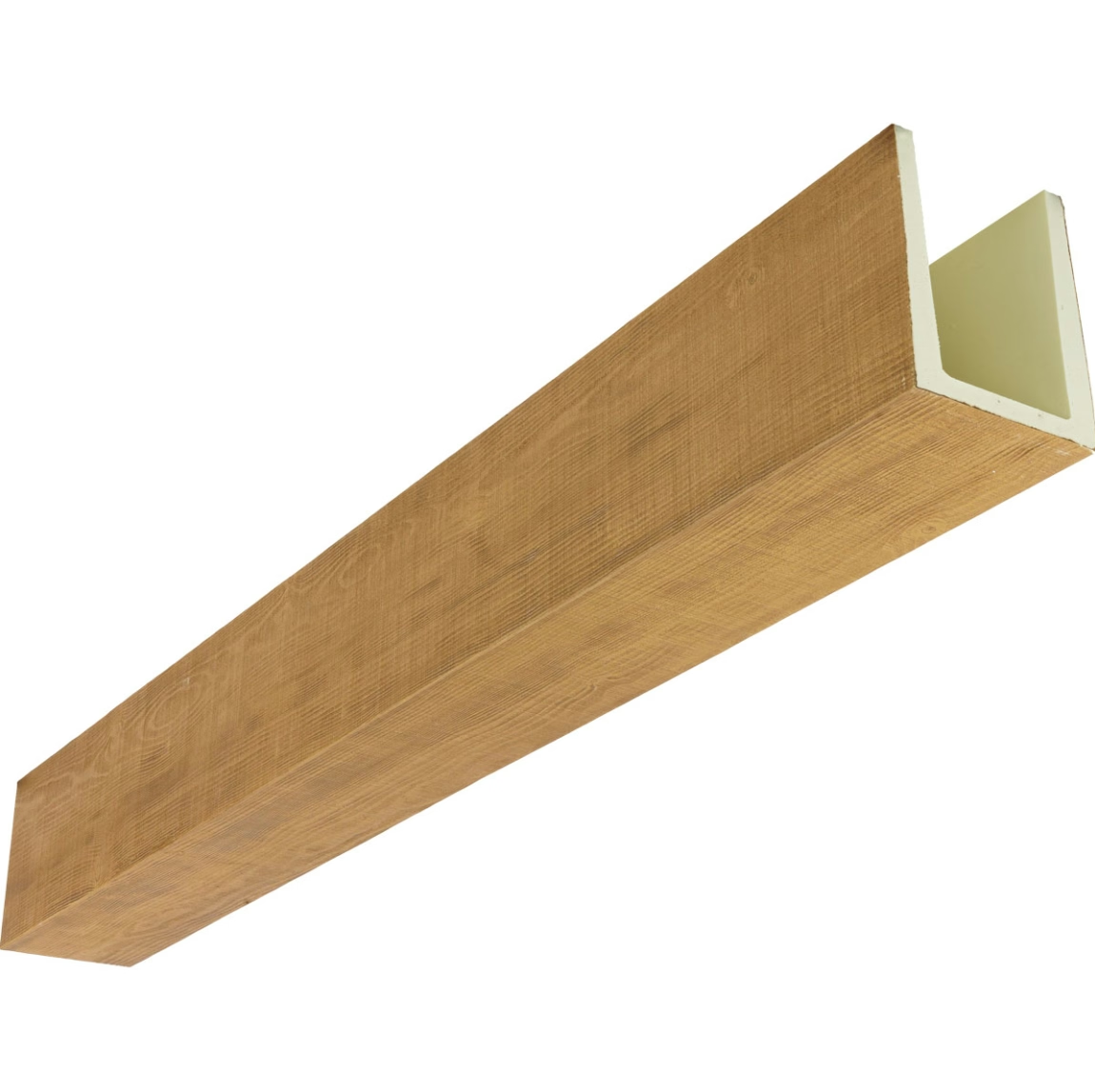
Beam sleeves address these challenges through complete encasement rather than surface treatment. The sleeve slides over or surrounds the existing concrete beam, creating a new visible surface that conceals everything beneath. This concealment approach provides complete transformation rather than the partial improvement that surface treatment might achieve. The concrete beam continues serving its structural function while the sleeve provides the appearance that design requires.
The dimensional relationship between concrete beams and sleeve products requires careful specification. Concrete beams cast to structural requirements rarely match standard sleeve dimensions, requiring custom sizing or adjustment techniques that accommodate dimensional variation. Understanding these relationships enables appropriate specification that ensures satisfactory concealment without requiring structural modification.
Custom sleeve fabrication addresses non-standard concrete beam dimensions that ready-made products cannot accommodate. The manufacturing flexibility of polyurethane enables production of sleeves sized to specific project requirements, including odd dimensions, unusual profiles, and complex geometries that standard products cannot address. This customization capability expands the range of applications where sleeves provide practical solutions.
Installation approaches for concrete beam sleeves vary based on configuration and access conditions. Full encasement sleeves that surround beams on all four sides provide complete concealment but may require assembly in place around existing structure. Face-only or three-sided installations that cover visible surfaces while leaving backs or tops unexposed may suffice when concealed surfaces will never be visible. Determining the appropriate configuration requires understanding viewing conditions in each application.
The attachment methods for sleeve installation must accommodate the solid, dense nature of concrete substrates. Standard fasteners designed for wood or steel may prove inadequate for concrete, requiring specialized anchors that penetrate and grip this challenging material. Adhesive bonding may provide more reliable attachment than mechanical fasteners in some applications. Understanding the attachment options and their limitations enables appropriate planning that ensures permanent, secure installation.
Concrete surface preparation affects sleeve attachment regardless of method selected. Form release agents, curing compounds, and surface contamination prevent reliable bonding that sleeve installations require. Proper preparation—cleaning, profiling, and priming as appropriate for the selected attachment method—ensures connections that perform throughout the service life expected.
The moisture that concrete often contains presents challenges for sleeve installations in below-grade or exterior applications. Water intrusion through concrete creates conditions that might affect sleeve performance if not properly addressed. Moisture barriers, drainage provisions, and ventilation details may be required depending on specific conditions and exposure.
Architectural integration between sleeved beams and surrounding surfaces requires attention during design development. The transition between sleeve surfaces and adjacent drywall, plaster, or other materials should be detailed to create clean, finished appearance rather than obvious joints. These details become particularly important at corners, penetrations, and other locations where sleeved beams intersect other building elements.
The thermal performance implications of concrete beam sleeves merit consideration in climate-controlled buildings. Exposed concrete creates thermal bridging that affects energy consumption and comfort. While sleeve installation does not eliminate this bridging, the visual transformation it provides may justify accepting thermal performance trade-offs that would otherwise prompt more expensive remediation.
The acoustic properties of concrete structures create challenging environments that sleeve installation can help address. Hard, reflective concrete surfaces generate echo and reverberation that complicate communication and listening comfort. Beam sleeves that break up these reflective surfaces contribute to acoustic improvement alongside aesthetic enhancement.
Commercial applications frequently involve concrete structures that beam sleeves must integrate with. Office buildings, retail spaces, and institutional facilities feature exposed concrete elements that contemporary design approaches often find unappealing. Sleeve installation provides transformation that supports design intent while maintaining structural function, enabling architectural expressions that concrete alone cannot achieve.
Hospitality venues present particular opportunities for concrete beam sleeving given the atmosphere requirements that guest satisfaction depends on. Hotels, restaurants, and entertainment venues benefit from the warmth and character that timber-look sleeves provide, counteracting the institutional feeling that concrete construction often produces. This atmospheric improvement directly supports guest experience objectives.
Residential applications involving concrete construction have grown as contemporary architects increasingly embrace exposed concrete aesthetics. While some homeowners appreciate concrete character, others find the material cold and unwelcoming for living spaces. Beam sleeves enable selective transformation that softens concrete's impact without requiring comprehensive renovation of concrete-dominated spaces.
Maintenance considerations for concrete beam sleeves prove favorable compared to exposed concrete surfaces. Concrete stains, marks, and damage that might require extensive repair become irrelevant when surfaces lie beneath removable sleeves. The ability to clean or replace sleeve elements provides flexibility that exposed concrete cannot match, ensuring long-term appearance maintenance without specialized repair expertise.
The investment perspective for concrete beam sleeves should consider both aesthetic improvement and practical benefits. Spaces with transformed concrete beams command higher values than identical spaces with raw concrete surfaces. The architectural enhancement that sleeves provide contributes to overall property quality that affects market positioning and sale potential.

Seismic and structural considerations may affect sleeve specification in regions where earthquake resistance matters. While decorative sleeves add minimal load to structures, the attachment systems must maintain integrity during seismic events that might challenge building performance. Engineering evaluation ensures that sleeve installations do not compromise structural resilience.
Assessment of Concrete Beam Conditions
Before sleeve specification, thorough assessment of existing concrete beams identifies conditions that might affect installation or performance. Surface contamination, structural damage, and dimensional accuracy all influence approach selection. This assessment phase prevents surprises during installation that might require design modifications.
Professional evaluation of concrete condition helps identify issues that might not be apparent during casual inspection. Hidden damage, moisture problems, or other conditions may require remediation before sleeve installation proceeds. The investment in professional assessment prevents costly corrections after installation completes.
Integration with Building Systems
Concrete beam sleeves must integrate with mechanical, electrical, and plumbing systems that may penetrate or attach to structural beams. Coordination during design development ensures that sleeve installation does not obstruct required access or create conflicts with building services. This integration planning prevents the coordination failures that might otherwise require expensive modifications.
Technical References
ASTM standards cited in every specification
Test Data
Lab results from internal testing program
Updated 2026
Reviewed against current product specs