The fireplace occupies a unique position in residential design, functioning simultaneously as functional heating element, architectural feature, and emotional center of domestic life. Throughout human history, the hearth has drawn families together, marking time through daily rituals and seasonal celebrations. This symbolic significance elevates fireplace treatment beyond mere decoration into something approaching sacred purpose. Beam wraps and mantels that frame these precious elements deserve correspondingly careful attention.
Traditional fireplace mantels featured timber construction that balanced visual presence against the heat exposure that fireplaces generate. The timber served structural functions—supporting the weight of the chimney above and providing mounting surfaces for decorative elements—while simultaneously creating the architectural frame that defined fireplace character. These traditional mantels achieved lasting appeal through material selection, craftsmanship, and the accumulated patina of age.
Contemporary fireplace design has evolved substantially from these traditional precedents, with direct-vent, gas, and electric options reducing or eliminating the combustion exposure that traditional timber mantels endured. Modern fireplaces produce different heat patterns and introduce different maintenance requirements than wood-burning predecessors. These evolution merit consideration during mantel specification, as design assumptions based on traditional fireplaces may not apply to contemporary alternatives.
Beam wraps offer elegant mantel solutions that reference traditional timber aesthetics while accommodating modern fireplace requirements. The faux timber appearance satisfies aesthetic preferences for natural wood character, while polyurethane construction provides performance characteristics suited to contemporary fireplace environments. Understanding how these products serve modern applications enables informed specification that achieves both visual and practical objectives.
Heat exposure represents the primary performance consideration for fireplace mantel applications. While modern fireplaces produce less radiant heat than traditional wood-burning units, the temperatures mantels experience immediately above fireboxes can still affect material performance. Quality polyurethane mantels tolerate the temperature range typical of contemporary fireplaces without degradation, though proximity to direct flame or extreme heat requires specific product selection.
The mantel overhang that projects over the firebox opening significantly affects heat exposure. Wider overhangs place more mantel area in the direct path of rising heat, potentially creating conditions that demand more heat-resistant materials. Narrower overhangs reduce heat exposure but may compromise the visual balance that fireplace framing requires. This tradeoff between function and appearance affects specification decisions that vary by application.
Beam wrap mantel configurations take various forms depending on fireplace type and design intent. Full surround wraps that extend across the full width of fireplace framing create substantial presence that anchors room design. Lintel-style wraps that span only the firebox opening provide lighter treatment suited to more contemporary aesthetics. Column-style wraps that frame without spanning create minimalist character appropriate for specific design approaches.
The structural requirements for mantel installation differ from ceiling beam applications, with load-bearing considerations that affect attachment specification. Mantels must support their own weight, any decorative elements mounted upon them, and potentially the chimney structure above. Proper engineering ensures that attachment systems accommodate these loads without failure that might create safety hazards.
Fireplace mantels frequently serve as mounting surfaces for television displays, artwork, clocks, and other decorative elements. The weight of these additions affects specification requirements for mantel construction and attachment. Planning for typical mounting requirements during specification prevents limitations that would prevent desired decorations after installation completes.
The integration between mantel beam wraps and surrounding fireplace construction requires attention during installation. The transition between wrap surfaces and fireplace surround materials—tile, stone, brick, or manufactured surround—should create clean, finished appearance rather than obvious joints. These details become particularly important as close inspection often occurs in front of fireplaces.
Color and finish selection for fireplace mantels should consider the relationship with surrounding materials. Stone or brick surrounds often feature warm earth tones that harmonize with wood-finished mantels. Contemporary surrounds in gray, white, or black may call for contrasting mantel finishes or intentionally matching tones. Understanding these relationships enables coordination that creates unified compositions rather than conflicting elements.
The scale relationships between mantel and fireplace opening significantly affect visual balance. Oversized mantels relative to fireboxes create top-heavy appearance that undermines the balanced proportions traditional mantels achieved. Undersized mantels may disappear into surrounding architecture without providing the presence that fireplace focal points require. Successful design achieves mantel proportions that feel appropriately scaled to their contexts.
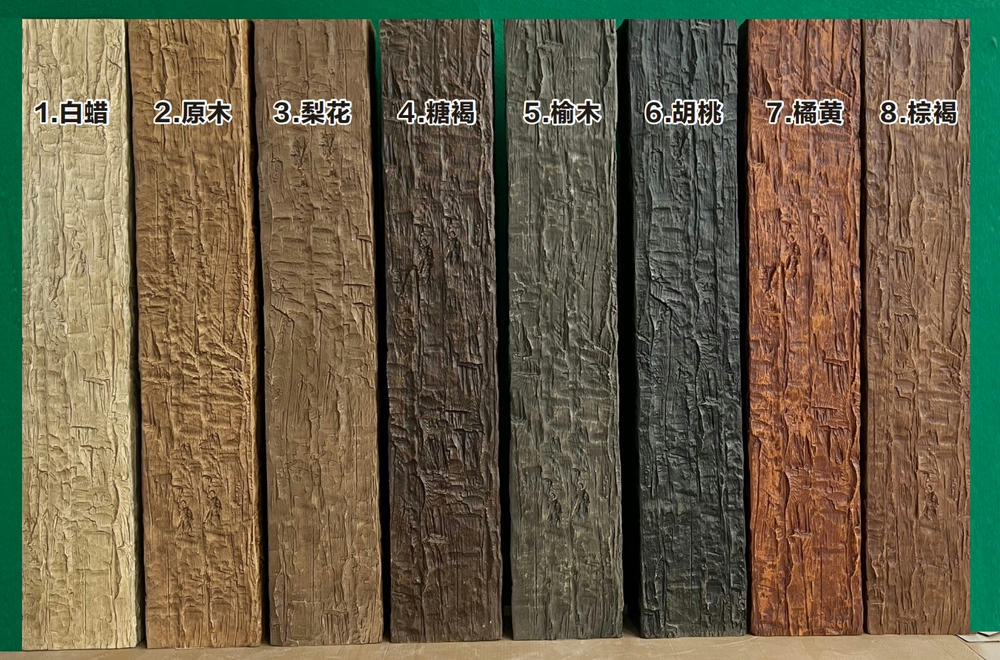
Texture selection for fireplace mantels affects both appearance and practical performance. Highly textured surfaces that simulate rough-hewn timber create rustic character suited to traditional and farmhouse interiors. Smoother textures with subtle grain provide refined appearance appropriate for contemporary and transitional spaces. The texture should align with overall design direction rather than representing an independent decision.
Maintenance requirements for fireplace mantels should be minimal, given the accessibility challenges that mantel positions create. Dust and soot accumulation require periodic cleaning that mantel surfaces should tolerate without damage. The moisture resistance of polyurethane simplifies this cleaning, as surfaces can be wiped without concern for moisture damage that natural wood might experience.
The installation timeline for fireplace mantel wraps typically proves shorter than traditional timber mantel construction. The lightweight nature of polyurethane simplifies handling and positioning, while the dimensional consistency eliminates the fitting and adjustment that timber construction might require. This installation efficiency proves valuable in renovation projects where completion speed affects household disruption.
The investment perspective for fireplace mantel beam wraps should consider the focal point importance that fireplace treatment represents. The fireplace commands attention in most living rooms, serving as the visual anchor around which furniture arrangement and design composition develop. Investment in mantel treatment that enhances this focal point provides disproportionate impact relative to alternative design investments.
Safety considerations for fireplace mantel installation merit emphasis given the proximity to combustion. Minimum clearances between mantel surfaces and firebox openings should be verified during specification and installation. These clearances exist to prevent fire hazards that inappropriate materials or positioning might create. Compliance with manufacturer specifications and applicable codes ensures safe operation throughout mantel service life.
Seasonal considerations affect how fireplace mantels appear throughout the year. Holiday decorations that accumulate on mantels during winter seasons place weight and stress on mantel surfaces and mounting systems. Year-round, mantels serve as display surfaces for artwork, photographs, and decorative objects that contribute to room character. The mantel should accommodate these uses without damage or deterioration.
The emotional resonance that fireplace mantels carry extends to the materials and forms that designers choose for them. Traditional timber mantels evoke continuity with the past, connecting contemporary spaces to historical precedent. Contemporary mantel forms express present-day aesthetics and future aspirations. The selection between traditional and contemporary approaches should align with the emotional associations that homeowners seek to cultivate in their living spaces.
The relationship between mantel treatment and room-wide design should be cohesive rather than isolated. While the fireplace deserves individual attention as a focal point, the mantel should also function as part of larger compositions that include surrounding walls, furniture, and other architectural elements. This integration ensures that mantel enhancement contributes to overall room quality rather than creating isolated island of excellence in otherwise unremarkable spaces.
Coordinating with Fireplace Technology
Contemporary fireplace technologies—gas inserts, electric units, and direct-vent systems—present different requirements than traditional masonry fireplaces. Understanding how these technologies affect heat output, clearance requirements, and maintenance needs ensures appropriate mantel specification that performs reliably with selected fireplace types.
Long-Term Performance Verification
Quality fireplace mantels should provide decades of service without significant deterioration. The demanding conditions that mantel positions create—heat exposure, decorating weight, cleaning contact—require materials that perform reliably through extended service. Warranties and manufacturer reputation provide indicators of expected performance that specification should consider.
Technical References
ASTM standards cited in every specification
Test Data
Lab results from internal testing program
Updated 2026
Reviewed against current product specs


