The kitchen has evolved dramatically over the past century, transforming from utilitarian workspace to the social center of modern homes. Today's kitchens host family breakfasts, homework sessions, casual entertaining, and countless daily interactions that extend far beyond meal preparation. This evolution demands design that supports diverse activities while maintaining the functionality that cooking requires. Ceiling beams offer a powerful tool for creating kitchen atmospheres that serve contemporary household needs.
Kitchen Design Evolution and Ceiling Treatment
Historically, kitchen design prioritized efficiency—workflow triangles, appliance placement, and storage optimization dominated planning conversations. While these considerations remain important, the kitchen's expanded social role demands equal attention to atmosphere and comfort. Spaces that serve only functional purposes feel inadequate for the gatherings they now host.
Ceiling treatment represents one of the most impactful opportunities for kitchen atmosphere enhancement. The ceiling occupies significant visual space, especially in open-concept homes where kitchens remain visible from adjacent living areas. Plain ceilings contribute nothing to atmosphere; warm wooden beams transform the entire space.
Modern kitchens often feature high ceilings, vaulted structures, or open views to second floors that amplify ceiling visibility. These architectural features make ceiling treatment even more consequential—a vast white ceiling creates negative space that drags down the entire room, while beautifully detailed beams create architectural interest that elevates everything below.
Balancing Warmth and Cleanliness
One concern that arises with wooden elements in kitchens involves maintenance and cleanliness. Kitchens experience grease, steam, cooking odors, and occasional splatters that might damage organic materials. Addressing these concerns requires understanding how faux wood beams interact with kitchen conditions.
Quality faux wood beams feature smooth, non-porous surfaces that resist grease penetration and clean easily with standard kitchen cleaners. Unlike real wood with grain channels that trap particles, polyurethane beams provide no harbor for Kitchen grime. This surface characteristic makes faux beams more suitable for cooking environments than natural timber alternatives.
Steam and humidity, common in active kitchens, pose no threat to faux beams. They won't warp, crack, or discolor from moisture exposure. This durability proves especially valuable above stoves, where steam rises constantly during cooking, or near dishwashers, where humidity fluctuates dramatically throughout the day.
Installation positioning helps minimize exposure to the most intense cooking activities. Beams above kitchen islands, breakfast nooks, and dining areas experience less direct cooking exposure than beams directly above ranges. Strategic placement provides aesthetic benefit while limiting cleaning requirements.
Island and Dining Zone Treatment
Kitchen islands have become essential features in contemporary kitchen design, serving as prep stations, casual dining areas, and gathering spots. Treating these zones with ceiling beams creates visual anchors that define their purpose while adding warmth to the cooking environment.
A beam or pair of beams crossing the ceiling above a kitchen island creates immediate visual focus. The beams frame the island, establishing it as the kitchen's centerpiece and drawing family members toward this natural gathering point. Pendant lighting between beams enhances the effect, creating layered visual interest that transforms functional spaces into designed environments.
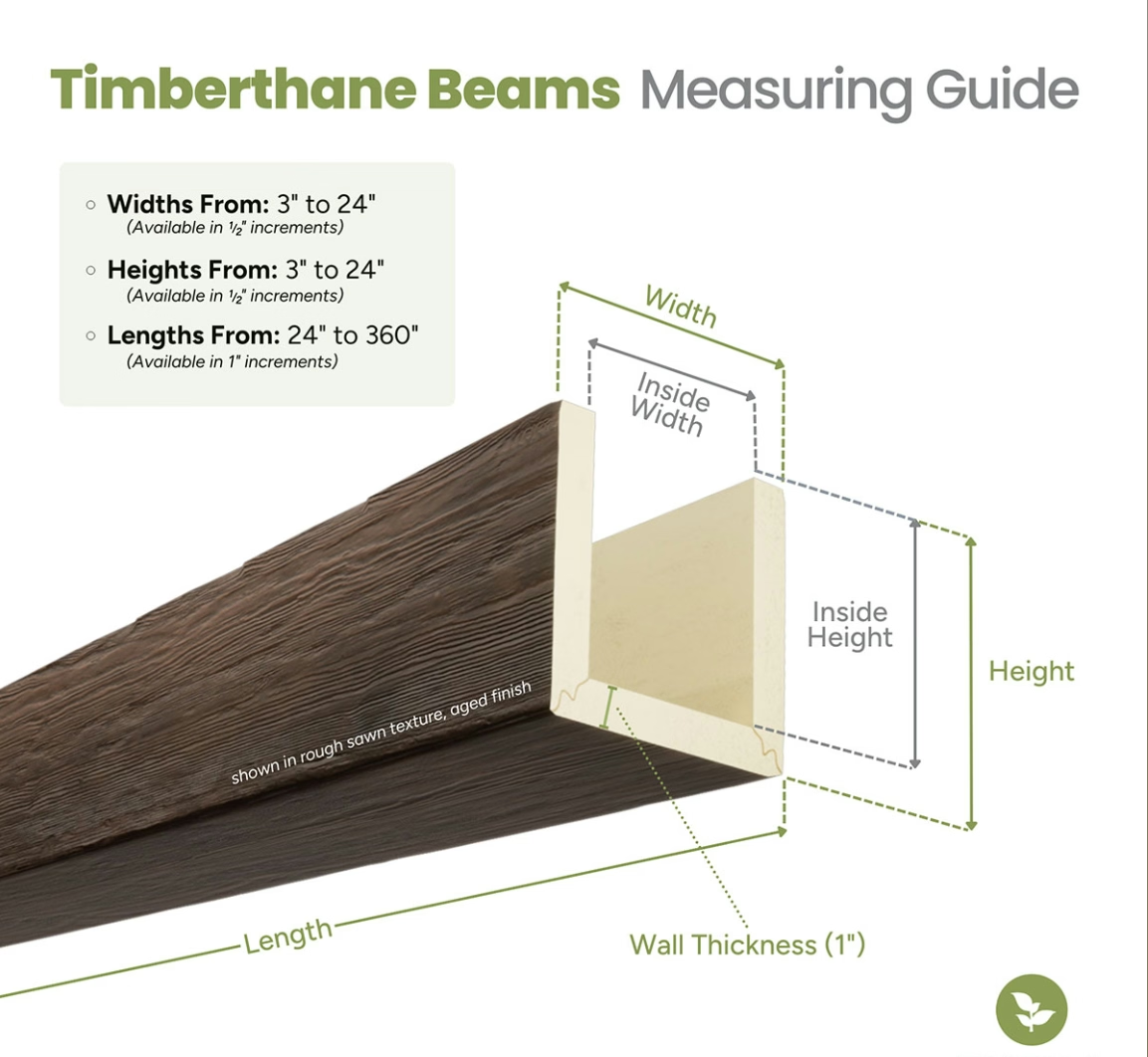
The scale of island beams should relate to island dimensions. Large islands accommodate larger beams or beam groups; smaller islands work better with single beams or modest treatments. Proportional balance ensures the beam treatment enhances rather than overwhelms the island's functional purpose.
Dining areas adjacent to kitchens benefit similarly from beam treatment. A breakfast nook with beams overhead feels distinctly set apart from cooking areas, establishing different functional zones within the larger kitchen space. This zonation helps families use kitchens for multiple purposes without activities conflicting.

Coordinating with Kitchen Design Elements
Successful kitchen beam installation requires coordination with existing and planned kitchen elements. The beams should complement rather than compete with cabinetry, appliances, countertops, and other major features.
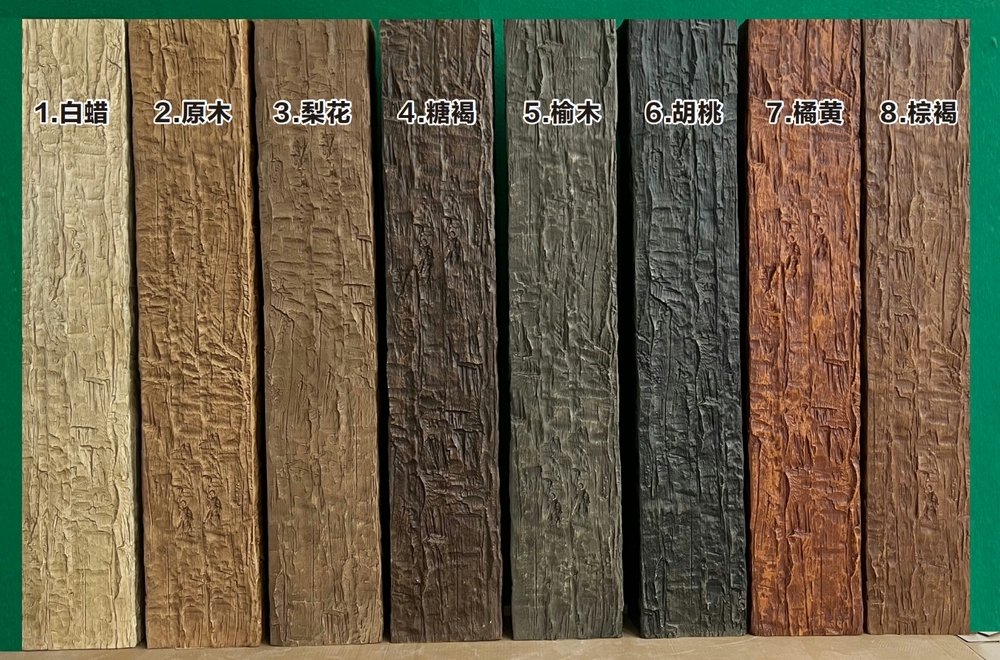
Cabinet finish provides the primary color reference for beam selection. Kitchens with wooden cabinets benefit from beams that match or coordinate with cabinet finishes, creating visual unity throughout the space. The ceiling beams become an extension of the cabinetry's warmth, unifying upper and lower spaces.
White or painted cabinets allow more flexibility in beam selection. Cool white cabinets pair well with warm-toned beams that provide necessary contrast; warm white cabinets can accommodate either warm or neutral beam tones. Gray or blue-toned cabinets may require more careful coordination to avoid uncomfortable color relationships.
Countertop materials influence beam selection as well. Stone countertops with warm veining coordinate naturally with wooden beams; cool granite or quartz might benefit from beams in complementary tones. The goal is creating color harmony that makes all elements feel intentional rather than arbitrarily assembled.
Lighting Integration in Kitchen Beam Installations
Kitchen lighting demands careful planning regardless of beam presence, but beam installations add considerations that affect fixture selection and placement.
Pendant lights above kitchen islands interact directly with beam installations. Beams can frame pendant positions, creating visual groupings that organize the space. Alternatively, fixtures can hang between parallel beams, integrating with the beam pattern rather than conflicting with it. Either approach requires coordination during planning.
Recessed lighting in kitchens with beams requires repositioning from standard layouts. Beams may block ideal recessed fixture locations, requiring adjustment. Some homeowners prefer to minimize recessed lighting in favor of task lighting positioned between beams, creating a more intentionally designed ceiling appearance.
Under-cabinet and inside-cabinet lighting provide task illumination without ceiling involvement. These options work well in kitchen designs where beam installations occupy most ceiling space, providing necessary visibility without compromising beam aesthetics.

Open Concept Kitchen Considerations
Modern homes frequently feature open concept designs where kitchens flow into living and dining areas. Ceiling beams provide valuable tools for defining zones within these expansive spaces.
Beam installation might differ between kitchen and adjacent spaces, creating subtle boundaries that organize the open floor plan. Perhaps beams cover only the kitchen zone while living areas retain plain ceilings, or beams extend through multiple spaces for visual continuity. Both approaches offer valid design solutions depending on the desired effect.
When beams extend through open concept spaces, kitchen elements must coordinate with beams installed throughout. Cabinet finishes, appliance styling, and overall kitchen design should complement the beam finish rather than creating visual discord. The beams become a unifying element that ties kitchen to living space.
Consider how sightlines in open concepts affect beam visibility. Kitchens viewed from living areas show ceiling beams as part of the overall scene. Ensure beam installations create favorable views from all angles, not just from inside the kitchen itself.
Material Selection for Kitchen Applications
Kitchen environments demand material selections that withstand specific conditions. When choosing faux beams for kitchen installation, consider these functional requirements alongside aesthetic preferences.
Polyurethane provides the best balance of beauty and durability for kitchen applications. It resists moisture, grease, and temperature fluctuations without damage. The material accepts painting if desired for custom color matching, though factory finishes typically provide superior appearance and durability.
Structural integrity matters for beams over kitchen islands where pendant lights may hang from them. Ensure any beam product you select can support anticipated fixture weights. Most faux beams provide adequate strength for typical kitchen pendants, but unusual fixture sizes or weights might require reinforced mounting.
Surface texture affects both appearance and cleaning. Smoother finishes clean more easily but may appear less realistic; more textured finishes provide authentic wood appearance but require more careful cleaning. Choose the texture level that matches your aesthetic priorities and maintenance preferences.
By thoughtfully integrating warm faux wood beams into modern kitchen design, you create spaces that honor the kitchen's expanded role in contemporary life. These beams transform cooking environments from purely functional workspaces into heart-of-the-home destinations where families naturally gather and connect.
Bring warmth and character to your modern kitchen with our collection of PU faux wood beams. Contact us to discuss options designed for kitchen applications and discover how ceiling beams can transform your cooking space.
Technical References
ASTM standards cited in every specification
Test Data
Lab results from internal testing program
Updated 2026
Reviewed against current product specs


