Interior aesthetic styling involves selecting and arranging elements to achieve desired visual effects and emotional responses. Beams contribute significantly to these styling goals when their appearance aligns with overall design intentions. Ornamental PU simulation wood beams offer convincing timber aesthetics that serve diverse styling approaches—from rustic farmhouse warmth to contemporary minimalism—while providing practical advantages that authentic timber cannot match.
The simulation of wood in polyurethane involves more than surface coloring. Authentic timber appearance requires capturing grain patterns, color variation, surface texture, and visual weight that characterize natural wood. Modern manufacturing achieves convincing simulation through advanced techniques that reproduce these characteristics at production scales and price points that natural wood alternatives cannot match.
Understanding how simulation wood beams serve different aesthetic styles helps guide specification decisions. The same physical beam might appear entirely different depending on surrounding context—beam styling must align with overall interior composition rather than standing as isolated elements. Styling success involves harmonizing beam characteristics with adjacent materials, furniture, and architectural elements.
Simulation Quality Factors
Grain pattern authenticity determines how convincingly beams read as wood rather than imitation. Quality simulation captures the irregularity, variation, and species-specific characteristics that distinguish genuine timber. Pattern repetition that becomes noticeable undermines simulation credibility. The goal involves patterns that reward observation without revealing their manufactured origin.
Surface texture affects both visual and tactile perception of simulation beams. Light interaction with textured surfaces creates the visual depth that distinguishes wood from flat coloration. Touch provides additional sensory confirmation of material authenticity. Quality simulation includes surface texture that feels appropriate to the wood species being represented.
Color consistency across beam runs ensures installations present unified appearance. Variation between adjacent beams appears as visible defect rather than natural timber variation. Quality manufacturing maintains color consistency through controlled finishing processes. For extended installations, purchasing beams from consistent production batches provides additional matching assurance.
Edge definition at beam profiles affects how convincingly beams appear as dimensional wood elements. Crisp edges, appropriate corner radii, and smooth transitions between surfaces all contribute to authentic appearance. Rounded or poorly defined edges appear as manufacturing artifacts rather than wood characteristics. Quality simulation includes profile edges that satisfy close inspection.
Styling Coordination with Interior Elements
Furniture coordination ensures beams complement rather than compete with other wood elements in interiors. When dining tables, case goods, or flooring feature wood, beam selection should consider these surrounding materials. Matching wood species creates visual continuity while complementary species provide intentional contrast. The styling relationship should feel deliberate rather than accidental.
Wall treatment interaction affects how beams present against background surfaces. Light walls make beams appear more prominent while dark walls create visual integration. Textured wall surfaces add complexity that beams should complement rather than clash with. The beam-to-wall relationship determines whether installations feel appropriately scaled and visually integrated.
Lighting coordination influences beam appearance throughout daily cycles. Natural daylight reveals different characteristics than artificial lighting, with some finishes appearing more convincing under specific light sources. Incandescent, fluorescent, and LED lighting each interact differently with beam surfaces. Quality simulation should present well across the lighting conditions present in intended installations.
Window and door trim coordination creates visual continuity between beam installations and other architectural woodwork. When trim profiles, species, and finishes align with beam treatment, interiors achieve coherent styling that random coordination cannot achieve. Thoughtful specification considers these relationships rather than treating each element as isolated selection.
Species and Style Alignment
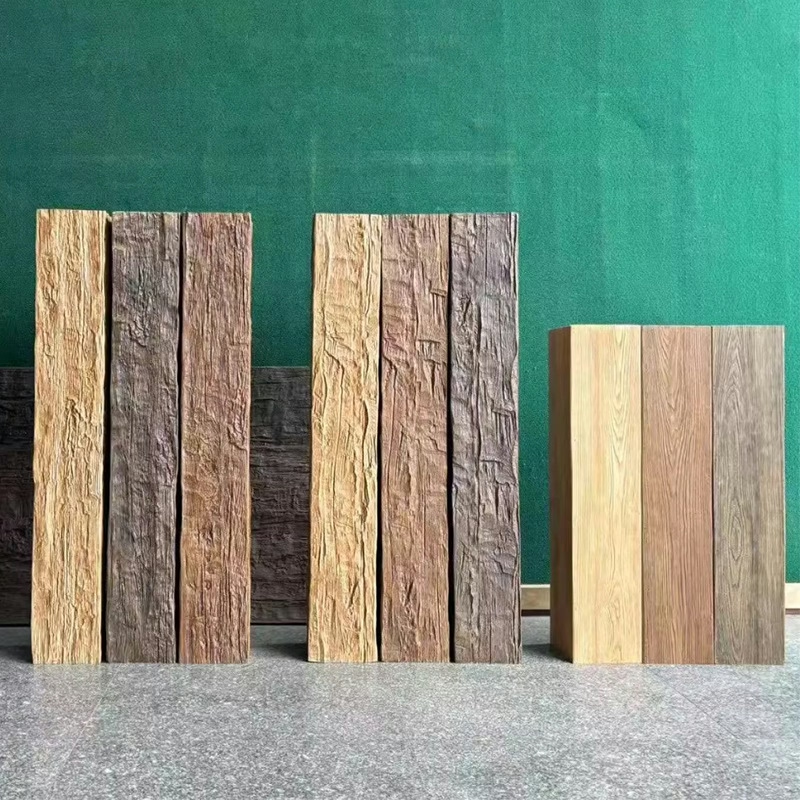
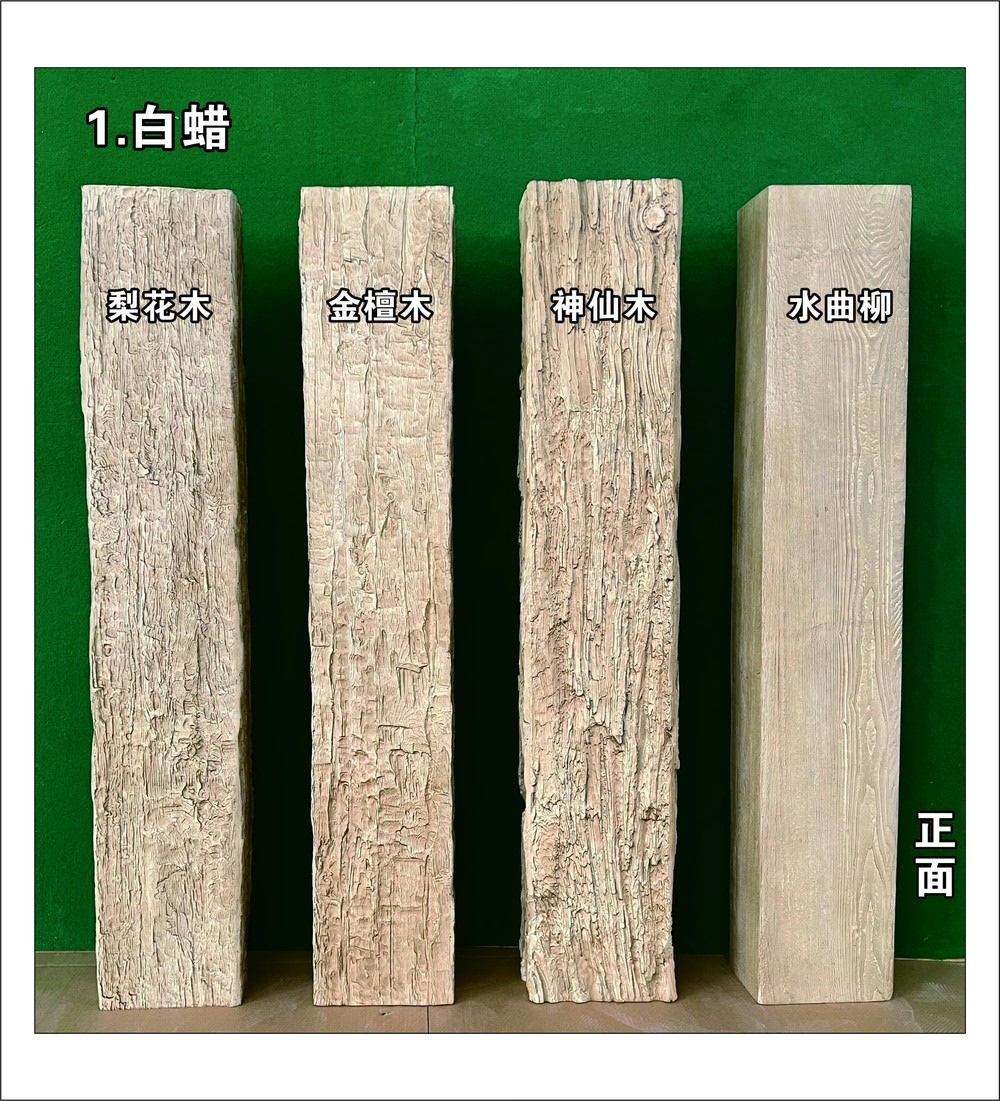
Oak simulation suits traditional, transitional, and craftsman-influenced interiors through pronounced grain character and warm color palette. The species' versatility enables application across styles ranging from farmhouse to contemporary. Oak's visual weight provides substantial presence that coordinates with furniture scaled for comfortable rooms.
Walnut simulation offers refined elegance appropriate for sophisticated contemporary and mid-century modern interiors. The species' rich coloration and relatively quiet grain provide visual interest without demanding attention. Walnut beams complement contemporary furniture featuring the species while coordinating with lighter elements that might surround them.
Pine simulation captures rustic character through pronounced grain, prominent knots, and light coloration. The species suits farmhouse, cabin, and cottage-inspired interiors where casual warmth takes priority over refined elegance. Pine's affordability as authentic timber makes simulation less common but still valuable for achieving specific aesthetic goals.
Reclaimed wood simulation reproduces the weathered character of salvaged timber without the expense and inconsistency of authentic reclaimed materials. Knots, nail holes, saw marks, and weathering patterns create authenticity that new wood regardless of species cannot match. Reclaimed simulation suits industrial, rustic, and environmentally conscious design approaches.
Practical Styling Advantages
Moisture resistance enables simulation wood beams in environments where authentic timber would suffer. Kitchens, bathrooms, and humid climates present challenges that quality polyurethane addresses without sacrificing aesthetic goals. This expanded eligibility allows styling continuity throughout homes rather than limiting wood appearances to protected environments.
Dimensional stability ensures that simulation beams maintain intended appearance across environmental conditions. Unlike authentic timber that expands and contracts with humidity changes, polyurethane maintains consistent dimensions. This stability prevents the gaps, cracks, and movement that affect natural wood in challenging conditions.
Installation flexibility results from lightweight construction that positions beams without structural concerns. Beams can be installed in locations where heavy timber would require structural reinforcement. The reduced weight simplifies handling and positioning during installation, enabling more precise placement than heavy alternatives would allow.
Maintenance simplicity preserves styling investments without demanding ongoing attention. Simulation beams resist the staining, sealing, and refinishing that authentic timber requires. Regular cleaning maintains appearance without specialized products or techniques. This practical advantage particularly appeals to styling-conscious clients who prefer beauty without burdensome upkeep.
Ornamental PU simulation wood beams for interior aesthetic styling provide compelling combinations of convincing wood appearance and practical performance. When simulation quality meets styling requirements and installation receives appropriate attention, the resulting interiors achieve aesthetic goals that satisfy discerning clients while eliminating the maintenance concerns that accompany authentic timber.
Technical References
ASTM standards cited in every specification
Test Data
Lab results from internal testing program
Updated 2026
Reviewed against current product specs


