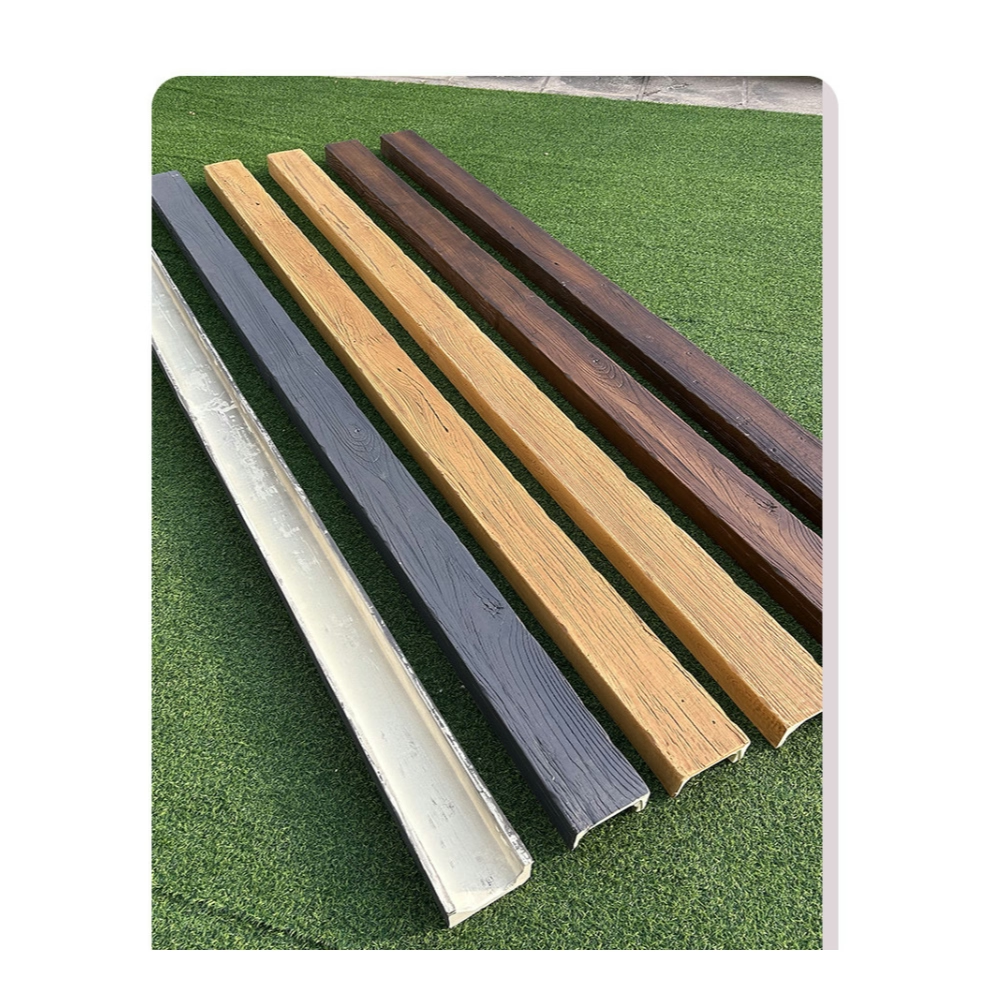
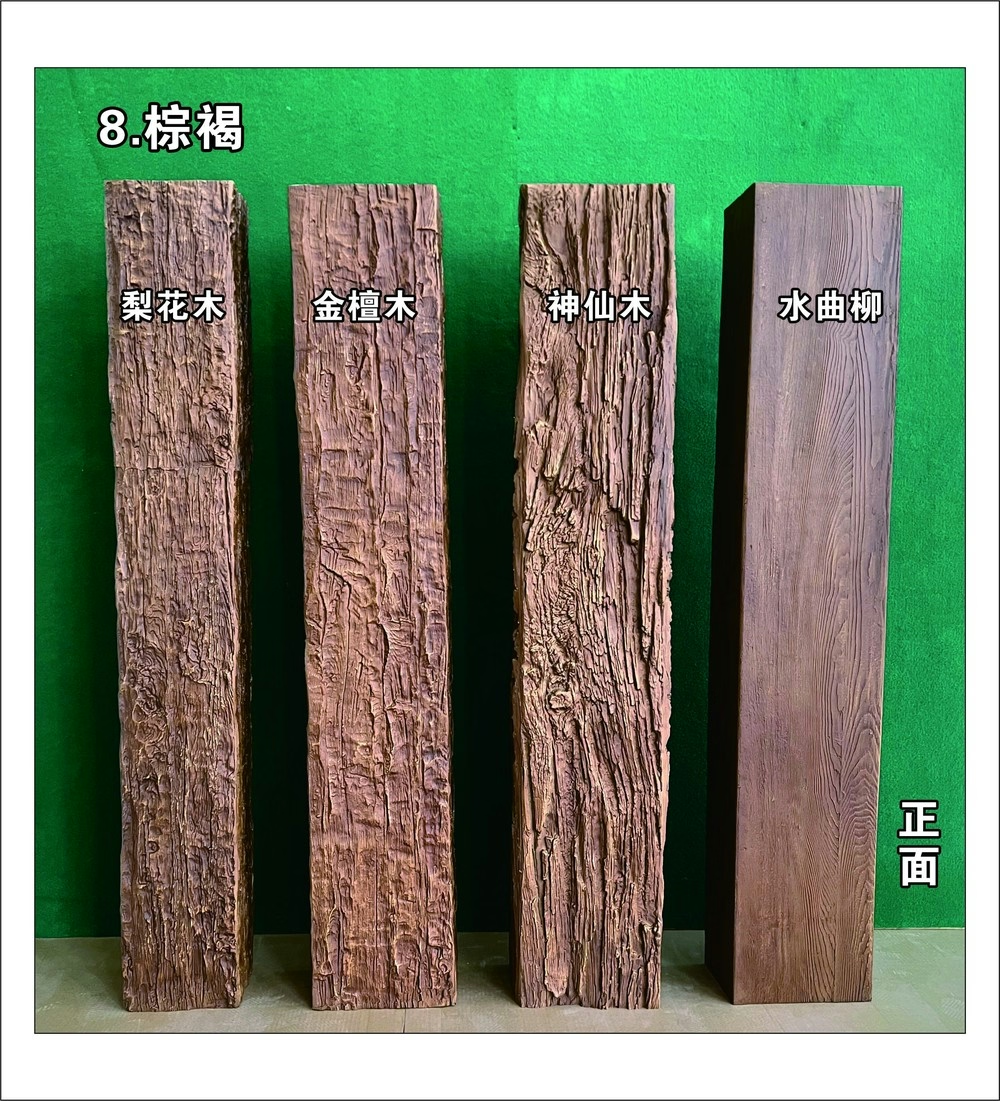
Few details frustrate contractors and homeowners more than noticing gaps where faux wood beams meet walls, corners, or each other. These hairline separations, often just a few millimeters wide, can undermine an otherwise flawless installation. The solution lies in an unsung hero of the millwork world: decorative PU strap accents designed specifically for concealing beam joints.
Polyurethane strap accents have transformed how professionals approach beam finishing. Unlike wooden battens that require careful cutting and are prone to splitting, PU straps arrive ready to install. They bend around corners without cracking, accept paint and stain equally well, and their uniform density ensures consistent coverage regardless of project scale. For importers stocking retail locations or contractors working on tight timelines, these characteristics translate directly to reduced labor costs and fewer callbacks.
Why Joint Gaps Appear in Faux Beam Installations
Understanding why gaps develop helps clarify why strap accents matter. Faux wood beams, whether made from polyurethane, high-density foam, or fiberglass, behave differently from genuine timber when temperature and humidity shift. Real wood expands and contracts with seasonal changes; polyurethane maintains its dimensions but can still shift slightly within mounting systems. Wall surfaces themselves may have subtle imperfections, and ceiling angles in older homes rarely meet at perfect 90-degree corners.
New construction presents its own challenges. Buildings continue settling during the first months after completion, and truss systems adjust under load. Even professional framers working to current building codes acknowledge that absolutely flush beam-to-wall intersections remain rare. The result: gaps that catch dust, collect cobwebs, and draw the eye precisely where installers want clean sightlines.
Traditional approaches included wooden trim strips, which required mitered corners and often split during nailing. Drywall mud worked temporarily but cracked within months. Caulk provided flexibility but aged poorly, turning yellow and collecting grime. None of these solutions matched the durability and appearance of purpose-designed PU straps.
Selecting the Right Strap Profile for Your Project
Strap accents come in multiple profiles, each suited to different aesthetic goals and installation scenarios. Flat straps, typically 2 to 4 inches wide, work well for minimalist designs where a subtle shadow line complements the beam profile. Raised straps feature a slight bevel or tongue that creates visual depth, appropriate for more traditional or rustic interiors. Decorative straps incorporate carved patterns or fluting that mirrors authentic timber joinery details.
Width selection depends on gap size and visual proportion. Most installers find that straps extending 1.5 to 2 inches beyond each side of a joint provide adequate coverage while maintaining visual balance. Wider straps can overwhelm smaller beams, while narrow straps may appear inadequate even when functionally sound. When matching straps to beams, consider both width and relief depth—a deep beam profile benefits from correspondingly substantial trim.
Project managers overseeing multiple properties should note that strap availability varies by manufacturer. Some producers focus on standard profiles suitable for most residential applications, while others offer custom widths and depths for commercial specifications. Importers evaluating suppliers should request sample sets demonstrating how each profile handles curved surfaces, corner transitions, and mitered joints.
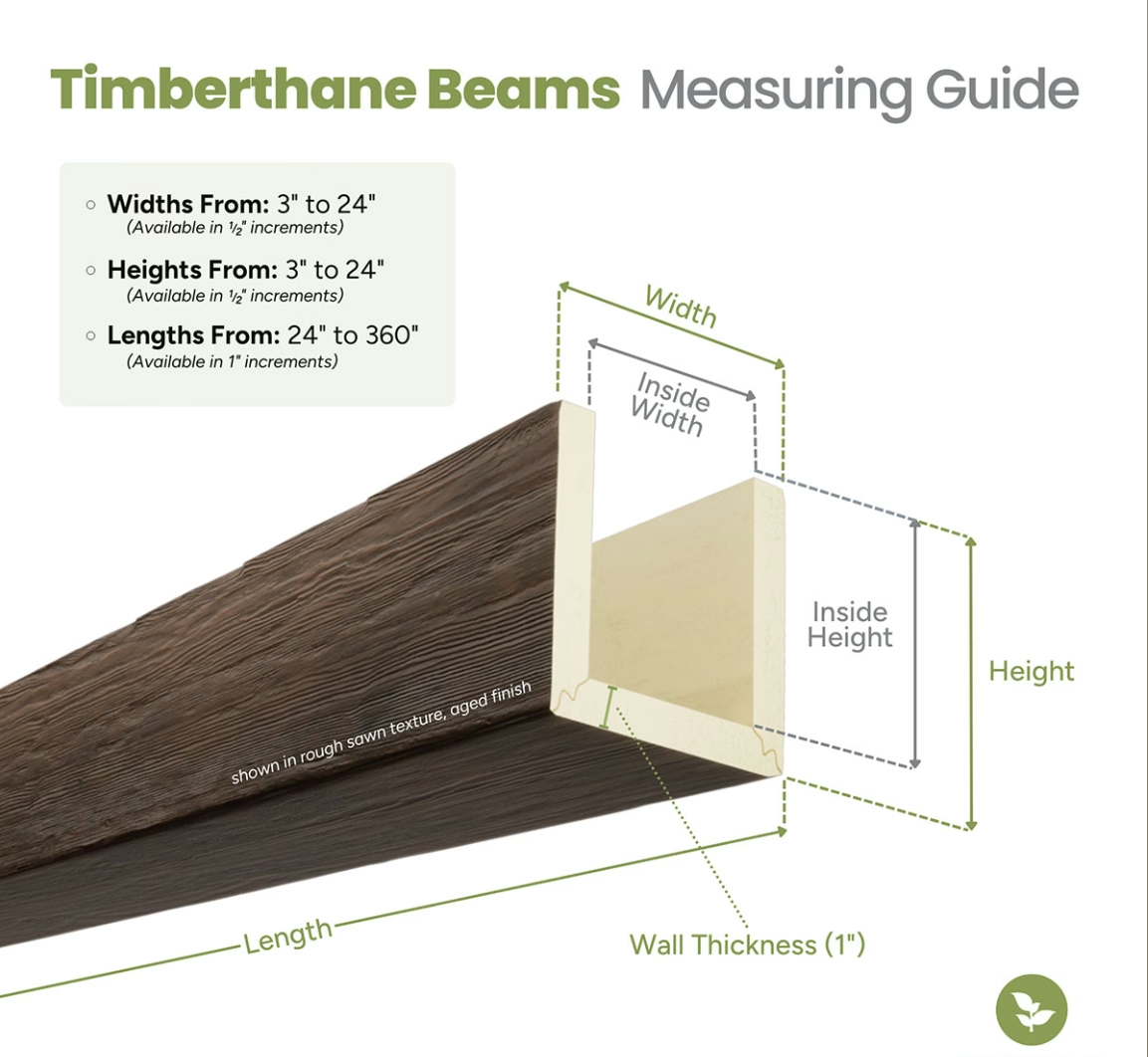
Installation Techniques for Professional Results
Successful strap installation begins before the beam goes up. Contractors who pre-fit straps to beams before mounting report significantly better outcomes than those applying trim after installation. This approach allows work at comfortable heights, ensures clean mitered corners, and permits staining or painting before final placement.
The attachment process itself requires attention to substrate and fastener choice. Straps attach to wall surfaces rather than to beams in most configurations, allowing independent movement. Adhesive alone provides adequate holding power for light-duty applications, but mechanical fasteners ensure long-term security. Pan head screws driven into wall studs or strategic spots with wall anchors outperform brad nails, which can work loose over time. Countersink screws and fill with wood filler or spackle before finishing.
Corner treatment demands careful planning. Outside corners typically require 45-degree miter cuts, which PU material handles cleanly with standard woodworking tools. Inside corners present more complexity; many installers cope one strap to fit snugly while mitering the visible piece. This technique, borrowed from crown molding installation, produces clean results when executed precisely. For radius installations, gently warming the strap with a heat gun increases flexibility without damaging the material.
Finishing Straps to Match Beam Aesthetics
The final appearance depends heavily on how well finishing integrates straps with beams. Since polyurethane accepts paint and stain, matching becomes largely a matter of technique. For painted installations, apply primer specifically formulated for urethane substrates before topcoating. Without proper priming, paint may peel or adhere unevenly, particularly in humid environments.
Stain finishing requires more attention to grain simulation. Solid color stains work well when beam texture appears predominantly through relief rather than actual wood grain. For beams with deeper grain embossing, consider gel stains that sit on the surface rather than soaking in. Test any finishing approach on scrap pieces before applying to installed trim—polyurethane absorbs stain differently than natural wood, and the difference becomes visible when mismatched.
Designers working on restoration projects appreciate how straps can introduce additional detail without structural complexity. A plain beam gains visual interest when flanked by narrower straps that suggest secondary structural elements. This layering technique, common in Victorian and Craftsman interiors, works equally well in contemporary settings where the contrast between simple beams and refined trim creates intentional tension.

Maintenance and Long-Term Performance
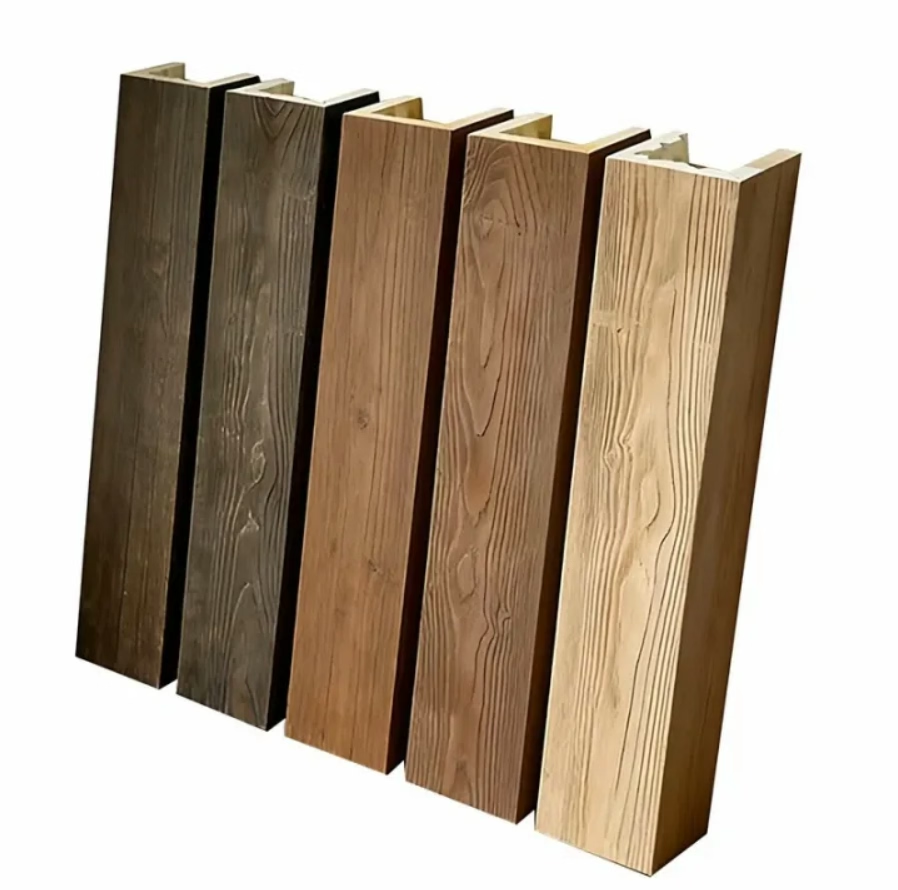
One advantage of polyurethane over traditional wood trim involves moisture resistance. Bathrooms, kitchens, and covered outdoor areas where humidity fluctuates demand materials that won't warp, rot, or delaminate. PU straps handle these conditions without special treatment, though exposed outdoor applications benefit from paint or sealant to protect against UV degradation.
Cleaning follows standard household practices—dust with soft cloths, occasionally wipe with damp (not wet) materials, avoid abrasive cleaners that might scratch painted surfaces. The material's smooth skin resists dirt accumulation better than raw wood, reducing maintenance frequency compared to genuine timber trim.
For commercial properties, this durability translates to lower lifecycle costs. Building managers appreciate reduced touch-up requirements between tenant improvements, and maintenance staff value not needing specialized wood care products. These practical considerations matter when calculating total cost of ownership for multi-property portfolios.
Sourcing Quality Strap Accents for Your Business
Importers evaluating PU strap products should examine density consistency, surface finish quality, and dimensional accuracy. Low-quality products may include visible mold lines, inconsistent widths, or surfaces that accept finish unevenly. Request samples representing different production runs to verify consistent quality across batches.
Packaging and shipping considerations affect both cost and product condition. Straps longer than standard ceiling heights may require special handling or incur freight surcharges. Some suppliers offer nested packaging that protects corners during transit—worth requesting when comparing options.
For contractors working directly with manufacturers, minimum order quantities often apply but can provide meaningful per-unit savings for projects requiring consistent trim across multiple units. Establish relationships with suppliers who understand trade customers and can accommodate project-specific customization when specifications demand non-standard profiles.
The gap between a good faux beam installation and an exceptional one often comes down to these finishing details. PU strap accents deliver that finishing quality consistently, helping contractors and designers achieve results that meet client expectations without specialized carpentry skills or excessive labor investment.
Project Planning Considerations
Before specifying strap accents for large-scale projects, account for ceiling heights, beam spans, and architectural features that affect material quantities. Standard production lengths typically run 8 to 12 feet, with some manufacturers offering up to 16-foot pieces for commercial applications. Calculate requirements accounting for cuts, miter waste, and potential damage during handling.
Corner requirements deserve special attention in planning. A simple rectangular room needs four corner pieces plus any beam-to-beam intersections. Cathedral ceilings with multiple angles multiply these requirements. Experienced estimators add 15 to 20 percent overage for waste and mistakes—overshooting this range indicates inefficiency, while falling short causes project delays waiting for additional material.
Delivery timing matters for new construction timelines. Coordinate strap delivery with beam installation phases, typically arriving after rough mechanical work completes but before final painting. Staging materials in climate-controlled environments prevents moisture-related issues that could affect finish quality.
Adapting Techniques Across Property Types
Residential applications often emphasize aesthetic cohesion—straps that complement beam style while providing subtle accent rather than competing focal point. Custom homes benefit from higher-end profiles that justify premium pricing, while production housing favors economical options that deliver visual improvement without significant cost addition.
Commercial interiors present different priorities. Hospitality projects may demand specific finishes matching brand standards across multiple locations. Office environments often prefer cleaner, simpler profiles that read well under fluorescent lighting. Retail spaces might leverage straps as part of larger design identity, requiring close coordination between millwork supplier and interior designer.
Senior living facilities benefit particularly from PU strap durability. These properties experience high turnover in both residents and staff, and finish materials that resist damage from furniture movement, luggage, and daily traffic reduce ongoing maintenance burden. The lightweight nature of polyurethane also simplifies installation in retrofit scenarios where ceiling structure may not support heavy wood alternatives.
Conclusion
PU strap accents represent practical innovation solving real problems in faux beam installation. Their combination of easy handling, finishing flexibility, and lasting durability serves contractors seeking reliable results, designers pursuing specific aesthetics, and importers sourcing products that perform consistently across applications. When project specifications allow, incorporating these trim elements elevates beam installations from functional to refined.
Material selection, proper installation technique, and attention to finishing details determine whether strap accents achieve their potential. The investment in quality products and skilled application returns dividends in reduced callbacks, satisfied clients, and finished work that enhances property value. For professionals committed to quality finish carpentry, these components deserve consideration in every faux beam specification.
Technical References
ASTM standards cited in every specification
Test Data
Lab results from internal testing program
Updated 2026
Reviewed against current product specs