
The desire to incorporate rustic timber charm into contemporary homes creates persistent tension between aesthetic goals and practical realities. Authentic reclaimed beams carry prohibitive costs, demand structural support considerations, and introduce pest or moisture concerns that modern building codes increasingly restrict. Polyurethane timber accent beams resolve these conflicts elegantly, offering genuine visual impact without the complications that make traditional timber impractical for many projects.
Interior designers and homeowners increasingly recognize polyurethane as the smart choice for accent applications where structural load-bearing capacity isn't required. These products capture the warmth and character of aged timber while weighing a fraction of the real thing. A single genuine Douglas fir beam might require three workers and specialized lifting equipment; a polyurethane equivalent ships to your door, handles by one person, and installs with basic tools.
Understanding Polyurethane Beam Construction
Manufacturers produce polyurethane faux beams through various molding processes that capture wood grain texture with remarkable fidelity. High-density urethane compounds receive pigments during mixing, creating through-body coloration that resists fading and scratching. Surface textures range from smooth millwork appropriate for contemporary settings to deeply carved grain patterns that satisfy rustic design requirements.
The manufacturing approach affects both appearance and performance characteristics. Compression molding produces consistent density throughout each piece, important for uniform fastening and finishing. Pour-in-place techniques allow complex profiles but may introduce density variations affecting how fasteners hold. Reputable manufacturers specify density ratings and weight limits that help designers plan appropriate installations.
Foam core construction with polyurethane skins balances weight reduction against durability. The cellular interior provides insulation value while the solid outer skin accepts finishes and resists impact damage. This construction differs significantly from cheap foam products that dent easily or lack dimensional stability. Quality matters enormously in how finished installations perform over time.
Design Applications Across Living Spaces
Great rooms benefit most obviously from accent beam installation, where vaulted or cathedral ceilings create dramatic vertical spaces that timber beams can soften and anchor. Position beams perpendicular to ridge lines to emphasize roof structure, or run them parallel to create rhythm across wide spans. The choice affects how spaces read visually—structural interpretation versus decorative repetition.
Kitchens and dining areas present different opportunities. Exposed beam aesthetics work particularly well above kitchen islands or dining tables, creating visual gathering points that help define functional zones within open floor plans. Lighter colored finishes prevent heavy overhead feeling in spaces where people congregate for extended periods.
Bedroom applications range from accent ceilings over beds to beam-framed architectural niches. A single decorative beam crossing a master bedroom ceiling adds character without overwhelming furnishings. Bathroom installations require attention to ventilation and finish selection, but polyurethane handles humid conditions better than wood when properly sealed.
Basements and converted attics gain the most from polyurethane beams. These spaces often lack the structural capacity for genuine timber or present temperature and moisture conditions that would damage natural wood. Polyurethane installs without concern for rot, warping, or pest infestation, delivering aesthetic upgrades to previously neglected areas.
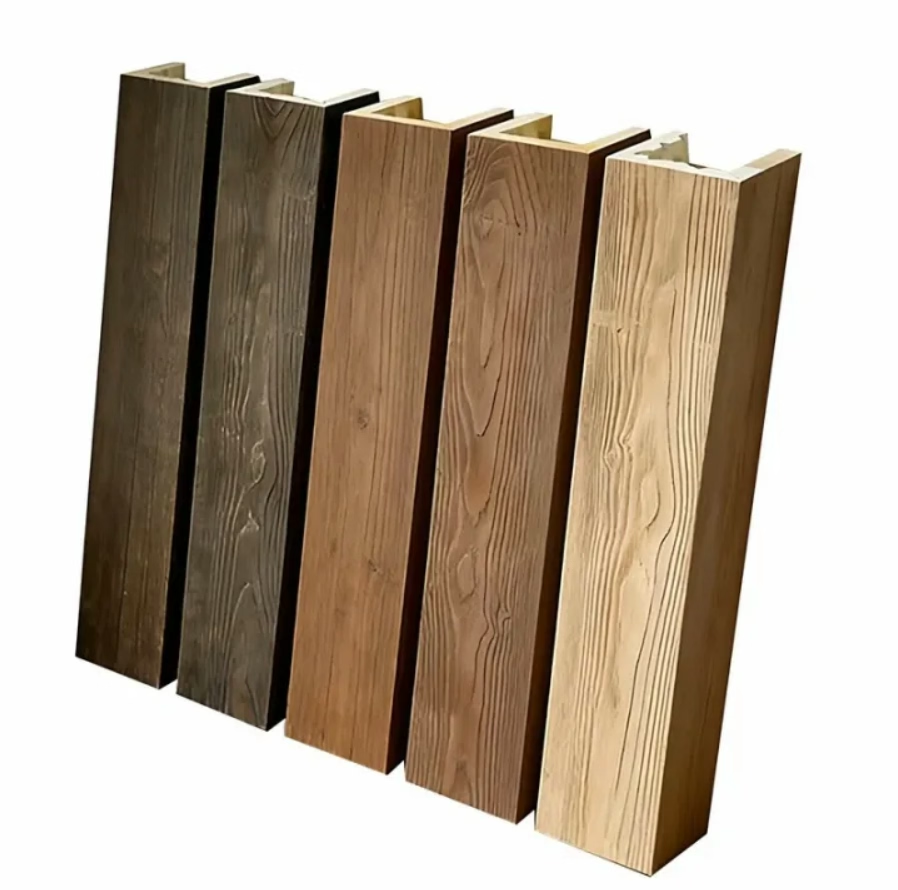
Matching Beams to Architectural Styles
Contemporary interiors benefit from clean-lined beam profiles with minimal texture. Smooth-surface polyurethane beams with sharp edges read as architectural elements rather than rustic decoration. These work particularly well in minimalist settings where the beam provides the primary visual accent against otherwise spare surroundings.
Farmhouse and cottage aesthetics demand more traditional profiles—wider beams with visible grain texture, perhaps incorporating chamfered edges or subtle corner details. Polyurethane products include options ranging from simple rectangles to complex multi-part systems that simulate hand-hewn timbers with mortise and tenon joinery.
Transitional spaces, blending contemporary and traditional elements, suit medium-profile beams with moderate texture. These versatile options integrate with various finish selections, making them popular for renovation projects where final décor decisions may not be complete during construction.
Commercial applications in hospitality and retail environments often require beams that project specific brand aesthetics. Manufacturers offering custom color matching and profile modification serve these requirements better than standard catalog products. Design teams should discuss prototype development timelines early in projects with non-standard specifications.
Technical Considerations for Installation Planning
Weight capacity of mounting systems determines feasible beam spans and placement options. Suspended mounting using steel cables or threaded rods handles longer spans where beams lack direct structural support. Direct attachment to ceiling joists or structural elements works for shorter spans where joist spacing permits. Understanding these options helps designers propose feasible layouts rather than aspirational concepts that contractors cannot execute.
Clearance requirements affect both installation process and final appearance. Beams positioned below ceiling joists require 1 to 2 inches minimum clearance for mounting hardware. Flush-mount installations demand structural ceiling surface capable of supporting beam weight through direct fastening. Each approach creates different visual effects—suspended beams float visually while flush beams integrate with architecture.
Electrical and mechanical coordination in new construction requires early information sharing. Recessed lighting placement, ceiling fan mounting, and HVAC supply routing all interact with beam locations. Document beam positions relative to room geometry and share with mechanical contractors during design development rather than discovering conflicts during construction.
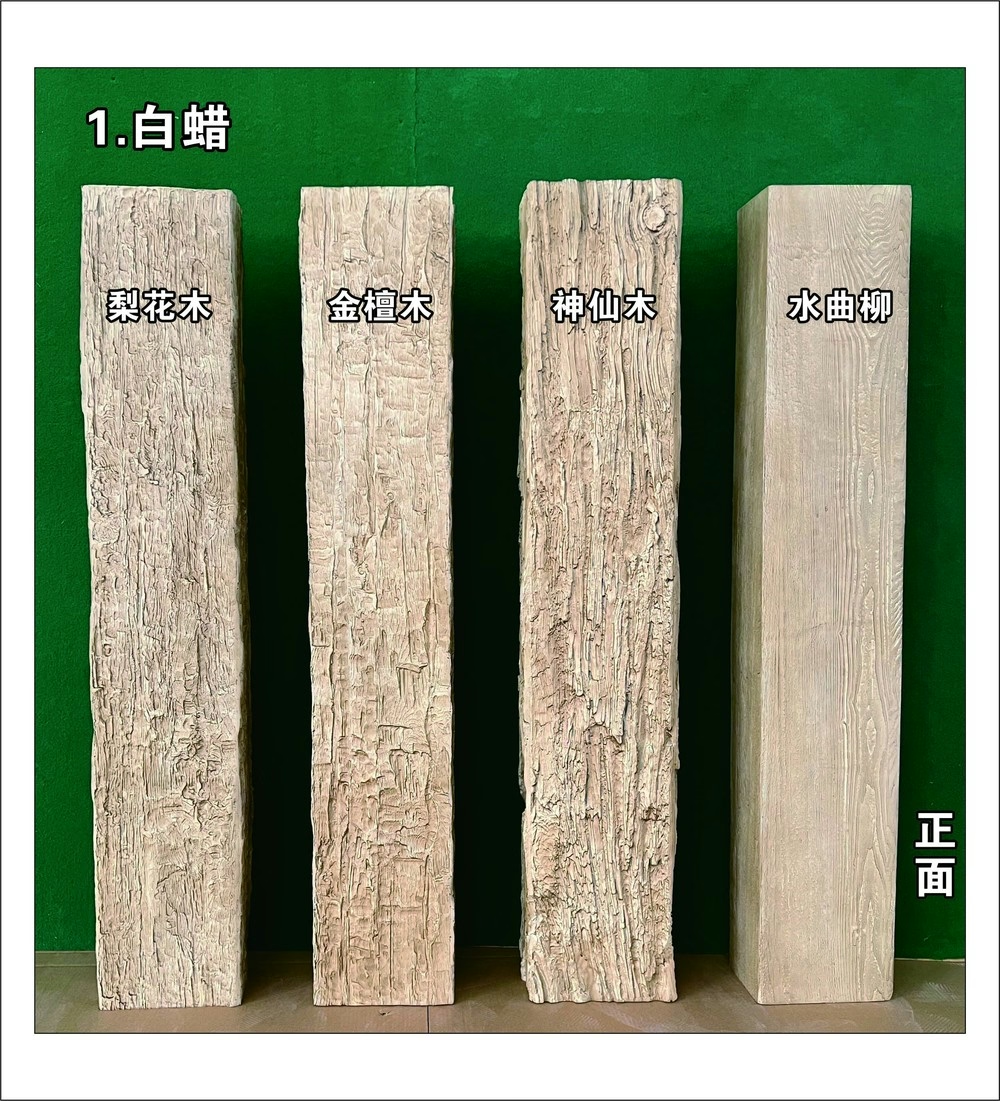
Finishing Options and Color Selection
Factory-finished beams arrive ready for installation, eliminating on-site finishing labor and reducing project timelines. These products work well for standard applications and when color matching to existing elements isn't required. Available finishes typically include popular stain colors, white and painted options, and natural urethane showing polyurethane's inherent appearance.
Custom finishing extends aesthetic possibilities significantly. Painters can color-match beams to any specification, including complementary tones that coordinate with wall colors or contrasting options that make beams stand out. Gel stains work effectively on polyurethane surfaces, though application technique differs from wood staining—test methods on scrap material before committing to finished pieces.
For exterior-adjacent applications like covered porches or sunrooms, UV-resistant finishes prevent color shift from sun exposure. Not all polyurethane products accept exterior finishes equally—verify manufacturer recommendations for your specific application and geographic location. Coastal environments present additional challenges from salt air exposure that may limit suitable product options.
Cost Analysis and Value Considerations
Material costs for polyurethane beams typically fall below comparable solid wood options, though premium products with extensive texturing or custom finishes may approach authentic timber pricing. The meaningful savings emerge in installation economics—faster mounting, simpler handling, no special equipment requirements. For projects with significant labor costs, these efficiencies often exceed raw material savings.
Importers and distributors should note that polyurethane beam pricing varies substantially by profile complexity and finish level. Simple rectangular beams offer excellent value for budget-conscious applications, while elaborate multi-piece systems simulating hand-hewn construction command premium pricing that more closely tracks traditional timber costs. Understanding these segments helps match products to appropriate market positioning.
Long-term value favors polyurethane for most accent applications. No warping, no pest concerns, no moisture damage, minimal maintenance requirements—these factors reduce lifetime ownership costs even if initial material expenses prove comparable to alternatives. For commercial properties with multiple units or frequent turnover, the durability advantage becomes particularly significant.

Professional Installation versus DIY Approaches
Homeowners with reasonable tool skills can install polyurethane beams successfully with proper planning and attention to manufacturer specifications. The key differences from professional installation involve time investment and the learning curve for techniques like mitered corners, crown returns, and seam concealment. DIY projects benefit from starting with simple layouts—single beams, perpendicular intersections—before attempting complex configurations.
Professional contractors bring experience that affects both execution speed and finished quality. Corners that might frustrate homeowners for hours receive clean treatment from installers who've handled similar situations repeatedly. Finishing techniques that require practice to perfect happen consistently from professionals who perform them daily. For large projects or clients with limited tolerance for imperfection, professional installation delivers value beyond mere labor savings.
Project managers overseeing multi-unit developments should evaluate whether professional installation or trade contractor involvement makes sense for their scale. Volume discounts from installers familiar with specific products can offset higher per-unit labor rates, and consistency across units matters when managing large residential or hospitality projects.
Climate and Environmental Factors
Polyurethane performs well in most climate conditions, though specific formulations vary in their response to temperature extremes. Standard products handle typical residential temperature ranges without issue, but unheated spaces in cold climates may require products rated for lower temperatures. Verify specifications against actual installation conditions rather than assuming standard products suit all environments.
Humidity concerns favor polyurethane over wood in most scenarios. Bathrooms, kitchens, and basement installations where wood might cup, crack, or develop mold growth perform reliably with polyurethane. The material's dimensional stability eliminates concerns about seasonal movement that affect wood trim in these spaces.
Sustainability-conscious consumers sometimes question polyurethane's environmental profile compared to wood. The answer involves trade-offs—polyurethane derives from petrochemical feedstocks while wood sequesters carbon during growth. However, polyurethane's longer service life, lack of required chemical treatments, and elimination of deforestation impacts present offsetting considerations. Life cycle assessment depends heavily on specific product manufacturing processes and intended application lifespan.
Sourcing Quality Products for Projects
Evaluating polyurethane beam suppliers requires examining multiple quality indicators. Surface finish consistency matters enormously—cheap products show visible mold lines, inconsistent coloration, or textures that don't replicate wood convincingly. Request samples representing actual production quality rather than prototype finishes.
Density and durometer ratings indicate structural performance. Products that feel lightweight and plasticky may not accept fasteners securely or resist impact damage adequately. Professional-grade products typically specify density ranges and include recommendations for appropriate applications.
Warranty coverage reflects manufacturer confidence in their products. Standard residential warranties of 5 to 10 years indicate reasonable product lifespan expectations. Commercial products may carry different coverage terms reflecting more demanding usage conditions.
The visual transformation that quality polyurethane beams provide creates obvious appeal for homeowners seeking dramatic interior upgrades. Working with knowledgeable suppliers who can advise on appropriate product selection, finish options, and installation approaches helps ensure that purchases match project expectations. Whether coordinated through design professionals or selected directly by informed homeowners, these beams deliver genuine aesthetic value without compromising practical considerations that make authentic timber unsuitable for many applications.
Maximizing Design Impact Through Strategic Placement
Beyond basic installation, thoughtful beam placement amplifies spatial perception and visual interest. Low ceilings benefit from beams running perpendicular to the longest wall dimension, creating an illusion of expanded width. Conversely, narrow rooms gain apparent length when beams run parallel to longer walls.
Layering beams at different heights produces dramatic effects suitable for double-height spaces. Exposed trusses with secondary beam elements create visual complexity that draws the eye upward. This approach requires careful structural planning in genuine timber applications but becomes achievable with lightweight polyurethane that mounting systems can support more readily.
Fireplace surrounds and architectural openings respond well to beam integration. Headers above mantels or spanning window openings reinforce the timber aesthetic while providing functional structural interpretation. These applications benefit from polyurethane's workability—custom fitting around hearth inserts or window frames proves simpler than with authentic timber.
Regional and Cultural Design Influences
Different geographic regions and cultural traditions favor distinct beam styles and placement conventions. Craftsman and bungalow aesthetics favor substantial beams with exposed joinery, often featuring visible chamfering or tapering. Mediterranean and Spanish Colonial Revival styles prefer darker timbers with wrought iron hardware interpretations. Scandinavian-influenced designs embrace lighter finishes and simpler profiles.
Commercial hospitality projects increasingly reference regional vernacular while updating for contemporary sensibilities. Boutique hotels may combine local timber traditions with modern minimalism, using polyurethane beams to achieve aesthetics that genuine regional species would render prohibitively expensive. This cross-pollination of influences expands design possibilities while keeping projects within practical budget constraints.
International projects require attention to metric sizing conventions and local finishing preferences. Export-focused manufacturers typically offer both imperial and metric specifications, but finish expectations vary significantly by market. North American projects favor different color palettes and texture levels than European or Asian markets—verify supplier experience with your target geographic region.
Technical References
ASTM standards cited in every specification
Test Data
Lab results from internal testing program
Updated 2026
Reviewed against current product specs


