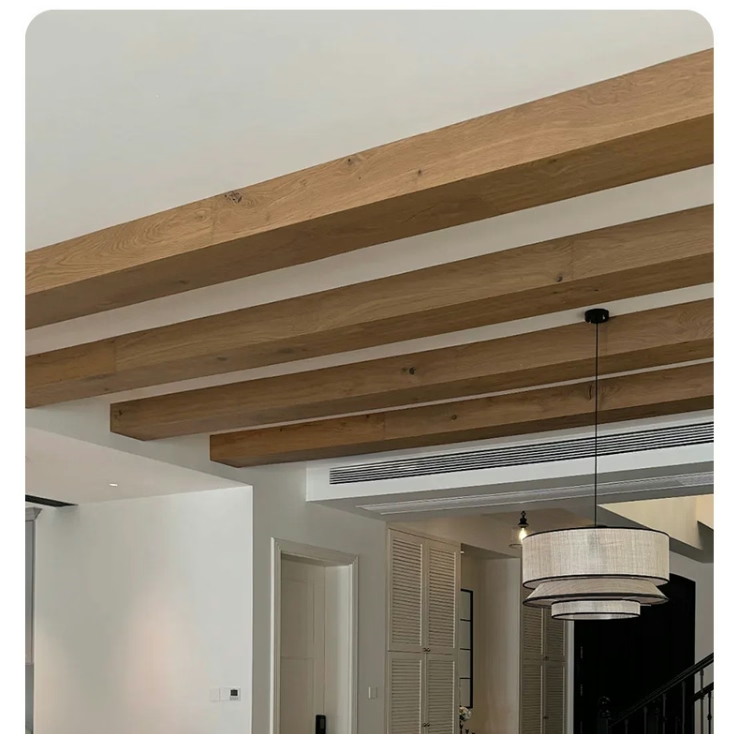
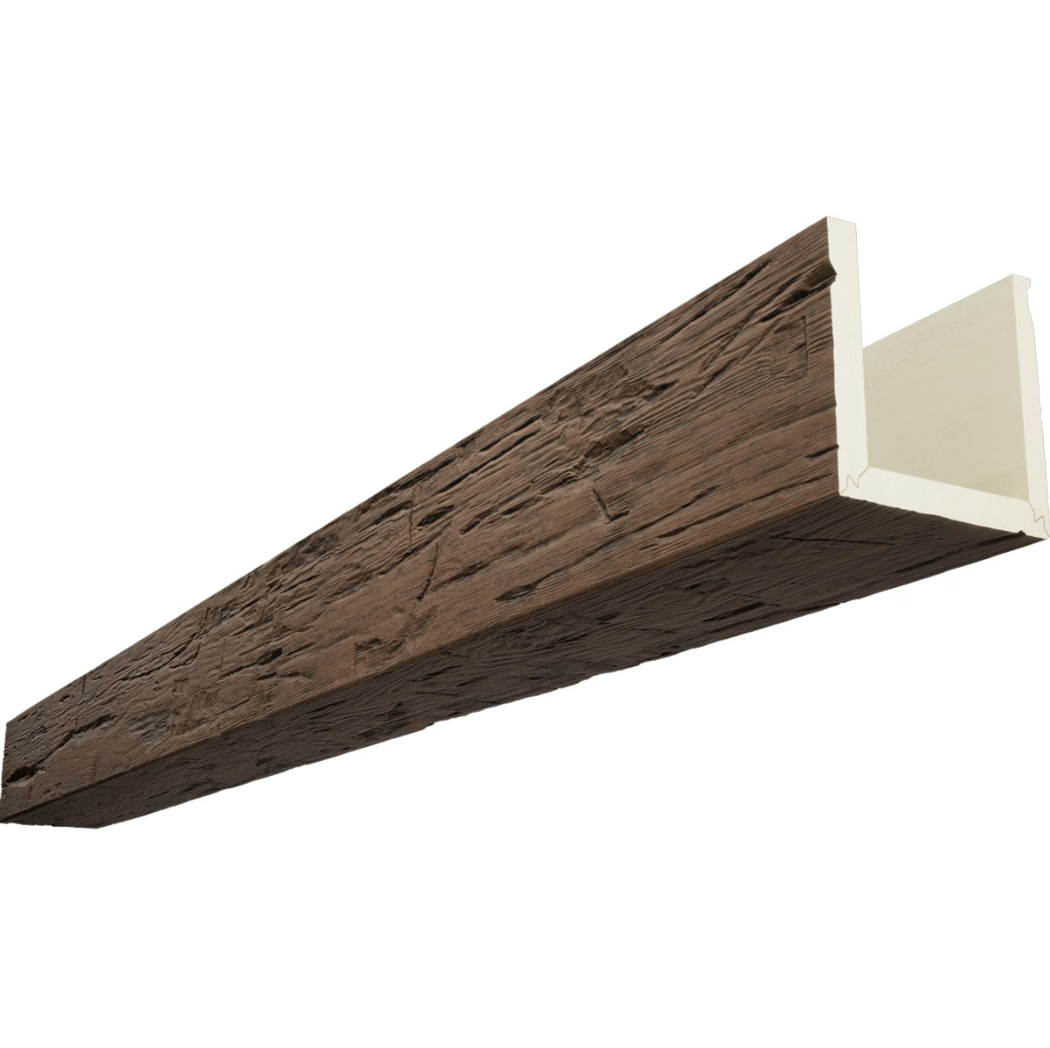
Real estate developers making specification decisions must balance aesthetic goals against budget constraints, construction timelines, and long-term maintenance considerations. Polyurethane faux wood beams offer compelling advantages across all these dimensions, yet effective specification requires understanding the product characteristics and vendor capabilities that determine whether promised benefits translate into delivered value. This specification package provides the comprehensive information developers need to make informed decisions and ensure successful project outcomes.
The package is organized to support the typical development specification workflow: initial product evaluation, budget pricing development, specification writing, contractor bidding, and procurement management. Each section addresses the specific concerns that arise at each stage, providing guidance calibrated to developer workflow rather than generic product information.
Product Specifications and Performance Data
Material specifications define the physical and performance characteristics that beams must meet to satisfy design intent. Polyurethane formulations, density ranges, and structural capabilities are documented with the specificity required for inclusion in project specifications. Reference to relevant testing standards enables verification of published claims through independent laboratory results.
Dimensional capabilities cover the range of sizes available within the product line, enabling selection of appropriate profiles for specific project applications. Standard profiles, custom fabrication options, and dimensional tolerances are all addressed, with guidance on selection criteria that help developers choose appropriate specifications without extensive technical research.
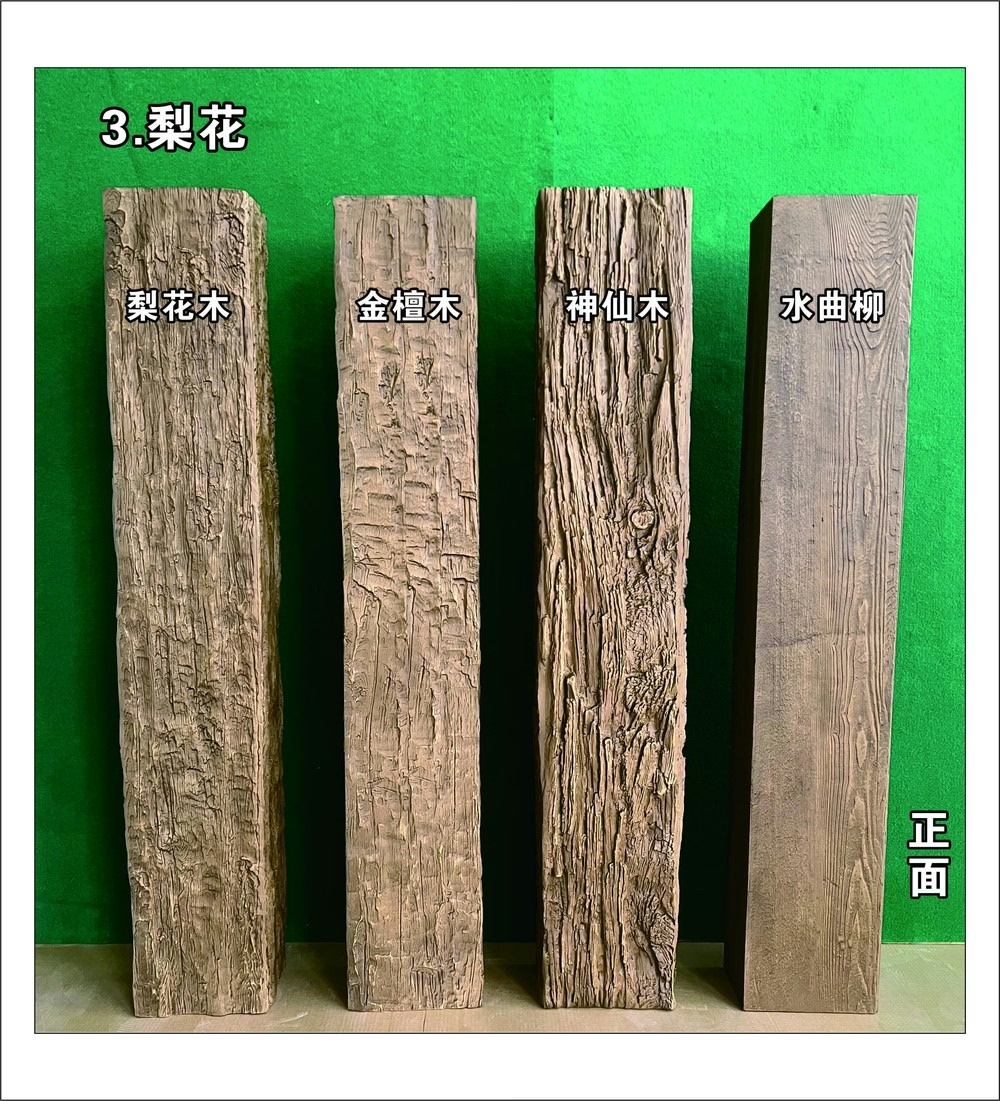
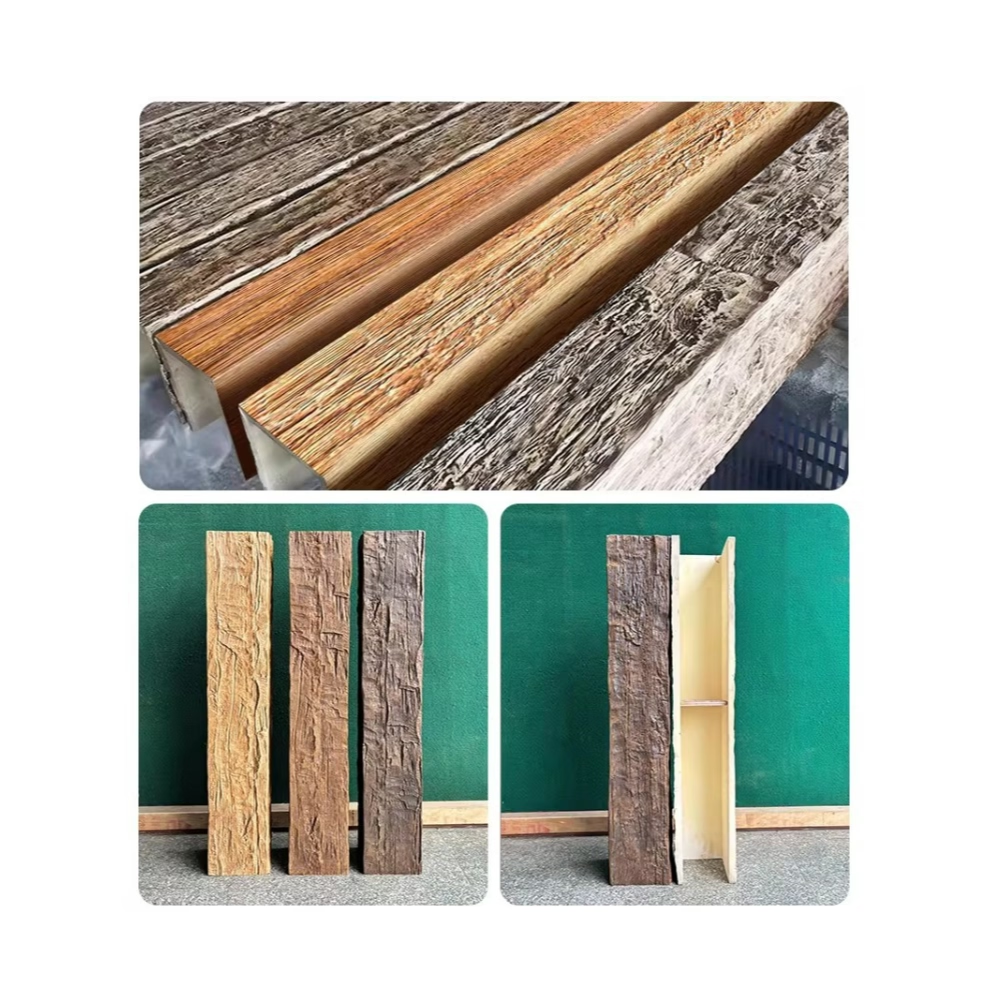
Finish options include both standard catalog finishes and custom finishing capabilities for projects with unique color requirements. Finish durability specifications address the maintenance expectations that affect long-term appearance in various applications. Reference samples and finish documentation support accurate specification and verification of delivered products.
Performance testing documentation provides third-party verification of material characteristics including fire resistance, structural capacity, and environmental durability. These test reports support specification compliance verification and may be required by building codes or project specifications. Having documentation readily available streamlines the approval processes that can delay projects with less organized vendors.

Installation Requirements and Contractor Qualifications
Installation methodology documentation provides the technical basis for contractor estimation and quality assurance. The lightweight nature of polyurethane beams affects installation approach compared to traditional timber, and understanding these differences enables accurate project scheduling and labor estimation. Installation guides can be shared with potential contractors to confirm they understand the specific requirements.
Attachment system specifications define the hardware and methods required for secure beam installation in various ceiling conditions. The specifications address both structural requirements and aesthetic considerations that affect final appearance. Load calculations and testing data support specification compliance verification during construction inspections.
Contractor qualification guidelines help developers identify installers with appropriate experience for faux beam work. The specifications address both technical competency and familiarity with the specific product line, enabling qualification processes that filter out contractors likely to encounter difficulties. References from previous projects of similar scope provide additional verification of contractor capability.
Warranty requirements and documentation establish the coverage that protects developer investment in beam installations. Standard warranty terms, extended warranty options, and warranty claim procedures are all addressed, enabling accurate budget provisions for potential claims. Understanding warranty coverage enables informed decisions about additional protection options.
Procurement and Logistics Planning
Pricing structure documentation enables accurate budget development and contractor estimation. Volume pricing tiers, finish premiums, and accessory costs are presented clearly, enabling total cost calculations that account for all project requirements. The pricing information supports value engineering exercises that explore cost reduction options without compromising design intent.
Lead time documentation addresses the production and delivery timelines that affect construction scheduling. Standard lead times, expedited options, and custom fabrication timelines are all addressed, enabling accurate scheduling provisions that prevent project delays. Understanding these timelines enables procurement planning that coordinates beam delivery with construction progress.
Shipping and logistics documentation addresses the transportation requirements for beam delivery to project sites. Domestic and international shipping options, packaging specifications, and delivery requirements are documented, enabling accurate logistics budgeting. The information supports freight cost estimation and delivery scheduling that coordinates with site receiving capabilities.
Storage and handling requirements ensure that beams arrive at installation in the condition expected based on factory quality standards. Site storage conditions, handling requirements, and protection during construction are addressed, enabling site management practices that preserve product quality through the construction period. These requirements should be communicated to general contractors and site managers to ensure proper handling.
Project Support and Long-Term Considerations
Sample and mockup procedures support design development and specification verification. Sample request processes, mockup requirements, and approval procedures are documented, enabling the verification steps that ensure delivered products match specifications. These procedures protect against the misunderstandings that can lead to expensive corrections during or after installation.
Change order procedures address the process for modifications to specifications or quantities after initial orders are placed. Understanding these procedures enables accurate budget provisions for potential changes and smooth handling when modifications prove necessary. Clear change order documentation also protects both parties by ensuring that all modifications are clearly understood before implementation.
Long-term maintenance documentation provides the information needed to maintain beam appearance throughout building service life. Cleaning procedures, damage repair, and maintenance frequency guidance are addressed, enabling accurate provisions for ongoing building maintenance. This information should be incorporated into building maintenance manuals for use by property management.
Sustainability documentation addresses the environmental characteristics of polyurethane faux beams that increasingly affect specification decisions. Recycled content, recyclability, and environmental certifications are documented, enabling accurate evaluation against project sustainability requirements. This information supports specification compliance verification for projects pursuing environmental certifications.
This specification package provides the comprehensive technical foundation that enables informed product selection and successful project implementation. Our technical sales team is available to support specification development, provide additional technical information, and address questions that arise during the specification process. We are committed to supporting development projects that incorporate our products, ensuring that the specification decisions made today translate into installed quality that serves projects throughout their service life.

Technical References
ASTM standards cited in every specification
Test Data
Lab results from internal testing program
Updated 2026
Reviewed against current product specs