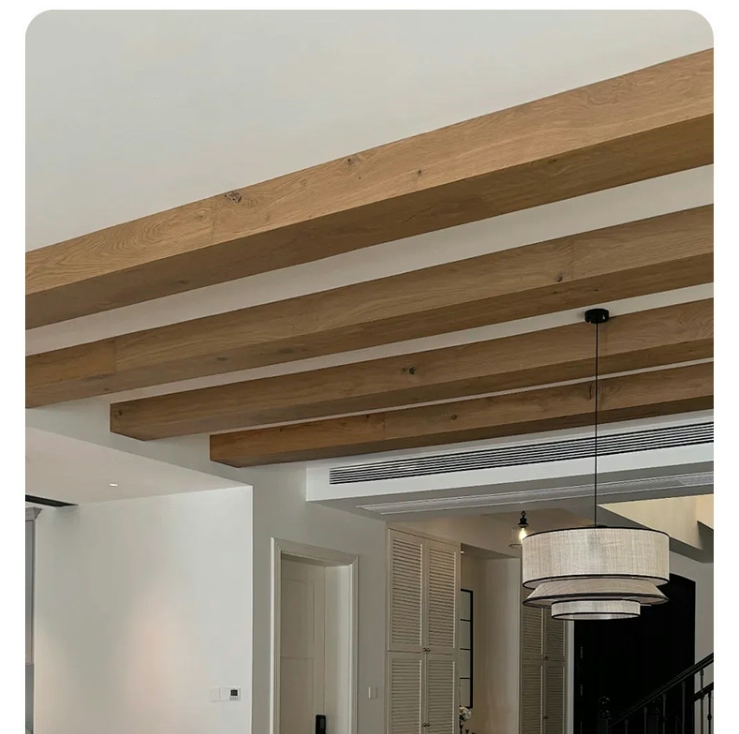
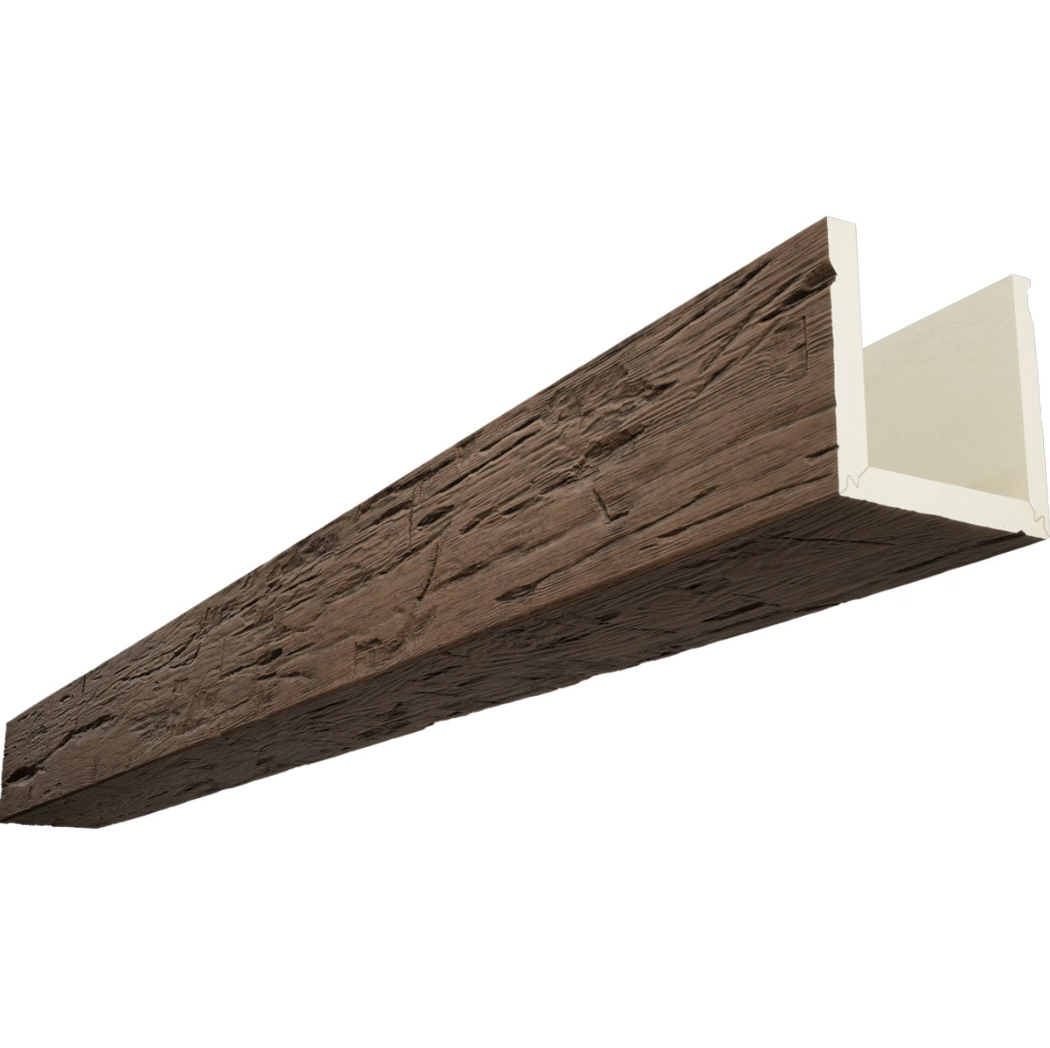
The real estate market rewards properties that present well, with professionally staged homes consistently selling faster and for higher prices than comparable unstaged properties. Professional stagers understand that buyers make emotional decisions supported by rational analysis, creating environments that evoke aspiration and belonging rather than merely adequate shelter. Ceiling beams serve as powerful staging elements that transform ordinary rooms into memorable spaces that buyers remember long after leaving.
Home staging differs from interior decoration through its focus on broad appeal rather than personal expression. Staged homes must attract the largest possible buyer pool while avoiding design choices that alienate significant market segments. Timber beam aesthetics enjoy universal appeal across demographic groups, making them ideal staging investments that appeal to diverse buyer preferences.
The temporary nature of most staging installations makes faux beams particularly suitable for these applications. Unlike permanent renovations that commit properties to specific design directions, staging elements can be adjusted based on market feedback or repositioned for different listings. Faux beams accommodate this flexibility while providing the same visual impact as permanent installations.
Perceived Value Enhancement
Buyers associate exposed timber beams with craftsmanship, quality construction, and premium finishes. These associations translate directly to perceived property value, with beamed ceilings commanding premium prices across market segments. Professional stagers leverage these associations by introducing beams into properties that lack genuine timber construction.
The architectural interest created by beams distinguishes staged properties from comparable competitors. When multiple similar homes compete for limited buyer attention, distinctive features like beamed ceilings capture interest and justify higher asking prices. This competitive advantage often recoups the staging investment many times over through improved sale prices.
Renovation-happy buyers recognize that beam installations represent significant improvements that they would need to undertake themselves if absent. Staged properties with beams transfer this value to buyers who would otherwise need to budget for beam addition. The perceived savings versus perceived improvements compound to create strong value propositions.
Original architectural details command premium prices that staged beam installations can replicate. Properties without genuine timber can achieve the same visual impact through faux beam staging, leveling the competitive landscape between homes with and without original period features.

Room-by-Room Staging Strategies
Different rooms benefit from different beam treatment approaches based on their functions and buyer expectations. Understanding these nuances helps stagers allocate staging budgets for maximum impact across entire properties.
Living rooms represent the highest-impact staging locations for beam installations. Buyers experience these spaces immediately upon entering homes, making strong first impressions essential. Ceiling beams in living rooms establish the property's design character while providing the visual warmth that differentiates homes from apartments.
Master bedrooms benefit from beam treatments that elevate them above ordinary sleeping quarters. Buyers evaluating homes for purchase assess master suites carefully, looking for the private retreat that distinguishes primary residences from lodging accommodations. Beams create the architectural presence that master suites require.
Kitchens and great rooms where families spend significant time offer strong returns on beam staging investments. These gathering spaces directly influence buyer perceptions of daily life quality, with warm, attractive environments suggesting the comfortable family experiences that buyers seek.
Secondary bedrooms and bonus rooms often receive minimal staging attention, representing opportunities for beams to create dramatic impact with reduced competition from other design elements. Even small rooms benefit from beam treatments that add perceived value disproportionate to their modest square footage.

Temporary Installation Approaches
Professional stagers require installation methods that enable quick setup and removal without damaging properties or consuming excessive labor. Faux beams accommodate these requirements through mounting systems designed for temporary applications.
Surface-mounting techniques attach beams directly to existing ceiling finishes without requiring structural modification or fastener holes that would need repair. Adhesive systems, clip mounts, and friction fits provide secure attachment while enabling clean removal when properties sell.
Modular beam arrangements allow stagers to reconfigure installations for different properties or room configurations. Standard beam lengths combine in various patterns to address different ceiling dimensions and design goals. This flexibility maximizes the utility of beam inventory across multiple staging assignments.
Rental and staging companies increasingly maintain beam inventory for deployment across client properties. The durability of faux materials ensures that rental beams maintain appearance through multiple installations, protecting the investment that staging companies make in beam inventory.
Photography and Marketing Considerations
Real estate marketing relies heavily on professional photography that captures property appeal in static images. Beam installations photograph exceptionally well, creating the three-dimensional interest that translates into compelling listing photos. The shadow patterns and textures that beams create provide visual dynamism that distinguishes listings from competitors.
Virtual tours and video content benefit similarly from beam installations that create visual interest throughout navigating experiences. Properties with attractive ceilings encourage extended viewing times as users explore spaces with architectural character. This engagement correlates with increased buyer interest and faster sales.
Social media marketing of staged properties requires visually distinctive content that stops scrolling viewers and generates engagement. Beam installations create natural photo opportunities that staging professionals can leverage for organic social content. The shareability of attractive interiors amplifies marketing reach beyond traditional listing portals.
Floor plan diagrams and architectural illustrations can emphasize beam installations as premium features that justify asking prices. Highlighting beams in marketing materials directs buyer attention to these investments while reinforcing value propositions that support pricing strategies.
Budget Allocation for Maximum Returns
Staging budgets should prioritize investments that generate the highest returns through improved sale prices and faster sales. Beam installations often prove among the highest-return staging investments, particularly in markets where timber aesthetics command premium buyer interest.
The cost-per-square-foot impact of beam staging varies based on room sizes, beam configurations, and material quality. Professional stagers calculate expected returns against these costs to verify that beam investments make financial sense for specific properties and market conditions.
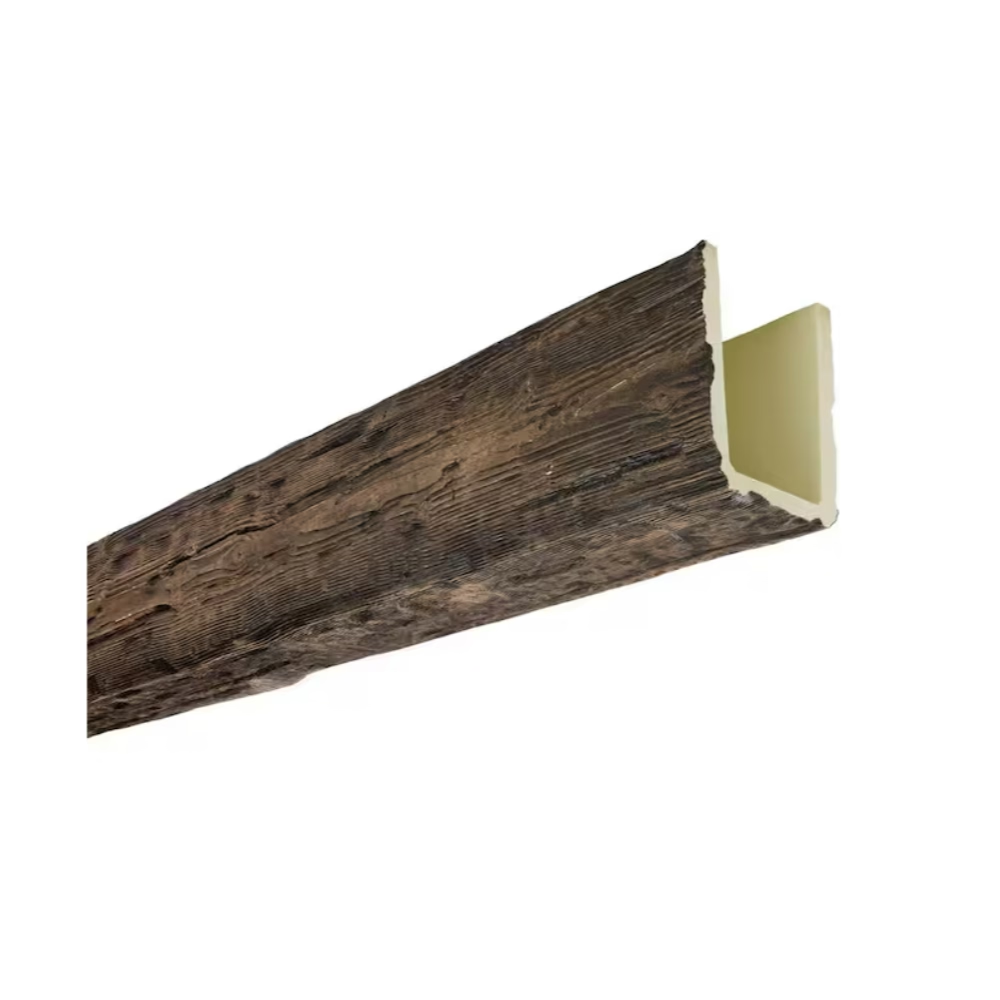
Markets with older housing stock often feature more properties with genuine timber that staged faux beams must match or exceed. In these competitive environments, quality investments in realistic faux products prove essential for maintaining competitive positioning. Cutting corners on beam quality undermines staging credibility and expected returns.
The duration of beam staging affects total investment calculations. Properties that sell quickly may require beams for only brief periods, while challenging markets might require extended staging that increases total costs. These timing factors influence decisions about beam quality, quantity, and installation complexity.
Technical References
ASTM standards cited in every specification
Test Data
Lab results from internal testing program
Updated 2026
Reviewed against current product specs