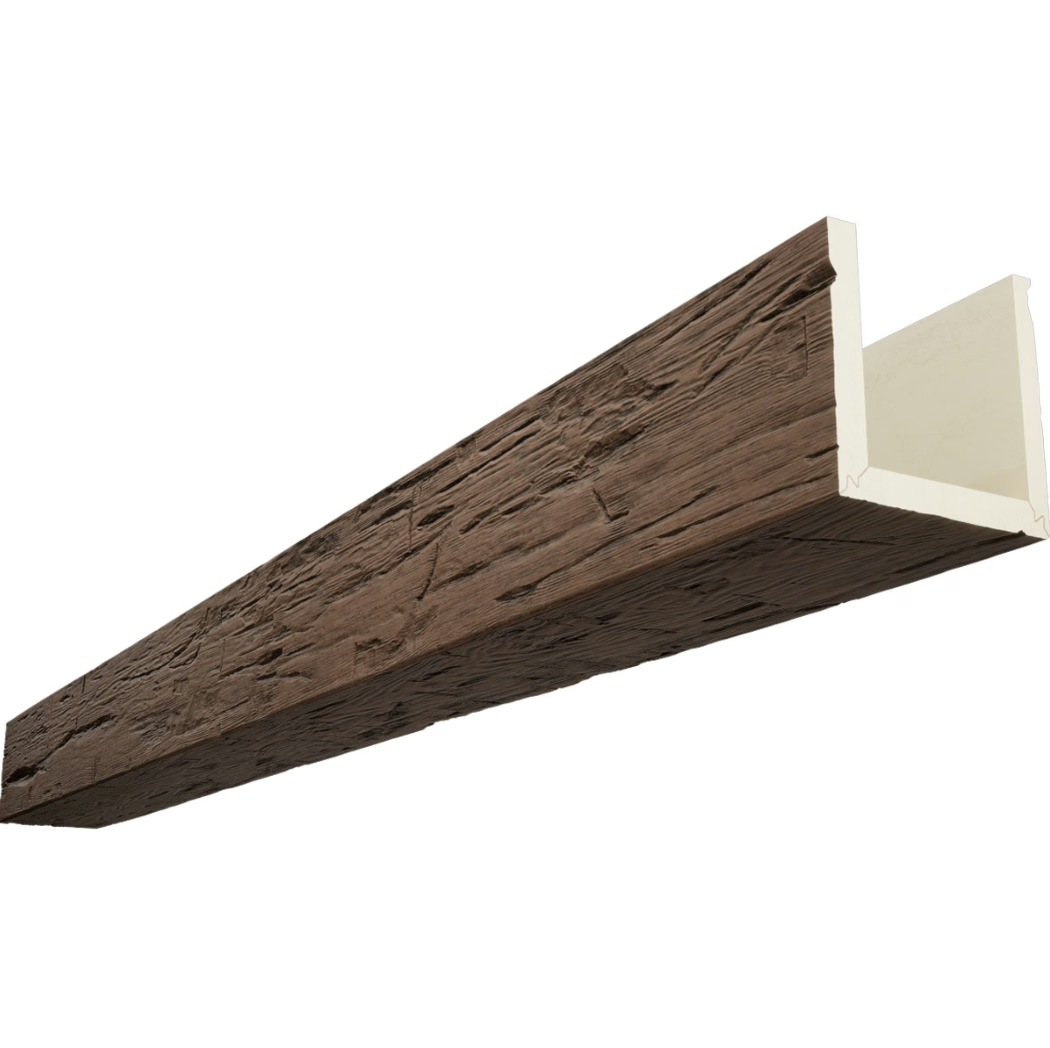
The distinctive reddish-brown tones and prominent grain patterns of western red cedar have made it a preferred choice for rustic design for generations. Its natural resistance to decay, appealing aroma, and dimensional stability command premium prices in the lumber market. Yet even those fortunate enough to afford genuine cedar often discover that practical considerations make solid beam installation impractical. Realistic cedar look polyurethane faux beams bridge this gap, delivering the aesthetic qualities woodworkers prize while respecting real-world constraints.
What distinguishes western red cedar from other species extends beyond color. The wood exhibits distinctive growth rings that create dramatic figure patterns, occasional tight knots from branch retention, and a naturally occurring oils that contribute to its characteristic scent. Capturing these qualities in synthetic materials requires sophisticated manufacturing approaches that modern producers have refined extensively.
Capturing Cedar's Distinctive Character
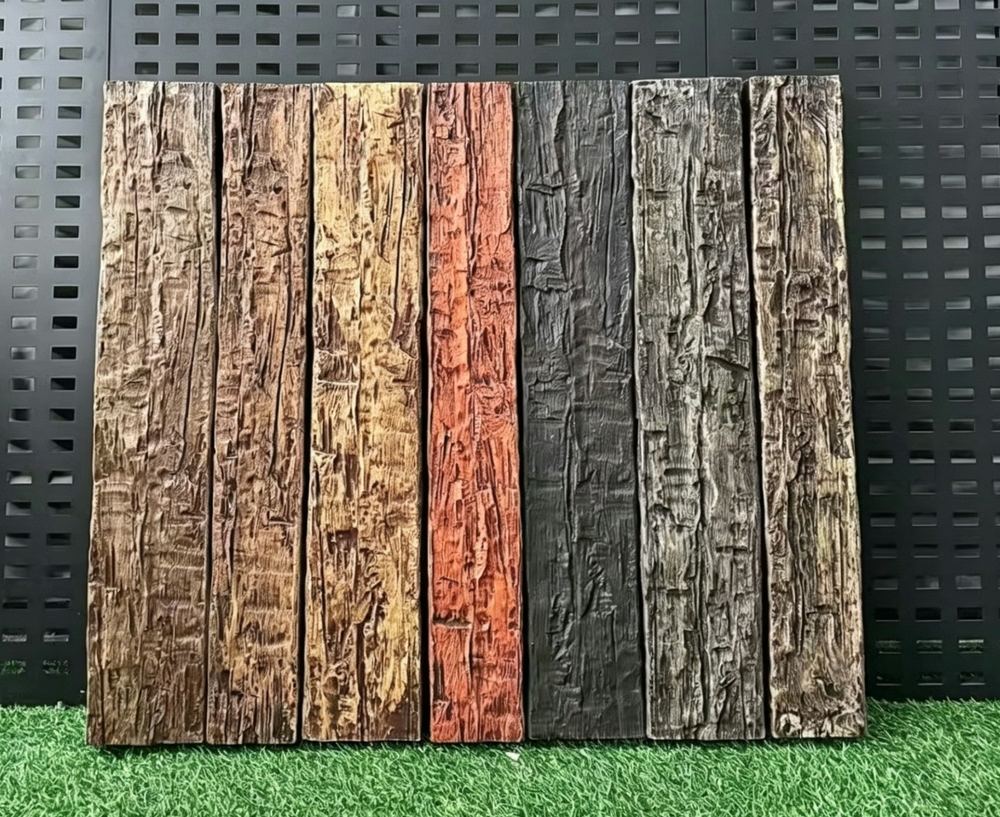
The reddish heartwood of mature cedar contains extractives that create its famous color stability and resistance to insects. These same compounds present challenges for stain absorption when finishing reclaimed or repurposed cedar. Faux beam manufacturers sidestep these complications by incorporating pigments directly into the polyurethane mixture, ensuring consistent coloration throughout the beam cross-section.
Grain patterns receive equal attention during production. High-resolution scanning captures the distinctive longitudinal patterns that define cedar's visual character. These scanned images inform precision CNC machining of production molds that replicate even subtle figure variations. The resulting textures exhibit the same visual complexity found in natural cedar, including occasional swirls and figure that skilled woodworkers consider particularly attractive.
Knot placement follows natural patterns rather than uniform distribution. Production techniques allow controlled knot positioning that creates authentic appearances rather than the repetitive stamped patterns that betrayed earlier generation faux products. Each knot exhibits proper shading and depth that contributes to overall realism when viewed from any angle.
Achieving Rustic Aesthetic Goals
Rustic design encompasses more than simply installing wood elements. The philosophy emphasizes connection to natural materials, appreciation of organic imperfection, and relaxed sophistication that rejects overly refined appearances. Cedar look faux beams support these principles through authentic texture, appropriate coloration, and proper scale relationships with other design elements.
Cabin interiors particularly benefit from cedar aesthetics, where the wood's association with wilderness retreats creates immediate atmospheric alignment. Whether covering vaulted ceiling spans in great rooms or accenting bedroom ceilings, cedar-toned beams establish visual warmth that complements stone fireplaces, leather furnishings, and natural fiber textiles.
Mountain lodge and ski resort properties embrace rustic treatments that create memorable guest experiences. Faux cedar beams contribute to immersive environments where architectural details reinforce the sense of escape from urban routine. Hotel operators appreciate the durability advantages that keep properties looking fresh despite heavy foot traffic and challenging climate conditions.

Practical Advantages Over Natural Cedar
Weight presents the most immediate practical advantage of polyurethane over natural cedar. Solid western red cedar beams of substantial size require structural support systems designed for their mass. Faux alternatives weigh a fraction of genuine timber, allowing installation in properties lacking beefed-up ceiling structures while still achieving the visual impact of massive beams.
Moisture resistance provides another meaningful benefit. While cedar naturally resists decay better than most species, prolonged humid conditions still challenge its longevity. Polyurethane beams face no such limitations, performing reliably in bathroom applications, enclosed porches, and other moisture-exposed locations where natural wood would eventually require attention.
Insect resistance completes the practical picture. Though cedar oils naturally discourage some pests, determined carpenter ants and certain beetles can eventually damage even resistant species. Polyurethane provides no food source for wood-boring insects, eliminating pest concerns that complicate natural wood installation in some regions.
Installation Approaches for Various Settings
Residential installations typically involve either direct ceiling mounting or placement within existing structural frameworks. Direct mounting works well when ceiling joists or trusses provide adequate attachment points. Installers locate structural members using stud finders or architectural plans, then secure mounting brackets capable of supporting beam weight.
Placement within existing framework suits situations where beams should appear as original construction. Installing faux beams parallel to and between structural members creates depth illusions where beams seem to carry loads they don't actually support. This approach works particularly well in homes where beam-like elements would logically exist given the architectural style.
Commercial applications often involve more complex mounting scenarios. Restaurants, resorts, and hospitality venues may need beams installed at angles, in configurations spanning unusual dimensions, or integrated with lighting and HVAC systems. Professional installation teams assess these requirements during planning, developing mounting approaches that satisfy aesthetic and functional needs simultaneously.
Finishing Techniques and Touch-Up Procedures
Factory finishing in controlled environments produces surfaces more consistent than site-applied treatments. Spray application ensures even coverage without brush marks or roller patterns. Catalyzed finishes cure to harder surfaces resistant to scuffing and cleaning. UV inhibitors incorporated into finish formulas protect colors from the gradual fading that affects natural wood exposed to sunlight.
Touch-up requirements arise occasionally despite durable finishes. Minor damage during installation or furniture movement occasionally creates scratches or chips. Manufacturer-supplied repair kits include color-matched fillers and finishing materials that restore appearance seamlessly when properly applied. Serious damage may require professional refinishing, though this situation rarely occurs with reasonable care.
Finish maintenance involves routine cleaning rather than periodic refinishing. Soft cloths, mild detergents, and gentle cleaning action remove accumulated dust and grime without damaging protective coatings. Avoiding abrasive cleaners and aggressive scrubbing preserves surface integrity through years of regular care.
Coordinating with Complementary Design Elements
Achieving cohesive rustic interiors requires thoughtful coordination between beam treatments and other materials. Stone fireplaces establish natural partnerships with cedar-toned beams, where the warm reddish-brown tones echo mineral hues in stacked stone or cultured stone panels. The pairing creates visual harmony that reinforces the rustic design narrative.
Wood flooring presents opportunities for tonal matching or intentional contrast. Matching beam colors to floor tones creates unified wooden ceiling-and-floor composition that feels expansive. Contrasting lighter or darker beam treatments creates visual separation that emphasizes the ceiling treatment as distinct design element.
Textiles and fabrics contribute to overall rustic atmosphere. Leather, wool, and natural fiber materials complement cedar aesthetics through shared organic origins. Incorporating these textures through upholstery, window treatments, and decorative accessories reinforces the design story that beams help establish.
Cost Considerations and Budget Planning
Material costs for quality faux cedar beams typically fall below comparable genuine timber alternatives. Beyond purchase price, installation expenses decrease due to handling advantages that reduce labor requirements. These combined savings often allow upgraded beam sizes or more elaborate configurations within equivalent budgets.
Long-term cost projections favor synthetic materials even more decisively. Natural cedar requires periodic inspection, occasional refinishing, and eventual replacement in demanding applications. Faux alternatives essentially eliminate these ongoing expenses, with warranty coverage protecting against manufacturing defects for extended periods.
Budget allocation strategies should reserve appropriate funds for professional installation when project complexity warrants. Attempting cost reduction through inadequate mounting systems or amateur installation often produces disappointing results that require corrective action. Investing in proper installation from the start typically proves more economical than remediation.
Seasonal Considerations for Outdoor Applications
Protected outdoor spaces like covered porches and sheltered patios accommodate cedar look faux beams when properly specified products are selected. UV-resistant finishes prevent degradation from sunlight exposure, while adequate ventilation prevents moisture accumulation that might challenge even synthetic materials over extended periods.
Fully exposed exterior installations face challenges regardless of material selection. Natural cedar eventually grays and deteriorates under direct weather exposure. Polyurethane alternatives may chalk or discolor without specific exterior-grade formulations. Manufacturers should be consulted about outdoor applications to ensure products are suited for intended exposure conditions.
Seasonal temperature variations affect installation timing more than material selection. Adhesive cure times, expansion joint considerations, and finishing requirements all respond to temperature and humidity conditions during installation. Following manufacturer guidelines regarding installation conditions ensures optimal long-term performance.

Design Inspiration From Successful Installations
Scandinavian-inspired rustic interiors often feature light-toned cedar treatments paired with white walls and minimal furnishings. The combination creates bright, airy spaces that feel connected to nature without heaviness. Beams in these applications serve as warm accents against cool backgrounds, providing visual grounding that prevents spaces from feeling sterile.
Farmhouse rustic designs incorporate cedar beams with shiplap walls, barn door hardware, and vintage-inspired fixtures. The layered wood treatment creates depth and texture that supports the casual elegance characterizing successful farmhouse interiors. Beams in these applications often appear more substantial, emphasizing the rustic rather than refined aspects of the aesthetic.
Industrial rustic spaces balance raw material aesthetics with clean-lined contemporary elements. Cedar-toned beams introduce organic warmth into environments otherwise featuring concrete, steel, and glass. The contrast creates visual interest while maintaining the relaxed sophistication that distinguishes sophisticated rustic design from mere imitation.
Technical References
ASTM standards cited in every specification
Test Data
Lab results from internal testing program
Updated 2026
Reviewed against current product specs


