The exposed beam aesthetic has undergone remarkable transformation in contemporary design thinking. Where such elements once suggested traditional farmhouses or rustic mountain retreats, they now appear throughout modern interiors as designers recognize the warmth and visual grounding that wood ceiling elements provide. Realistic fake exposed wood beams enable these applications in spaces where genuine timber would prove impractical, delivering aesthetic benefits without structural complications.
Modern living rooms demand careful balance between visual interest and spatial clarity. Heavy, ornate beams might overwhelm carefully composed contemporary spaces, but the right beam treatment adds exactly the warmth these environments sometimes lack. The key involves selecting beam profiles, colors, and placement strategies that complement rather than compete with modern design principles.
Modern Design Principles Applied to Ceiling Beams
Contemporary interiors emphasize clean lines, restrained ornamentation, and purposeful element selection. Beams in these applications should reinforce rather than contradict these principles. Profile selection favors simple geometric forms without excessive detailing, while finish colors typically coordinate with other wood elements in spaces rather than introducing unrelated tones.
Scale relationships differ significantly between traditional and modern applications. Contemporary spaces often benefit from substantial beam proportions that create confident statements. Narrow beams might appear inadequate in generous ceiling heights, while the same widths could overwhelm intimate rooms. Careful proportioning ensures beams enhance rather than disrupt spatial perception.
Color temperature affects how beams read within overall color schemes. Warm wood tones introduce cozy feeling that contrasts intentionally with cool grays and whites common in contemporary palettes. This warmth provides necessary counterbalance that prevents spaces from feeling sterile, connecting modern aesthetics with human comfort requirements.
Creating Visual Interest Without Clutter
Modern design's rejection of ornament does not preclude visual interest. Exposed beams create complexity through material character rather than added decoration, providing depth and texture that simpler treatments cannot achieve. The grain patterns, natural color variations, and dimensional presence of beams contribute sophisticated visual interest aligned with contemporary values.
Shadow play from beam depth adds dynamic quality that changes throughout the day as natural light shifts. This natural animation keeps spaces feeling alive without requiring active decoration or ongoing intervention. The beams become design elements that reward extended observation rather than merely filling space.
Material authenticity matters more in modern contexts where discerning viewers notice inconsistencies. Premium faux products with convincing wood character satisfy expectations that budget alternatives might disappoint. The investment in quality pays dividends through lasting satisfaction with visible architectural elements.
Profile Options for Contemporary Spaces
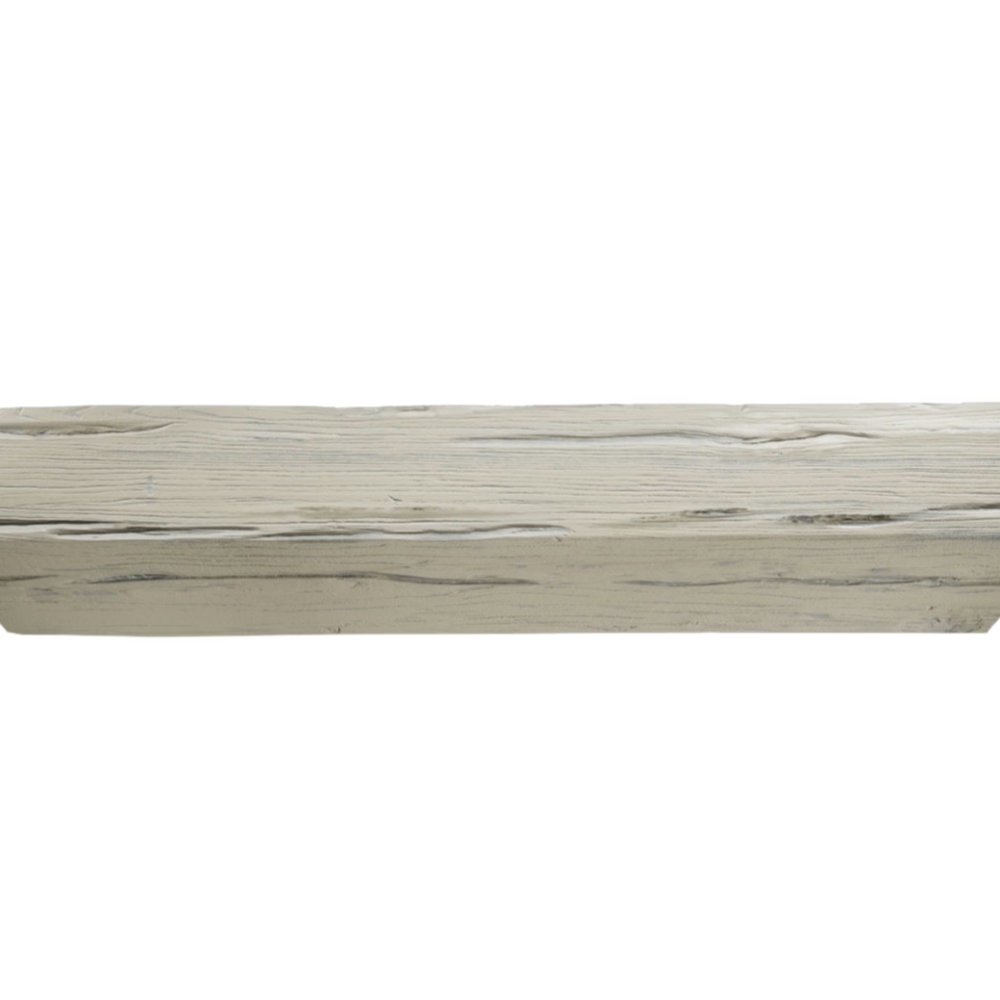
Square profiles with sharp edges create minimalist statements appropriate for contemporary applications. The clean geometry aligns with modern design values, while wood texture prevents starkness that purely geometric elements might produce. This combination of simple form and organic surface characterizes successful contemporary beam applications.
Shallow depth profiles suit installations where beams appear suspended rather than structural. These lightweight appearances complement modern construction techniques that favor visual lightness over heavy appearance. Beams should feel intentional rather than retrofitted, integrated rather than added.
Paired parallel beams introduce rhythm without complexity in larger spaces. The repetition structures expansive ceilings while maintaining visual clarity appropriate to modern aesthetics. Single accent beams work in more intimate spaces where singular presence creates sufficient visual interest.

Color Coordination Strategies
Light wood tones create relaxed contemporary feeling that pairs well with white walls and natural daylight. Maple, birch, and lighter oak reproductions achieve this bright, airy quality while adding warmth that pure white ceilings cannot provide. These lighter options suit spaces seeking refresh rather than grounding.
Medium tones including honey oak and natural cedar provide balanced warmth appropriate for diverse contemporary schemes. These versatile colors coordinate with both cool and warm adjacent materials, providing flexibility during furniture selection and decoration evolution. Their intermediate character suits transitional spaces and evolving design approaches.
Dark wood tones create dramatic contrast in high-ceilinged contemporary spaces. Deep walnut, ebonized oak, and similar rich tones provide visual weight that anchors floating spaces, grounding furniture arrangements and creating intimate zones within larger volumes. These dramatic options work best when deliberately coordinated with other dark elements.
Integration With Modern Lighting Design
Recessed lighting integration requires coordination between beam placement and fixture positioning. Avoiding conflicts between beams and intended light locations requires planning before either installation begins. Comprehensive ceiling plans that address all systems simultaneously produce better results than sequential decision-making.
Surface-mounted fixtures present different integration challenges. Linear lighting systems, pendant fixtures, and track lighting all interact with beam installations in ways requiring thoughtful coordination. Fixture selection should consider how mounting systems will address beam surfaces and whether provisions exist for secure attachment.
Natural light interaction deserves consideration during beam specification. North-facing rooms with limited natural light may benefit from lighter beam tones that reflect available illumination. South-facing spaces with abundant light can accommodate darker tones without sacrificing brightness perception.
Furniture and Decor Coordination
Modern furniture in leather, fabric, and metal materials complements wood beam treatments through shared material authenticity. Even minimal furniture pieces gain context from ceiling beams that establish warm material presence throughout rooms. The combination creates complete environments rather than collections of individual elements.
Artwork and accessories should consider ceiling beam presence during selection. Large-scale artworks with organic color palettes reinforce the material authenticity beams establish. Geometric or abstract pieces can provide intentional contrast, but planning should acknowledge the tension this creates.
Window treatments interact with ceiling treatments through material and color relationships. Natural fiber blinds, woven wood shades, and fabric draperies all coordinate with wood beams through shared organic origins. Coordinating these elements creates layered compositions that feel considered rather than accumulated.
Installation Approaches for Modern Spaces
Clean ceiling surfaces without existing trim or moldings simplify beam installation in modern contexts. The absence of competing architectural elements allows beams to establish presence without interference. Professional installation ensures clean results appropriate to design expectations.
Mounting systems in modern applications often prioritize visual cleanliness over concealment. Exposed fasteners, visible brackets, and minimal mounting hardware align with contemporary aesthetic values that reject concealment as dishonest. Manufacturers offer products designed specifically for visible mounting approaches.
Alignment precision matters more in modern contexts where simple geometries amplify any irregularities. Laser leveling, careful measurement, and precise positioning ensure results that satisfy expectations. Amateur installation in these demanding applications risks visible imperfections that stand out against clean modern backgrounds.
Acoustic Considerations in Open Plans
Modern open floor plans often sacrifice acoustic intimacy for visual openness. Wood beam installations provide incidental acoustic benefits through sound absorption that textured surfaces offer. While not replacing dedicated acoustic treatment, beams contribute to improved sound quality in large, hard-surface spaces.
Beam quantity and positioning affect acoustic contribution magnitude. More extensive beam coverage provides greater acoustic absorption, though diminishing returns apply beyond certain coverage levels. Comprehensive acoustic planning addresses beam contribution alongside other acoustic elements.
Furniture placement interacts with beam acoustics through additional absorption and diffusion. Upholstered furniture, textile window treatments, and area rugs all contribute acoustic benefits that complement beam treatment. Coordinated planning across all elements produces better acoustic environments than isolated element specification.
Cost and Value in Modern Applications
Modern design standards often exceed traditional expectations for visible elements. The investment in quality faux beams that satisfy contemporary aesthetics typically exceeds budget alternatives that may disappoint upon close inspection. Higher standards justify higher investment in applications where discerning viewers evaluate results.
Installation costs vary with project complexity but often represent smaller portions of total budget than material costs in beam projects. Professional installation ensures results meeting modern quality expectations, particularly in visible applications where imperfections stand out.
Lifetime value calculations favor quality products with extended service lives and minimal maintenance requirements. The cost of periodic refinishing or replacement that budget alternatives might require offsets initial savings through accumulated expense over time.
Maintaining Modern Aesthetic Through Care
Cleaning protocols for modern interiors should preserve the clean appearance that characterizes successful contemporary design. Regular dusting removes accumulation that would compromise the crisp aesthetics these spaces require. Soft cloths and gentle cleaning action protect surface finishes while maintaining clean appearance.
Touch-up requirements arise occasionally despite careful handling. Quality repair kits address minor damage with minimal visible evidence. Professional refinishing services restore appearance when damage exceeds repair capabilities, though this situation rarely occurs with reasonable care.
Long-term maintenance planning ensures beams continue satisfying modern aesthetic requirements throughout their service lives. Establishing cleaning routines, addressing damage promptly, and consulting manufacturers regarding care recommendations all contribute to lasting satisfaction with visible architectural elements.

Design Flexibility and Future Changes
Contemporary interiors often evolve over time as occupant preferences shift and life circumstances change. Beam installations should accommodate potential future changes in furniture arrangement, wall colors, and decorative style. Neutral wood tones provide flexibility that more specific treatments might limit.
Relocation potential exists for some beam installations in rental properties or situations where permanence proves undesirable. Lightweight faux beams often permit removal without significant ceiling damage, enabling transformation when circumstances require. This flexibility distinguishes synthetic products from genuine timber that might require destructive removal.
Design coherence across multiple spaces benefits from consistent beam treatment throughout homes. Open floor plans with connected living and dining areas require coherent ceiling treatments that maintain visual continuity while potentially varying beam configurations appropriate to different functional zones.
Technical References
ASTM standards cited in every specification
Test Data
Lab results from internal testing program
Updated 2026
Reviewed against current product specs


