The term timber carries connotations of solidity, authenticity, and connection to natural forests that resonate deeply in human consciousness. When design visions require timber's presence but circumstances prevent genuine timber installation, sophisticated synthetic alternatives bridge this gap convincingly. Realistic fake timber polyurethane faux ceiling beams deliver authentic character through manufacturing processes refined over decades of development.
Understanding what distinguishes timber from other wood classifications helps clarify why timber aesthetics carry particular weight in interior design. Timber typically refers to larger dimensional stock used in structural applications, with corresponding visual characteristics including pronounced grain patterns, possible knot presence, and substantial scale that smaller wood elements lack. Capturing these qualities requires production approaches addressing both texture and proportion.
The Character of Authentic Timber
Genuine timber exhibits visual complexity that results from organic growth processes extending over decades or centuries. Annual growth rings create visible grain patterns, while environmental factors introduce natural variations impossible to manufacture artificially with precision. The finest faux products approach rather than equal this complexity, but the gap has narrowed considerably.
Color variation across timber surfaces reflects natural pigmentation processes that differ within and between trees. Heartwood and sapwood display characteristic color differences, while growth rate variations create figure patterns and tonal shifts throughout boards. Quality faux reproduction captures this variation through careful finishing that builds depth rather than applying uniform coloration.
Knot occurrence, when present, contributes character rather than defect appearance in rustic applications. Knot size, shape, and surrounding grain distortion all affect authenticity perception. Premium faux products replicate these characteristics convincingly, while budget alternatives often produce obviously artificial knot stamps.
Manufacturing Excellence in Faux Timber
Production quality begins with raw material selection and formulation. Polyurethane chemistry allows precise control over density, durability, and surface acceptance characteristics. Quality manufacturers maintain formulations optimized for beam production rather than using generic materials ill-suited to specific requirements.
Mold technology determines texture fidelity more than any other production factor. Premium molds cost substantially more to produce but yield surfaces that justify the investment through convincing authenticity. The difference between budget and premium textures often proves obvious upon close inspection despite similar catalog photography.
Multi-stage finishing builds realistic appearance through layered technique. Base coat application establishes foundational color, while subsequent stages add grain highlighting, shadow depth, and protective topcoats. Each stage requires quality control that ensures consistent results across production runs and order batches.
Scale and Proportion Considerations
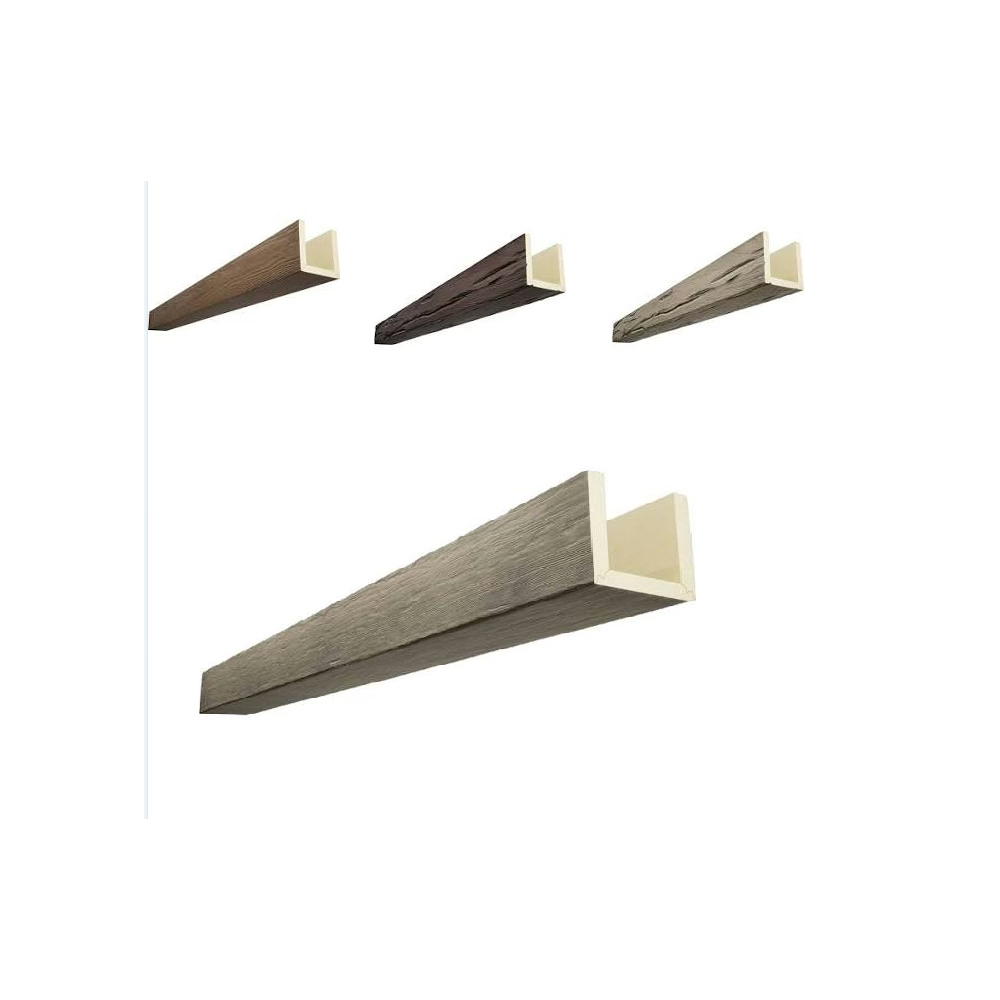
Timber authenticity relates closely to scale, with smaller elements reading as trim rather than timber regardless of surface treatment. Beam dimensions should reflect genuine timber proportions appropriate to spans and ceiling heights. Undersized beams may appear inadequate, while oversized elements overwhelm intimate spaces.
Span-to-depth ratios affect how beams read structurally. Genuine timber beams typically exhibit proportions reflecting structural requirements, with deeper beams spanning greater distances. Replicating these proportions maintains authenticity that arbitrary sizing might compromise.
Width-to-height relationships in cross-section contribute to overall timber character. Square sections appear chunky and substantial, while narrower proportions suggest lighter construction. Selection should consider both visual preferences and proportional appropriateness for specific applications.
Application Styles and Aesthetic Approaches
Rustic and cabin designs provide obvious applications where timber aesthetics serve core design objectives. The species-ambiguous character of generic timber reproduction suits these applications well, where specific species accuracy matters less than overall rustic feeling. Knotty textures, pronounced grain, and substantial proportions all contribute to cabin atmosphere.
Farmhouse interiors employ timber aesthetics differently, often emphasizing farmhouse tables, painted cabinets, and vintage-inspired accessories. Beams in these settings should coordinate with overall color schemes while providing the warmth these comfortable spaces require. Less aggressive textures often suit farmhouse palettes better than rustic extremes.
Contemporary spaces integrate timber aesthetics through refined interpretations that balance organic warmth with modern simplicity. Here, cleaner profiles and subtler textures contribute to overall coherence with minimalist design values. The goal involves warmth addition rather than rustic immersion.

Structural Illusion Techniques
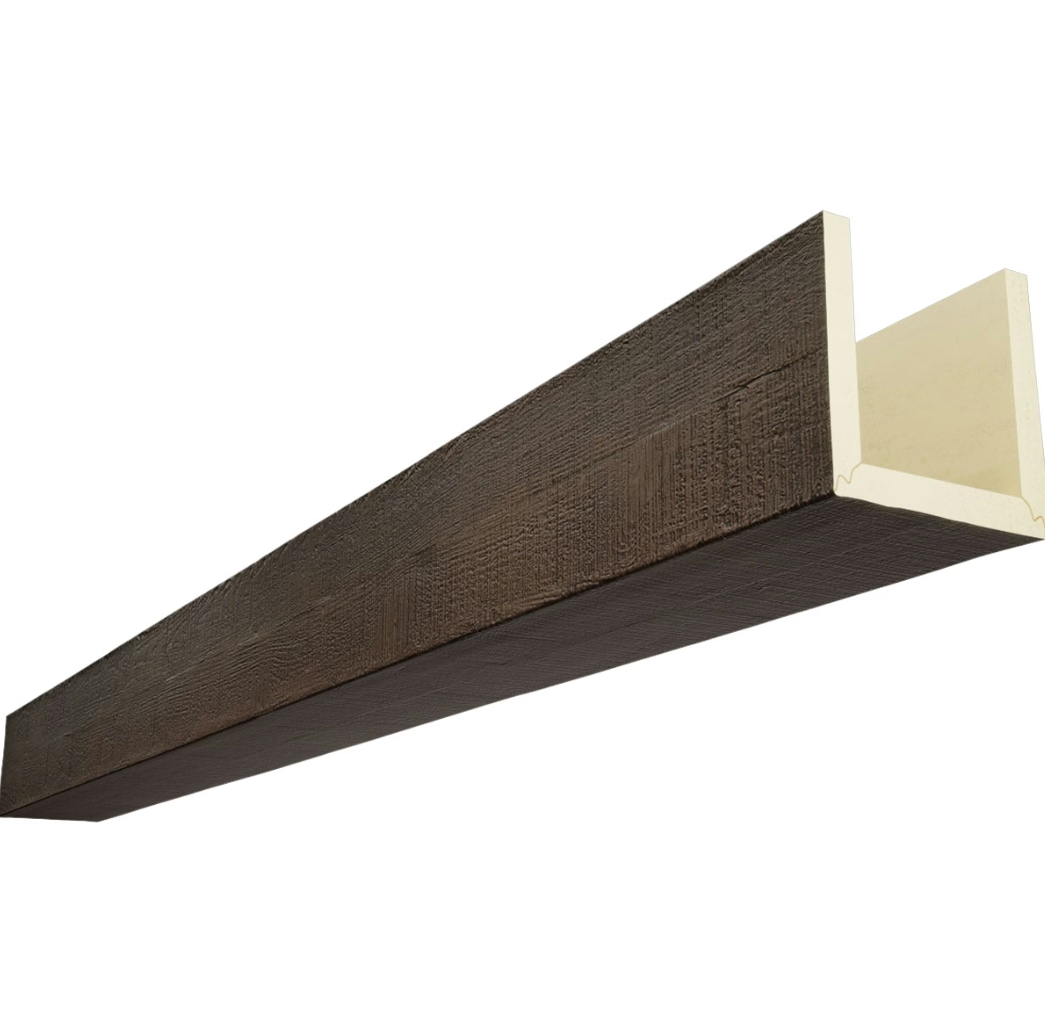
Some installations benefit from beams that appear to perform structural functions they don't actually carry. Installing beams parallel to and between actual structural members creates depth illusions where decorative elements seem load-bearing. This approach suits renovation applications where original timber beams have been removed or never existed.
Varying beam sizes creates hierarchy that suggests genuine structural variety. Mixing primary beams spanning entire ceiling widths with secondary perpendicular beams suggests authentic roof structure that evolved over time. This complexity adds interest while maintaining convincing appearance.
End treatment details contribute significantly to structural illusions. Beam ends cut at angles or featuring traditional timber joinery details enhance authenticity that plain cuts might compromise. Manufacturer accessories including corbels, brackets, and end caps support these detailing approaches.
Weight Advantages for Installation
The substantial visual presence of timber beams often misleads observers about actual weight requirements. Genuine timber beams of ceiling-spanning size require significant structural support, but faux alternatives weigh substantially less while maintaining comparable visual impact. This practical advantage simplifies installation across every dimension.
Reduced weight affects structural requirements correspondingly. Existing ceiling frameworks designed for light loads can accept faux timber beams without reinforcement in many cases. Engineering assessment that genuine timber would require becomes unnecessary, reducing both cost and complexity.
Handling during installation benefits from lightweight materials. Single workers can position beams that genuine timber would require multiple handlers or mechanical assistance to maneuver. This convenience expands installation possibilities to properties where timber beam installation would prove impractical.
Climate and Environmental Performance
Natural timber responds dynamically to environmental conditions, expanding during humid periods and contracting when air dries. This seasonal movement eventually affects appearance and fit, creating gaps, squeaks, or alignment shifts that require attention. Faux timber eliminates these concerns through dimensional stability that organic materials cannot match.
Moisture resistance provides practical advantages in challenging environments. Bathrooms, enclosed porches, and basements present humidity conditions that challenge natural wood durability. Polyurethane beams perform reliably in these applications without the decay concerns affecting organic materials.
Temperature fluctuations produce similar effects across different material types. Polyurethane maintains consistent dimensions throughout normal temperature ranges, eliminating concerns about thermal expansion affecting beam alignment or appearance.
Maintenance and Care Requirements
Faux timber requires minimal ongoing attention compared to genuine wood alternatives. Factory-applied finishes resist scratching, staining, and general wear that would affect natural timber. Occasional cleaning with mild detergents maintains appearance without refinishing requirements that genuine timber demands.
Routine dusting addresses visible accumulation in grain depressions and textured surfaces. Soft brushes reach crevices that flat surfaces might mask. More thorough cleaning occasionally removes accumulated grime in high-exposure applications.
Damage repair possibilities exist for occasional issues. Color-matched repair compounds address chips and scratches that occur despite careful handling. Professional refinishing services restore appearance when damage exceeds repair capabilities, though quality products rarely require such intervention.
Cost Effectiveness Analysis
Initial pricing for quality faux timber beams typically undercuts genuine timber alternatives by substantial margins. Beyond direct material costs, installation expenses decrease due to handling advantages and simplified mounting requirements. These combined savings often enable more elaborate beam configurations than budgets would permit with genuine timber.
Lifetime cost calculations favor synthetic alternatives decisively when considering maintenance requirements. Natural timber requires periodic refinishing, with associated material and labor costs that accumulate over service life. Faux products essentially eliminate these recurring expenses, often recovering any initial cost premium quickly.
Budget allocation should reserve appropriate funds for quality products that satisfy appearance expectations. Attempting cost reduction through inferior products often produces disappointing results that require eventual replacement. The investment in quality pays dividends through lasting satisfaction.
Integration With Other Materials
Stone surfaces establish natural partnerships with timber-toned beams through shared organic origins. Fireplaces, accent walls, and exterior cladding all coordinate with timber beams through color temperature relationships. This material pairing has proven appeal across diverse design styles.
Metal elements in contemporary and industrial applications benefit from timber beam warmth that humanizes otherwise austere materials. Steel beams, iron fixtures, and metal furniture all gain context from organic timber treatment overhead. This contrast creates visual interest through material dialogue.
Natural fiber textiles including leather, wool, and cotton reinforce rustic character that timber beams help establish. Upholstery, window treatments, and decorative accessories in these materials create cohesive environments. Coordinating these elements produces interiors that feel curated rather than accumulated.
Professional Installation Benefits
Complex timber beam installations benefit from professional involvement regardless of homeowner capabilities. Multi-beam compositions, structural integration, and finish coordination all present challenges that experienced installers handle routinely. Professional installation ensures results meeting expectations for visible architectural elements.
Commercial applications virtually always require professional contractors due to liability, scheduling, and quality requirements. Property managers and business owners appreciate documented installation by licensed professionals. This documentation supports warranty claims and provides protection against future issues.
DIY installation remains viable for simpler applications with standard beam profiles and accessible ceiling configurations. The lightweight nature of polyurethane simplifies handling that would challenge workers with genuine timber. However, even simple installations benefit from careful planning and appropriate mounting systems.
Environmental Responsibility Considerations
Environmental assessments for building materials involve nuanced considerations beyond simple comparisons. Extended service life of quality faux products reduces replacement frequency and associated resource consumption. A beam lasting decades through normal use consumes fewer resources than multiple timber replacements.
Manufacturing efficiency minimizes waste compared to timber processing from forest through finished product. Polyurethane production generates less scrap and processes materials more efficiently than traditional woodworking.
Transportation impacts favor lightweight faux products compared to heavy timber alternatives. Reduced shipping weight translates to lower fuel consumption and emissions regardless of distance. This advantage benefits remote project locations particularly.
Selecting Quality Products
Physical sample evaluation provides essential information for informed purchasing decisions. Requesting samples allows direct comparison of texture quality, color accuracy, and finish durability. Samples should be evaluated under actual installation lighting before commitment.
Warranty coverage indicates manufacturer confidence in product performance. Extended warranty periods typically reflect higher production standards. Clear terms specifying covered conditions protect purchaser interests.
Supplier reliability matters beyond product specifications. Communication responsiveness, order accuracy, and problem resolution capabilities distinguish reliable partners from price-only competitors. Building supplier relationships ensures consistent quality across multiple purchases.

Design Flexibility and Future Planning
Contemporary interiors often evolve as occupant preferences shift over time. Beam installations should accommodate potential changes in furniture arrangement, wall colors, and decorative style. Neutral timber tones provide flexibility that more specific treatments might limit.
Relocation potential exists for some beam installations in rental properties or situations where permanence proves undesirable. Lightweight faux beams often permit removal without significant ceiling damage. This flexibility distinguishes synthetic products from genuine timber that might require destructive removal.
Design coherence across multiple spaces benefits from consistent beam treatment throughout homes. Open floor plans require coherent ceiling treatments that maintain visual continuity. Beam configurations can vary appropriately between functional zones while maintaining overall family relationship.
Technical References
ASTM standards cited in every specification
Test Data
Lab results from internal testing program
Updated 2026
Reviewed against current product specs


