The contemporary appetite for authenticity in interior design has driven a remarkable resurgence of interest in reclaimed and weathered wood. Where previous generations prized uniformity and machine perfection, today's design sensibilities celebrate the character marks that distinguish genuinely old timber: the weathering patterns that speak of decades of exposure, the knots that mark former branch connections, the checks and cracks that develop as wood dries and ages. This aesthetic shift has created unprecedented demand for beams that embody these imperfect qualities.
The challenge lies in achieving convincing imperfection. Creating authentic-looking wear patterns requires understanding how genuine wood develops its distinctive characteristics over time. The weathering process, for instance, proceeds differently depending on exposure conditions; timber dried under a roof ages differently than barn boards exposed to decades of direct sun and rain. Quality reproductions must capture these variations convincingly, avoiding the formulaic repetition that would betray synthetic origins.
The Psychology of Imperfect Aesthetics
Understanding why imperfect wood appeals requires examining the emotional responses these surfaces evoke. Authentic aged timber carries the patina of time, suggesting stories and histories that new materials cannot match. A beam marked by weathering and use implies a narrative—decades of service, survival through storms and seasons, transformation from structural necessity to aesthetic treasure.
This narrative quality affects how people experience spaces decorated with aged materials. The presence of weathered wood creates psychological comfort, suggesting stability and permanence in a world of disposable goods and temporary solutions. Commercial spaces leverage this effect deliberately, using reclaimed wood and timbers to convey established legitimacy and earned character.
The imperfect aesthetic also connects interior spaces to natural processes and organic materials. In an era of synthetic everything, the presence of real wood—even convincing faux wood—provides tactile and visual contact with natural materials that many find soothing and grounding. The imperfections become reminders that beauty need not require perfection, that character emerges from time and use rather than engineering precision.
Reproducing Authentic Weathering Patterns
The technical challenge of creating convincing weathering effects requires understanding the natural processes that create them. UV exposure breaks down lignin on wood surfaces, gradually bleaching the material and creating the characteristic gray tones of aged exterior timber. This bleaching proceeds unevenly, with some areas affected more than others based on moisture exposure, biological growth, and surface orientation.
Premium faux beams reproduce these patterns through multi-step manufacturing processes. Initial texture creation captures the basic surface characteristics of aged timber—the rough texture of weathered surfaces, the smoothing that occurs in handled areas, the distinctive patterns around fasteners and connections. Subsequent finishing processes add color variations that simulate the differential weathering found in genuinely old timber.
The most convincing reproductions include variations between and within individual beams. No two pieces of genuine timber weather identically, and reproductions that appear too uniform immediately read as artificial. Quality control processes should ensure sufficient variation to satisfy close inspection while maintaining overall aesthetic coherence across an installation.
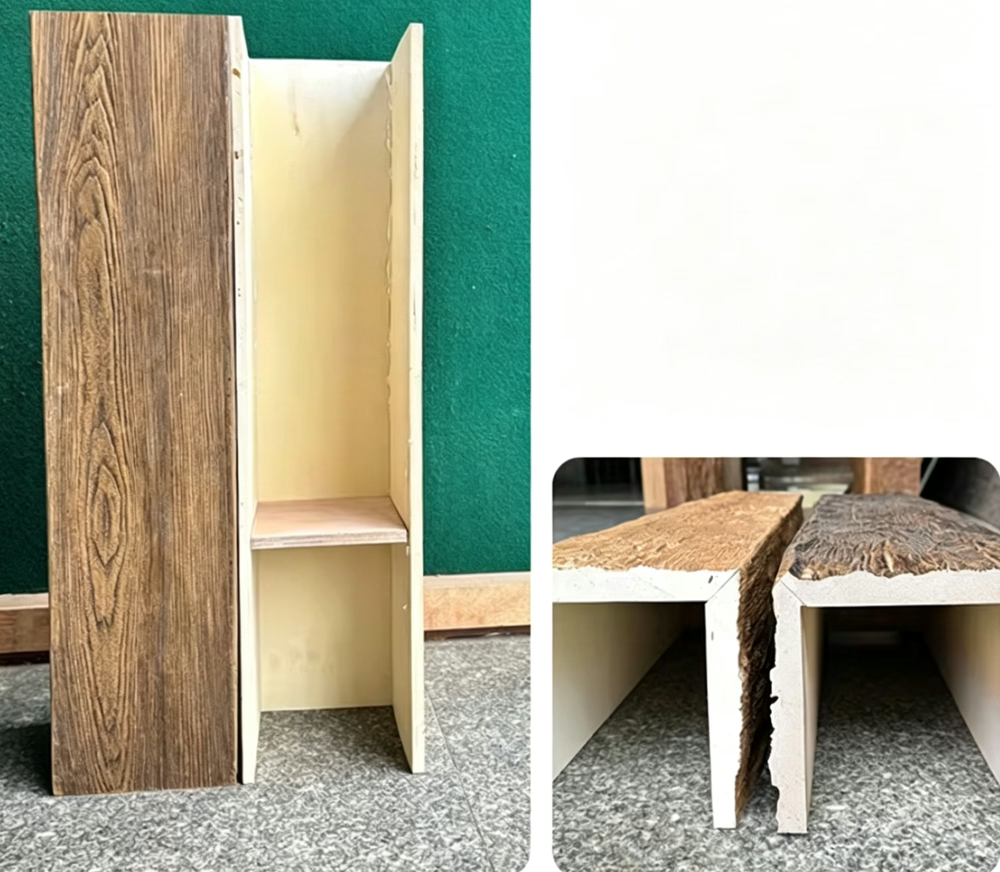
Knots: Markers of Organic Origins
Knots represent perhaps the most distinctive character feature in wood, marking locations where branches once grew from the tree. Their appearance varies dramatically based on the wood species, the knot's position in the log, and how the timber was cut. Some knots appear as tight, well-defined circles; others spread into elongated ovals with radiating checks and cracks.
The reproduction of convincing knots requires attention to both visual and tactile qualities. A knot's visual signature includes the distorted grain patterns that swirl around it, the color variations from darker heartwood to lighter surrounding wood, and the distinctive checks that often radiate from the knot center. Tactile qualities include the slight depression often found at knot centers and the raised grain that can surround well-defined knots.
Placement and frequency of knots affects authenticity. In genuinely aged timber, knots appear at irregular intervals with varying sizes and degrees of definition. A beam covered uniformly with identical knots would immediately suggest artificial repetition. Quality reproductions include varying knot sizes, different levels of definition, and irregular spacing that mimics natural wood's variability.
Checks, Cracks, and Structural Imperfections
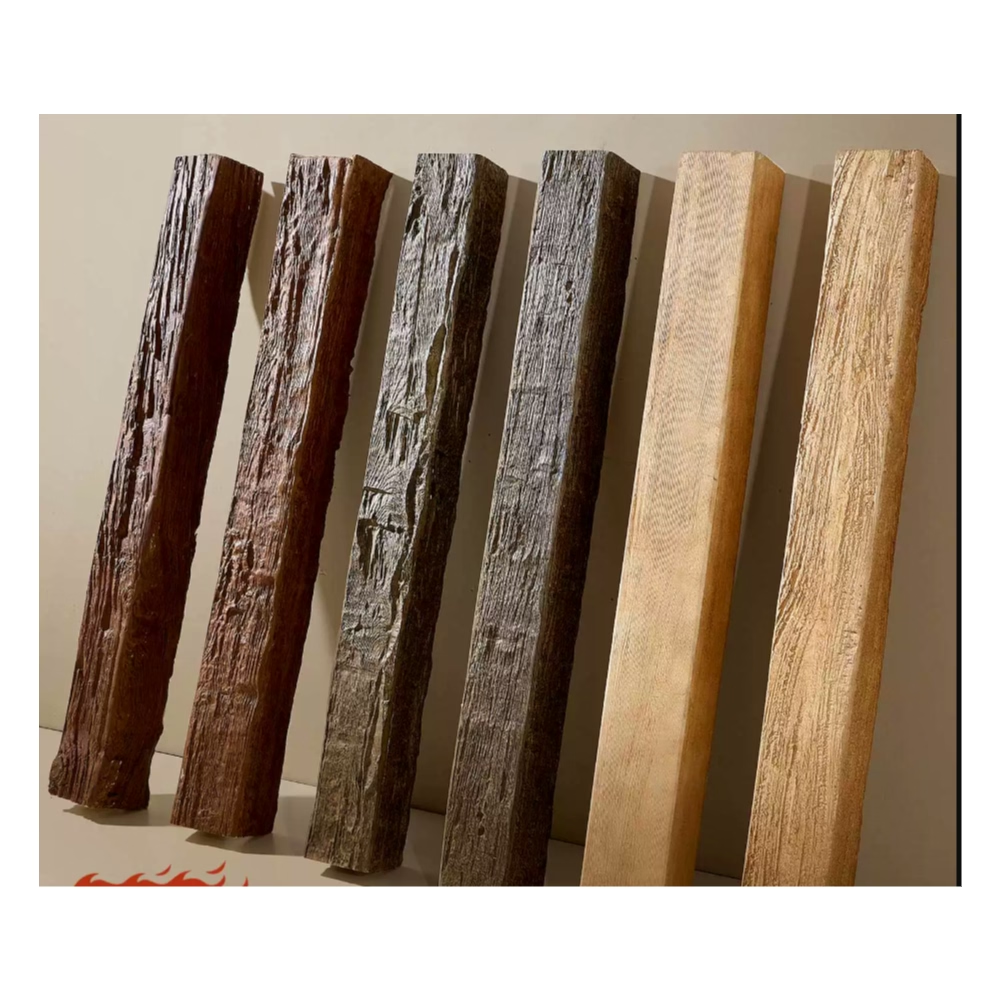
The drying process that transforms freshly-sawn timber into stable lumber creates distinctive features that quality reproductions must address. Checks—cracks that follow grain direction—and larger splits that may penetrate deeply into the beam represent natural wood behavior as internal stresses release during moisture loss. These features often develop more prominently in certain species and in timber dried under less controlled conditions.
Reclaimed timber often displays these features more dramatically than new lumber, as the wood has undergone additional stress cycles during its service life. The combination of original drying checks with those developed during years of structural use creates complex crack patterns that convey authenticity. Quality faux beams reproduce this complexity through careful surface treatment and strategic crack placement.
The depth and character of cracks affects their visual impact. Superficial surface checks add texture without breaking beam continuity. Deeper splits that penetrate significantly into the beam create more dramatic character but require careful reproduction to avoid appearing as damage rather than authentic aging. The best reproductions achieve visual interest through subtle features rather than dramatic damage that would suggest structural compromise.
Integrating Imperfect Beams into Design
The rustic character of imperfect beams suits particular design contexts more than others. Farmhouse, lodge, cabin, and industrial aesthetics embrace weathered wood as a foundational design element, incorporating beams throughout spaces to establish the desired atmosphere. In these contexts, beams with significant character features contribute to overall design coherence rather than appearing as damage in otherwise refined spaces.
More transitional or eclectic interiors can incorporate imperfect beams as accent elements rather than dominant features. A single beam with dramatic character might serve as a focal point above a dining table or fireplace, contributing rustic interest without overwhelming more refined surrounding elements. The strategic placement allows the beams to provide character rather than defining the entire space's aesthetic.
Contemporary and minimalist interiors present the greatest challenge for weathered beam integration. These design approaches typically emphasize clean lines, smooth surfaces, and refined materials—characteristics that conflict with rustic timber aesthetics. However, some contemporary designs successfully incorporate limited weathered wood elements as contrast against otherwise pristine surfaces, using the material's organic texture to warm spaces that might otherwise feel sterile.
Balancing Character and Cohesion
The most successful imperfect beam installations achieve balance between character and cohesion. Too little character—beams that appear too perfect and new—fail to deliver the authenticity the aesthetic promises. Too much character—beams with overwhelming damage or inappropriate features—creates spaces that feel neglected rather than intentionally rustic.
Professional designers often specify character levels explicitly when ordering beams for projects. These specifications address knot frequency and size, weathering intensity, crack presence and depth, and other character-defining features. Understanding these specifications helps ensure that delivered materials match design intent, avoiding both disappointment with overly subtle results and overwhelm with inappropriately dramatic features.
Viewing samples before committing to large purchases provides the most reliable basis for character assessment. Photographs and descriptions can suggest general appearance levels but cannot convey the tactile qualities and subtle variations that distinguish premium reproductions from budget alternatives. Most manufacturers and suppliers willingly provide samples for evaluation, making informed decisions possible before substantial investments.
Long-Term Appearance Maintenance
Unlike genuine reclaimed timber, which continues aging and evolving throughout its service life, quality faux beams maintain their initial appearance indefinitely. This characteristic eliminates the uncertainty that affects natural wood outcomes while providing reliable aesthetic results for design professionals and homeowners alike.
The consistent appearance of synthetic beams proves particularly valuable in commercial applications where customer and guest expectations must be reliably satisfied. A restaurant or hotel featuring imperfect wood beams can trust that those beams will look the same next month and next year, without the gradual evolution that affects genuine reclaimed materials. This predictability simplifies design and marketing efforts by eliminating concerns about changing appearances over time.
For those who appreciate genuine reclaimed timber's evolving beauty, synthetic alternatives offer a different value proposition: permanent preservation of a specific aesthetic moment. Rather than accepting whatever transformation time brings to genuine wood, polyurethane beams maintain their initial character indefinitely, whether that character involves dramatic weathering or more subtle aged qualities. This permanence provides certain benefits alongside the loss of natural evolution.
Technical References
ASTM standards cited in every specification
Test Data
Lab results from internal testing program
Updated 2026
Reviewed against current product specs


