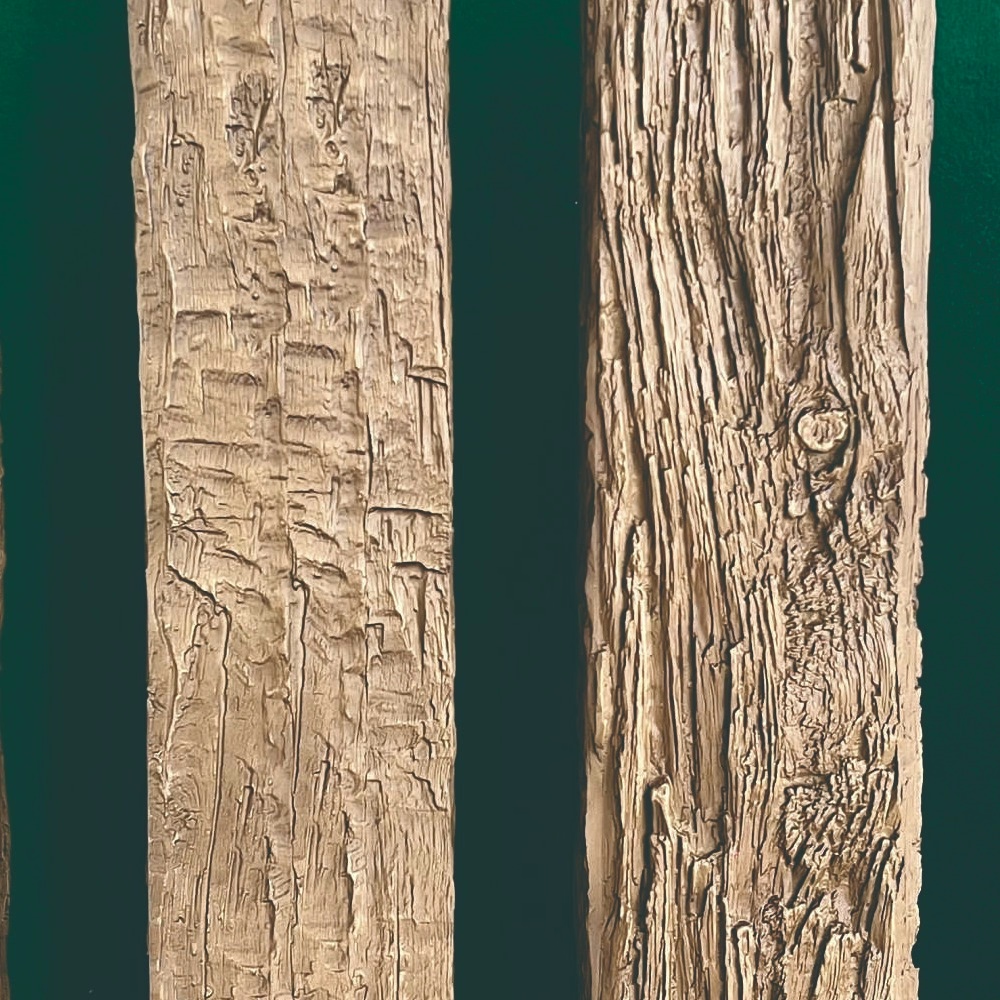
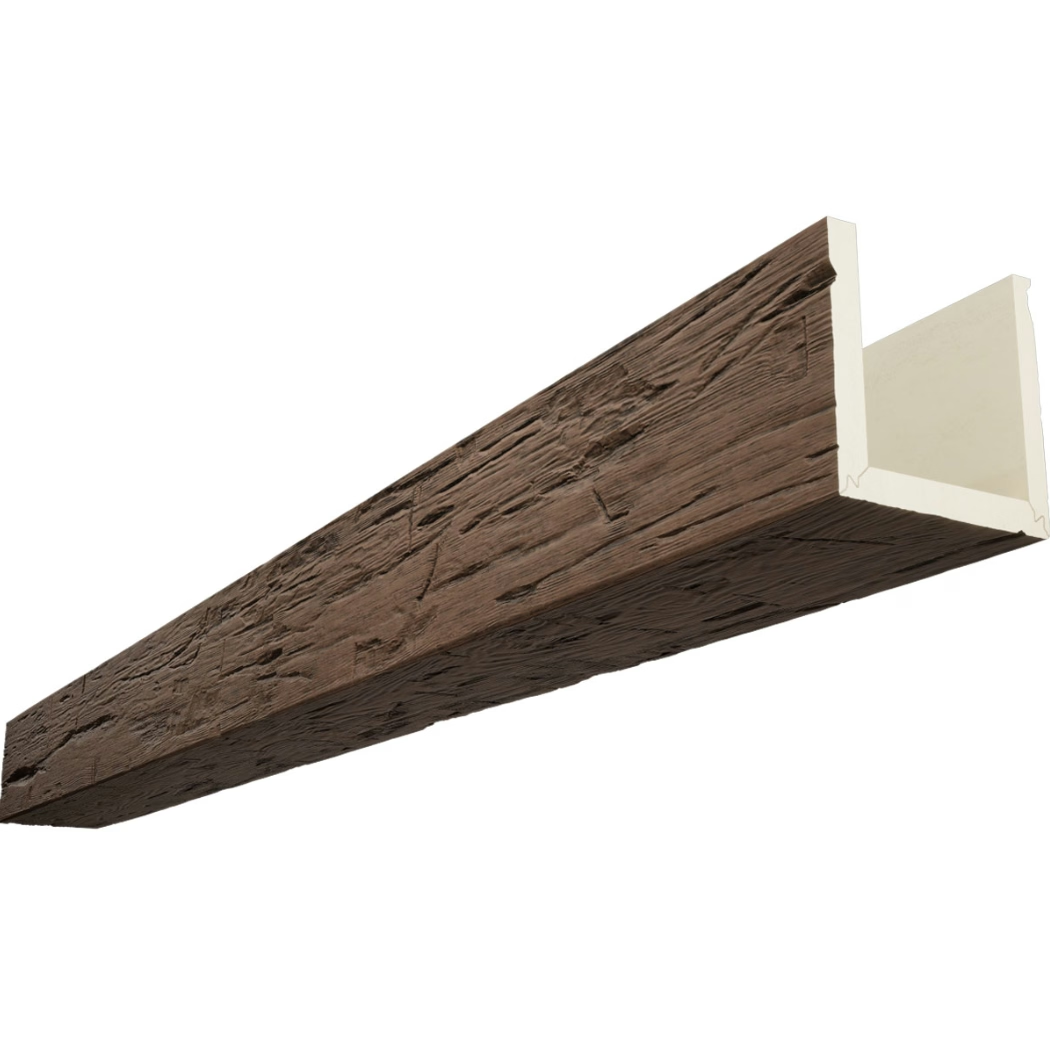
The visual demands of film and television production require set elements that withstand demanding conditions while maintaining convincing appearance under the scrutiny of high-resolution cameras. Period dramas set in medieval great halls, contemporary offices seeking warmth, and rustic taverns all benefit from the authentic character that timber beams provide. Yet genuine timber often proves impractical for production environments where elements must be moved, adjusted, and occasionally subjected to performer contact or special effects.
Modern polyurethane faux beams have emerged as the preferred solution for production designers seeking timber aesthetics without the practical limitations of genuine wood. These materials have proven themselves across thousands of productions, from independent features to major studio blockbusters, earning acceptance through reliable performance under production conditions. The combination of convincing appearance and practical durability makes polyurethane the material of choice for contemporary set construction.
Production Requirements for Set Materials
Film and television production imposes unique demands on set materials that differ dramatically from residential or commercial building applications. Equipment movement throughout sets creates bumping and scraping hazards that would damage delicate materials. Performer activity brings furniture and architectural elements into contact with bodies, bags, and props. Lighting generates significant heat that affects some materials. All of this occurs while cameras capture every detail at resolutions that expose flaws invisible to casual observation.
Durability requirements for production materials extend beyond mere structural integrity. Set pieces must maintain consistent appearance across multiple takes, multiple shooting days, and potentially across weeks or months of production schedules. Materials that show handling marks, accumulate dust visibly, or change appearance under lighting conditions create continuity problems that consume valuable production time in cleanup and touch-up.
Weight affects production logistics significantly. Sets must be built, struck, and rebuilt repeatedly throughout production schedules. Heavy materials require more equipment and personnel to move, increasing costs and slowing production tempo. The ideal production material combines lightweight handling with sufficient substance to appear convincing on camera and withstand typical production abuse.
Polyurethane Performance in Production Environments
Polyurethane faux beams address production requirements through material properties specifically suited to demanding environments. Surface hardness resists the scratching and marring that occurs when equipment, cases, and bodies contact set elements. Impact resistance handles the occasional collisions that occur on busy sets without cracking or denting in ways that would require repair before the next shooting day.
The lightweight nature of polyurethane simplifies all handling aspects of set construction and strike. A crew member can carry multiple beams for distribution throughout a set, where the same task with genuine timber might require two people and potentially lifting equipment. This handling advantage compounds throughout production timelines, with cumulative time savings that affect production budgets significantly.
Lighting compatibility proves essential for production materials. Some materials react poorly to the intense heat generated by film lighting, softening, warping, or off-gassing in ways that create safety concerns and appearance problems. Polyurethane formulations designed for production use resist thermal effects, maintaining dimensions and appearance under extended lighting exposure without the concerns that affect less suitable materials.
Appearance Requirements for Camera
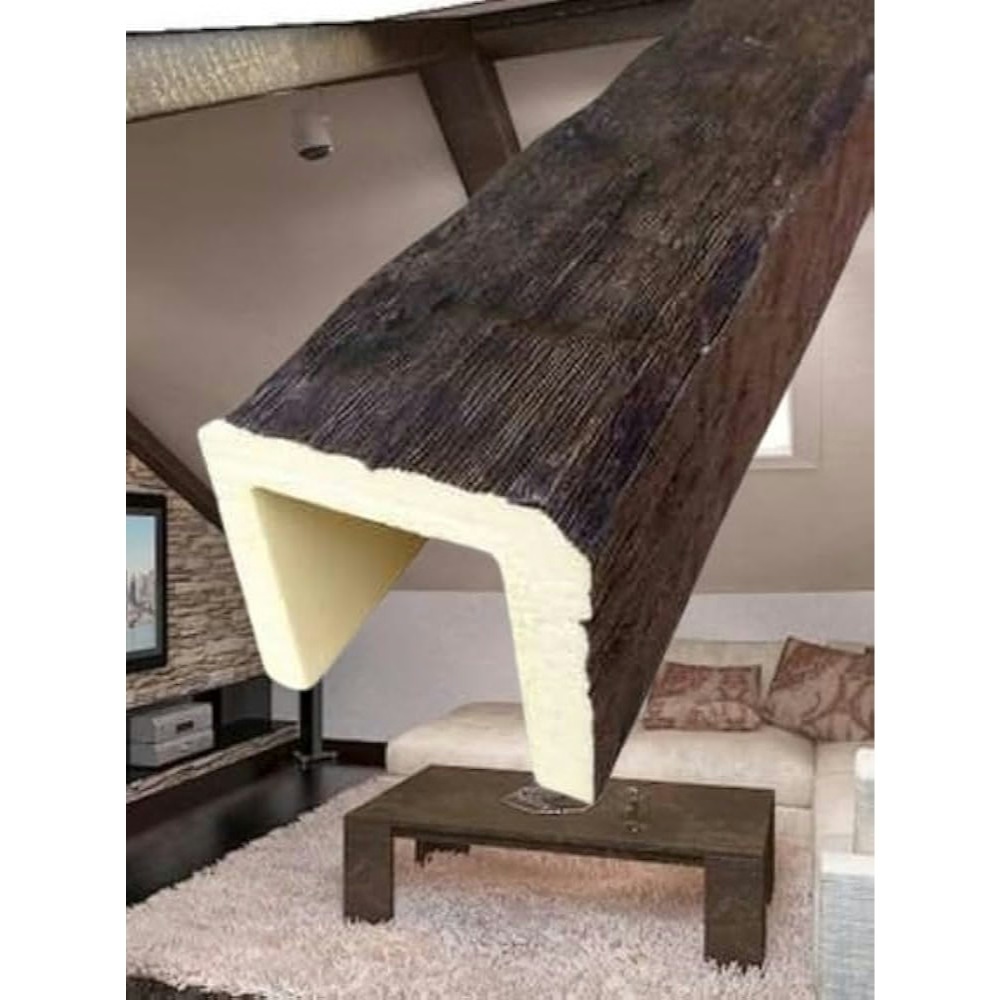
The appearance standard for production materials operates at a different level than residential or commercial applications. High-resolution cameras reveal details invisible to casual observation, including subtle texture patterns, surface inconsistencies, and material behaviors that would pass unnoticed in person. Set elements must meet these elevated standards consistently throughout production schedules.
Quality polyurethane beams achieve the surface detail necessary for convincing camera appearance. Grain patterns reproduce at resolutions that satisfy close-up shots as well as wide establishing views. Color consistency within and between beams prevents visible variation on camera. Edge treatments and joint details withstand scrutiny without appearing manufactured or artificial.
The ability to customize appearance extends to production-optimized polyurethane. Staining, painting, and distressing techniques allow set decorators to achieve specific looks ranging from pristine contemporary finishes to heavily weathered historical character. These treatments can be applied after installation when necessary, adapting set appearance to evolving creative requirements without replacing underlying materials.
Variety and Availability for Production Needs
Production design benefits from the extensive variety available in polyurethane beam products. Multiple wood species appearances, ranging from pale maple through rich walnut, provide options for different aesthetic requirements. Profile variations from simple rectangular shapes to elaborate architectural moldings allow appropriate selection for different historical periods and design styles.
Custom fabrication capabilities address unique production requirements that standard products cannot satisfy. Specialty sizes, unusual profiles, and specific appearance targets can be achieved through custom manufacturing processes. Lead times and costs increase for custom work, but the ability to achieve precise creative vision often justifies these investments for significant set elements.
Availability in quantities needed for large-scale productions represents another practical advantage. Unlike reclaimed timber, which may be scarce and variable, polyurethane beams can be manufactured in whatever quantities production schedules require. This reliability simplifies planning and reduces the contingencies that productions must maintain against material shortages.
Budget Considerations for Production Applications
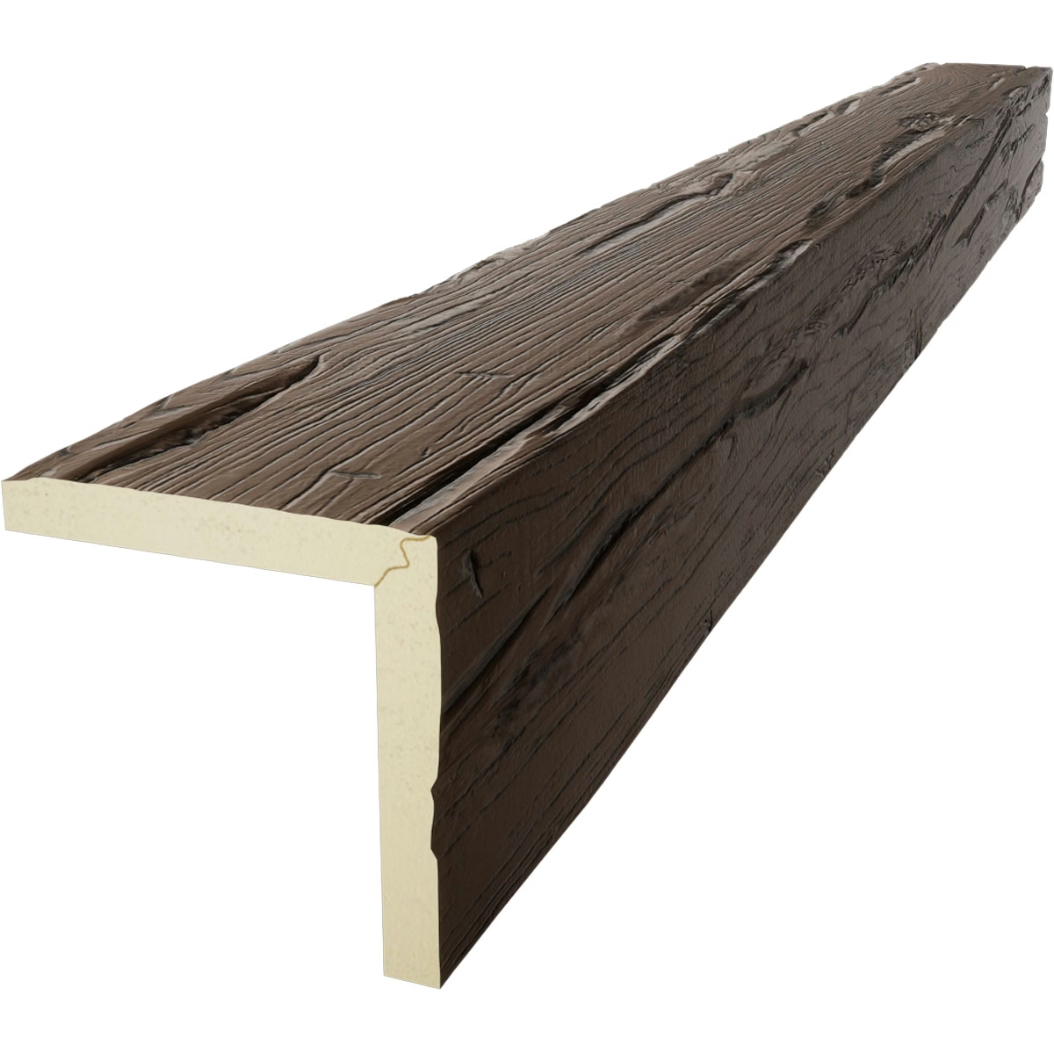
Production budget pressures drive material selection decisions across all production types. The cost comparison between polyurethane beams and genuine timber consistently favors synthetic alternatives for decorative applications. Beyond material costs, the handling advantages, durability characteristics, and maintenance simplicity all contribute to lower total installed costs.
Set construction budgets must account for not only initial material costs but also maintenance and replacement expenses throughout production. Natural wood elements require care and occasional repair that consume production resources. Polyurethane's durability and consistency reduce these ongoing costs, contributing to more predictable budget performance.
Rental options provide additional flexibility for productions with limited budgets or one-time needs. Equipment rental companies and set houses maintain inventories of polyurethane beams available for rental, allowing productions to access quality materials without capital investment. This option proves particularly valuable for independent productions or short-term installations.
Practical Handling and Installation
Set construction environments present unique challenges for material installation. Productions often build sets in stages, with elements added, moved, or removed as creative requirements evolve. Polyurethane beams accommodate this iterative process better than rigid timber alternatives, with installation methods that allow adjustment and removal without damage.
Fastening approaches for production sets emphasize security while allowing eventual removal. Construction adhesive provides strong bonds without requiring visible fasteners. Mechanical fasteners can be concealed within beam profiles or positioned where post-removal patching will be simplified. The specific approach depends on installation duration, anticipated removal requirements, and finish considerations.
Coordination with other set elements—lighting positions, camera angles, performer staging—should inform beam placement. Productions benefit from reviewing beam locations with all departments before installation commitment, ensuring that the chosen arrangement serves overall production needs rather than creating conflicts that would require later adjustment.
Technical References
ASTM standards cited in every specification
Test Data
Lab results from internal testing program
Updated 2026
Reviewed against current product specs