The professional quality of YouTube content has escalated dramatically, with creators investing substantial resources in equipment, lighting, and studio environments. A significant component of perceived production quality derives from the visual backdrop against which content is filmed. Backgrounds that appear established, professional, and visually interesting elevate content perception, while cheap or generic backgrounds undermine even excellent production values.
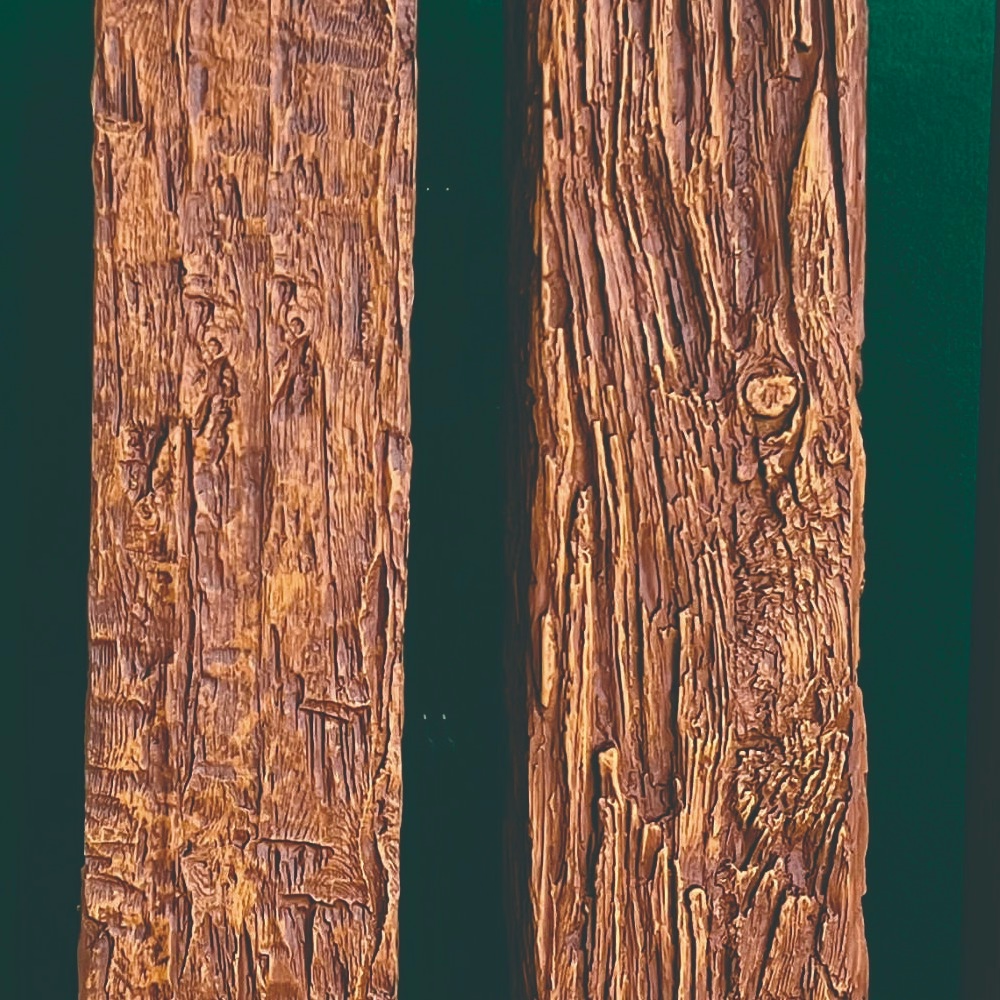
Wood beams represent a particularly effective background element, conveying warmth, craftsmanship, and a sense of established authenticity. The organic texture of wood creates visual interest that plain walls cannot match, while the vertical lines of ceiling beams draw attention and create depth perception. These qualities benefit creators across content categories, from educational channels seeking approachable professionalism to lifestyle content emphasizing comfortable, curated environments.
The practical challenges of genuine wood in home studio environments, however, have historically limited its use. Home studios often occupy spaces not designed for significant structural additions. Studios in rented spaces cannot modify buildings structurally. The weight, cost, and maintenance demands of genuine timber may simply exceed what individual content creators can justify for background elements that serve purely aesthetic purposes.
Professional Aesthetics for Individual Creators
Professional studio design has traditionally required significant capital investment and specialized knowledge, creating barriers that excluded individual content creators from achieving comparable aesthetics. Modern material options, including polyurethane faux beams, have democratized professional studio design, enabling creators with modest budgets to achieve results that previously required substantial investment.
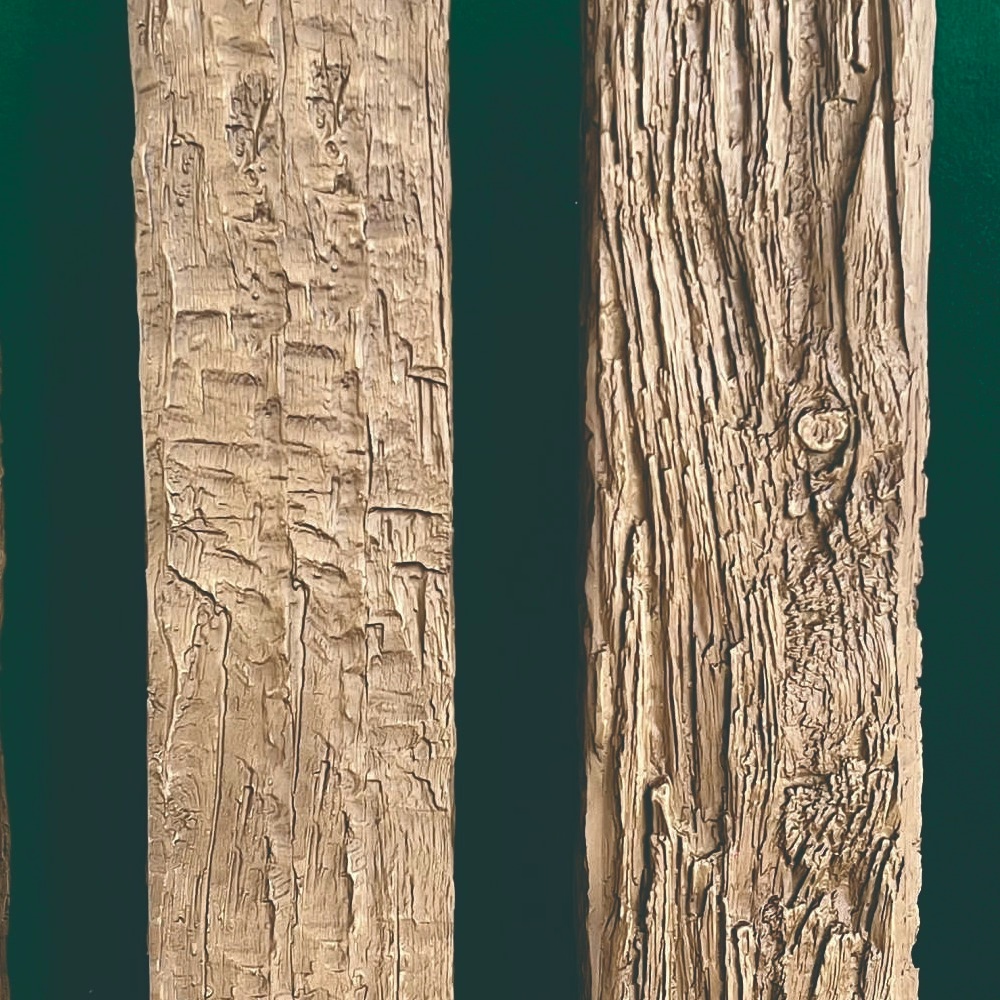
The visual quality that quality faux beams provide satisfies the requirements of modern video production. High-resolution cameras capture fine detail that would expose cheap imitations, requiring materials capable of standing up to scrutiny. Quality polyurethane reproductions meet these standards, providing backgrounds that appear convincing even during close-up shots and detailed demonstrations.
Beyond initial appearance, professional backgrounds must maintain consistent quality throughout recording sessions and across extended production periods. Polyurethane beams resist the scratches, marks, and wear that would accumulate on genuine wood during normal studio use, maintaining professional appearance through thousands of recording hours without requiring touch-up or replacement.
Installation Flexibility for Home Studios
Home studio installations often face constraints that traditional construction projects do not encounter. Rented spaces prohibit permanent modifications. Residential ceilings may lack structural capacity for genuine timber. Studio spaces may serve multiple purposes, requiring elements that can be removed when not filming. Polyurethane beams address all these constraints through installation approaches designed for flexibility.
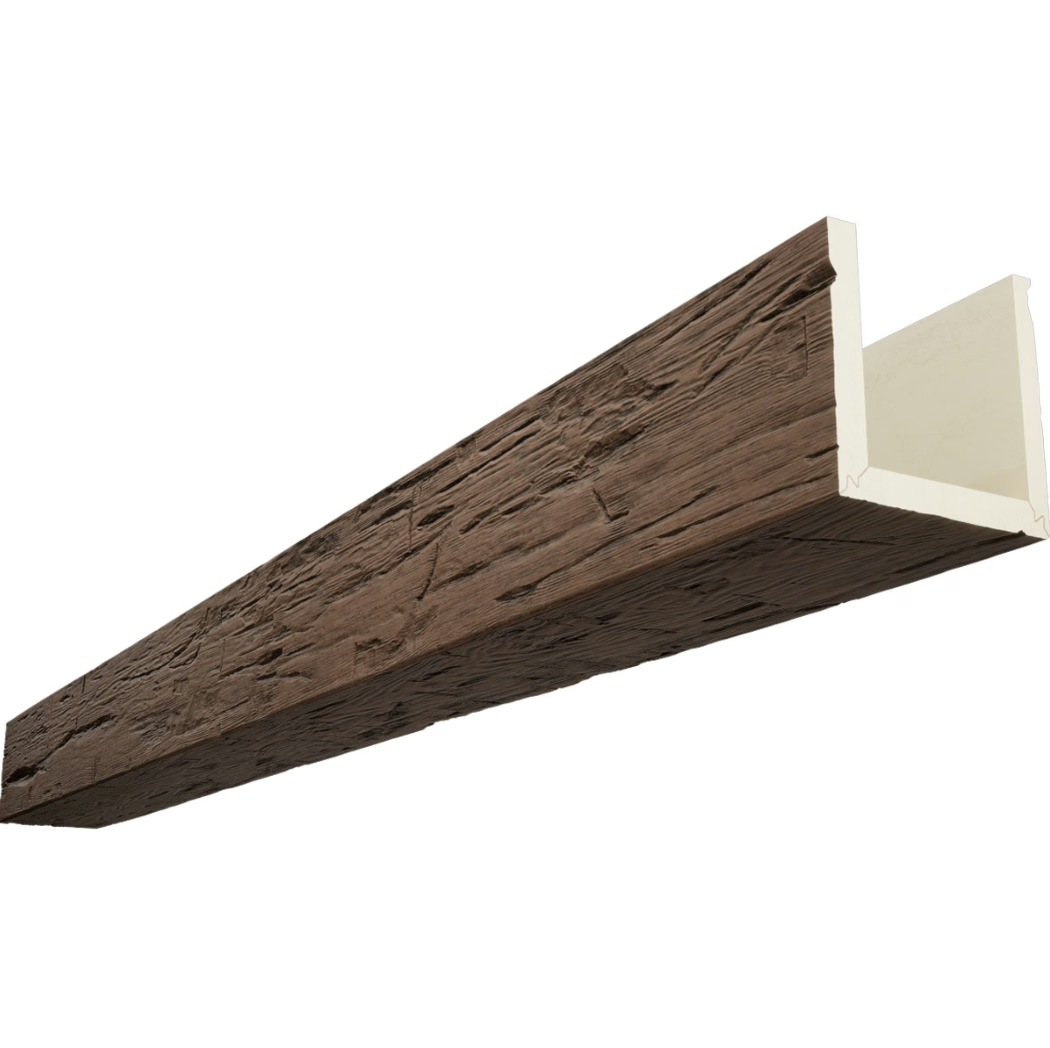
Adhesive mounting provides secure attachment without requiring fastener penetration into structural elements. Construction-grade adhesive bonds create lasting connections while allowing removal without damaging underlying surfaces when leases expire or spaces change purpose. This mounting approach accommodates both ceiling and wall installations, enabling creative background designs that extend beyond traditional beam ceiling configurations.
The lightweight nature of polyurethane simplifies all handling aspects of studio installation. A single creator can accomplish installations that would require helpers for genuine timber. The reduced structural requirements mean that beams can be mounted to ceiling surfaces without engineering assessment or reinforcement. These practical advantages make ambitious studio aesthetics achievable without specialized construction knowledge.
Camera Optimization Considerations
Professional video production demands attention to how background elements perform under camera and lighting conditions. Materials that look excellent in person may photograph poorly, with glare, reflections, or color rendering issues that create problems for post-production. Polyurethane beams designed for video production address these camera-specific requirements.
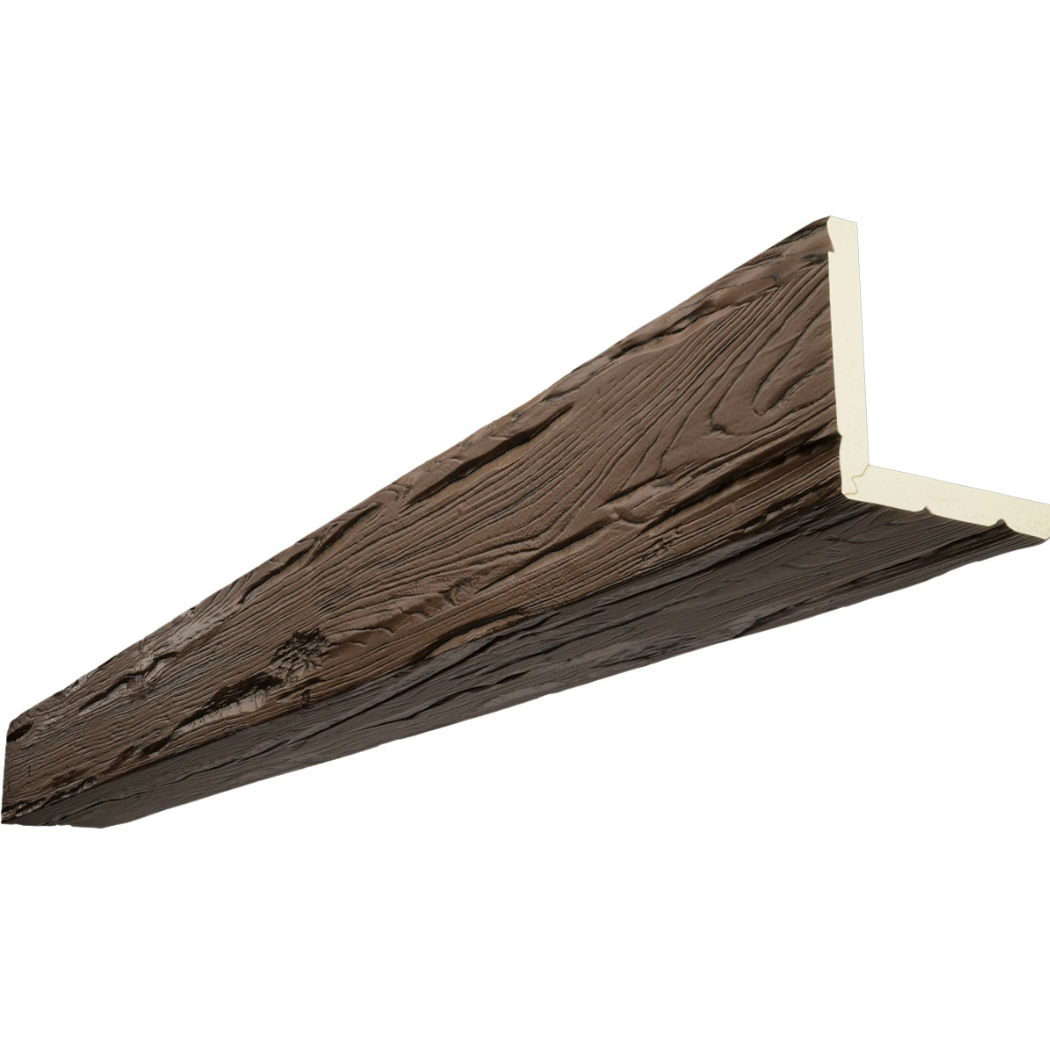
Surface finishes for video-optimized products consider how lighting interacts with beam surfaces. Direct lighting from key lights can create unwanted reflections on glossy surfaces, while appropriately matte finishes minimize these problems. The best products balance surface durability with camera-optimized light behavior, ensuring that beams contribute positively to video quality rather than creating technical challenges.
Color selection should account for how specific tones will render on camera and in final output. Wood tones that appear warm and natural in person may read as orange or muddy on video depending on camera color science and lighting color temperature. Testing beam samples under actual production conditions provides the most reliable basis for color selection, ensuring that chosen materials work well with specific equipment and workflows.
Background Design Strategies
Effective studio backgrounds balance visual interest with appropriate restraint. Backgrounds that compete with foreground content for viewer attention undermine communication effectiveness. The most successful studio designs establish atmosphere and perceived quality while remaining subordinate to the primary content being filmed.
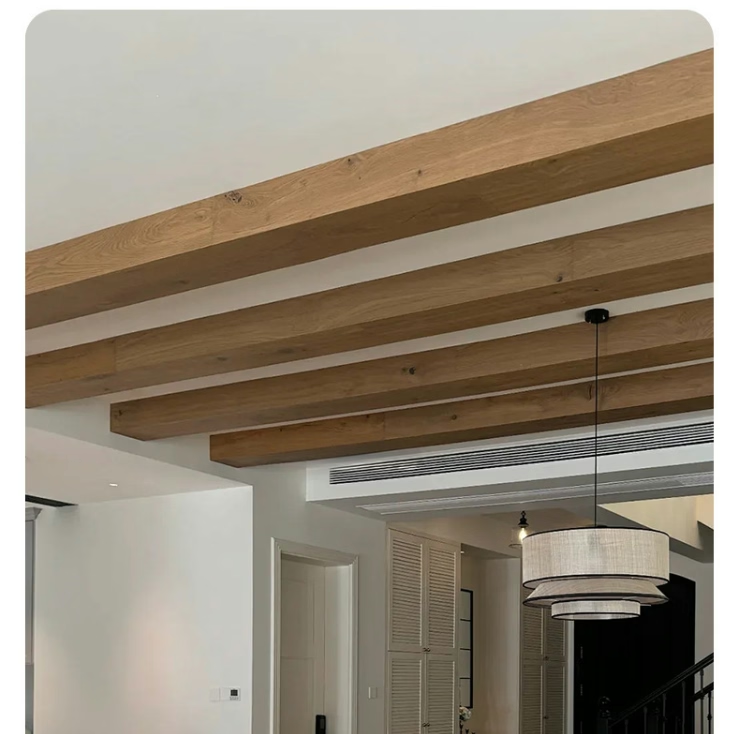
Beam installation patterns significantly affect background visual impact. Parallel beams create formal, organized appearances suitable for business and professional content. Crossing or intersecting beams add complexity and visual interest, appropriate for creative and lifestyle content. The specific pattern should align with content category and overall channel aesthetic.
Integration with other background elements creates cohesive studio designs. Wood beams coordinate naturally with brick, stone, plants, and other organic materials, creating layered backgrounds with visual richness. Coordination with furniture, shelving, and display elements establishes complete environments rather than isolated features.
Practical Advantages for Content Creators
The practical advantages of polyurethane beams align particularly well with content creator needs. Studios require frequent reconfiguration as content strategies evolve, channel aesthetics change, or new content categories emerge. Lightweight, easily installed beams accommodate this flexibility, allowing studio redesigns without the commitment that genuine timber installations would require.
The maintenance-free nature of polyurethane eliminates concerns about appearance deterioration during recording sessions. Genuine wood might show handling marks, accumulate dust visibly, or require periodic treatment to maintain appearance. Polyurethane beams maintain consistent appearance regardless of how frequently the studio is used, eliminating these maintenance obligations from already busy creator schedules.
The investment durability of quality beams provides long-term value for creators planning extended content careers. Unlike equipment that becomes obsolete as technology advances, aesthetic elements maintain their utility across equipment generations. Quality beams installed today will continue serving studio needs for decades, representing a long-term investment in professional environment quality.
Budget Planning for Studio Installations
Studio decoration budgets should account for complete project costs rather than material prices alone. Polyurethane beams typically cost less than genuine timber alternatives, but installation supplies, lighting modifications, and potential professional installation services add to total project expense. Accurate budgeting requires comprehensive scope assessment before purchase commitment.
The cost-per-use calculation favors quality materials despite higher initial prices. A beam that maintains appearance for ten years costs less per year than a cheaper alternative requiring replacement after three years. This calculation proves particularly relevant for creators with established channels and long-term content plans, where durability investments return value over extended production periods.
Professional installation services, while adding to project costs, may provide value for complex installations. Studios with unusual configurations, extensive coverage areas, or integration requirements with existing elements may benefit from experienced installers who can anticipate and address challenges. The specific circumstances of each project should guide decisions about professional versus DIY installation approaches.
Technical References
ASTM standards cited in every specification
Test Data
Lab results from internal testing program
Updated 2026
Reviewed against current product specs