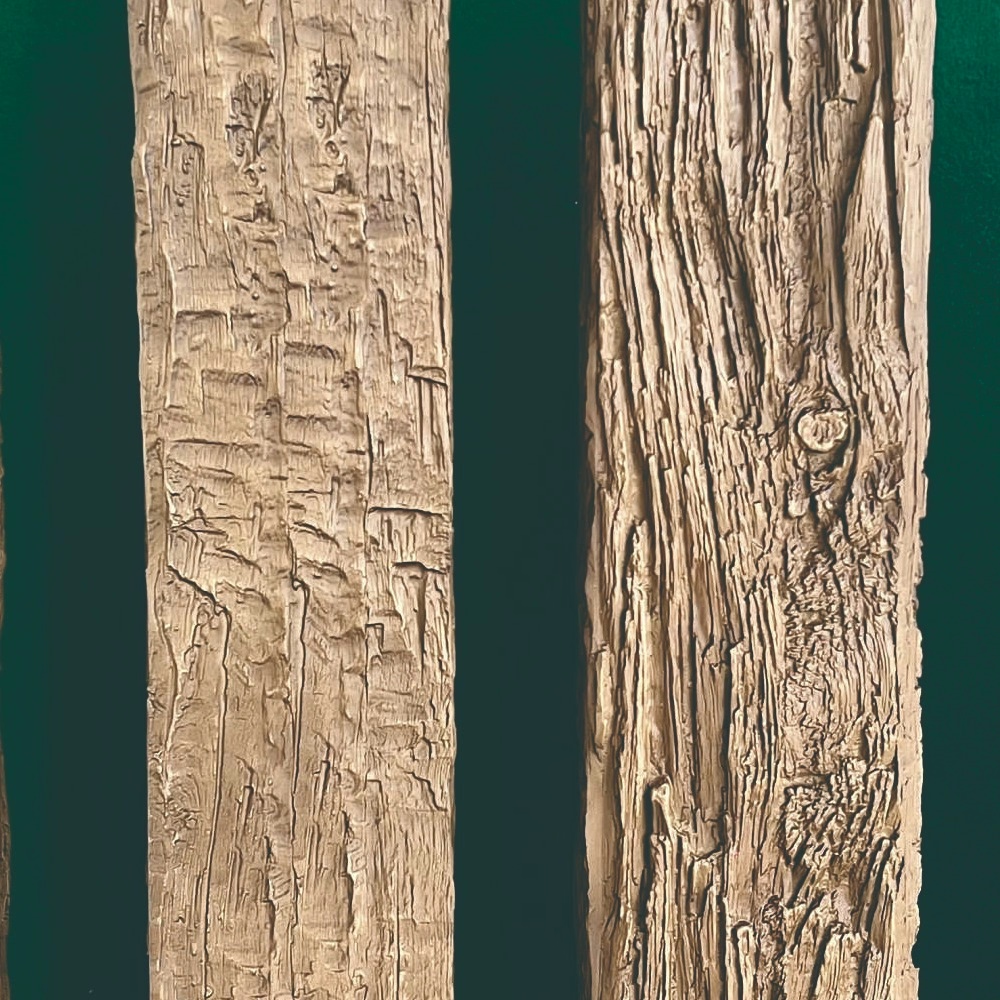
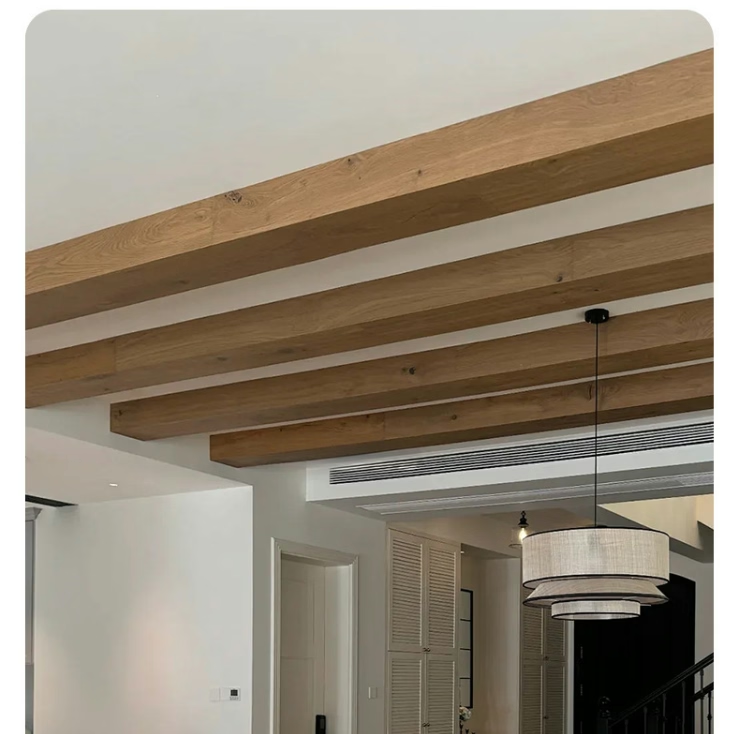
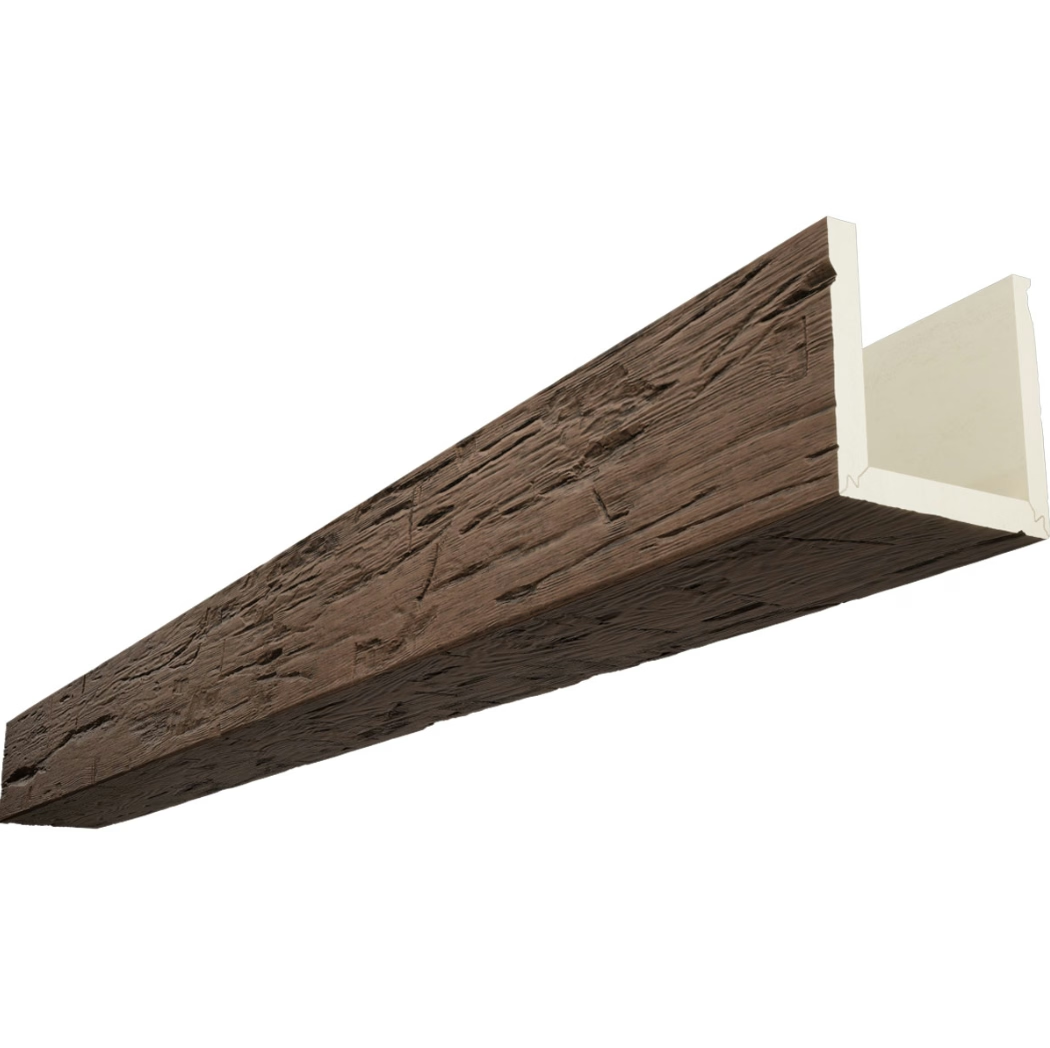
Professional television production demands set elements that withstand intense scrutiny while maintaining consistent appearance across extended production schedules. Background elements visible during news broadcasts, talk shows, and dramatic productions must appear convincing under studio lighting, camera angles, and the inevitable wear that production activities impose. Wood beams provide warm, established aesthetics that many productions seek, but genuine timber often proves impractical for the demanding conditions of television studio environments.
Modern PU resin faux wood beams have been specifically engineered to meet the requirements of professional production, combining convincing appearance with practical performance characteristics that studio operations demand. These materials have earned acceptance across broadcast, streaming, and film production through reliable performance in demanding applications. The combination of aesthetic quality and practical durability makes them the preferred choice for production designers seeking authentic wood effects in studio environments.
Television Production Requirements
Television production imposes unique demands on set materials that differ substantially from residential, commercial, or even film production contexts. Understanding these requirements helps explain why specialized materials have emerged for broadcast applications.
Lighting intensity in television studios far exceeds typical architectural lighting, with multiple key lights, fill lights, and specialty fixtures creating substantial heat and illumination exposure. Materials that react poorly to these conditions—discoloring, warping, off-gassing—create safety concerns and appearance problems that compromise production quality. Quality PU resin formulations resist these effects, maintaining dimensions and appearance through extended lighting exposure.
Camera resolution in modern television production reveals details invisible to casual observation, requiring set elements that withstand scrutiny at close range and through telephoto lenses. Texture inconsistencies, color variations, and surface artifacts that might pass unnoticed in person become obvious on high-resolution cameras. Quality production materials are specifically designed to satisfy these elevated appearance standards.
Duration requirements differ between television and film production. Television series may run for years, with the same sets used continuously across hundreds of episodes. Materials must maintain consistent appearance through this extended service without the deterioration that would require repair or replacement during production runs. The reliability requirements for television materials exceed those of most other applications.
PU Resin Formulation Advantages
The specific formulation of PU resin for production applications incorporates characteristics that address television requirements directly. These formulations balance multiple properties to achieve the combination of appearance, durability, and workability that professional applications demand.
Density optimization for production applications provides realistic weight and substance without exceeding practical handling limits. The specific density targets balance camera appearance with physical workability, ensuring that beams feel appropriately substantial on camera while remaining light enough for efficient handling during set changes.
Surface hardness in production-optimized formulations resists the scratching and marring that occurs when set elements contact equipment, cases, and personnel during busy production days. This scratch resistance maintains appearance through extended use without the constant repair and touch-up that softer materials would require. The specific hardness levels balance durability with repairability, allowing touch-ups when necessary without requiring surface replacement.
Thermal stability ensures that production-optimized materials maintain dimensions and appearance under studio lighting conditions. Some materials soften or deform when heated, creating safety hazards and appearance problems. Quality PU resin formulations maintain stability across the temperature ranges encountered in professional studio environments.
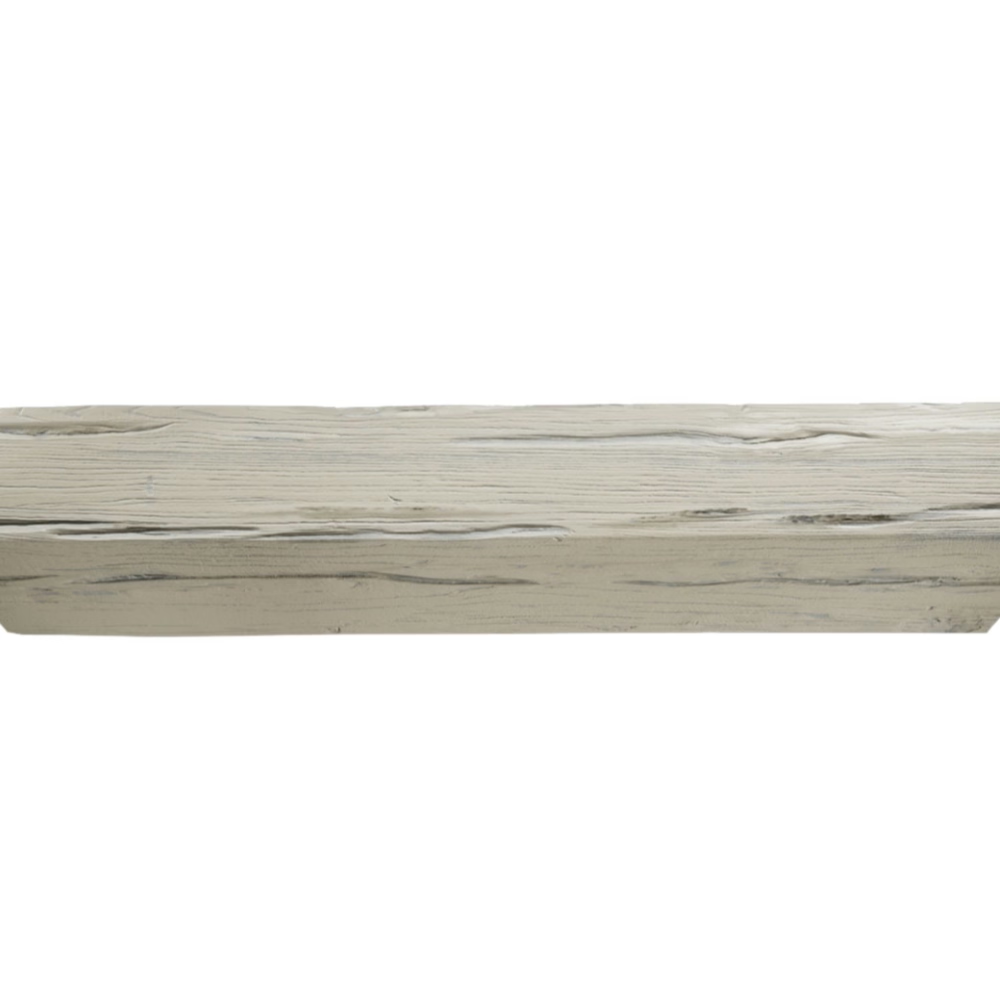
Appearance Optimization for Broadcast
Broadcast appearance optimization extends beyond basic material quality to encompass specific characteristics that affect how materials perform on camera. Understanding these factors helps production designers select materials that will satisfy broadcast requirements.
Color rendering under studio lighting requires specific attention to how beam colors will appear on camera. Wood tones that appear natural in person may render differently depending on lighting color temperature and camera color science. Quality manufacturers offer products optimized for common studio lighting conditions, ensuring accurate color reproduction in finished productions.
Texture interaction with lighting affects perceived authenticity significantly. Raking light across textured surfaces creates shadows and highlights that either enhance or undermine authenticity depending on texture quality. Quality beams feature textures designed to interact appropriately with typical studio lighting, creating convincing depth and dimension that survives camera scrutiny.
Surface reflectivity must be controlled to prevent unwanted glare or hot spots on camera. Overly reflective surfaces create technical problems that require lighting adjustment or post-production correction. Quality production materials feature controlled reflectivity that allows standard lighting approaches without problematic reflections.
Practical Handling for Studio Operations
Television studios operate under time pressures that make efficient material handling essential. Set changes, reconfiguration, and strike operations must proceed quickly without sacrificing quality or risking damage to valuable set elements.
The lightweight nature of PU resin beams simplifies all handling aspects of studio operations. Individual beams can be managed by single crew members, eliminating the coordination challenges that heavier materials create. This handling advantage becomes significant during quick set changes when multiple elements must be repositioned within tight time windows.
Installation and removal efficiency affects studio operational costs directly. Beams that install quickly reduce labor costs and crew time, while those that remove cleanly without damaging underlying surfaces simplify strike operations and protect studio infrastructure. Quality mounting approaches for production applications address both initial installation and eventual removal requirements.
Storage considerations affect studio operations when sets must be struck and reinstalled across production schedules. Compact storage for beams between uses maximizes valuable studio storage space, while durable materials that resist damage during storage maintain appearance quality for future use. Quality PU resin beams accommodate storage requirements through appropriate durability and dimensional stability.

Budget Considerations for Production
Television production budgets require efficient allocation of resources across numerous competing demands. Set material investments must provide appropriate value relative to appearance benefits and production utility.
Material cost comparisons between PU resin and genuine timber consistently favor synthetic alternatives for production applications. Beyond direct material costs, the handling advantages, durability characteristics, and maintenance simplicity of synthetic materials reduce installed costs substantially compared to genuine timber alternatives.
Rental options expand accessibility for productions with limited budgets or one-time needs. Equipment rental companies and set houses maintain inventories of production-optimized beams available for productions, enabling access to quality materials without capital investment. This option proves particularly valuable for episodic productions with uncertain continuation and for productions in early development stages.
The lifecycle cost picture for production materials reflects the demanding conditions these applications impose. Natural wood elements in production environments may require more frequent replacement due to wear, damage, and appearance deterioration. Quality PU resin beams maintain appearance through extended service, reducing replacement frequency and associated costs.
Professional Installation Services
Professional installation services provide value for complex studio installations where experienced technicians can anticipate and address challenges. The specific need for professional services depends on installation complexity, timeline requirements, and available internal capabilities.
Complex studio configurations often benefit from professional installation that ensures proper mounting, precise alignment, and clean joint treatment. Experienced installers understand production-specific requirements and possess the tools and techniques for efficient, high-quality results. This expertise often justifies professional installation costs through improved outcomes and reduced timeline risk.
Coordination with other production departments—lighting, camera, set design—requires understanding of how beam installations interact with other studio elements. Professional installers can coordinate these relationships effectively, ensuring that beam installations support rather than complicate other production requirements.
Follow-up support and maintenance services, when available, provide ongoing value for productions with extended schedules. The ability to obtain replacement parts, additional pieces, or repair services as needs arise provides security that simplifies long-term production planning.
Technical References
ASTM standards cited in every specification
Test Data
Lab results from internal testing program
Updated 2026
Reviewed against current product specs