Farmhouse design has experienced a remarkable resurgence, with its emphasis on honest materials, comfortable scale, and timeless character resonating deeply with contemporary sensibilities. The aesthetic draws from agricultural heritage, incorporating the practical construction methods and material choices that defined farm buildings and rural homes across generations. At its heart, farmhouse style celebrates the beauty of honest, well-used materials—wood that shows its age gracefully, metal that develops patina, and spaces that feel genuinely inhabited rather than perfectly curated.
Timber framing, particularly the Douglas fir commonly used in American agricultural construction, provides one of the most recognizable elements of authentic farmhouse aesthetics. The warm reddish-orange tones, pronounced grain patterns, and weathered character of aged fir create immediate visual connections to rural heritage and agricultural tradition. These characteristics have made fir beams a foundational element of farmhouse interior design, sought after for their ability to establish authentic rustic character.
Genuine reclaimed fir beams, salvaged from barns, warehouses, and agricultural structures, command premium prices and present practical challenges that limit their accessibility. The scarcity of quality reclaimed material, combined with moisture sensitivity, pest vulnerabilities, and demanding maintenance requirements, has driven interest in quality alternatives that deliver fir aesthetics without associated drawbacks.
Douglas Fir's Distinctive Characteristics
Understanding Douglas fir's specific visual qualities helps explain why this species has become synonymous with rustic farmhouse aesthetics. The wood's characteristics differ from other commonly-used species in ways that significantly affect appearance and authenticity.
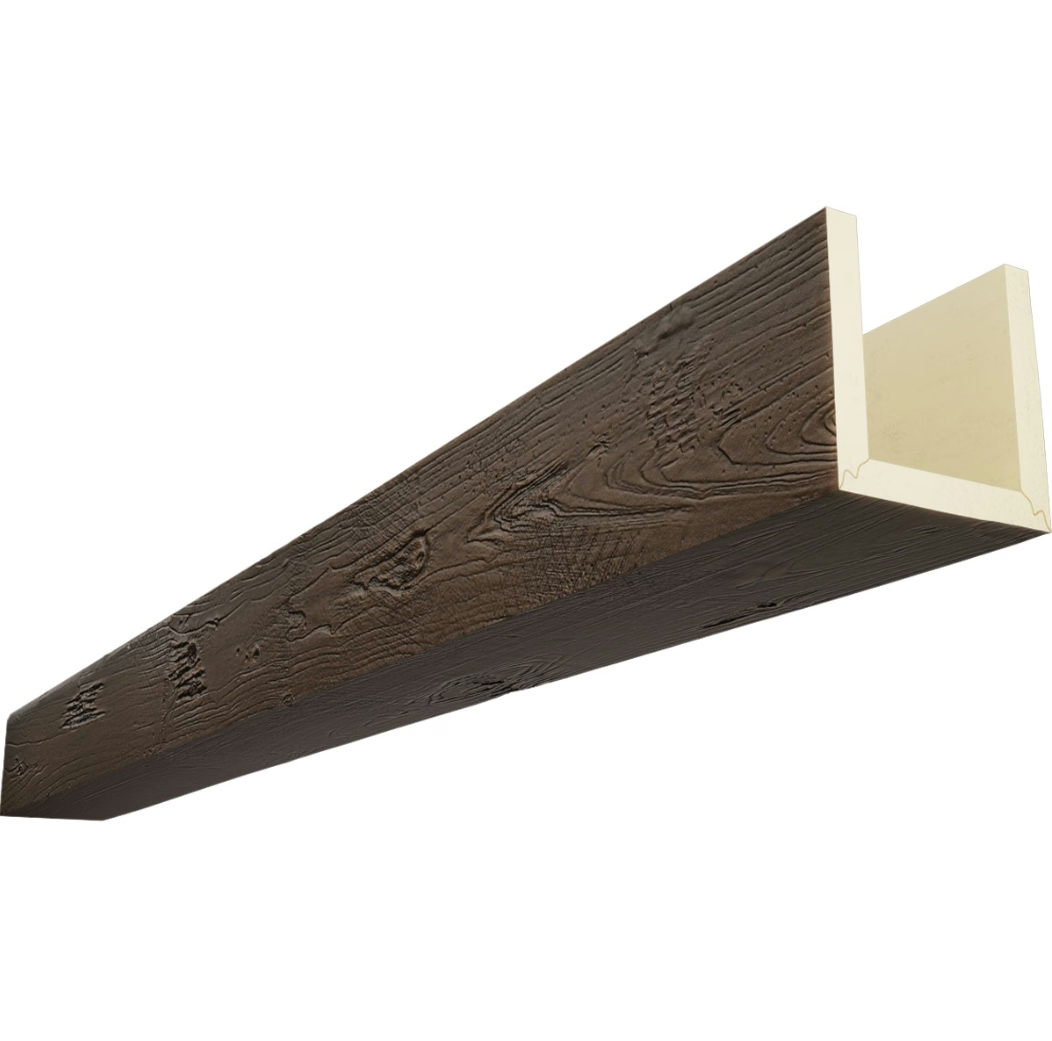
Color characteristics of Douglas fir range from warm honey tones in younger growth to rich reddish-orange in older specimens. This color palette creates immediate warmth that distinguishes fir from cooler-toned woods like white oak or maple. The specific coloring, combined with prominent grain patterns, creates the distinctive appearance that has come to define rustic American timber.
Grain patterns in Douglas fir are pronounced and dramatic, with significant earlywood-to-latewood contrast that creates visible growth ring patterns. This bold grain distinguishes fir from species with subtler figures, contributing to the rustic authenticity that farmhouse interiors seek. The grain patterns also vary significantly between and within individual pieces, creating visual interest that prevents monotonous appearance.
Texture characteristics include relatively coarse grain compared to finer-grained species, contributing to the weathered, honest character associated with rustic materials. The natural texture catches light in ways that enhance grain visibility, creating the subtle shimmer that changes with viewing angle and illumination conditions.
Reclaimed Appearance Characteristics
Reclaimed timber characteristics develop over decades of service, creating visual features that distinguish genuinely old wood from newly milled material. Quality reproductions must capture these aging characteristics convincingly to achieve authentic reclaimed appearance.
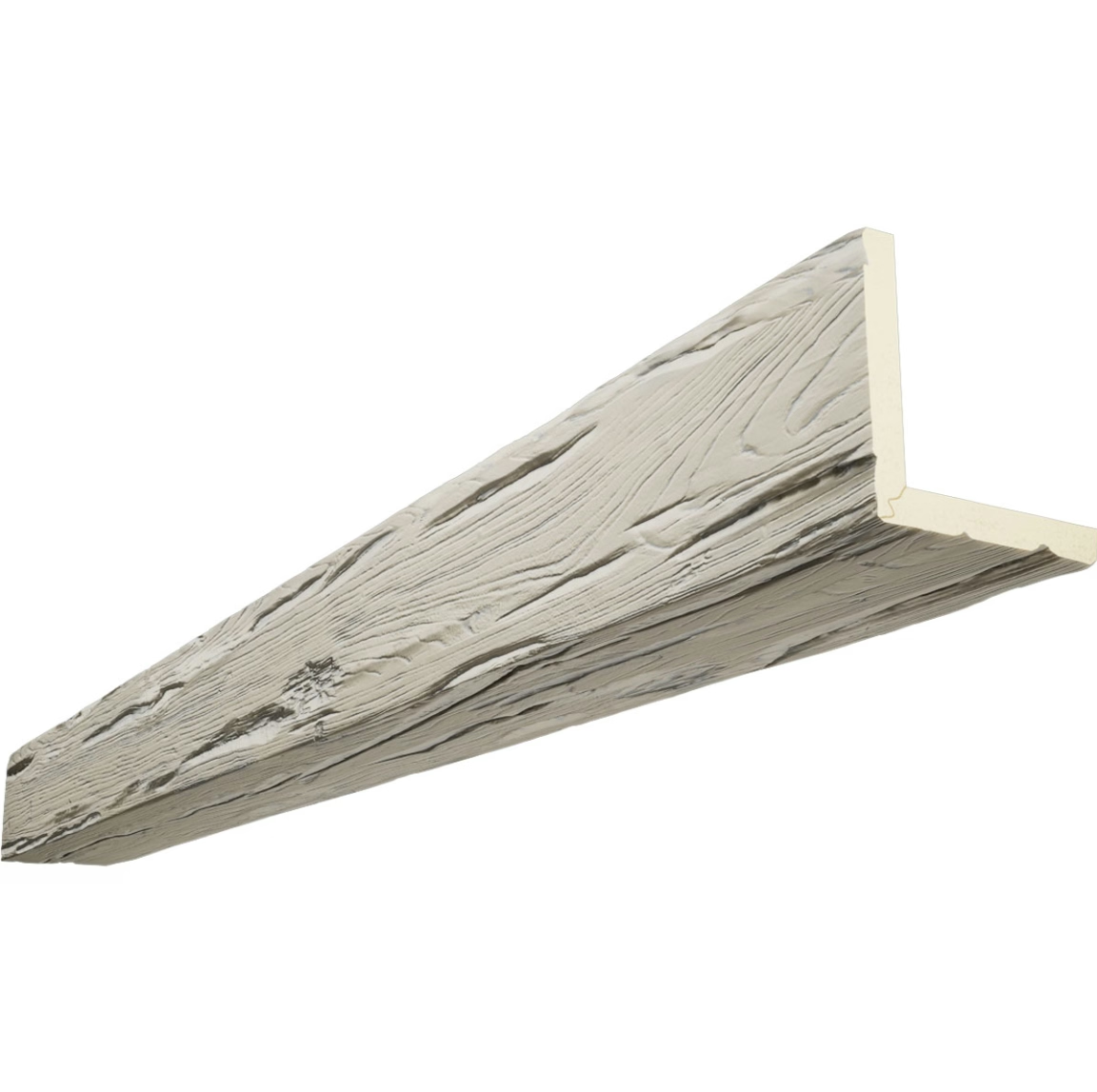
Weathering patterns develop through UV exposure, moisture cycling, and natural oxidation processes that affect the wood surface differentially. Areas exposed to direct sun lighten dramatically while protected areas retain original coloration, creating the varied appearance that characterizes reclaimed timber. Quality faux fir reproductions include these differential weathering patterns, avoiding the uniform appearance that suggests new rather than aged material.
Checking and cracking develop as reclaimed timber dries and ages, with surface checks following grain direction and deeper cracks sometimes penetrating substantially into beam sections. These features must be reproduced with appropriate frequency and intensity—too few and the beam appears too perfect; too many and it appears damaged rather than authentically aged.
Knot patterns in Douglas fir vary from numerous small tight knots to occasional larger loose knots that have partially separated from the surrounding wood. The specific knot character depends on the tree's growth history, with more knotty sections representing portions closer to branch-heavy upper growth. Quality reproductions include appropriate knot frequency and character for the targeted appearance level.
Farmhouse Styling Principles
Farmhouse interior design operates according to principles that guide material selection and installation approach. Understanding these principles helps ensure that beam installations contribute authentically to overall farmhouse aesthetics.
Honest simplicity represents a core farmhouse principle, with design elements chosen for function and beauty rather than show or ostentation. Beams should appear as structural or practical elements that happen to be beautiful, rather than purely decorative additions imposed on spaces. This principle suggests restraint in beam installation—enough to establish character without overwhelming spaces with excessive decoration.
Comfortable scale distinguishes farmhouse interiors from formal spaces, with proportions that feel approachable rather than imposing. Beams should be sized appropriately to human scale, creating visual interest without intimidating presence. The goal involves warmth and welcome rather than dramatic architectural statement.
Layered authenticity develops through the accumulation of elements that suggest lived-in quality and accumulated character. Beams contribute to this layered authenticity when their appearance suggests genuine history rather than perfect new construction. The reclaimed fir aesthetic aligns perfectly with this principle, providing immediate evidence of age and character that supports overall farmhouse authenticity.
Integration with Farmhouse Design Elements
Successful farmhouse beam installations coordinate with other design elements to create cohesive interiors. Understanding these relationships helps ensure that beam selections and placements contribute positively to overall design harmony.
Natural material coordination connects beams with other organic elements throughout farmhouse interiors. Stone, brick, linen, cotton, and leather all provide natural textures that complement wood's organic character. The warm tones of fir beams coordinate particularly well with earth tones, cream whites, and the muted color palettes typical of farmhouse interiors.
Hardware and metalwork integration adds authenticity through details that suggest practical function. Iron straps, bolted connections, and rustic metal accents reinforce the agricultural heritage that farmhouse style celebrates. These metal elements can be real hardware on genuine timber or decorative additions to faux beam installations.
Textile coordination softens the wood textures that might otherwise create overly rustic environments. Woven rugs, linen curtains, cotton slipcovers, and upholstered furnishings provide textile layers that balance wood's substantial presence. This textile-wood balance proves essential for comfortable farmhouse interiors that avoid feeling merely utilitarian.
Installation Approaches for Farmhouse Authenticity
Installation approach affects perceived authenticity significantly, with different approaches creating different impressions of how beams relate to underlying structure. Farmhouse authenticity typically benefits from installation approaches that suggest practical function rather than pure decoration.
Exposed mounting suggesting structural authenticity creates the impression that beams serve load-bearing purposes, even when they function purely decoratively. Fastener details, support angles, and connection treatments all contribute to this impression of genuine structural integration.
Ceiling height considerations affect how beams relate to overall room proportions in farmhouse contexts. Relatively modest ceiling heights typical of authentic farmhouses and their modern interpretations suggest beam profiles and installation patterns appropriate to these proportions. Dramatically tall ceilings can accommodate larger, more substantial beams, while modest heights require more restrained treatment.
Spacing rhythm in farmhouse applications typically emphasizes generous spacing rather than the tight patterns common in more formal traditional interiors. The spacing between beams provides visual breathing room that contributes to the comfortable, approachable quality that farmhouse interiors seek.
Long-Term Farmhouse Living
The practical considerations of ongoing ownership affect how successfully farmhouse aesthetics integrate with modern lifestyles. Quality faux beams provide authentic appearance while accommodating the practical requirements of daily living.
Maintenance simplicity proves essential for busy households where design must accommodate real life rather than existing in isolated perfection. Faux beams maintain appearance through family activities, occasional impacts, and the accumulated evidence of daily living without requiring constant attention or careful protection.
Cleanability matters in working farmhouses where cooking, gardening, and active family life create maintenance challenges for interior surfaces. Faux beams wipe clean easily, maintaining their authentic appearance through the accumulated evidence of active household activity.
Durability for family life means that beams must withstand occasional contact from children, pets, and furniture without showing damage that requires repair. The impact resistance of quality polyurethane accommodates the inevitable contacts that occur in lived-in spaces, maintaining appearance through years of active use.
Investment Value for Farmhouse Projects
The value proposition for farmhouse beam installations extends beyond initial purchase to encompass lifecycle considerations that affect long-term satisfaction and project economics.
Initial investment in quality materials returns value through authentic appearance, lasting durability, and the design coherence that premium products provide. Budget alternatives may reduce immediate costs while compromising authenticity, durability, or both—these compromises often prove false economy when appearance disappoints or premature replacement becomes necessary.
Lifecycle costs for quality faux beams prove minimal compared to genuine reclaimed fir alternatives. The absence of ongoing maintenance, the durability that prevents damage, and the consistent appearance that eliminates refinishing needs all contribute to lower total ownership costs over time.
Resale considerations favor low-maintenance improvements that contribute to property appeal without imposing future obligations on buyers. Farmhouse beam installations that maintain appearance indefinitely provide ongoing aesthetic benefits without demanding buyer attention or care—a combination that supports property value and marketability.
Technical References
ASTM standards cited in every specification
Test Data
Lab results from internal testing program
Updated 2026
Reviewed against current product specs


