Modern homeowners increasingly seek the timeless appeal of exposed timber without the practical challenges that accompany authentic wood. Polyurethane faux ceiling beams solve this problem elegantly, offering convincing wood aesthetics combined with installation simplicity that traditional timber simply cannot match.
The evolution of manufacturing techniques has produced faux beams that capture the subtle imperfections and organic variations that make natural wood so appealing. Each piece carries carefully molded grain patterns, color variations, and surface textures that reference real timber while maintaining the consistent quality that modern construction demands.

Why Homeowners Choose Simulated Timber Beams
The decision to incorporate faux timber beams often stems from practical considerations that don't compromise aesthetic goals. Weight represents the most significant factor—authentic oak or reclaimed barn wood beams can weigh several hundred pounds per linear foot, requiring structural calculations and specialized support systems. Polyurethane alternatives typically weigh just a fraction of this, often under ten pounds per linear foot.
This dramatic weight reduction translates directly into installation flexibility. Contractors and DIY enthusiasts alike appreciate that these beams mount using standard construction hardware without requiring ceiling reinforcement. The lighter mass also reduces stress on mounting points over time, minimizing the risk of sagging or separation that occasionally affects heavy timber installations.
Beyond physical handling, polyurethane beams resist the environmental challenges that affect natural wood. Humidity fluctuations cause real timber to expand and contract, sometimes leading to cracks, warping, or cupping. Faux beams maintain their dimensional stability regardless of atmospheric conditions, making them suitable for bathrooms, kitchens, and even covered outdoor spaces where natural wood might deteriorate.
Achieving Authentic Visual Results
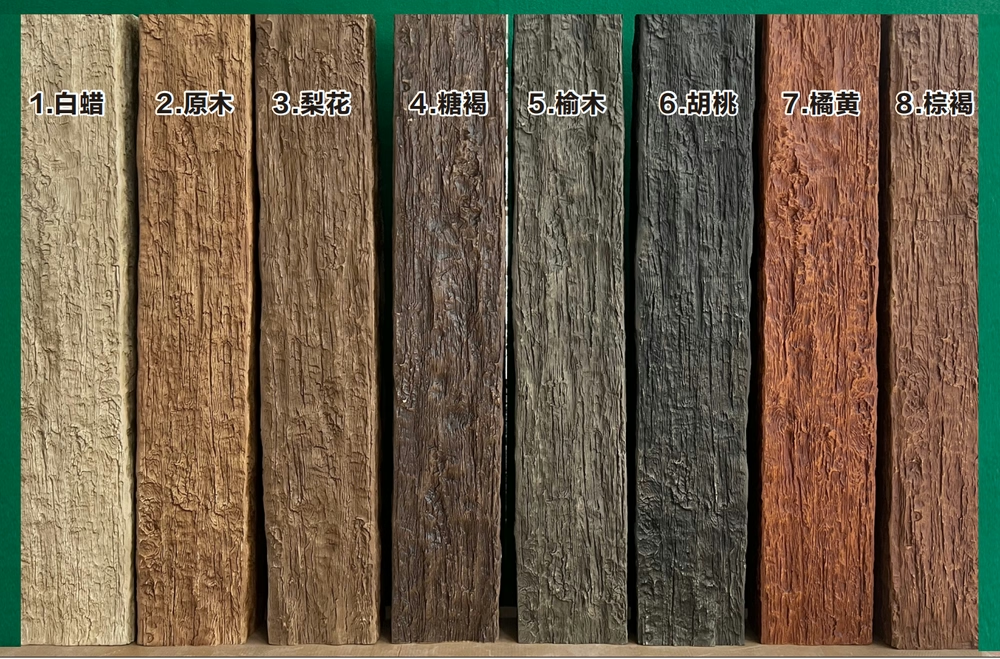
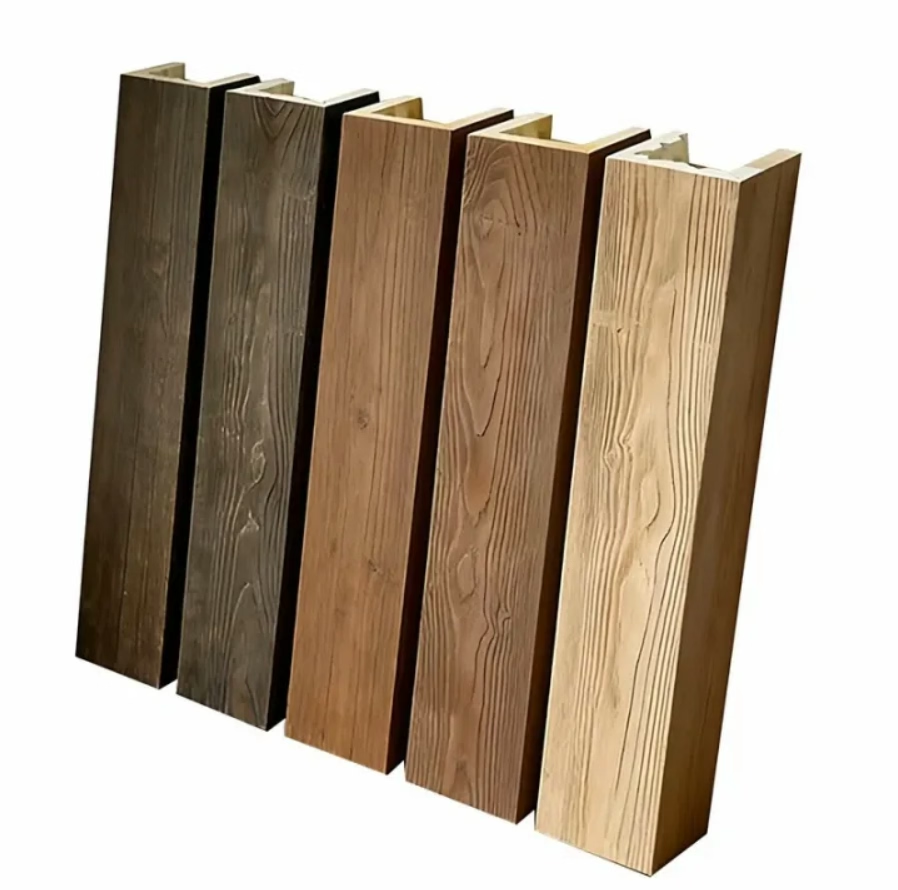
The most convincing faux beams utilize advanced molding processes that capture the intricate details found in genuine timber. Manufacturers often work from actual wood samples, preserving the unique characteristics of specific species—from the pronounced grain of white oak to the tighter patterns of maple. This attention to detail produces beams that fool casual observers while meeting the practical needs of contemporary construction.
Surface finishing techniques contribute significantly to realism. Multi-tone painting processes layer colors that mimic the natural variation within timber, avoiding the flat, uniform appearance that marks lesser-quality imitations. Some manufacturers incorporate subtle color gradients that shift slightly along the beam's length, replicating how light interacts with genuine wood in different positions.
Texture plays an equally important role. The finest faux beams feature hand-finished surfaces that introduce micro-variations invisible from a distance but crucial for close inspection. These subtle imperfections prevent the too-smooth appearance that reveals a piece as manufactured rather than harvested.

Design Applications in Contemporary Spaces
Great rooms and living areas benefit enormously from the addition of faux timber beams. A vaulted ceiling that might feel cavernous or unfinished gains immediate warmth and visual anchor points when beams cross the space. The horizontal or diagonal arrangement creates human scale within large volumes, making expansive rooms feel more intimate and approachable.
Kitchen installations have grown increasingly popular as open-concept layouts blur the boundaries between cooking and living spaces. Faux beams above kitchen islands or along dining area ceilings establish visual continuity with adjacent living zones while introducing textural contrast against sleek cabinetry and modern appliances.
Bedroom ceilings present another compelling application. Rather than dramatic exposed beam configurations, designers often specify smaller-scale faux beams for coffered or tray ceiling treatments. The beams define architectural features while maintaining the softer, more restful atmosphere appropriate for sleeping spaces.
Commercial environments embrace these products for hospitality projects, retail spaces, and professional offices. Restaurants utilize exposed beam aesthetics to establish rustic or lodge-style ambiances without compromising fire safety ratings or cleaning requirements. Corporate offices incorporate faux timber elements to humanize otherwise stark modern interiors.
Installation Considerations and Techniques
Successful faux beam installation begins with accurate measurement and careful planning. Unlike authentic timber, polyurethane beams can be cut using standard woodworking tools—no special saws or blades required. This accessibility empowers homeowners to undertake installation projects that would otherwise require professional contractors.
Mounting methods vary depending on application and ceiling construction. Direct adhesive bonding works well for secure substrates like plaster or drywall when combined with mechanical fasteners for added security. Cleat systems using metal brackets provide removable installation for situations requiring access above the ceiling plane.
Support spacing depends on beam length and anticipated loading. While faux beams don't require the structural support that real timber needs, proper backing prevents any visible sagging over extended spans. Manufacturers typically recommend intermediate support for beams exceeding eight feet, achieved through concealed blocking or additional mounting points.
Finishing considerations include painting or staining to match existing décor or leaving the beam in its manufactured state. Most polyurethane beams accept standard architectural paints without primer, though unstained natural finishes often require sealing to prevent minor surface marking during handling and installation.
Long-Term Value and Maintenance
Polyurethane faux beams offer exceptional durability under normal use conditions. The material resists impact damage, insect infiltration, and moisture absorption that would compromise natural wood over time. This resilience translates into maintenance requirements that barely exist beyond occasional dusting or gentle cleaning.
The initial cost advantage over authentic timber compound over the product's lifespan. Real wood requires periodic refinishing, potential pest treatments, and eventual replacement when deterioration becomes severe. Faux beams maintain their appearance indefinitely with minimal intervention, representing a one-time investment that continues delivering aesthetic returns for decades.
For property managers and commercial operators, the practical benefits multiply. Lease transitions that might require extensive repair or refinishing of real timber become simple cleaning exercises. Turnover time decreases while quality consistency increases across multiple properties or spaces.
Making the Right Selection
Choosing faux ceiling beams involves balancing aesthetic requirements with practical constraints. Start by examining the space's architectural style and existing materials—beams should complement rather than compete with other design elements. Consider ceiling height and room proportions when selecting beam scale; larger beams in modest spaces can overwhelm while undersized beams in expansive rooms disappear.
Evaluate manufacturer quality through physical samples when possible. Request small sections to assess grain detail, color consistency, and surface texture before committing to full installation. Review warranty terms and expected lifespan claims—established manufacturers typically back their products with multi-year guarantees reflecting confidence in material performance.
Finally, visualize the completed installation from multiple vantage points. How do the beams appear from entryways, seating areas, and elevated positions? The best installations look intentional from every angle, creating a cohesive architectural statement rather than an obviously added element.
Technical References
ASTM standards cited in every specification
Test Data
Lab results from internal testing program
Updated 2026
Reviewed against current product specs


