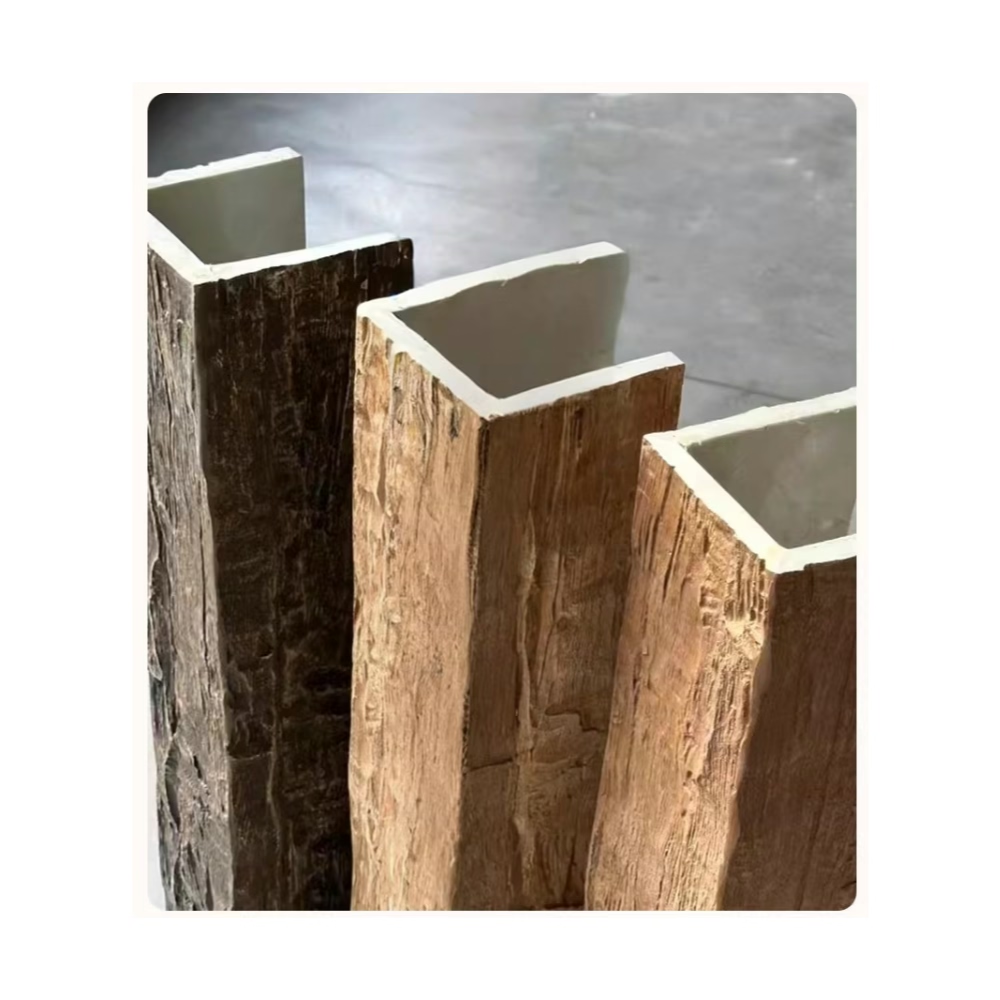
The architectural design process relies heavily on accurate material representation to communicate intent effectively. When projects incorporate timber elements, designers face the challenge of conveying authentic wood aesthetics without committing to expensive materials during the development phase. Polyurethane faux beams have emerged as the preferred solution for this practical problem.
Architectural simulations—whether physical models, renderings, or full-scale mockups—require materials that photograph and present convincingly while remaining practical for the iterative design process. Polyurethane beams deliver on both fronts, offering visual authenticity combined with workability that natural timber cannot match during rapid design exploration.

Material Properties for Design Applications
Polyurethane formulation determines both the visual characteristics and practical handling of faux timber products. High-density formulations capture fine detail from molds while maintaining edge stability during cutting and shaping operations. The material responds consistently to standard woodworking tools, allowing precise modifications without splintering or tear-out.
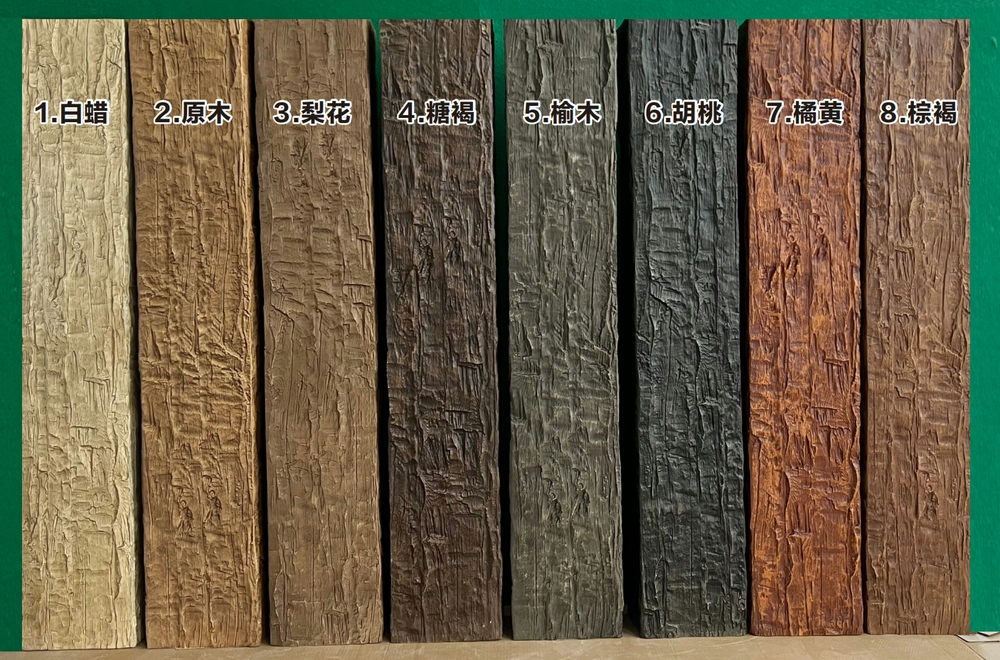
Surface hardness affects how beams accept various finishing treatments. Architectural simulation often requires specific color matching to project palettes or existing materials. Polyurethane accepts stains, paints, and sealers with results that closely approximate natural wood behavior, enabling designers to achieve exact visual requirements.
The thermal properties of polyurethane deserve consideration in architectural applications. Unlike genuine timber, polyurethane doesn't conduct temperature significantly, making it comfortable to handle in varying environmental conditions. This characteristic proves particularly valuable for trade show displays and exhibition installations where repeated handling occurs.
Scale Considerations for Simulation Work
Architectural models frequently require beam representations at reduced scales. Full-scale timber beams scaled down lose detail as mold patterns designed for larger dimensions produce muddled results when miniaturized. Polyurethane manufacturing can produce purpose-designed miniature beams with grain patterns and proportions appropriate for specific scales.
Detail resolution varies by manufacturer and product line. Entry-level options may lack the refinement necessary for close-up model photography or client presentations requiring high magnification. Premium architectural simulation products incorporate mold technology developed specifically for scaled applications, maintaining legibility of timber characteristics even at reduced dimensions.
For presentation models intended for executive review or public consultation, investing in higher-quality faux beams pays dividends in visual credibility. Decision-makers evaluating design proposals respond more positively to materials that appear genuinely crafted rather than obviously simulated.

Rendering and Visualization Accuracy
Three-dimensional visualization has become central to architectural communication. Faux timber products must photograph convincingly under various lighting conditions to serve client presentations effectively. Polyurethane beams with carefully formulated surface colors reproduce well across different photographic setups and lighting temperatures.
The reflective properties of polyurethane differ subtly from natural wood. Manufacturers address this through surface treatments that reduce unnatural sheen while maintaining color depth. When specifying materials for prominent rendering work, requesting samples photographed under conditions matching the final presentation environment helps avoid unpleasant surprises.
Virtual reality and interactive visualization have expanded the scope of architectural simulation. While these technologies work from digital models rather than physical materials, the study of physical faux beams informs texture development for convincing digital wood representations. The same attention to organic variation and surface detail that makes physical faux beams convincing translates into more authentic digital wood materials.
Construction Techniques for Model Building
Working with polyurethane faux beams in model construction requires adapted techniques. Adhesive selection matters significantly—cyanoacrylate glues provide quick setting for assembly while polyurethane construction adhesive offers longer working time for positioning complex arrangements. Solvent-based adhesives can attack polyurethane surfaces, so water-based alternatives prove safer for visible joints.
Cutting operations proceed cleanly with sharp fine-toothed blades. Carbide-tipped blades maintain sharpness through extended production runs. For intricate cuts or notches, scrolling saws provide the control necessary for precision work. Sanding produces smooth finishes easily, though aggressive sanding can round edges beyond intended proportions.
Joining techniques for model-scale faux beams include traditional wood-working methods adapted for the material's specific properties. Biscuit joints, dowel joints, and pocket screws all function appropriately, though the lighter weight reduces mechanical requirements. For temporary or adjustable configurations, hook-and-loop fasteners enable reconfiguration without permanent attachment.
Client Presentation Applications
Full-scale mockups incorporating faux timber beams allow clients to experience material qualities before construction commitment. These installations demonstrate scale, proportion, and atmospheric contribution that drawings and renderings cannot fully convey. The investment in mockup construction pays back through reduced change orders and increased client confidence.
Hospitality projects particularly benefit from this approach. Hotel lobbies, restaurant dining rooms, and resort common areas depend heavily on atmosphere creation. Client approval of full-scale faux beam mockups significantly reduces the risk of post-construction dissatisfaction with material selections.
Theatrical and event design similarly embrace faux timber for temporary installations. Trade show booths, product launches, and themed events require authentic-looking timber structures that assemble and disassemble quickly. Polyurethane beams provide the visual credibility of timber with the practical efficiency that event schedules demand.
Professional Specification Guidelines
Specifying faux beams for architectural simulation work requires balancing quality requirements against budget constraints. Project phase influences appropriate quality tiers—early concept models may use economy options while client presentation models warrant premium products. Document specifications clearly to prevent substitution with inadequate alternatives.
Sample approval processes protect both designer and client interests. Request physical samples during design development and formalize approval procedures before production commitments. This documentation proves valuable if disputes arise regarding material quality or appearance.
Supplier relationships matter for ongoing architectural practices. Establishing accounts with manufacturers who understand architectural requirements ensures consistent quality across projects. Technical support for unusual applications—unusual scales, special finishes, or challenging configurations—becomes more accessible through established professional relationships.
Budget allocation for simulation materials should reflect their importance to project success. The cost differential between premium and economy faux beams often proves negligible compared to total project value, yet quality differences significantly impact presentation effectiveness.
Technical References
ASTM standards cited in every specification
Test Data
Lab results from internal testing program
Updated 2026
Reviewed against current product specs


