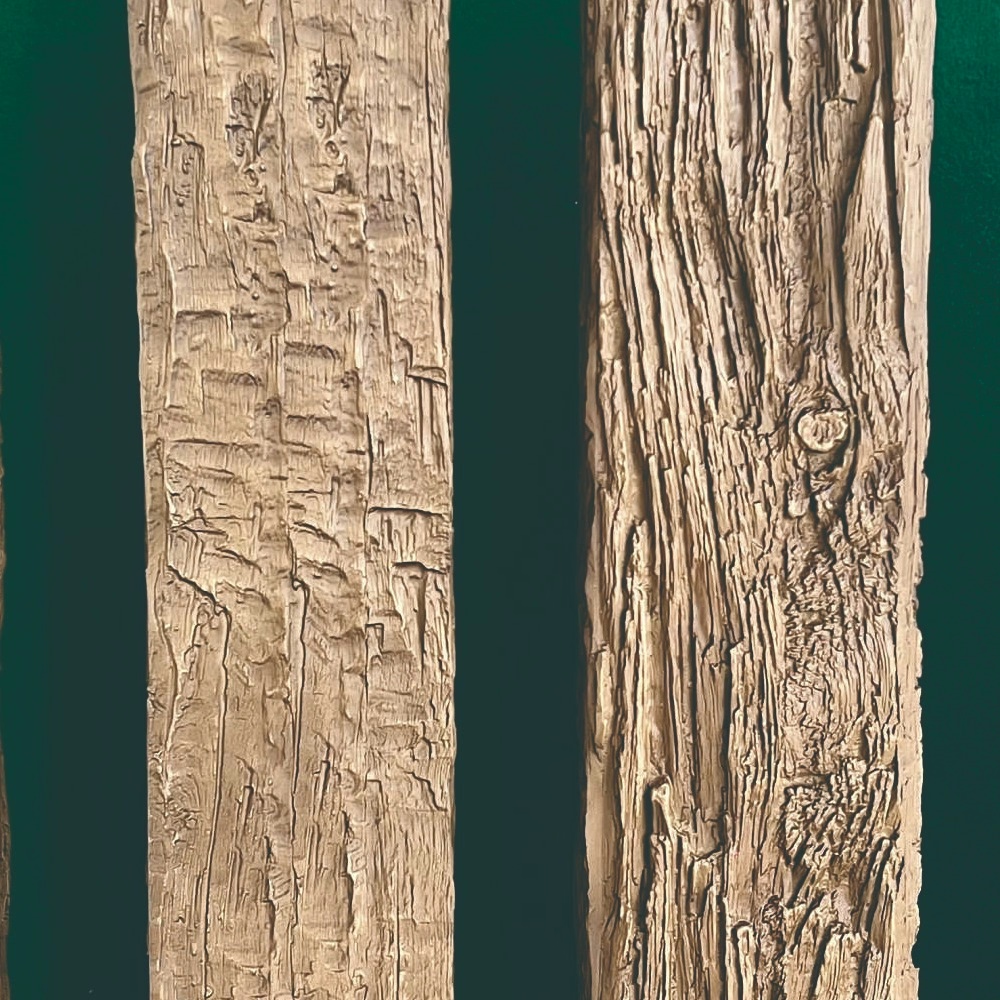
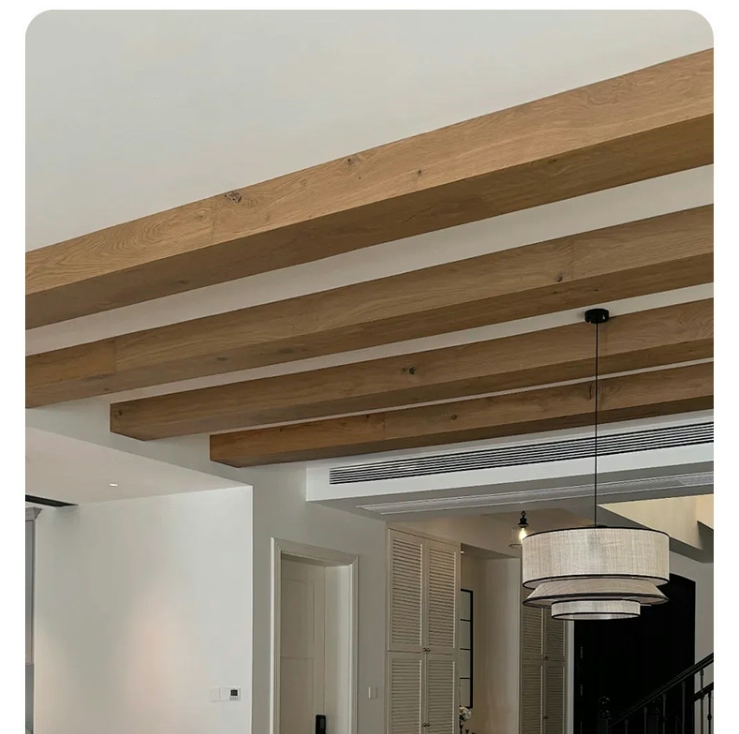
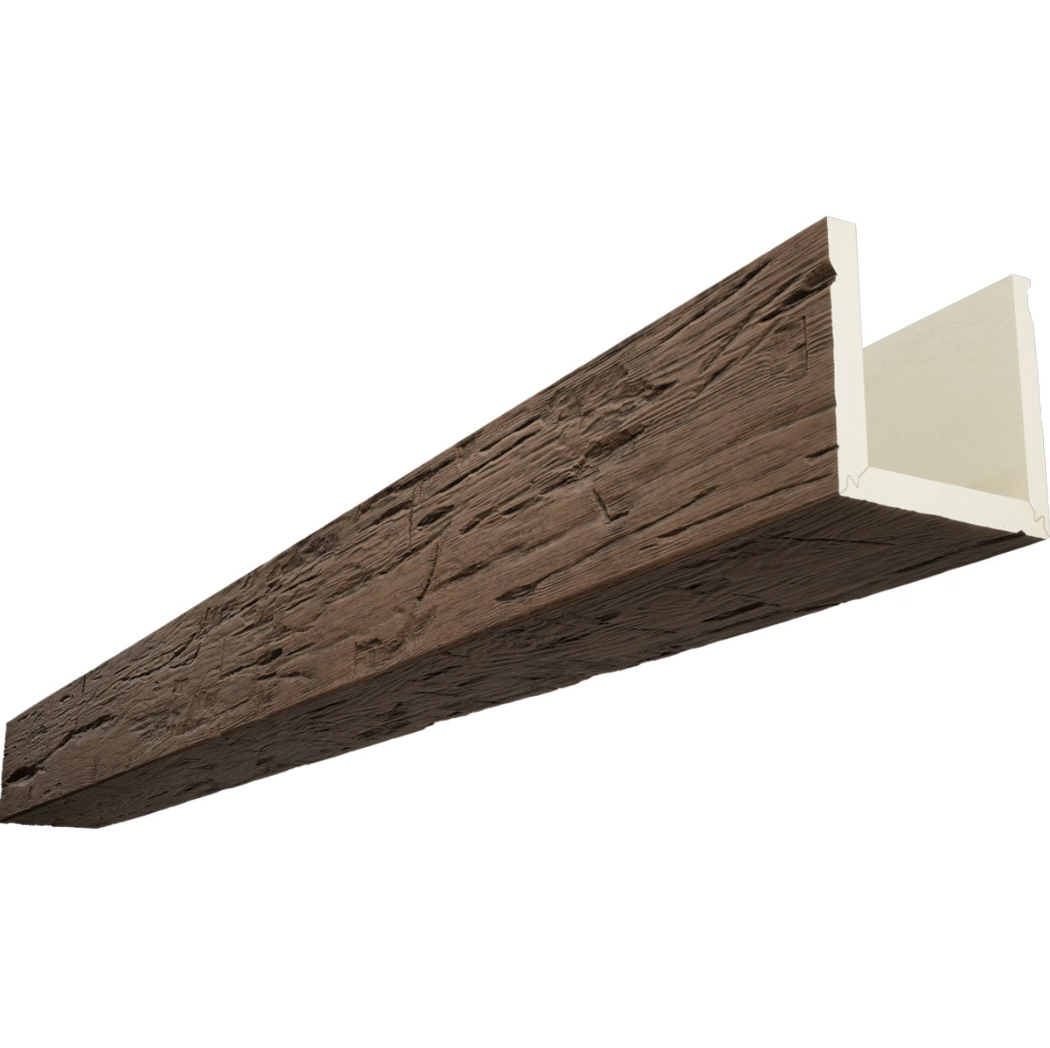
Outdoor living spaces have become essential features of residential and commercial properties alike. Property owners seeking to extend their usable living area into gardens, patios, and covered porches often desire the warmth and character that timber brings to exterior architecture. Authentic wood, however, faces significant challenges when exposed to the elements. Polyurethane faux timber beams with specialized exterior finishes offer a compelling alternative.
The key to successful exterior application lies in understanding how polyurethane differs from natural wood when subjected to environmental stress. While genuine timber absorbs moisture, expands and contracts with temperature changes, and gradually deteriorates under UV exposure, quality polyurethane maintains its dimensions and surface integrity indefinitely under normal exterior conditions.

Understanding UV-Resistant Formulations
Ultraviolet radiation represents the primary challenge for exterior materials. Extended sun exposure breaks down organic compounds in natural wood, causing graying, surface checking, and eventual structural failure. Polyurethane formulations designed for exterior use incorporate UV inhibitors that absorb or reflect harmful radiation before it degrades the material substrate.
Premium manufacturers utilize additive packages specifically developed for extended outdoor exposure. These formulations undergo accelerated weathering testing that simulates years of sun exposure in compressed timeframes. Products meeting or exceeding 5,000 hours of QUV testing without significant degradation qualify for exterior applications.
The visual stability of UV-resistant polyurethane proves equally important. Surface colors must resist fading and chalking that would compromise aesthetic appeal over time. Quality faux timber beams maintain their appearance through multiple seasonal cycles, requiring no refinishing or restoration to remain attractive.
Applications for Covered Exterior Spaces
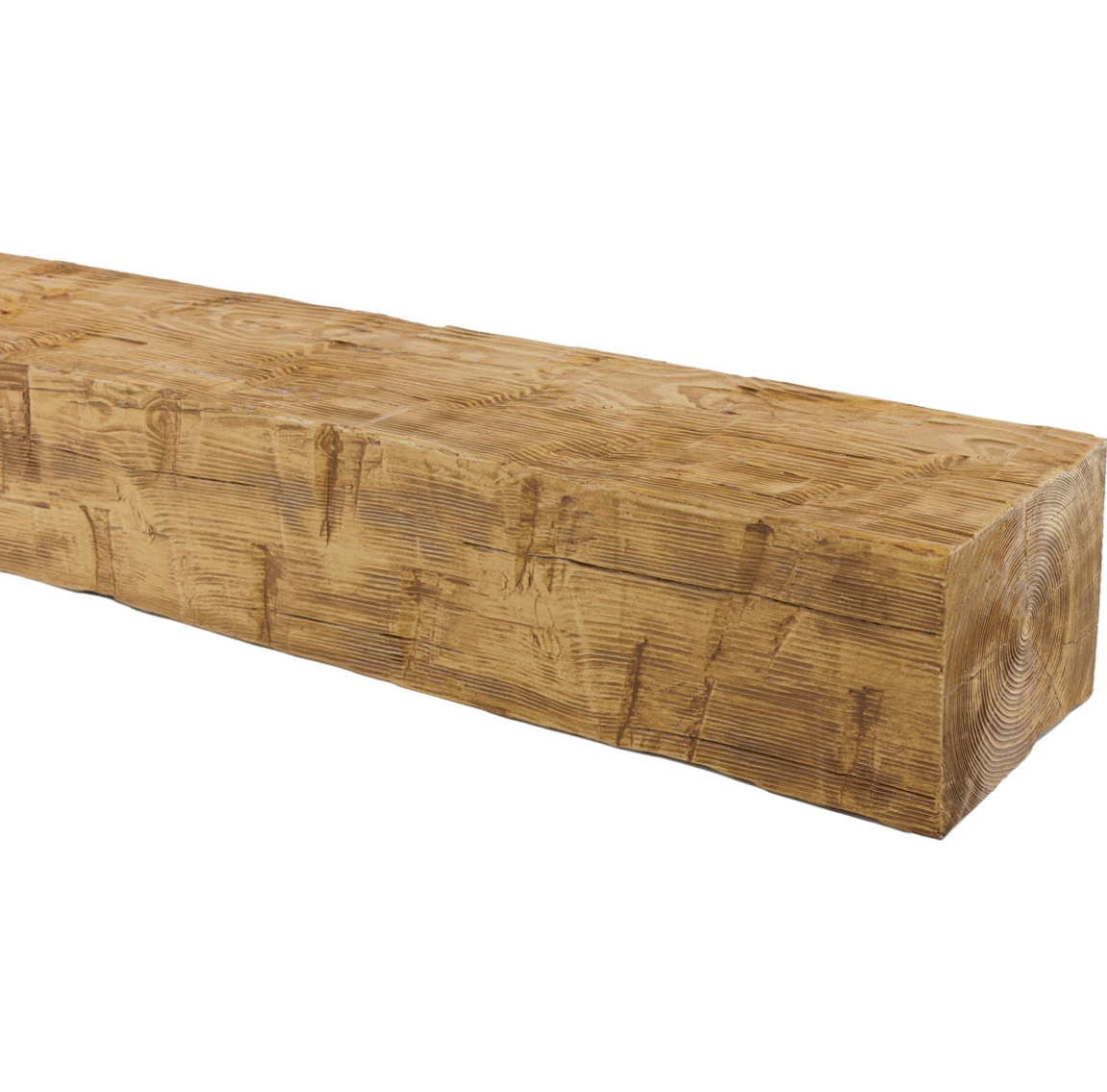
Patio covers and pergolas frequently incorporate beam elements that define space while providing structural and visual interest. Faux timber beams mounted to support posts create the aesthetic of exposed structural timber without the weight or decay concerns of authentic wood. Homeowners appreciate how these beams establish the rustic lodge atmosphere associated with mountain retreats and country estates.
Gazebos and poolside structures benefit similarly from faux timber's practical advantages. The constant moisture exposure around pools accelerates natural wood deterioration, yet faux beams resist the swelling, splitting, and biological growth that plague genuine timber. This durability translates directly into reduced maintenance and longer service life.
Commercial hospitality venues—hotel courtyards, restaurant terraces, and resort pool bars—increasingly specify faux timber for exterior architectural elements. These installations must withstand heavy use while maintaining the upscale appearance that guests expect. Polyurethane beams deliver consistent quality across large installations where natural wood variations might create visual inconsistencies.

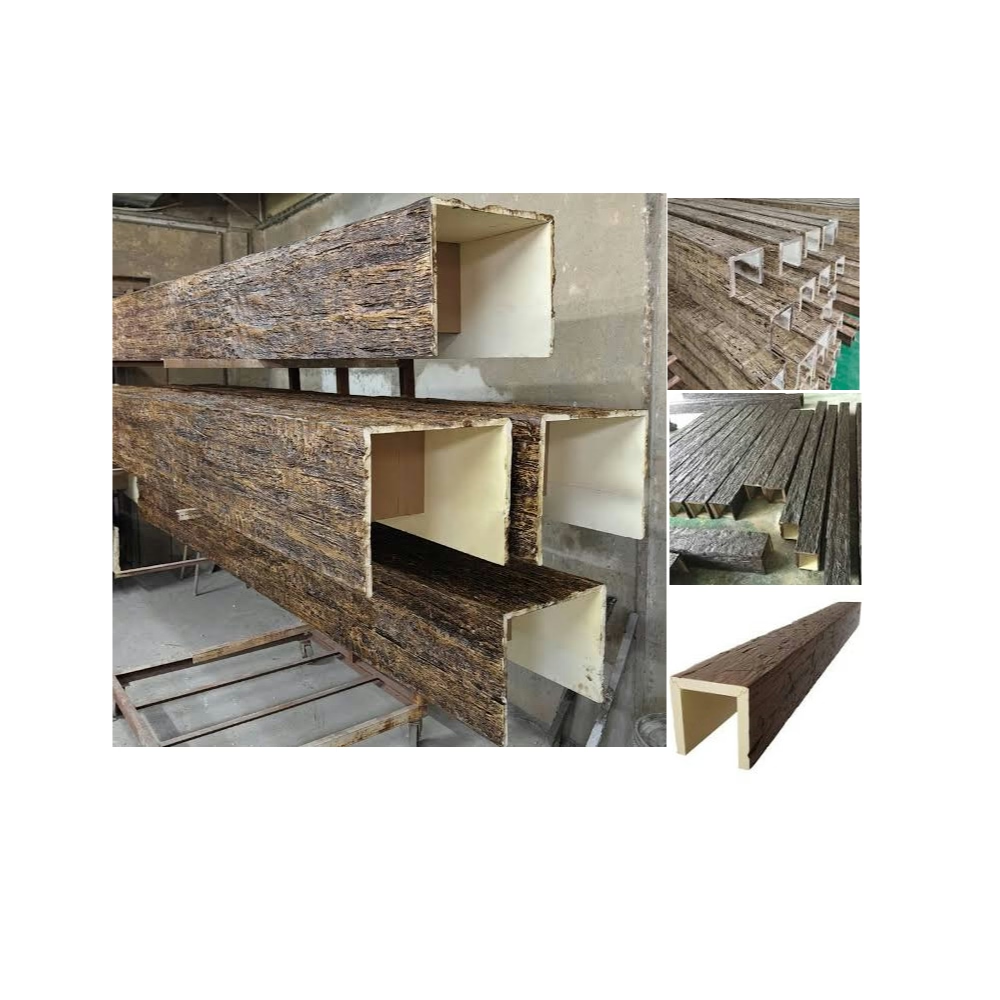
Climate Considerations for Exterior Installation
Geographic location influences both product selection and installation approach for exterior faux timber applications. Humid subtropical climates with intense summer heat demand the most robust UV protection and moisture resistance. Products rated for these conditions may exceed requirements for milder maritime or mountain environments.
Temperature fluctuation affects installation methods more than material performance. In regions experiencing freeze-thaw cycles, moisture intrusion behind or within beam installations can create problems if drainage provisions are inadequate. Proper installation techniques ensure that any moisture reaching mounting surfaces can escape rather than accumulate.
Coastal environments introduce salt exposure that accelerates corrosion of metal fasteners and hardware. Stainless steel or coated mounting hardware prevents the staining and structural compromise that standard steel develops in marine atmospheres. Specification documents should address hardware requirements explicitly for coastal projects.
Installation Techniques for Exterior Durability
Successful exterior installations begin with appropriate mounting surfaces. Concrete, masonry, and properly treated wood framing provide stable substrates for beam attachment. The installation surface must be clean, dry, and free from materials that might interfere with adhesive bonding if adhesive-assisted mounting is specified.
Ventilation behind faux timber beams prevents moisture accumulation that could compromise adhesion or promote biological growth. Maintain minimum gaps between beam backs and wall surfaces to enable air circulation. This detail proves particularly important in humid climates or shaded locations with limited sun exposure.
Mechanical fastening provides primary support for exterior installations. Adhesive alone cannot resist the wind loads and thermal movement that exterior applications encounter. Combine adhesive bonding for distribution of loads with mechanical fasteners sized for anticipated forces. Spacing of fasteners should follow manufacturer guidelines adjusted for local wind exposure categories.
Maintenance Requirements for Exterior Faux Beams
One of polyurethane's most appealing characteristics is its minimal maintenance requirement compared to natural wood. Exterior faux beams typically require only periodic cleaning to remove accumulated dirt, pollen, and environmental particulates. A gentle wash with mild detergent and soft brush restores appearance without specialized equipment or expertise.
Inspection of mounting integrity should occur annually, particularly following severe weather events. Check for any movement or gaps that might indicate compromised attachment. Addressing minor issues promptly prevents more significant problems from developing. Retighten any loosened fasteners and reapply adhesive where bonding has degraded.
Surface condition monitoring helps identify when cleaning alone cannot restore appearance. While quality UV-resistant finishes maintain their integrity for many years, eventual refinishing may become necessary in the most challenging exposures. Surface preparation for recoating follows manufacturer recommendations—typically light sanding and primer application before topcoat.
Investment Analysis for Exterior Applications
The cost comparison between authentic timber and quality faux alternatives extends beyond initial material purchase. Natural wood for exterior applications often requires expensive species with inherent decay resistance—cedar, teak, or mahogany—adding significant cost to premium hardwoods. Polyurethane faux beams deliver comparable aesthetics at a fraction of material expense.
Maintenance costs compound over time for natural wood. Regular cleaning, annual sealing or staining, periodic repair of damaged sections, and eventual replacement create ongoing expenses that faux beams avoid. When calculated across a twenty-year service life, the total cost of ownership for faux beams typically falls well below authentic timber alternatives.
For commercial properties, maintenance disruptions affect operations and revenue. The reduced maintenance requirements of faux timber minimize these impacts while ensuring consistent appearance throughout the property. This operational efficiency often proves as valuable as the direct cost savings.
Technical References
ASTM standards cited in every specification
Test Data
Lab results from internal testing program
Updated 2026
Reviewed against current product specs