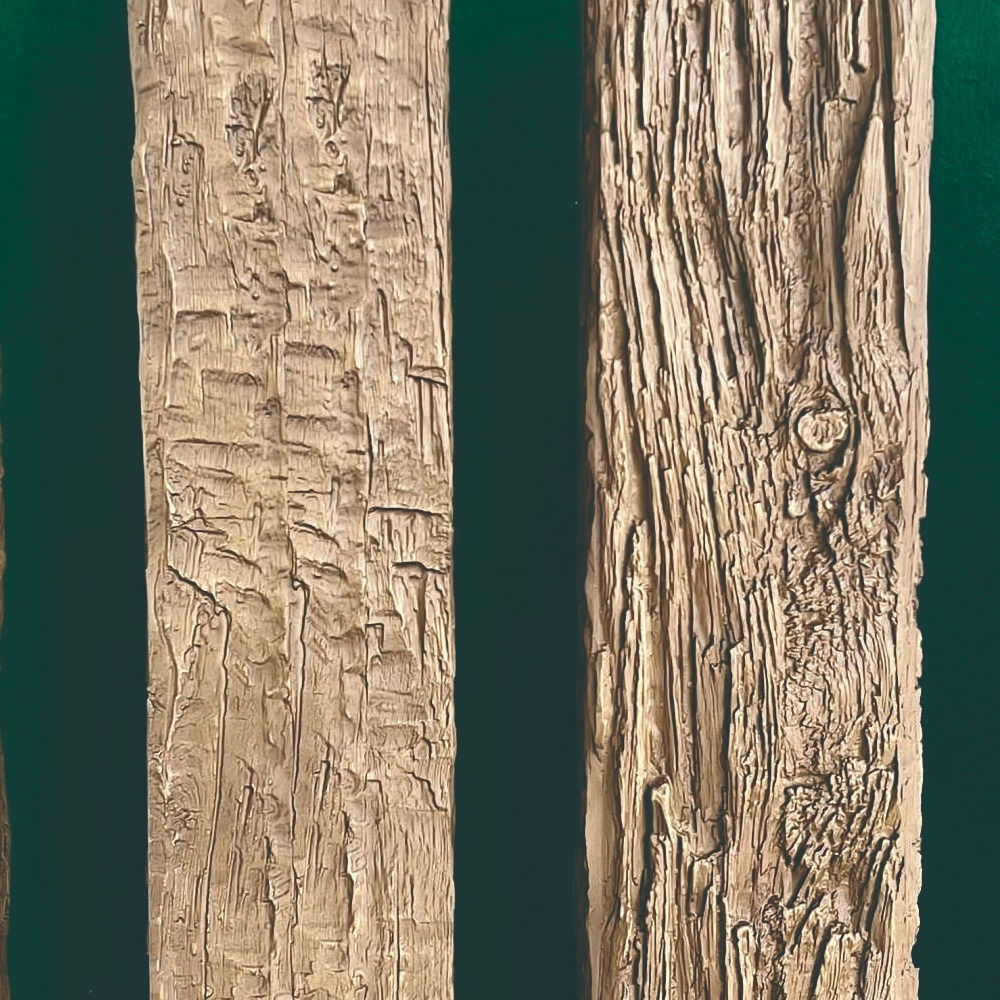
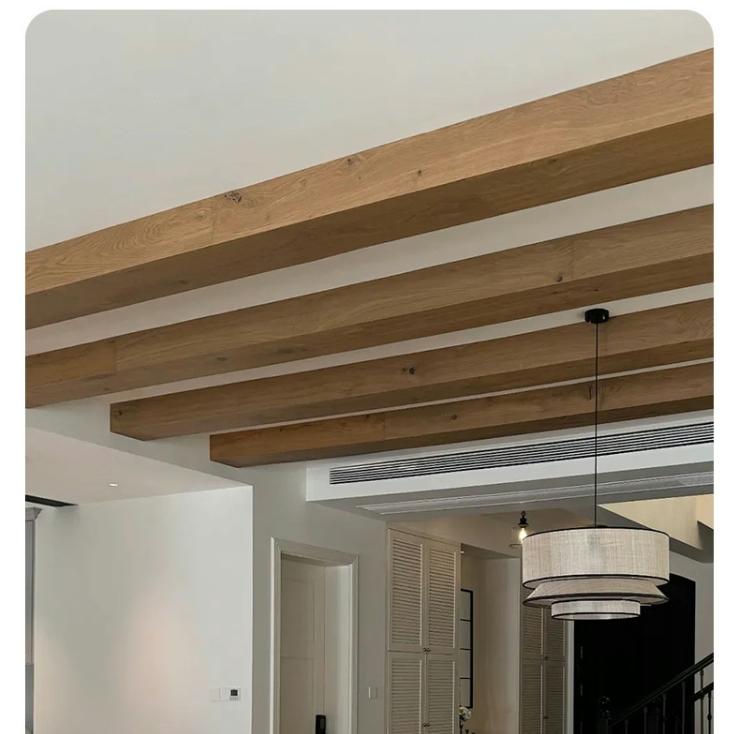
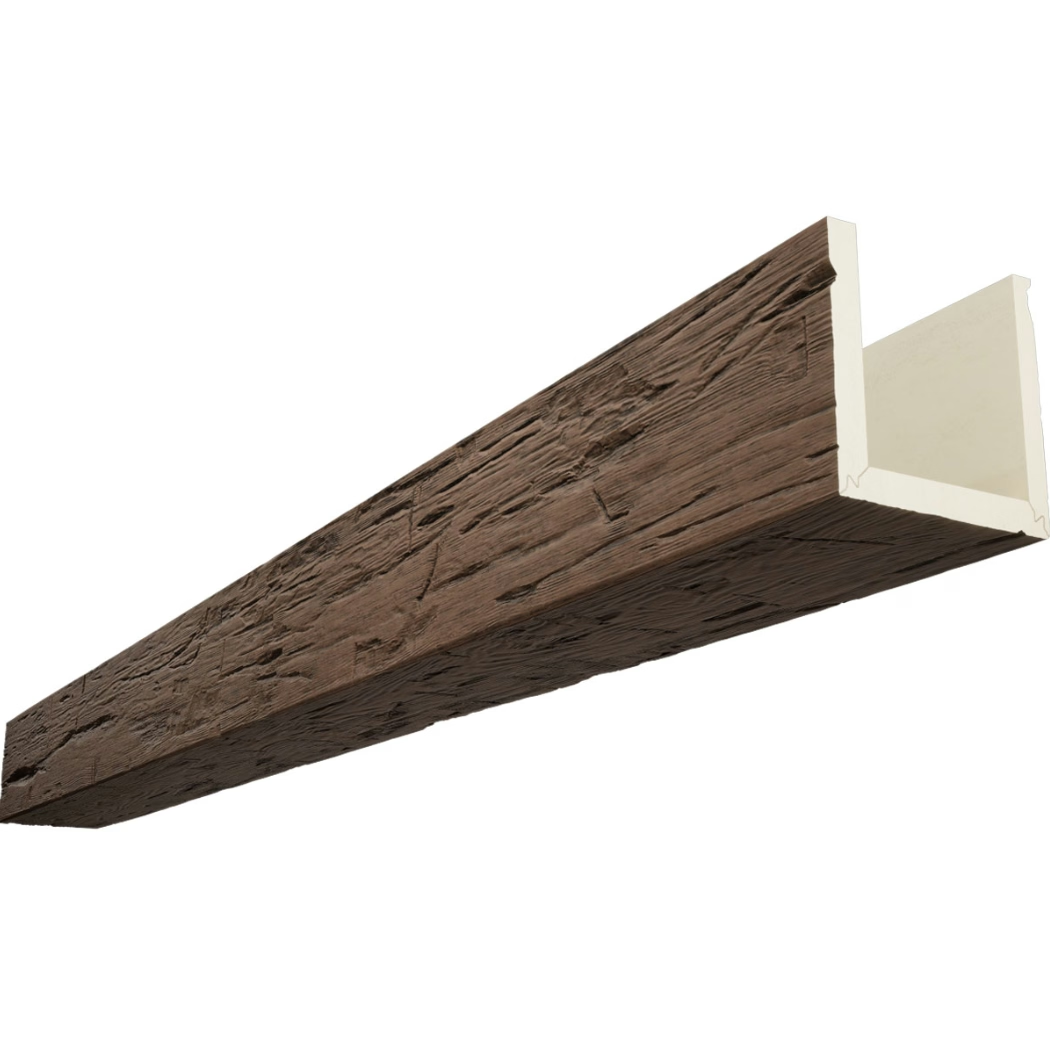
First impressions significantly influence customer perception and behavior. Commercial properties that project warmth and welcome through their architecture attract more visitors than stark or unwelcoming alternatives. Incorporating timber elements into building facades creates this inviting atmosphere while establishing distinctive identity in competitive markets.
Authentic timber facades present substantial challenges for commercial applications. The weight of timber cladding requires structural reinforcement, while maintenance demands—painting, staining, pest treatment, and eventual replacement—create ongoing operational burden. Polyurethane faux timber addresses these concerns while preserving the aesthetic qualities that make timber appealing.

Commercial Facade Design Considerations
Exterior applications demand materials meeting specific performance criteria. UV resistance prevents degradation under sun exposure while moisture resistance prevents the swelling and decay that affects natural wood. Fire resistance may be required by local building codes for certain occupancy classifications. Polyurethane formulations address each requirement through targeted additive packages.
Building code compliance affects material selection significantly. Many jurisdictions require fire-retardant treatments for exterior combustible materials, particularly in commercial occupancies or buildings exceeding certain heights. Quality polyurethane manufacturers offer fire-retardant formulations meeting ASTM E84 Class A requirements, enabling code compliance while maintaining aesthetic quality.
Wind load analysis informs both material specification and mounting requirements. Exterior decorative elements experience significant forces during high-wind events. Proper engineering ensures that mounting systems resist these loads without failure or damage. Manufacturers often provide engineering data supporting proper specification and installation.
Applications Across Commercial Property Types
Retail storefronts benefit enormously from timber facade treatments. The warmth of timber creates inviting shopping environments that encourage customer停留 and repeat visits. Awnings, sign boards, and architectural trim in faux timber establish brand identity while differentiating properties from surrounding competitors.
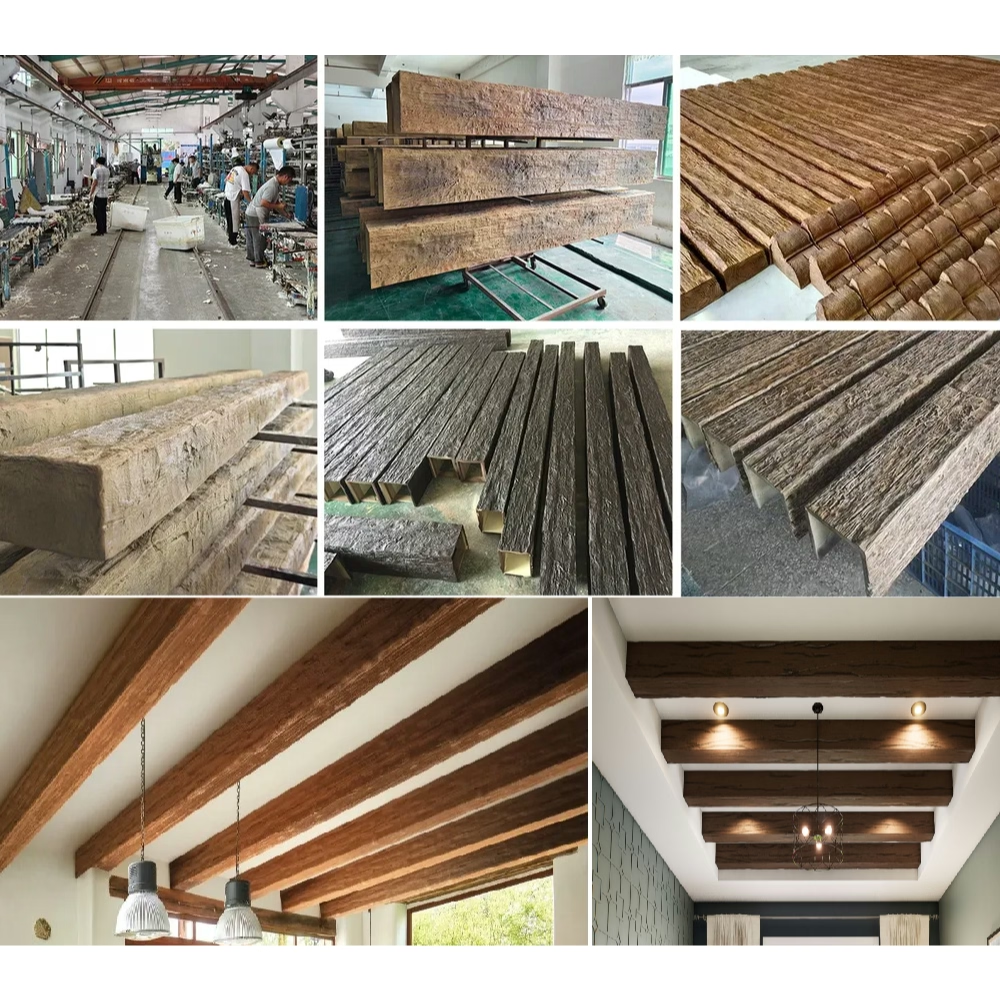
Hospitality establishments—hotels, restaurants, and entertainment venues—rely heavily on exterior aesthetics to establish atmosphere. Faux timber beams support rustic lodge themes, country inn warmth, and mountain retreat ambiance without the maintenance demands that would burden operations. These installations must withstand heavy use while maintaining appearance through thousands of annual visitors.
Professional office buildings increasingly incorporate biophilic design elements, including timber, to create healthier and more productive work environments. Studies demonstrate that natural material exposure reduces stress and improves wellbeing. Faux timber enables these benefits while meeting commercial durability requirements and maintaining professional appearance.

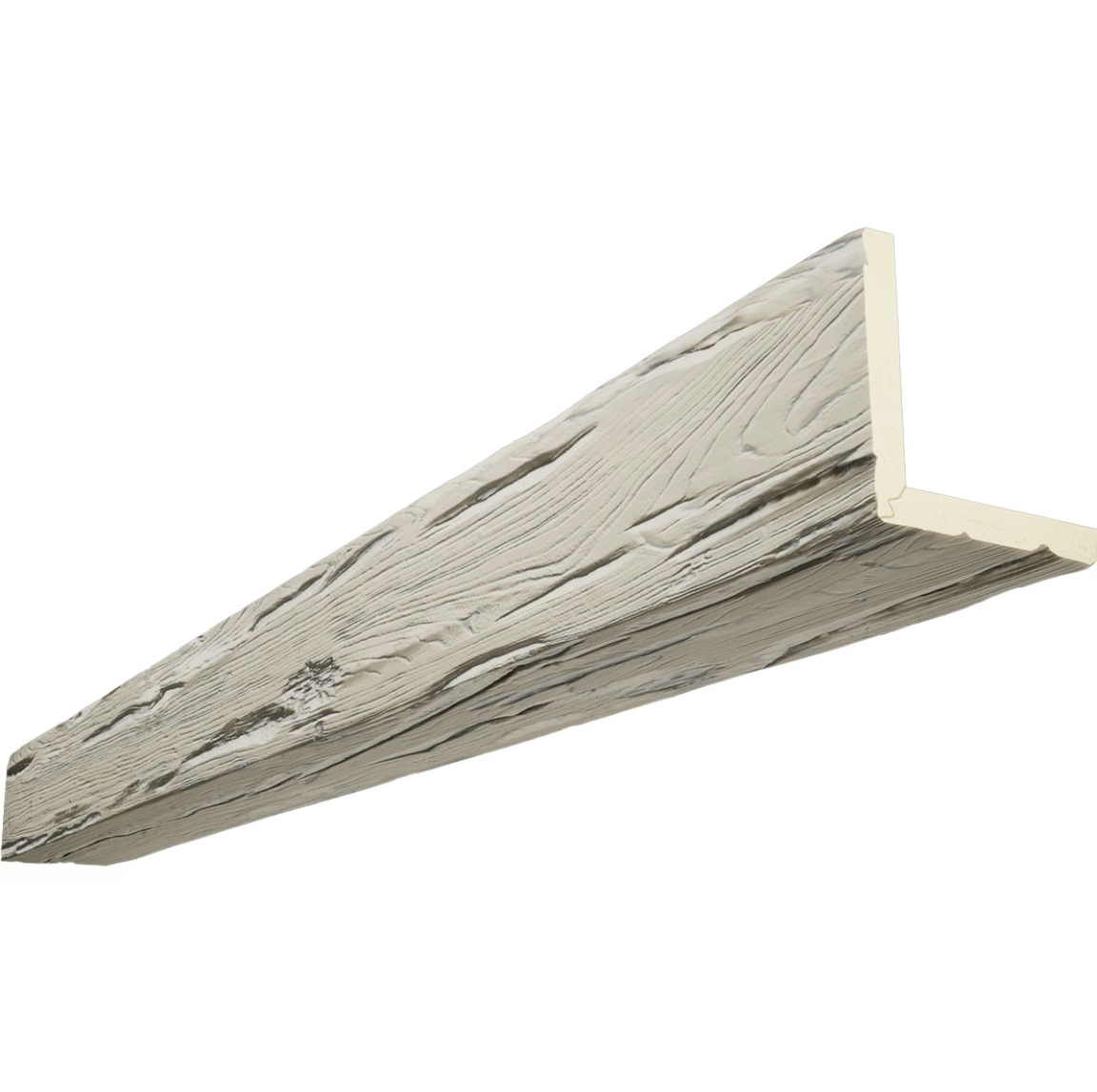
Signage Integration Opportunities
Faux timber integrates effectively with signage systems, creating cohesive exterior identity packages. Support structures, decorative frames, and architectural trim in matching timber appearance unify building identity. This integration proves particularly valuable for chain operations seeking consistent brand presentation across multiple locations.
Restaurant and retail chains benefit from standardized faux timber specifications that ensure brand consistency while simplifying procurement. Volume purchasing reduces per-unit costs while maintaining quality standards across the property portfolio. Installation crews familiar with the product deliver consistent results efficiently.
Monument signs and freestanding signage structures accommodate faux timber treatment as well as building-mounted elements. These larger format applications benefit from polyurethane's weight advantage significantly—real timber signage structures may require structural foundations while lighter faux alternatives mount to simpler footings.
Color and Finish Selection
Exterior finish selection requires attention to environmental exposure and maintenance preferences. Dark colors absorb more heat, potentially causing thermal expansion issues in some exposures. Light colors reflect heat but may show soiling more readily. Mid-tone colors often provide the best balance for heavily exposed applications.
Pre-finished products simplify installation by eliminating on-site finishing. Factory application ensures consistent coverage and proper cure before exposure. The investment in pre-finished products pays through reduced installation time and eliminated finishing weather delays.
Field finishing enables color matching to existing elements or specific brand requirements. Architectural paint systems formulated for polyurethane accept standard application methods. Consult manufacturer recommendations for compatible primer and topcoat systems.
Weather Performance and Durability
Quality exterior faux timber products carry warranties addressing environmental performance. Coverage typically includes resistance to splitting, cracking, warping, and decay—failure modes that affect natural wood but not properly formulated polyurethane. Warranty duration reflects manufacturer confidence, with five to ten year coverage common for premium products.
Accelerated weathering testing validates performance claims before market release. ASTM G154 cyclic UV exposure testing simulates years of sunlight exposure, verifying that surface chalk, color change, and physical properties remain within acceptable limits. Test results support the warranty terms manufacturers offer.
Thermal cycling testing addresses expansion and contraction concerns. Exterior materials experience daily temperature swings that stress joints and attachments. Quality products maintain integrity through thousands of thermal cycles without cracking or delaminating.
Installation Engineering
Exterior installations require engineering attention that interior applications may not demand. Wind load calculations determine fastener spacing and type. Seismic considerations affect attachment in earthquake-prone regions. Building code compliance requires documentation demonstrating proper installation.
Professional installation ensures warranty coverage remains valid. Manufacturers typically require installation following published specifications by qualified tradespeople. DIY installations may void warranty protection, creating risk that professional installation avoids.
Inspection and permit requirements vary by jurisdiction and project scope. Commercial projects generally require architectural approval and building permits regardless of material selection. Verify local requirements before commencing work to avoid costly corrections.
Return on Investment Analysis
Commercial property owners evaluate facade improvements through return on investment lenses. Faux timber facades deliver aesthetic impact at a fraction of authentic timber cost. The maintenance advantage compounds this benefit over the service life, reducing ongoing operational expenses.
Tenant attraction and retention benefit from attractive exterior presentation. Properties with welcoming facades command premium rents while experiencing lower vacancy rates. The competitive advantage justifies investment that pure cost analysis might not capture.
Brand perception influences customer behavior measurably. Hospitality research demonstrates that exterior aesthetics affect dining frequency, length of stay, and return visit likelihood. Retail studies show correlation between store appearance and purchase amounts. These behavioral impacts translate directly to revenue.
Technical References
ASTM standards cited in every specification
Test Data
Lab results from internal testing program
Updated 2026
Reviewed against current product specs