Ceiling surfaces often receive insufficient design attention despite occupying substantial visual real estate in interior spaces. Flat, plain ceilings contribute little to room atmosphere while potentially appearing dated or institutional. Strategic incorporation of timber beam elements transforms these overlooked surfaces into compelling design features.
Beam shells specifically address ceiling upgrades where existing beams, soffits, or architectural features require aesthetic improvement without removal or reconstruction. The covering approach delivers significant visual impact through efficient installation that minimizes disruption to existing conditions.

The Case for Ceiling Transformation
Ceilings establish room character through height perception, light reflection, and material presence. Low ceilings can feel confining while excessive height creates impersonal atmosphere. Beam elements create visual division that brings scale to cavernous spaces while drawing attention upward in modest-height rooms.
Acoustic performance improves with beam installation regardless of material choice. The irregular surfaces scatter sound waves, reducing echo and reverberation that plague large, hard-surfaced rooms. This acoustic benefit proves valuable in great rooms, home theaters, and open-plan living areas where noise control presents challenges.
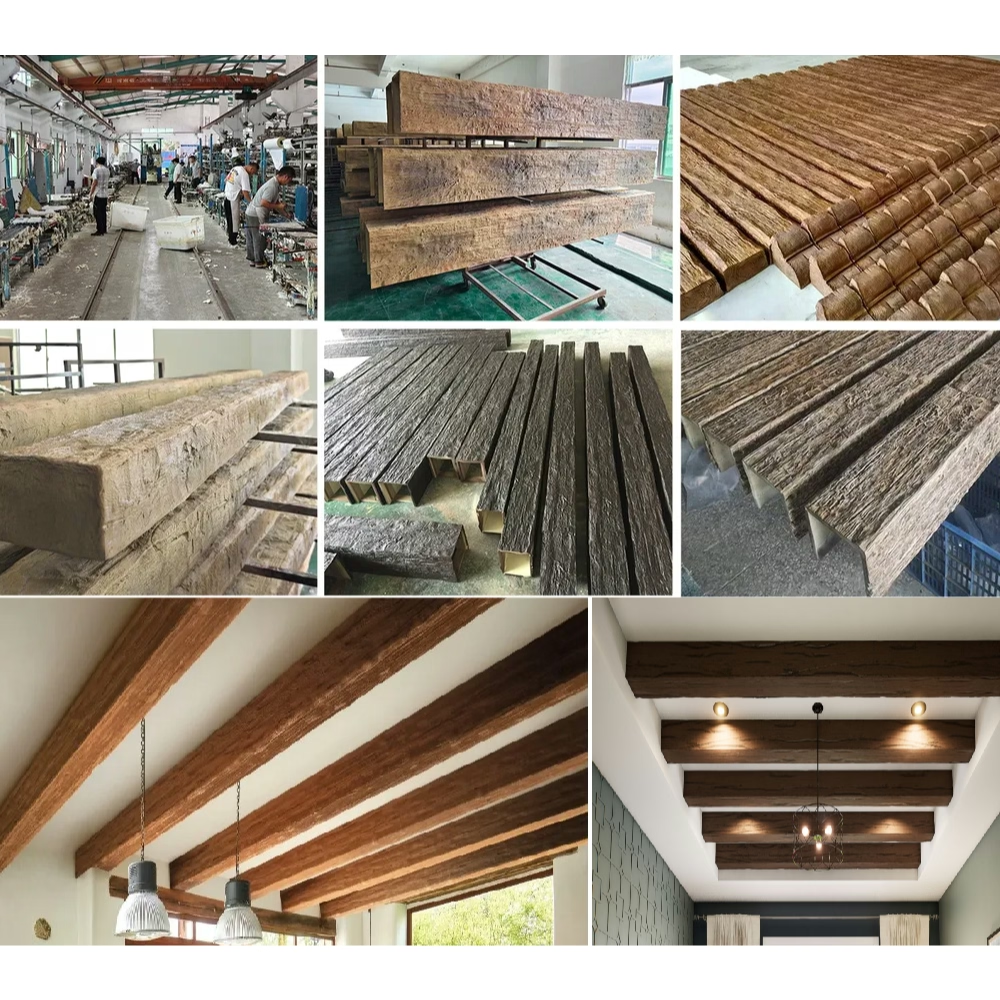
Lighting integration opportunities expand with beam installation. Recessed fixtures between beams, linear lighting within beam hollows, or pendant fixtures hung from beam undersides all create atmospheric illumination options unavailable with plain ceiling surfaces.
Selecting Appropriate Shell Configurations
Beam shell selection depends on existing ceiling conditions and desired visual outcomes. Standard rectangular shells accommodate most common beam dimensions, available in ranges covering typical two-by, four-by, and larger sizes. Custom sizing addresses non-standard conditions but involves longer lead times and potentially higher cost.
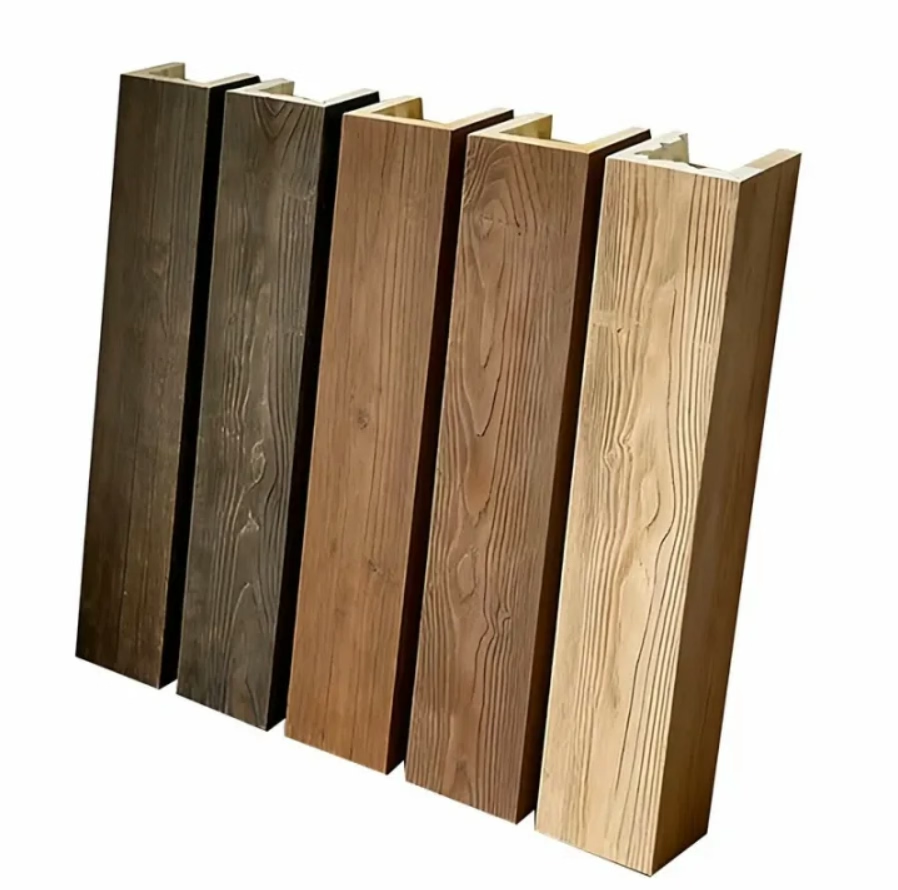
Three-piece shell systems provide the most realistic appearance for larger beams. The additional seam creates visual breaks that mimic authentic timber construction where boards join. This detail proves important when authentic simulation is the goal rather than merely suggesting timber character.
Two-piece systems suffice for smaller dimensional beams. The simpler construction reduces cost while maintaining convincing appearance for modest-sized elements. These systems install more quickly, reducing labor expense for larger installations.

Matching Existing Architecture
Successful ceiling upgrades harmonize with existing architectural elements rather than jarring against them. Beam style selection should reference other wood elements in the space—millwork, furniture, or existing timber if present. Consistency in species representation, finish tone, and detail style creates cohesive design.
Scale relationships matter when introducing beam elements. Beams too small appear trivial and inadequate; beams too large overwhelm modest spaces. General guidance suggests beams occupying one-twelfth to one-fifteenth of ceiling span, but specific conditions may warrant deviation.
Finish selection requires consideration of ceiling height and natural light levels. Light-toned beams brighten low or dark spaces while dark beams ground tall, bright rooms. The existing color palette should guide selection toward complementary rather than conflicting tones.
Installation Planning and Execution
Thorough planning prevents installation complications that might compromise results. Mapping existing utilities—electrical wiring, plumbing, HVAC ductwork—identifies potential conflicts before they cause problems. Relocating utilities before installation avoids costly modifications mid-project.
Sample fitting validates shell dimensions before adhesive application. Dry-fit all segments, checking clearances and alignment. Mark reference lines on the existing beam to guide final positioning. This preparation ensures smooth installation once adhesive preparation begins.
Adhesive selection affects both initial bond strength and long-term durability. Polyurethane construction adhesive provides excellent bond and remains flexible to accommodate thermal movement. Avoid latex-based products that may creep or fail under sustained load.
Managing Transitions and Corners
Beam runs that continue around corners or change direction require careful detail management. The transition point receives visual emphasis regardless of effort to minimize it—plan for this detail rather than hoping to make it invisible.
Internal corners where beam meets wall require flashing or trim detail to prevent gaps. Even hairline gaps become visible under glancing light, so addressing these details proactively prevents callbacks and customer complaints.
External corners where beam turns demand mitered cuts with exceptional precision. The compound angle requires careful measurement and potentially test cuts in scrap material before committing to finished pieces.
Post-Installation Finishing
Seam treatment completes the illusion of solid timber construction. Premium products minimize seam visibility through designed joint profiles, but some finishing typically remains necessary. Wood filler matching beam color fills minor gaps; sanding creates smooth transitions.
Pre-finished shells require only touch-up where installation may have marked surfaces. Keep finish materials available for immediate repair rather than scheduling follow-up visits. This attention to detail distinguishes professional installation from amateur work.
Cleaning and inspection follow finishing. Remove adhesive squeeze-out before cure. Check all joints and seams for complete fill. Verify that no gaps remain where water might enter or where dust would accumulate.
Maximizing Investment Returns
Ceiling upgrades using beam shells deliver exceptional return on investment compared to other renovation categories. The visual impact rivals substantially more expensive approaches while installation costs remain accessible for most budgets. This cost-effectiveness enables whole-home upgrades that might otherwise defer due to expense.
Time efficiency benefits both homeowners and professional installers. Projects complete in days rather than weeks, minimizing disruption to daily life. Quick turnaround enables projects to proceed between other work without extended scheduling conflicts.
The timeless appeal of timber aesthetics ensures that beam installations remain stylish long after trendy finishes date themselves. This longevity protects the initial investment through extended service before updates become necessary.
Technical References
ASTM standards cited in every specification
Test Data
Lab results from internal testing program
Updated 2026
Reviewed against current product specs


